

DD Animal news: June 09.2025: A normally tranquil campsite near Lake Village transformed into a wildlife scene straight from the wild when a group of bison rolled through the area, prompting startled tourists to hurriedly gather their belongings and retreat. The episode was first reported by Unofficial Networks on Friday, June 6, and quickly caught the spotlight as a reminder of who really runs the show in Yellowstone. Fortunately, there were no injuries—but the situation served as a strong wake‑up call to maintain a healthy distance from these massive mammals.
A Visitor’s Surprise in Paradise
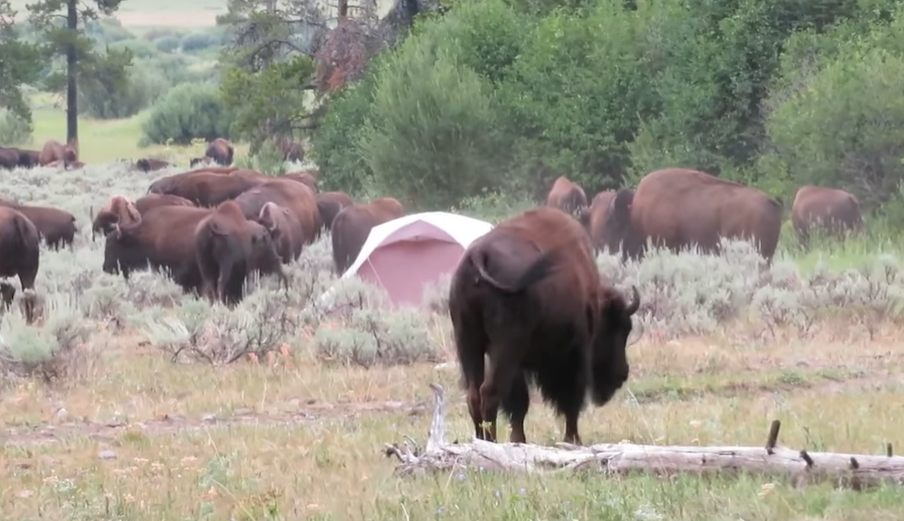
Campers awoke to bison casually ambling through their site—no huffing, no aggression, just confidence on four legs. Recognizing the animals’ right of way, the group did the smart thing and backed off. That decision may have prevented a dangerous encounter, as bison in Yellowstone are known to cause more injuries than any other wildlife in the park.
Why Yellowstone’s Bison Demand Respect
Weighing up to 2,000 lb and capable of charging at speeds of 30–35 mph, Yellowstone bison are the largest land mammals in North America—and also surprisingly fast and agile. They can bluff‑charge, snort, paw at the ground, and even run down slight slopes to intimidate—any of these signals should warn visitors to stay clear.
2025’s First Goring Incident—A Stark Reminder

On May 4, 2025, the park recorded its first goring injury of the year when a 47‑year‑old visitor from Cape Coral, Florida ignored safe‑distance guidelines near Lake Village. He required medical attention but suffered only minor injuries.
In 2024, the park’s bison population was estimated at around 5,400, fluctuating in a range between 3,500 and 6,000 in recent years nps.gov.
A Texas A&M study revealed that Yellowstone bison behave as a single interbreeding population—a first for the park’s northern and central herds stories.tamu.edu.
Remarkably, Yellowstone holds the only continuously wild population of American plains bison in the U.S.—genetically pristine, with over 99.7% bison DNA.
Campaigning for Caution: Official Safety Guidance
Park rangers urge visitors to follow strict safe‑distance rules: at least 25 yards from bison, elk, and deer, and a full 100 yards from predators like bears and wolves. Using binoculars or telephoto lenses offers a safe—and spectacular—view. If animals approach, head away calmly and avoid turning your back suddenly.
ellowstone sees over 4.7 million visitors every year, and every spring tourists return in droves. But each season brings headlines—people stumbling into wildlife encounters, charging bison scenes, stampedes, and goring events. While many come out unscathed, the situations highlight a consistent trend: too much curiosity, too little space.
Coexisting with Yellowstone’s Giants
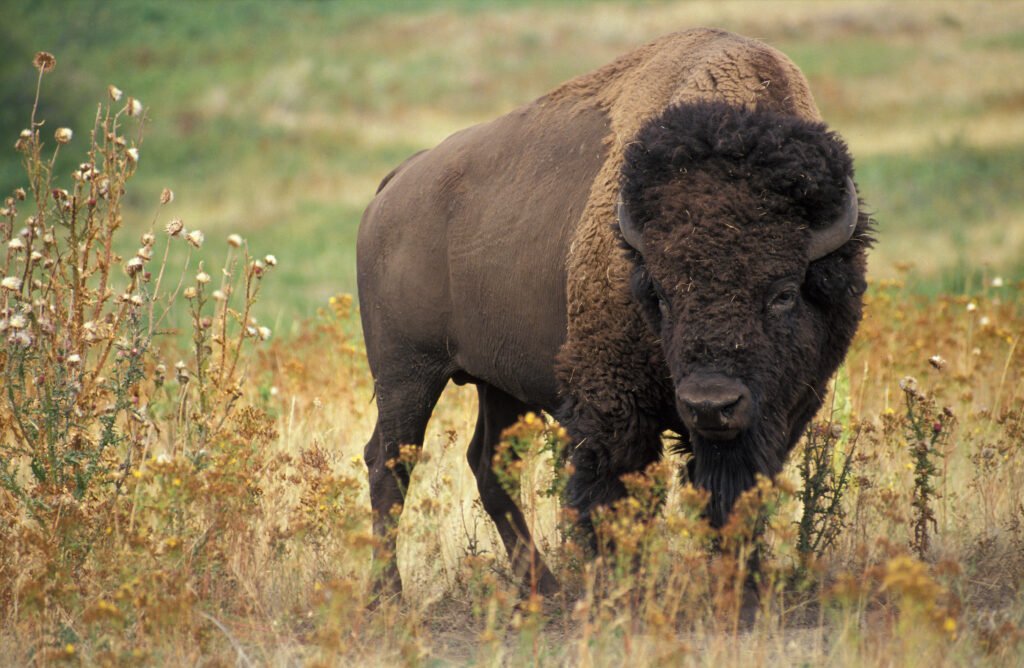
Bison are more than park attractions—they’re keystone species that shape the ecosystem through grazing, wallowing, and genetic purity. Their conservation succeeds thanks to strict protections, tribal hunting provisions, and careful herd management . Yet, as their numbers swell and visitors encroach, respectful coexistence becomes essential.
Yellowstone remains a realm where bison roam free, and each interaction carries respect for their wild nature. From campsite surprises to goring reminders, these stories are cautionary tales: wild animals are not just scenic backdrops—they’re resilient, powerful beings deserving ample space. Before setting out, know the rules: admire from afar, stay alert, and let Yellowstone’s giants thrive undisturbed.


