
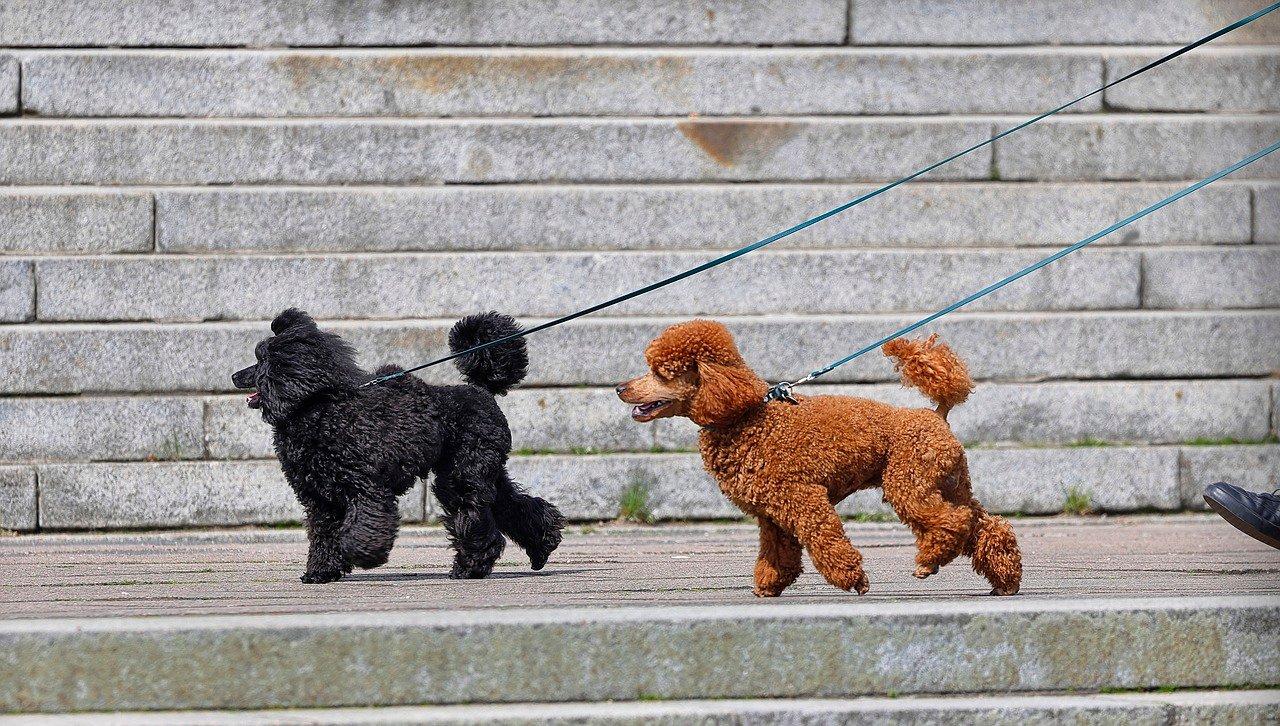
Walking your dog should be a pleasurable experience, not a battle of strength and patience. However, for many dog owners, leash pulling can transform a simple stroll into a frustrating and exhausting ordeal. Understanding why your dog pulls on the leash and learning how to address this behavior can make walks more enjoyable for both you and your furry friend. In this article, we will explore various strategies to prevent leash pulling, turning your walks into a harmonious experience.
Understanding Why Dogs Pull on the Leash
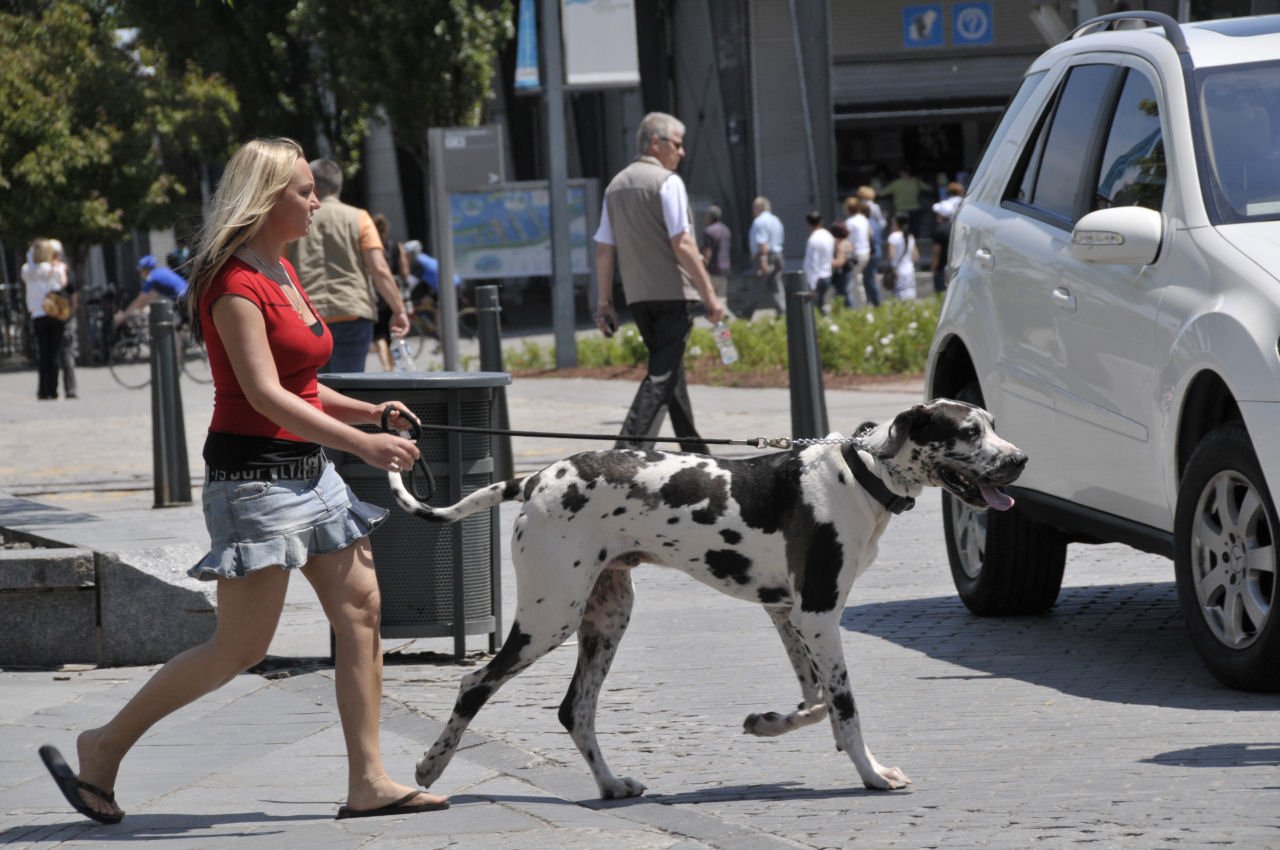
Walking your dog should be an enjoyable experience, but when your furry companion turns every stroll into a battle of strength, it can quickly become frustrating. Leash pulling is a common issue among dogs of all sizes, often making walks stressful for both pets and their owners. Whether your dog is excited by new sights and smells or simply trying to lead the way, excessive pulling can lead to injuries, lack of control, and even dangerous situations.
Dogs pull on the leash for a multitude of reasons. At its core, leash pulling is often rooted in excitement. Imagine being a child in a candy store; the world is full of scents, sights, and sounds that your dog can’t wait to explore. Additionally, some dogs pull because they have learned that pulling gets them where they want to go faster. Others might pull due to anxiety or because they haven’t been taught proper leash manners. Recognizing the motivation behind your dog’s behavior is the first step in addressing the issue.
The Importance of Proper Equipment
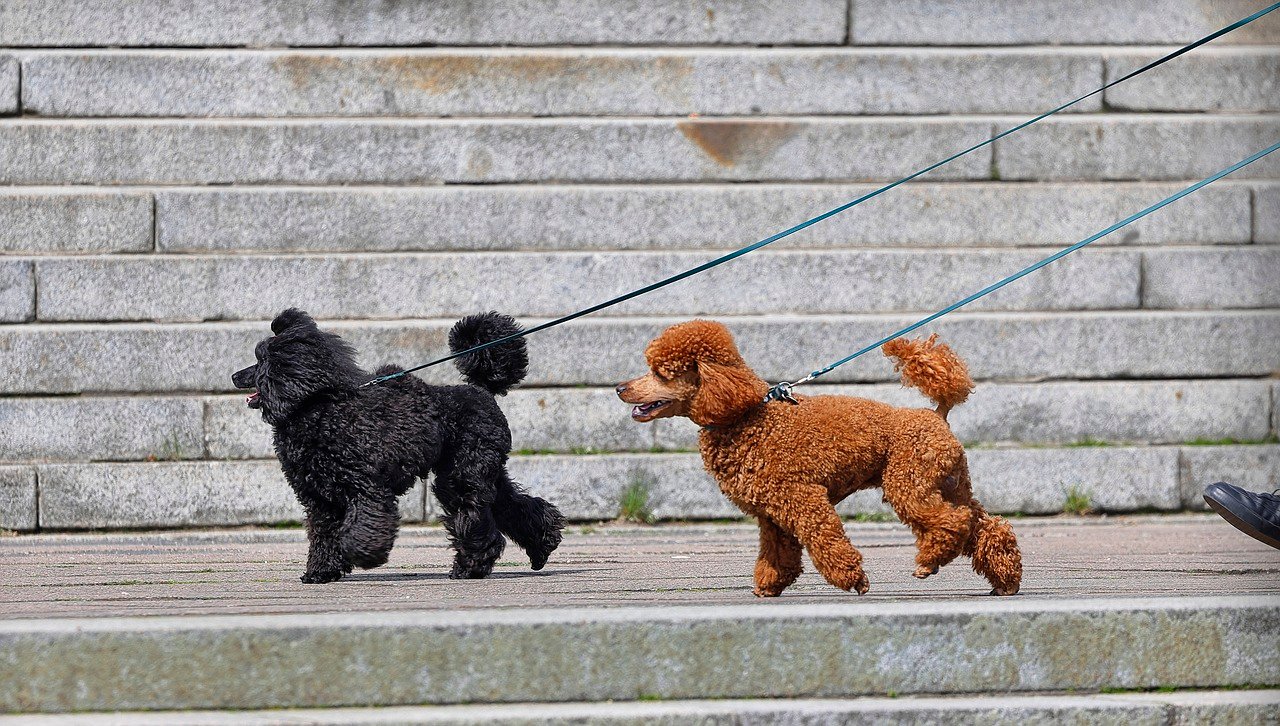
Before tackling leash pulling, it’s critical to ensure your dog is equipped with the right gear. A well-fitted harness can make a world of difference, distributing pressure evenly across your dog’s body rather than concentrating it on their neck. There are various types of harnesses designed specifically to discourage pulling, such as front-clip harnesses. Additionally, using a sturdy, non-retractable leash gives you better control. The right equipment doesn’t solve the problem alone, but it provides a solid foundation for training.
Teaching the “Heel” Command
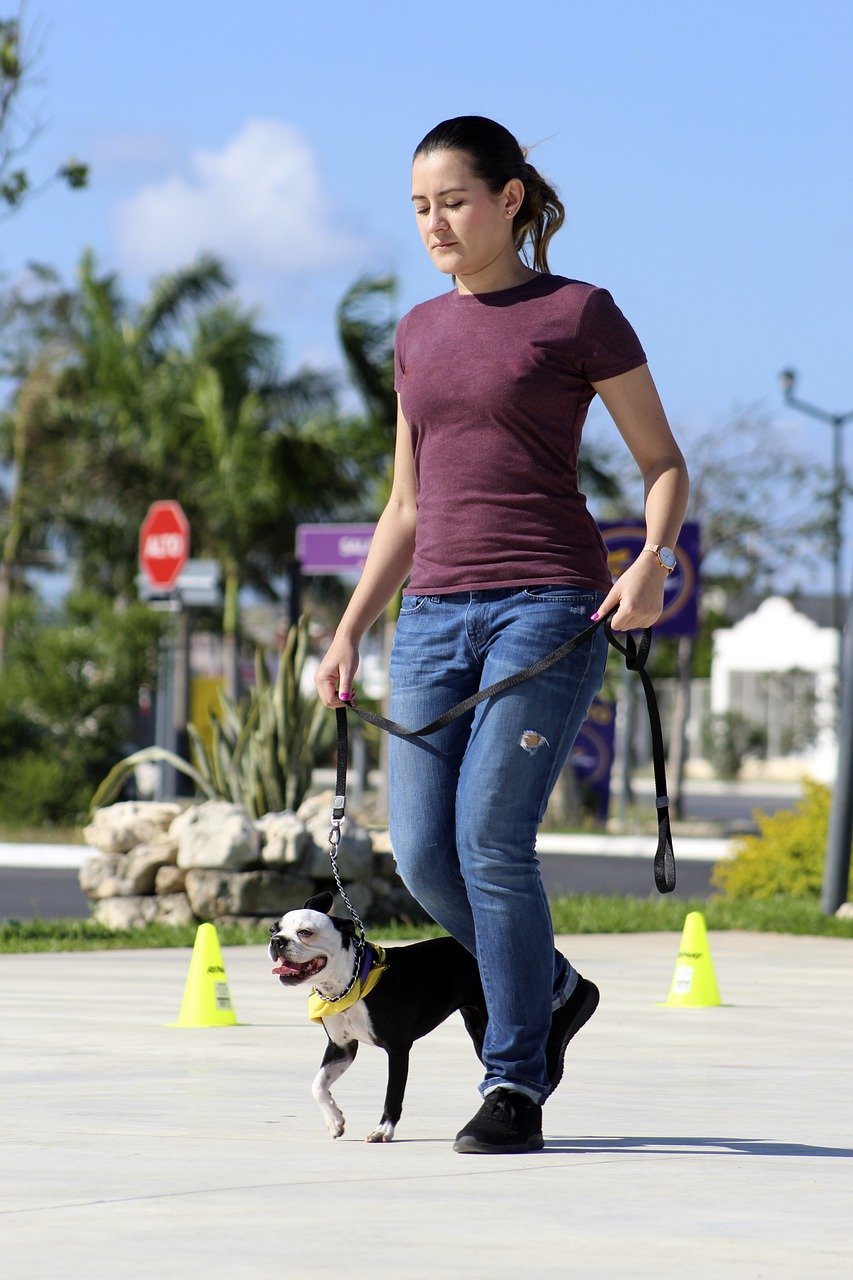
Teaching your dog to heel can be a game-changer when it comes to leash manners. The “heel” command instructs your dog to walk beside you, maintaining pace and position. Start training in a distraction-free environment, rewarding your dog with treats and praise when they stay by your side. Gradually introduce distractions and practice in different settings. Consistency is key; the more you practice, the quicker your dog will learn that walking calmly by your side is rewarding.
Positive Reinforcement and Reward-Based Training
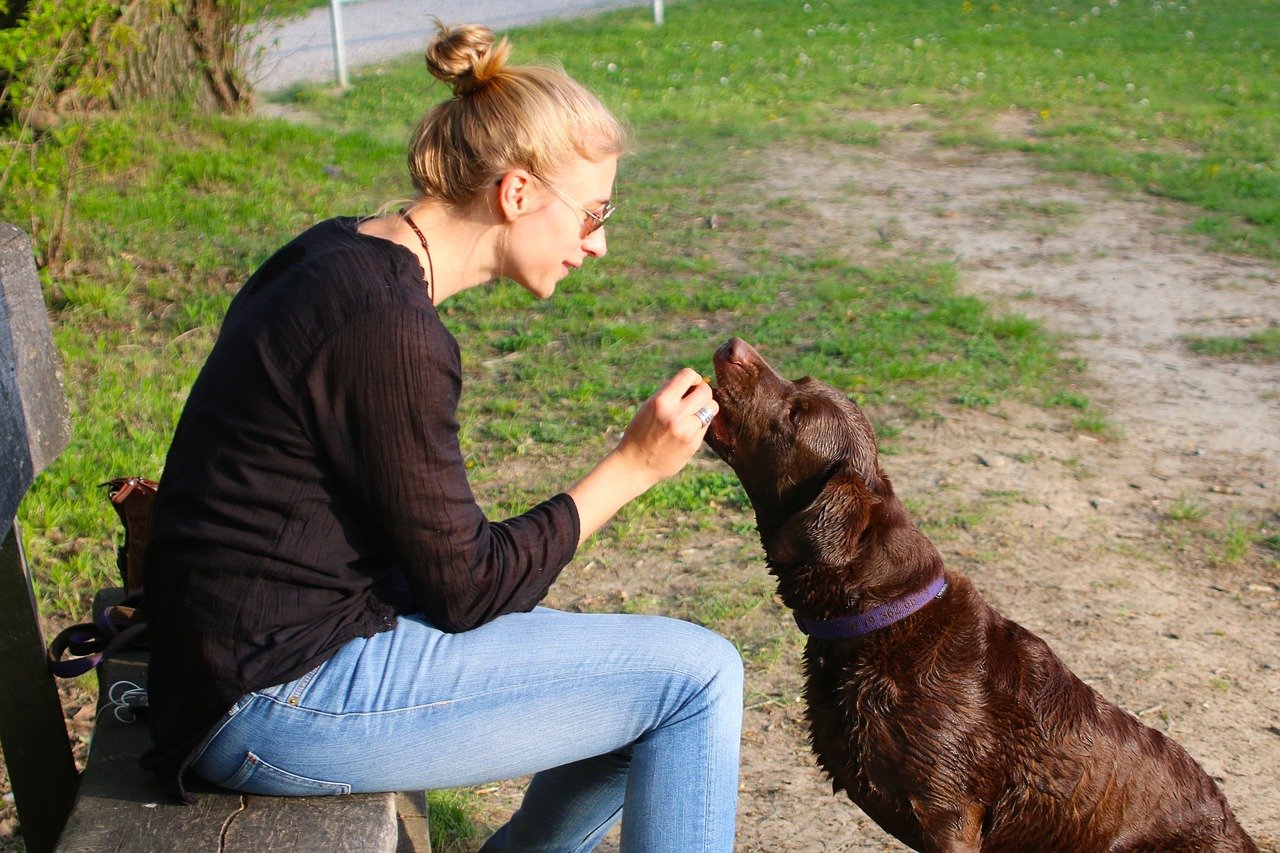
Positive reinforcement is a powerful tool in dog training. Instead of punishing your dog for pulling, reward them for walking nicely. This can be achieved through treats, toys, or verbal praise. When your dog walks without pulling, give them a treat or a pat. Over time, they will associate walking calmly with positive outcomes. Avoid yanking the leash or shouting, as this can lead to fear and anxiety, making the problem worse.
Consistency and Patience: The Keys to Success
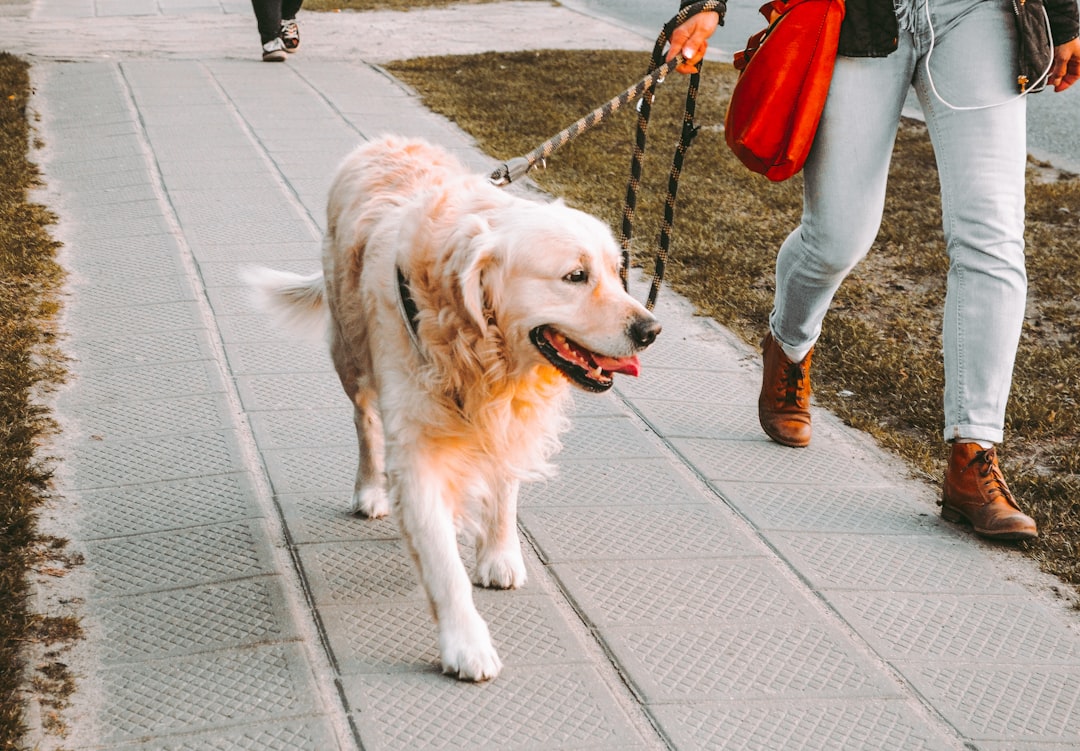
Training a dog not to pull requires patience and consistency. Dogs thrive on routine, so make leash training a regular part of your walks. If your dog starts to pull, stop immediately and wait for them to return to your side. Once they calm down, resume walking. This teaches your dog that pulling leads to the opposite of what they want—progress. Remember, every dog learns at their own pace, so patience is crucial.
Understanding the Role of Exercise and Mental Stimulation
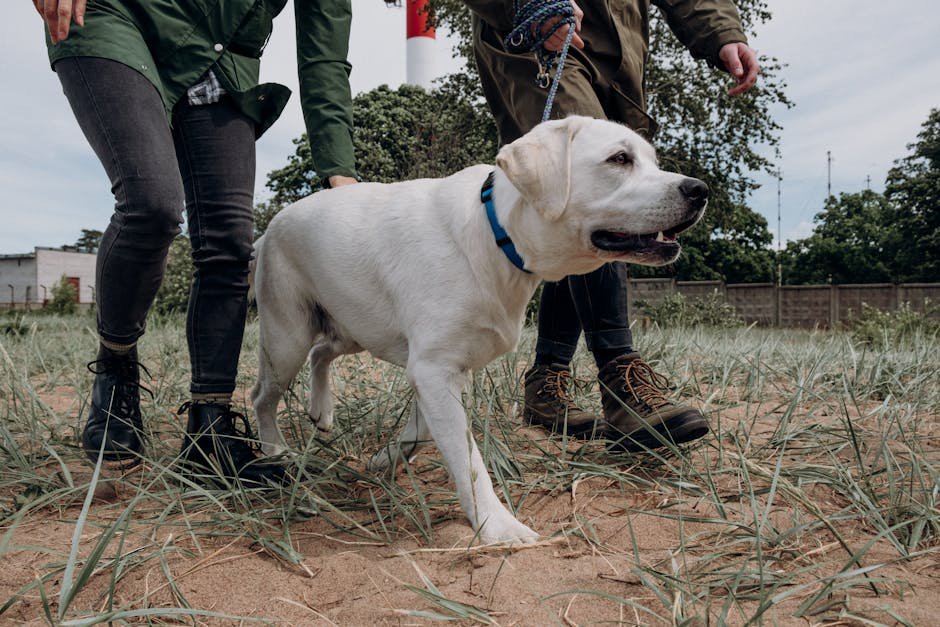
A well-exercised dog is a well-behaved dog. Often, dogs pull on the leash because they have excess energy to burn. Ensuring your dog gets enough physical exercise and mental stimulation can reduce leash-pulling tendencies. Activities like fetch, agility training, or puzzle toys can help expend energy and engage your dog’s mind, making them more relaxed and focused during walks.
Seeking Professional Help When Needed
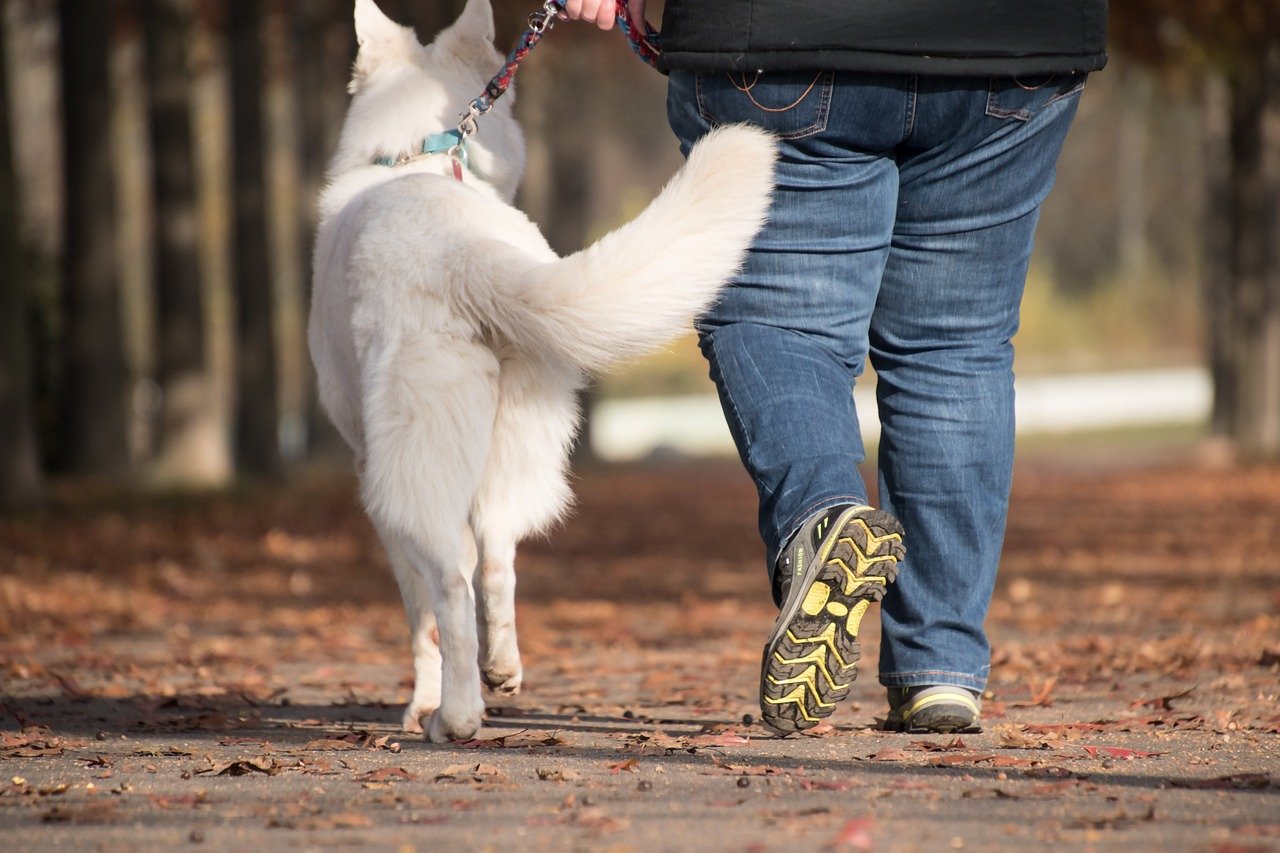
Sometimes, despite your best efforts, leash pulling persists. In such cases, seeking help from a professional dog trainer can be beneficial. Trainers can provide personalized advice and techniques tailored to your dog’s specific needs. They can also identify underlying behavioral issues that may contribute to pulling. Investing in professional training can be a worthwhile step toward enjoyable walks.
Making Walks a Positive Experience for Both You and Your Dog
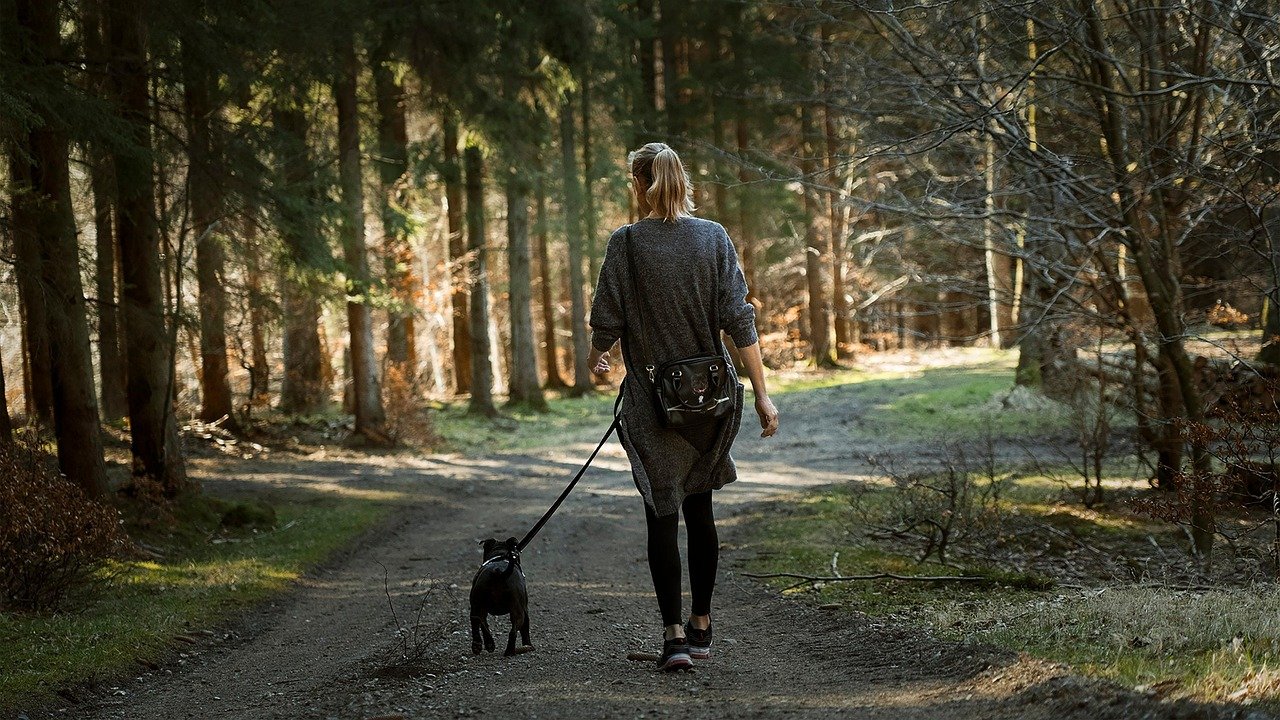
Ultimately, the goal is to make walks enjoyable for both you and your dog. Celebrate small victories and progress, and don’t get discouraged by setbacks. Remember, your dog is learning, and building a strong bond through walks can enhance your relationship. Use walks as an opportunity to explore, bond, and enjoy each other’s company. With time, patience, and the right approach, leash pulling can become a thing of the past.


