There’s a pain that settles in when you lose a pet. That empty collar sitting on the counter. The food bowl you can’t bring yourself to put away just yet. If you’ve ever experienced the death of a beloved companion animal, you know the ache doesn’t fade easily. Most pet owners quietly brace themselves for judgmental comments from friends or family who don’t quite understand why the absence of a dog, cat, or hamster feels so monumental.
Here’s the thing. New research is validating what millions of grieving pet owners have felt but rarely been allowed to say aloud. For one in five people, losing a pet has been more distressing than losing a human loved one, with research revealing that roughly one fifth of those who experienced both types of bereavement found their pet’s death harder to bear. That’s not hyperbole or sentimentality. It’s science catching up to a lived reality that society has long dismissed.
The Science Behind Pet Loss Grief

A recent study of nearly one thousand British adults revealed something striking: around seven and a half percent of people who’d lost pets met clinical criteria for prolonged grief disorder, comparable to rates following many human deaths. The research, published in the journal PLOS One, challenges everything we thought we knew about grief hierarchies. Led by Philip Hyland of Maynooth University in Ireland, the findings showed no measurable differences in how prolonged grief disorder symptoms manifest, whether the loss involves a person or a pet.
What does this actually mean? It means your brain doesn’t distinguish between the loss of your Labrador and the loss of a family member in the way society expects it to. The grief patterns are identical.
Why Pet Loss Hits So Hard
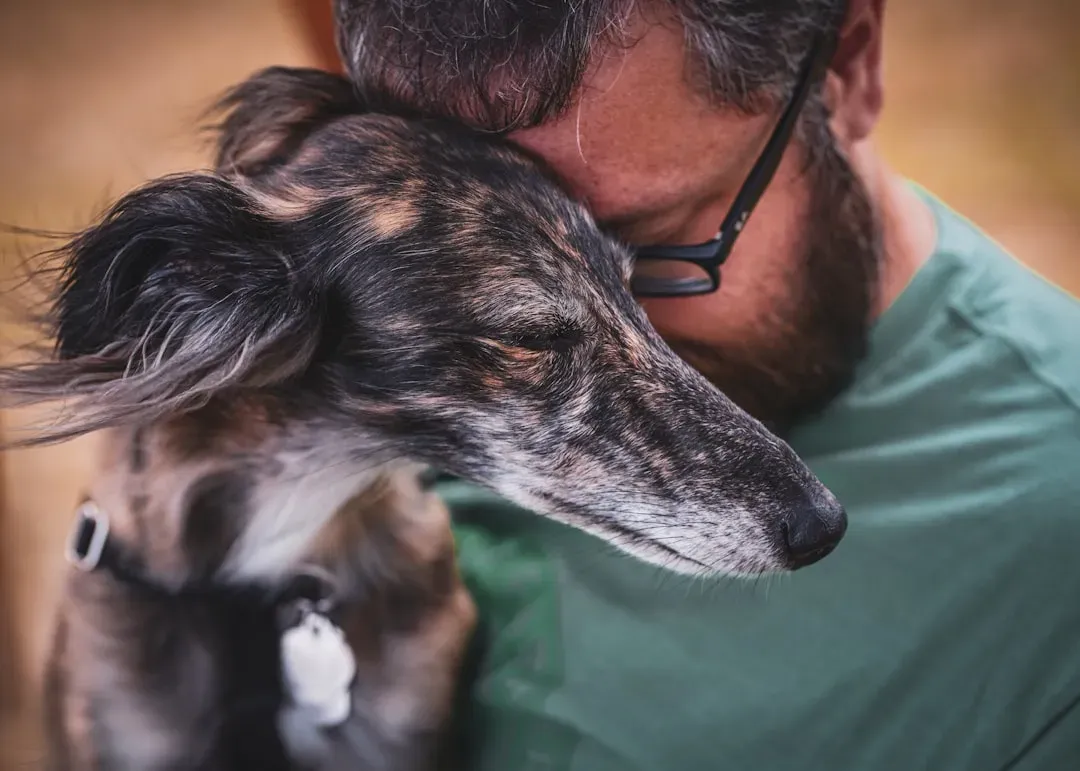
Think about your daily routine. How much of it revolves around your pet? The morning walks, the feeding schedules, the evening cuddles on the couch. Nearly all pet owners consider their pets part of the family rather than just a pet, according to a survey by the animal charity RSPCA. That emotional bond isn’t trivial or replaceable.
Research overwhelmingly shows that closeness to the deceased is the strongest predictor of grief severity, with other predictors generally becoming insignificant when closeness is factored in. It’s not about whether you lost a person or a pet. It’s about the depth of connection you shared. A pet who greets you at the door every single day, who sleeps beside you, who offers uncomplicated affection, fills emotional spaces that humans sometimes cannot.
Prolonged Grief Disorder: A Clinical Reality for Pet Owners

Pet loss actually accounted for roughly eight percent of all prolonged grief disorder cases in the study, a higher proportion than many types of human losses, with those who had lost a pet being more likely to develop prolonged grief disorder symptoms than those who hadn’t. Let that sink in for a moment. The likelihood of developing these symptoms sits between the rates for losing a parent and losing a sibling, and is higher than the rates for losing a close friend or other family member.
Yet current psychiatric diagnostic criteria exclude pet loss entirely. Only human deaths qualify for a prolonged grief disorder diagnosis. This creates a devastating gap in mental health support, leaving countless bereaved pet owners without access to proper care or even workplace bereavement leave.
The Unique Challenges of Pet Bereavement
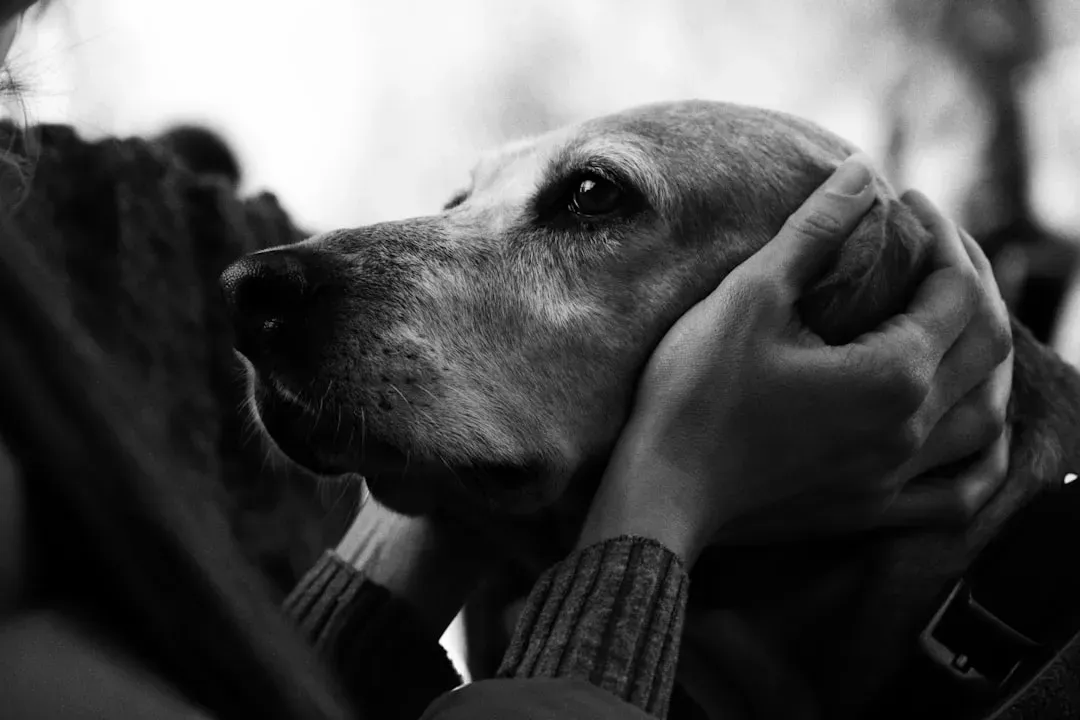
Pet death comes with unique challenges, as owners may be involved in the decision to euthanise their pet, something that doesn’t happen with human loss. That decision weighs heavily. Did you act too soon? Did you wait too long? Some find comfort in knowing they supported their companion at the end. Others find it traumatic, particularly if they’ve felt excluded from the decision by the vet or worried they acted too early.
Significant positive correlations exist between the intensity of grief reactions and several variables, including feelings of exclusion from the euthanasia decision by the veterinarian, regret over the decision to euthanize prematurely, and guilt associated with that decision. There’s also the practical reality that you often have to make this choice alone, sometimes within minutes, in a sterile clinic room.
Society’s Dismissal Compounds the Pain

Pet loss is often dismissed as disenfranchised grief, a type of mourning that isn’t socially recognized or validated in the same way as other bereavements. This societal dismissal is more than just thoughtless. It’s harmful. One major risk factor for prolonged grief disorder is lack of social support after loss, and people grieving pets often face this difficult period without adequate understanding from those around them, potentially leading to the disorder developing.
Many participants expressed embarrassment and shame about sharing their feelings. Imagine being unable to talk about your pain because you fear ridicule or judgment. That isolation compounds grief, turning what should be a natural healing process into a silent, lonely struggle.
Moving Forward: Validation and Support

The findings suggest diagnostic criteria may be missing something important, as what matters most isn’t who has died, but the quality and meaning of the relationship with the deceased. This represents a fundamental shift in how we need to think about grief. It’s time to stop ranking losses based on species and start honoring the genuine bonds people form.
While the study suggests diagnostic criteria may need updating, help is available now for those grieving a pet, including bereavement toolkits and specialist counsellors who work specifically with pet bereavement, offering understanding and compassion during such a painful time. Seeking professional support isn’t weakness. It’s recognition that your grief is valid, worthy of care, and deserving of the same compassion offered to anyone navigating loss.
If you’ve lost a pet and you’re still hurting, know this. Your grief is real. The science confirms it. Society might not always understand, but that doesn’t diminish what you’ve lost. Have you experienced the loss of a pet that changed you? Share your thoughts in the comments.