
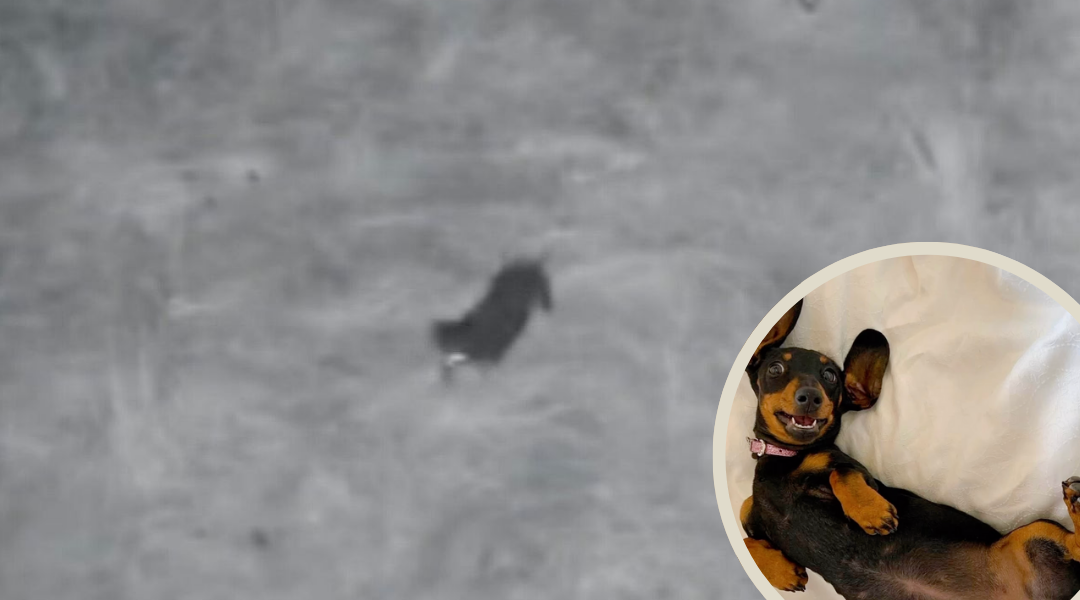
Valerie was a pampered little dachshund who never left her family’s side. So when she vanished from a holiday campsite on Kangaroo Island in November 2023, no one thought she would last the night.
The four-kilogram, black-and-tan miniature dachshund had joined her owners, Georgia Gardner and Josh Fishlock, for a family trip to Stokes Bay. After she bolted out of her pen, the couple searched frantically for five days through dense bushland. But eventually, with heavy hearts, they returned to their home in Albury, New South Wales, believing their tiny, beloved dog was gone forever.
500 Days in the Wilderness—And Still Running Free
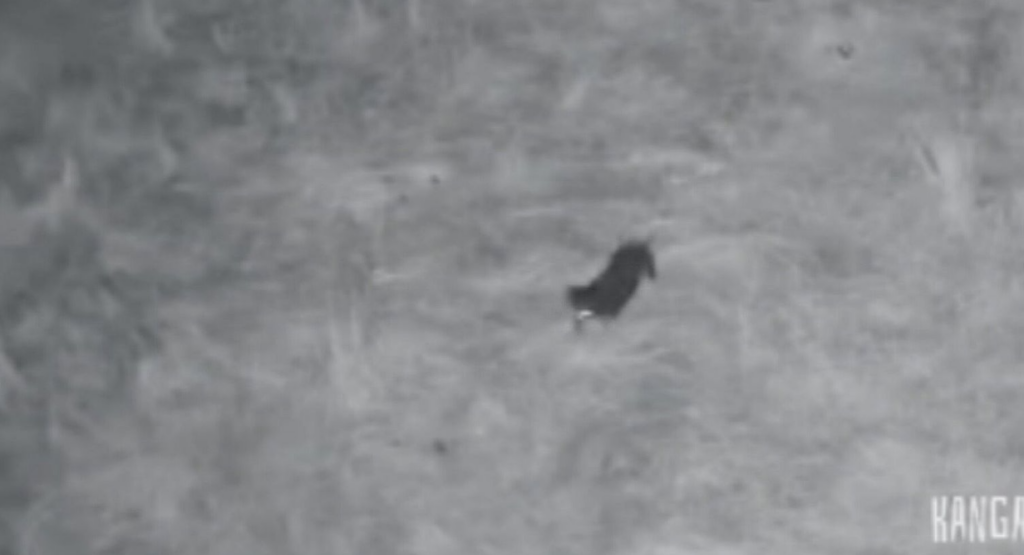
More than a year later, Valerie was spotted again—alive, healthy, and just as elusive as ever. Captured on camera 14 kilometers from where she went missing, she’s shown remarkable survival instincts. Rescuers have since launched a high-tech mission to bring her home, using night vision cameras, baited traps with roast chicken and sardines, and even a Starlink satellite dish to monitor the area.
“She runs at the first sign of humans or vehicles,” Kangala Wildlife Rescue said. “Despite the best efforts of dedicated island locals, Valerie has been impossible to catch.”
Now, they’ve narrowed her movements to a 200-square-meter patch of wilderness, where her bark has been heard. The team remains hopeful—especially as she continues to return to areas where people have left food and scent trails.
How Domesticated Are Our Dogs, Really?
Valerie’s incredible survival story has sparked a global conversation: just how dependent on humans are our dogs?
Despite more than 15,000 years of domestication, dogs still carry the traits of their wild ancestors. Behavior like scavenging, stealing food, and even eating waste comes from their evolutionary roots as opportunistic feeders. While millions of pet dogs live indoors and rely on their humans, the majority of the world’s 500 million dogs live independently as street or pariah dogs, surviving on scraps and instinct.
Born to Hunt, Built to Survive

Valerie’s breed may have helped her too. Dachshunds were developed to chase prey into burrows, and those same traits—fearlessness, focus, and determination—may have helped her adapt to the wild. On Kangaroo Island, she’s believed to be living off roadkill, birds, and natural water sources.
But her survival has also complicated things for rescuers. The dense bushland is full of wildlife, and traps often attract curious wallabies, kangaroos, and possums. The rescue team must stay patient, careful, and ready for that one perfect moment.
A Dog on the Run—But Not Forgotten

Valerie has become a global sensation, even making headlines in The New York Times and The Independent. She’s been called “the dachshund version of Bigfoot,” and with every new sighting, the hope grows stronger.
Her rescuers feel the weight of the world watching. “It keeps me up at night, thinking about what she’s going to be like,” said Kangala Wildlife Rescue Director Jared Karran. “But she keeps coming back to the area where she knows people have been, which is a really good sign for when she comes home.”
Why Getting Her Home Matters
Dogs like Valerie are survivors—but their presence in the wild can cause harm. Free-roaming dogs, even once-beloved pets, can spread disease, disturb native wildlife, and even interbreed with endangered species. That’s why returning Valerie home is urgent—not just for her family, but for the ecosystem she now inhabits.
It’s a reminder that pet parents must do more than love their dogs. They need to protect them—with microchips, training, and the knowledge to act fast when something goes wrong.
Valerie’s Next Chapter
Valerie has returned to the trap more than once, only to slip away again. But the team isn’t giving up. Every sign, every paw print, every distant bark brings them closer.
She may have lived as a wild dog for over 500 days—but the love waiting for her at home is stronger than ever. And when she’s finally safe in her family’s arms again, the world will breathe a sigh of relief.
Dogs aren’t just survivors—they’re legends.


