
Love knows no bounds, and sometimes it transcends even death itself. In a cemetery nestled in the Brazilian state of São Paulo, one dog demonstrated a level of loyalty that captured hearts across the nation and eventually transformed into groundbreaking legislation. His story isn’t just about loss or grief. It’s about the unbreakable threads that connect us to those we care about, whether human or animal.
This tale begins with a simple funeral and a dog who refused to accept that goodbye meant forever. What unfolded over the next decade would challenge how we think about family, devotion, and the place our pets hold in our lives.
The Dog Who Wouldn’t Leave
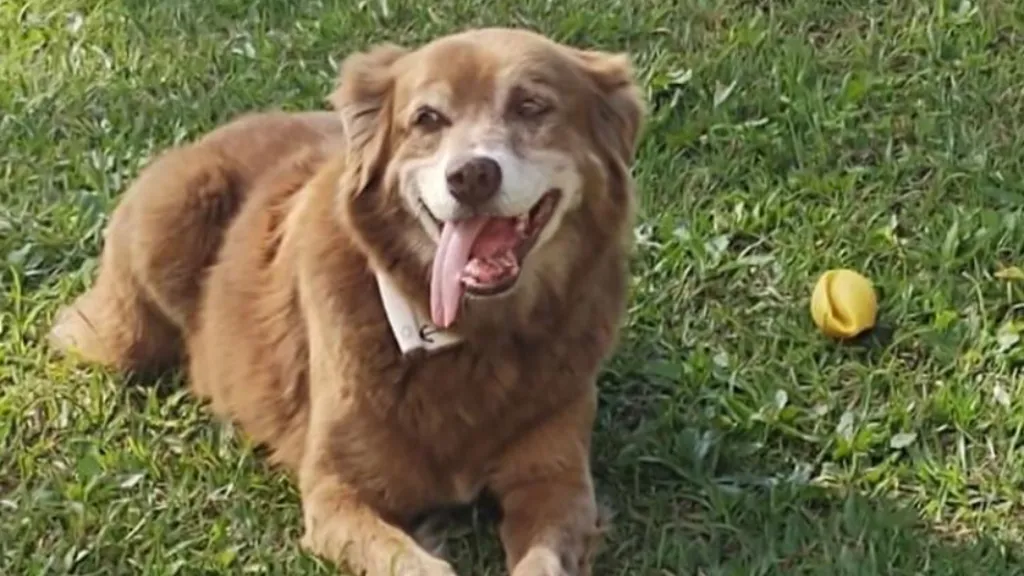
Bob attended his owner’s funeral at the cemetery in Taboão da Serra and refused to leave thereafter, even returning when family members tried to take him home. The mixed-breed dog, who would come to be known affectionately as Bob Coveiro, meaning gravedigger in Portuguese, made a choice that day that would define the rest of his life. His owner had passed, and Bob decided the cemetery was where he belonged.
Family members tried multiple times to bring him back to a comfortable home with regular meals and a warm bed. Each time, Bob found his way back to the gravesite. Eventually, everyone understood that this was Bob’s decision to make, not theirs.
A Decade Among The Tombstones
He was given a green dog house to live in and was known to accompany funeral processions at the site. For roughly ten years, Bob became a fixture at the cemetery, a living reminder of unconditional love. Cemetery workers and visitors grew accustomed to seeing him wandering among the headstones, his presence somehow both melancholic and comforting.
People who were saddened by burying their loved ones would manage a smile when the little dog tried to play. Bob wasn’t just mourning. He was living, offering comfort to grieving families in his own way. He’d join funeral processions, sit quietly near mourners, and occasionally lighten the heavy atmosphere with his playful antics.
Bob’s Legacy Becomes Law
He was eventually buried with his owner after being hit by a vehicle in 2021. Bob’s story ended tragically, the way too many street dog tales do. Yet his death marked the beginning of something transformative. Local officials and animal advocates saw in Bob’s devotion something worth honoring, not just with words but with action.
The law named after the canine came into effect on Tuesday and recognises the emotional bond between pets and their human families. The Bob Coveiro Law allows cats and dogs to be buried in family graves throughout São Paulo state, provided sanitary requirements are met. It tasks local funeral services with setting the practical rules for such burials.
What This Means For Brazilian Pet Owners
Representative Eduardo Nóbrega wrote on social media that anyone who has lost a pet knows it’s not just an animal, it’s family. This legislation acknowledges what millions of pet owners already understand deep in their hearts. Our companion animals aren’t property or accessories. They’re members of our households who share our daily lives, our joys, and our sorrows.
The new law arrives in a country with about 160 million companion animals, making it one of the world’s largest pet-owning nations. Brazil’s massive pet population means this law will impact countless families facing the difficult decision of how to honor their deceased companions. For many, the option to rest together eternally provides genuine comfort during an already painful time.
A Story That Touches Something Universal
Let’s be real, there’s something about animal loyalty that hits differently than human devotion. Maybe it’s because we know dogs don’t calculate or scheme. They simply love, wholly and without reservation. Bob’s vigil lasted longer than many human relationships survive.
Local animal protection charity Patre organised a fundraiser to commission a statue in Bob’s honour, saying Bob won the hearts of everyone who met him. Beyond the legislation, Bob’s memory lives on in bronze, a permanent reminder at the very cemetery where he spent a decade. His story spread far beyond São Paulo, resonating with people worldwide who recognize in Bob’s steadfastness something we all aspire to: absolute, unwavering loyalty.
Conclusion
Honestly, I find it remarkable that it took a dog’s decade-long vigil to prompt this kind of legislation. Humans have been burying beloved animals since ancient times, yet modern bureaucracy often treats pets as somehow separate from family units. Bob’s story forced lawmakers to confront an uncomfortable truth: our laws hadn’t caught up with how we actually live and love.
What began as a story of love and loyalty has turned into public policy. That transformation from individual heartbreak to systemic change represents the best of what legislation can accomplish. It recognizes reality rather than imposing outdated categories on how families are structured. Bob never sought fame or legal reform. He simply refused to abandon someone he loved. The fact that his faithfulness resulted in meaningful change for millions of pets and owners feels like the right kind of legacy.
Did Bob understand he was changing history? Probably not. He was just being a dog, doing what dogs do best: loving completely.


