
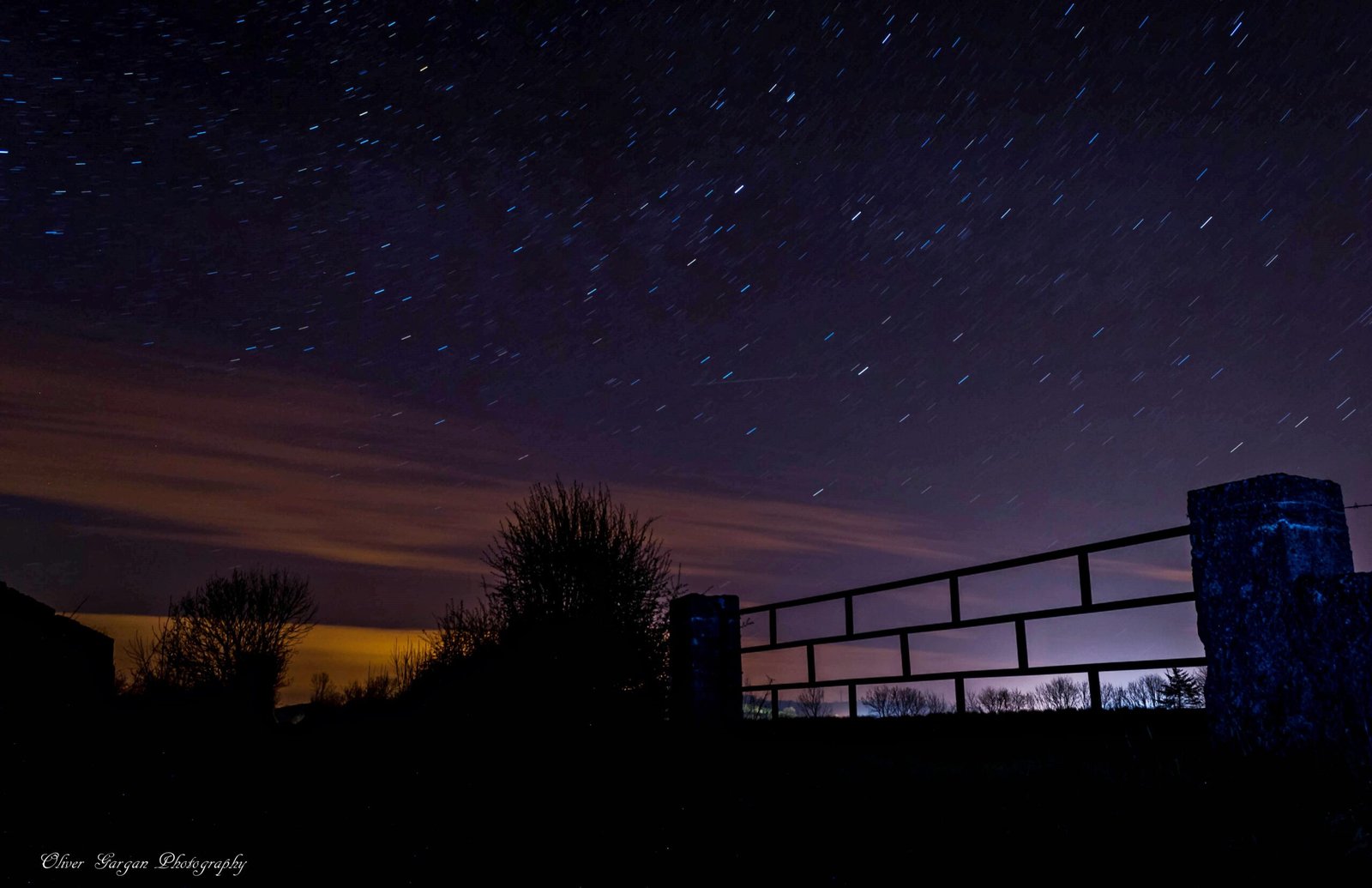
Artificial Glow Disrupts Wild Lives (Image Credits: Upload.wikimedia.org)
Maine – State lawmakers recently enacted a measure to curb artificial light from public fixtures, aiming to shield birds, insects, and other wildlife from its disruptive effects.[1]
Artificial Glow Disrupts Wild Lives
Numerous studies highlight how constant artificial lighting alters the behavior of nocturnal species. Birds become disoriented during migration, colliding with structures, while insects face population declines from altered foraging patterns.[1]
Maine officials recognized these threats and acted decisively. The state now joins a growing effort to reclaim natural darkness. Lawmakers approved the bill late last year, positioning Maine as a leader in addressing light pollution.[2]
This initiative targets behaviors that artificial light provokes, from disrupted mating calls in amphibians to confused navigation in sea turtles along coastal areas.
Core Elements of the New Law
The legislation, titled “An Act to Promote Responsible Outdoor Lighting,” applies exclusively to publicly funded installations. Streetlights, school grounds, and municipal buildings fall under its scope.[1]
New or replacement fixtures must adhere to standards set by the Illuminating Engineering Society. These include warmer color temperatures, shielding to direct light downward, and motion sensors or timers for efficiency. Such designs minimize sky glow while maintaining necessary illumination.
- Public streetlights and parking lots
- Exterior lights at schools and town halls
- Replacement bulbs in government-owned properties
- Compliance required starting in 2026
Exceptions protect essential services. Sports fields, highways, emergency responses, and federally mandated lighting remain unaffected. Full details appear in the bill text.
Wildlife Gains from Darker Nights
Proponents emphasized ecological benefits during debates. “Darkness is a natural resource just like land or water, deserving conservation,” stated Francesca Gundrum, Maine Audubon’s director of advocacy.[2]
Reduced light intrusion restores circadian rhythms for bats, owls, and pollinators. Healthier insect populations support birds and plants in turn. Coastal habitats benefit as well, with fewer disoriented hatchlings venturing toward roads.
Energy savings add practical value. Dimmer, targeted lighting cuts municipal costs and greenhouse emissions. Rep. Laurie Osher, the bill’s sponsor, noted that excessive brightness undermines safety goals anyway.[2]
Boost for Dark Sky Tourism
Maine boasts certified dark sky sites, including Katahdin Woods and Waters National Monument. These draw stargazers for events like solar eclipses and auroras.[1]
The law bolsters ecotourism by preserving pristine night views. Visitors flock to unlit areas, supporting local economies. DarkSky International endorses the standards, aligning Maine with global best practices.
Private property owners receive voluntary guidance, potentially expanding benefits statewide.
- Maine’s law mandates responsible public lighting to combat wildlife disruption.
- Standards focus on shielding, warmer tones, and timers for efficiency.
- Expect improved habitats for birds, insects, and nocturnal species.
Maine’s forward-thinking policy sets a model for balancing human needs with nature’s quiet hours. As implementation unfolds this year, the state stands to gain healthier ecosystems and brighter stars. What steps could your community take to embrace darker nights? Share your thoughts in the comments.


