
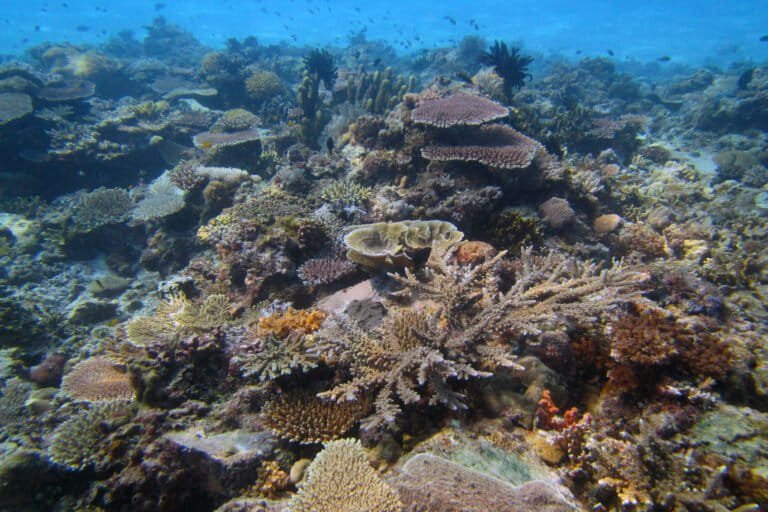
Survey Reveals Unprecedented Speed of Loss (Image Credits: Imgs.mongabay.com)
Malaysia – A recent national survey exposed a rapid erosion of the nation’s coral reefs, with live coral cover dropping by 20 percent since 2022.[1][2]
Survey Reveals Unprecedented Speed of Loss
Reef Check Malaysia’s 2025 annual report delivered a sobering assessment after examining 297 sites nationwide. Average live coral cover plummeted to 39.94 percent last year, down from 44.65 percent in 2024 and around 50 percent in 2022. That five-percentage-point annual drop equated to a 10 percent loss of existing coral in one year alone.[2]
Julian Hyde, the organization’s chief executive officer, highlighted the scale: “We lost the equivalent of 47,250 football fields’ worth of coral cover in the last three years.” Such a pace marked a shift from gradual decline to accelerated deterioration, spanning popular tourist spots on the peninsula to remote Sabah waters.[3]
Multiple Threats Pile On
The fourth global coral bleaching event in 2024 struck hard, with bleaching observed at 67.5 percent of surveyed locations. Yet local pressures amplified the damage. Unsustainable tourism, pollution from coastal development, and destructive fishing practices emerged as primary culprits.
In Sabah, dynamite fishing scarred 33.33 percent of sites despite bans. Reef Check Malaysia stressed that overlapping stressors left little room for recovery, even in marine protected areas where indicator fish and invertebrate populations stayed low.[1]
Disturbance Indicators Paint Grim Picture
Physical scars dominated the findings. Divers recorded high levels of human-induced harm across nearly all sites.
- 82.5 percent affected by trash;
- 80 percent marred by discarded fishing gear and nets;
- 57.5 percent damaged by boats or anchors;
- 67.5 percent showed bleaching signs.
These figures underscored widespread vulnerability, from the Sunda Shelf to North Borneo regions.[2]
| Year | Live Coral Cover (%) |
|---|---|
| 2022 | ~50 |
| 2024 | 44.65 |
| 2025 | 39.94 |
Impacts Reach Beyond the Sea
Coral reefs formed critical nurseries alongside mangroves and seagrasses, sustaining over 140,000 small-scale fishers. Malaysians consumed about 57 kilograms of seafood per person annually, a reliance now at risk. Tourism, contributing to 15 percent of GDP and 25 percent of jobs in some areas, faced threats from degrading reefs.
Hyde warned, “These findings are significant because coral reefs underpin livelihoods and food security for coastal communities.” Shoreline protection and biodiversity also hung in the balance.[3]
Urgent Calls for Change
Experts urged immediate shifts. Reef Check Malaysia advocated co-management models integrating local communities into marine protected areas. Reducing local stressors offered reefs better odds against climate change.
“We are not anti-tourism – we are pro-sustainable tourism,” Hyde emphasized. Training for boat operators, visitor limits in sensitive zones, and livelihood diversification topped recommendations. Community groups already removed ghostnets to ease pressures.[2]
- Live coral cover fell 20 percent since 2022, matching 47,250 football fields.
- Bleaching, tourism, and pollution drove the decline across 297 sites.
- Sustainable practices and community involvement can halt further loss.
Malaysia’s reefs demand action now to preserve ecosystems vital for food, economy, and future generations. What steps should authorities take next? Tell us in the comments.


