
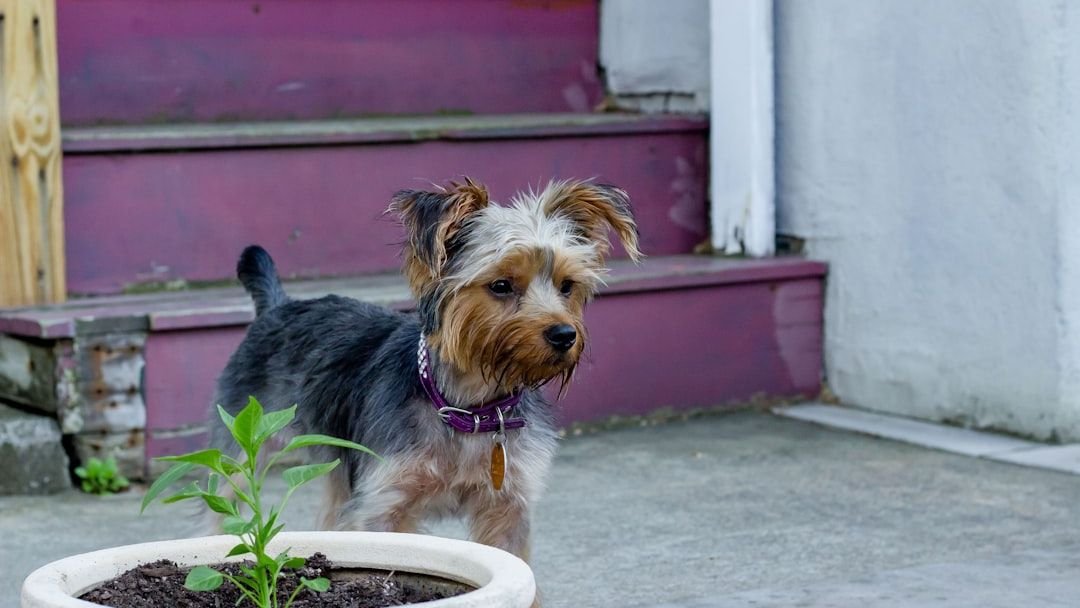
Picture this: you come home after a long day, and your sweet pup is sitting suspiciously close to your favorite potted plant, leaves scattered across the floor. Your stomach drops. Sound familiar? You are not alone. Millions of dog owners every year discover, often the hard way, that the beautiful greenery decorating their living rooms can be quietly dangerous to the dogs they adore.
Dogs are naturally curious creatures. They sniff, nibble, and explore their surroundings with enthusiasm – and sometimes that curiosity gets them into trouble. Like toddlers, dogs don’t always know what’s safe to eat. The leafy centerpiece on your coffee table or that cheerful succulent on the windowsill could be hiding a very real danger. Stick around, because what you’re about to learn could genuinely save your dog’s life.
The Hidden Danger Living Right in Your Home
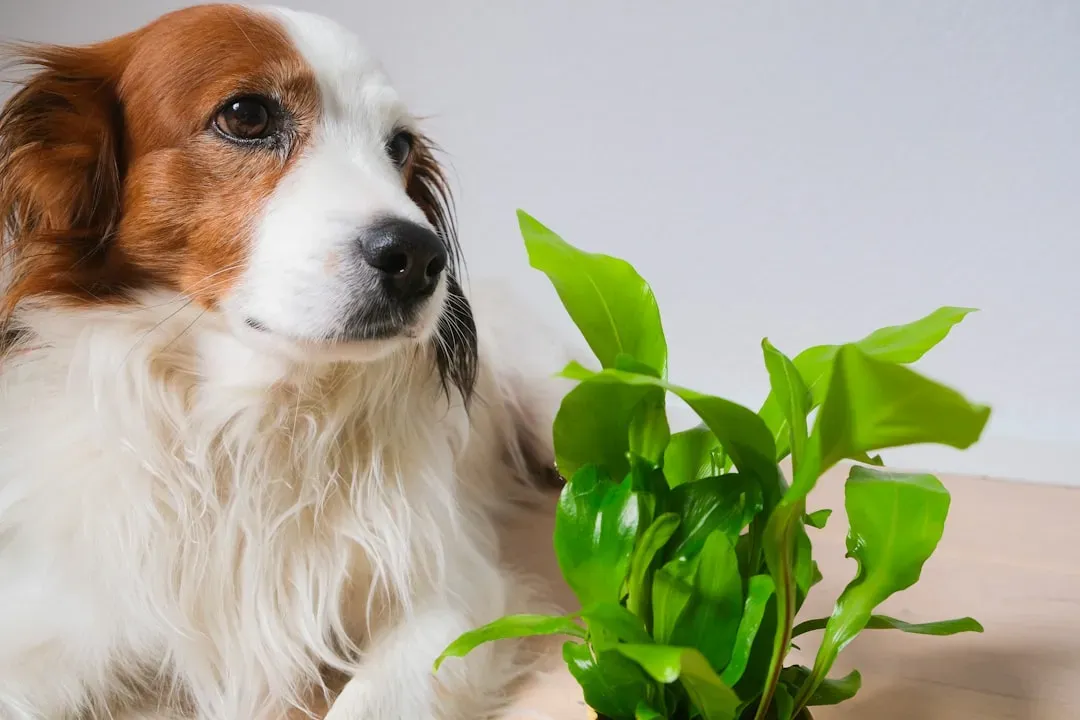
Here’s the thing most people don’t realize: toxic plants contain natural compounds that can irritate a dog’s mouth and digestive tract – or worse, impact the nervous system, kidneys, or liver. We tend to think of plant dangers as something that happens outdoors, in wild fields or forests. The truth is far more unsettling.
The ASPCA Animal Poison Control Center reported that in 2022, over eight percent of all calls were related to pets ingesting plants toxic to them, making it sixth on their list of the top ten pet toxins. That’s a stunning number. Some plants just lead to a little vomiting and diarrhea, while others can have serious effects on a dog’s heart, liver, kidneys, and neurological system. The range of severity is exactly why awareness matters so much.
The Most Common Culprits Hiding on Your Shelves
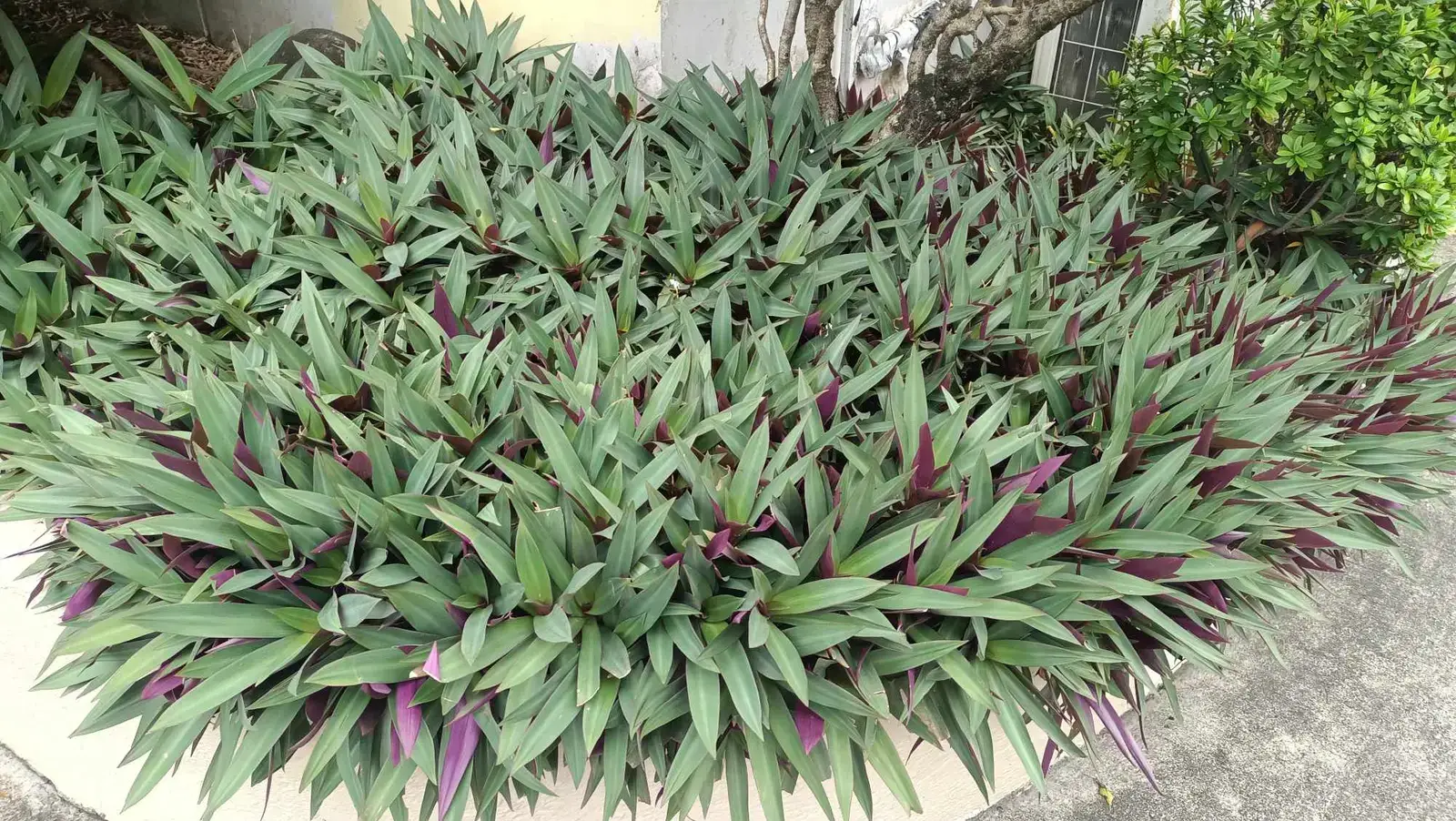
Let’s be real – some of the most beloved houseplants are also some of the most problematic for dogs. Take aloe vera. Although aloe vera is known for its health benefits for humans, it contains saponins, specifically anthraquinone glycosides, and this specific compound when ingested can be mild to moderately toxic to dogs.
Then there’s the wildly popular pothos, also known as devil’s ivy. Pothos contains calcium oxalates that irritate the mouth and digestive system. And peace lilies, those gorgeous white-bloomed plants people adore for their elegance? They contain insoluble calcium oxalate crystals, which can cause severe pain to the mouth, tongue, esophagus, and stomach.
Sago palm is extremely toxic and potentially fatal, causing liver damage even in small amounts. It looks innocent enough, like a miniature tropical tree. Yet ingesting any part of the sago palm can lead to liver failure and, tragically, death. That’s not a risk worth taking.
Recognizing the Warning Signs in Your Dog

One of the hardest parts of plant poisoning is that symptoms don’t always show up immediately. The effects vary depending on the plant, how much was eaten, and the size of your dog. Some reactions are immediate, while others take time to appear. This delay can make it easy to miss the connection between that chewed leaf and your dog’s sudden discomfort.
Dogs can exhibit a variety of symptoms if they ingest a toxic plant, and the severity depends on the type and amount consumed. Common signs of poisoning include vomiting, diarrhea, drooling, muscle tremors, weakness, and lack of coordination. In more severe cases, dogs may have difficulty breathing, an irregular heartbeat, seizures, and even organ failure.
Watch especially for your dog pawing at their face or mouth. Symptoms may include excessive drooling, pawing at the face and mouth, whimpering or crying in discomfort, and occasional vomiting. If your dog suddenly seems “off” and you have plants in the home, trust your instincts and act fast.
Smart Prevention Strategies Every Dog Parent Should Know
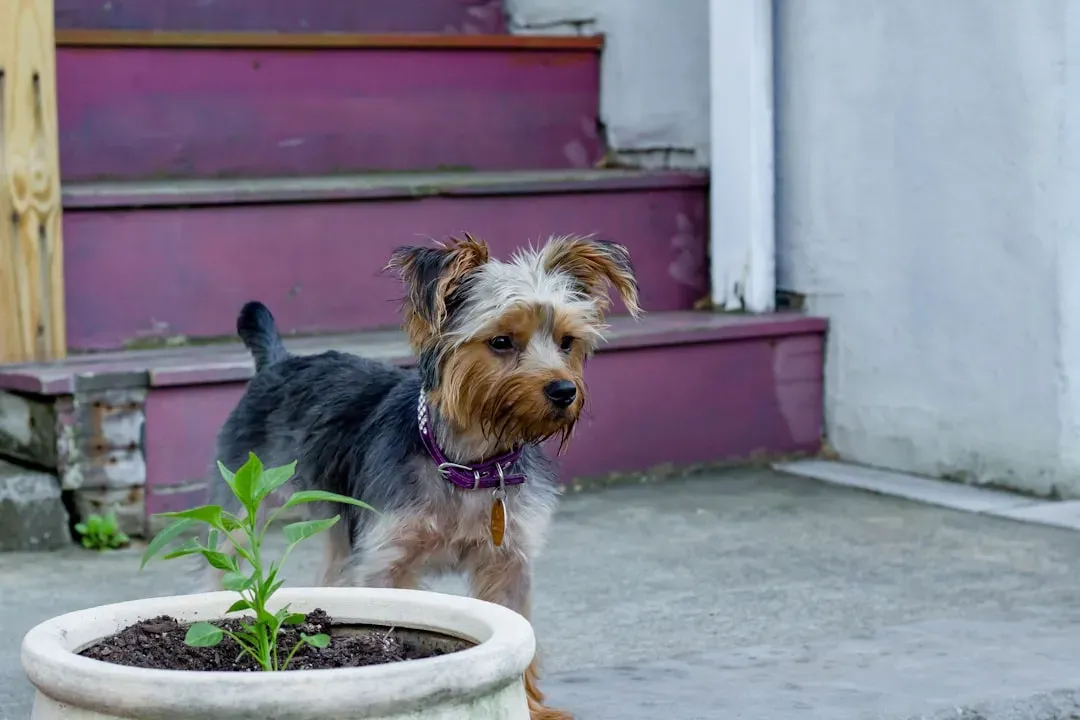
Honestly, the most powerful thing you can do is make smart decisions before a problem ever starts. Do your research before adding any new plant into your home or garden. A little research can go a long way in preventing accidental poisoning. Think of it like reading the label on something before your kid puts it in their mouth – simple, quick, and potentially life-saving.
Use hanging baskets, tall plant stands, or closed rooms to limit access. This is a brilliant middle ground for plant lovers who can’t imagine giving up their green spaces entirely. Teaching your dog the “leave it” cue helps prevent them from interacting with off-limits items, including plants. Use positive reinforcement when they respond correctly.
There are a wide variety of pet-safe houseplants that dog parents may want to consider in place of toxic ones for peace of mind. If you love the look of tulips and daffodils, consider flowers like marigolds, roses, sunflowers, and zinnias, which make for equally lovely alternatives that don’t pose a health risk to dogs. You don’t have to choose between a beautiful home and a safe dog.
What to Do If Your Dog Eats a Toxic Plant
Stay calm. I know that sounds impossible in a panic moment, but your dog picks up on your energy. While this can certainly be a scary situation, it’s in your and your pup’s best interest to be calm and collected. If you act frantic or extremely distressed, it can have an adverse effect on your buddy.
If possible, take a photo of the plant to help your veterinarian identify the toxin and provide the best treatment. This single step can make a huge difference in the speed and accuracy of your dog’s care. Never induce vomiting at home unless your veterinarian has told you to. Making a dog vomit can make them sicker if it’s done incorrectly or under the wrong circumstances.
If you believe your animal is ill or may have ingested a poisonous substance, contact either your local veterinarian or the ASPCA Poison Control’s 24-hour emergency poison hotline at (888) 426-4435. Save that number in your phone right now. Seriously, do it before you even finish reading this.
Conclusion: Love Them Enough to Look Closer

The plants we bring into our homes are chosen with love – to brighten our spaces, calm our minds, and make life feel a little more alive. Our dogs bring us that same joy every single day. It seems only fair that we return the favor by making sure the world we share with them is as safe as it is beautiful.
Dogs don’t instinctively know which plants are dangerous. Because every dog reacts differently, even small exposures can have big consequences. Prevention, supervision, and education are your best defenses.
You don’t need to rip every plant out of your home. You just need to be informed, intentional, and willing to make small adjustments. Your dog trusts you completely with their life – and that’s a responsibility that’s equal parts humbling and beautiful. So take a walk around your home today, look at your plants with fresh eyes, and ask yourself: is this space as safe for my dog as it is lovely for me?
What do you think – did any of these plants surprise you? Share your thoughts in the comments. Your experience might just help another dog lover protect their best friend.


