
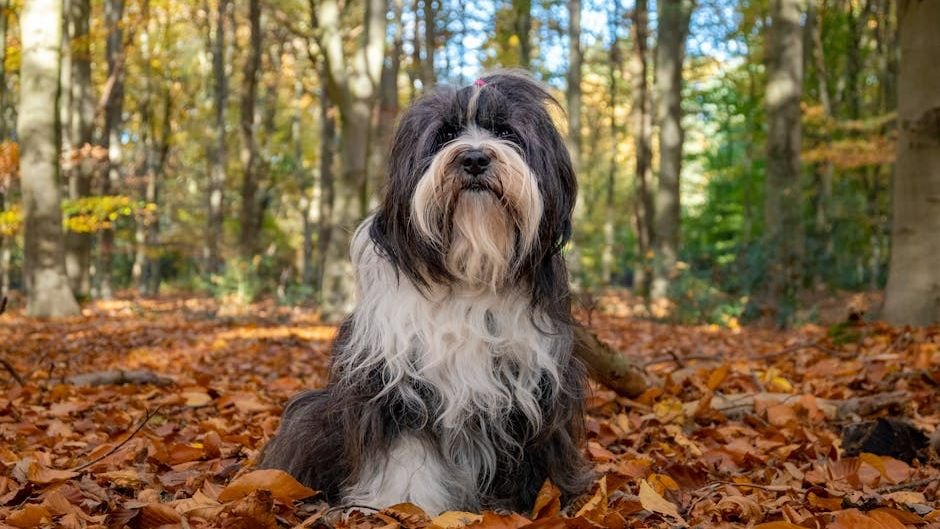
In the rugged heights of Tibet, a shaggy dog emerged over two thousand years ago, cherished by monks for its watchful eyes and loyal heart. This medium-sized companion, with its flowing coat suited to harsh winters, carried a special status in ancient monasteries. Today, the Tibetan Terrier stands as a rare gem in the AKC’s Non-Sporting Group, blending ancient heritage with modern family appeal.[1][2]
Ancient Origins in Tibet’s Lost Valley

The Tibetan Terrier traces its roots to a remote region in Tibet called the Lost Valley, isolated by a 14th-century earthquake. Monks in Buddhist monasteries bred these dogs for nearly two millennia as devoted companions and watchdogs. They assisted with flocks and property, thriving in the feast-or-famine cycles of high-altitude life.[1][3]
These dogs symbolized good fortune, gifted to travelers navigating treacherous mountain paths but never sold. Their role extended beyond guarding to herding and retrieving in rocky terrain. Isolation preserved the breed’s purity until the 20th century.[2]
The ‘Holy Dog of Tibet’ Tradition
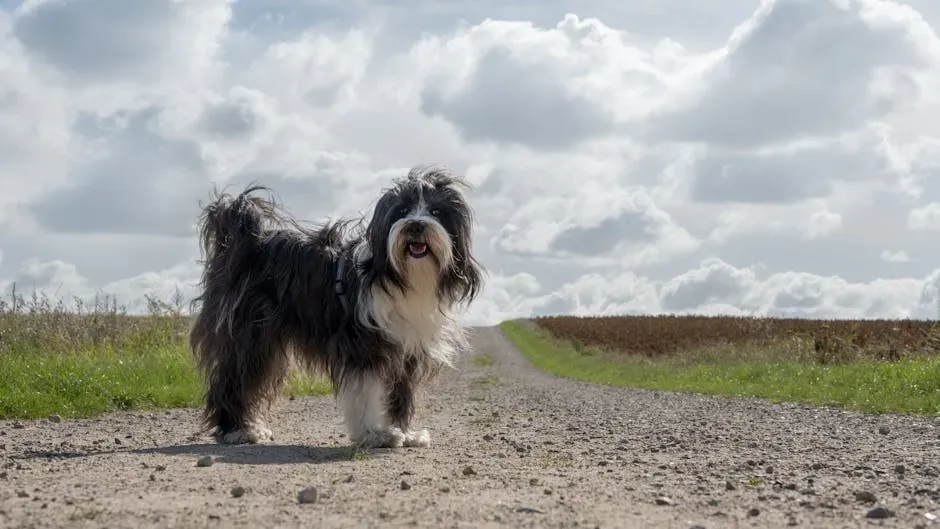
Known as the Holy Dog of Tibet, this breed held sacred status among lamas and families. Mistreating one brought believed bad luck to the entire village. Monks treated them like cherished children, fostering deep bonds.[3][2]
Gifting a puppy sealed friendships or wished prosperity on neighbors. This cultural reverence underscored their role as luck-bringers in spiritual life. The tradition lingers in their devoted nature today.[1]
A Misleading Name: Not a True Terrier
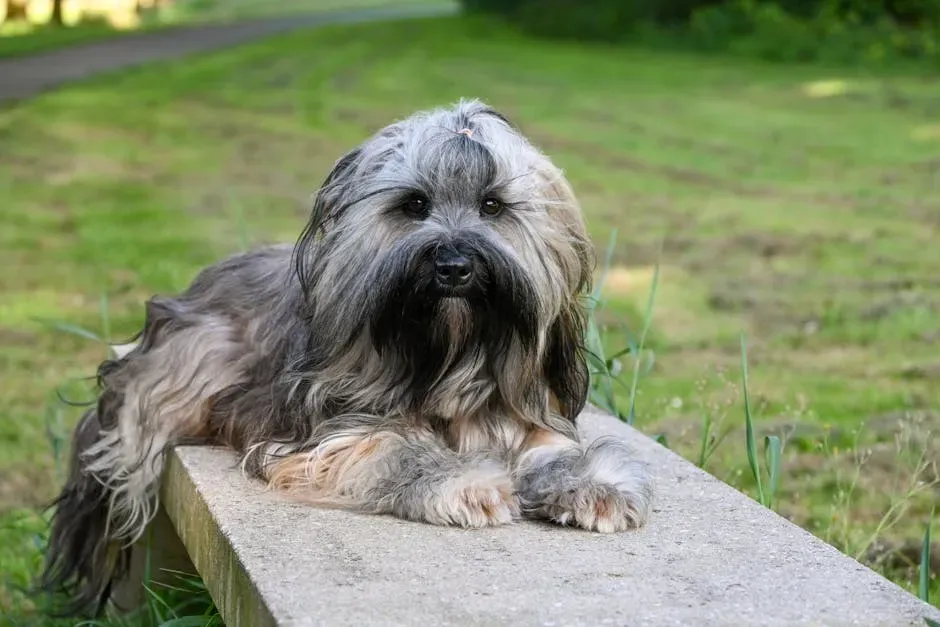
Despite the terrier label, Tibetan Terriers share no bloodline or temperament with hunting terriers. English breeders coined the name in the 1920s due to their compact size. They belong to the AKC Non-Sporting Group alongside Lhasa Apsos and Tibetan Spaniels.[1][2]
Bred for companionship rather than vermin control, they lack the feisty drive of true terriers. This distinction highlights their gentle watchdog heritage. AKC recognized them fully in 1973.[3]
Compact Yet Powerful Build
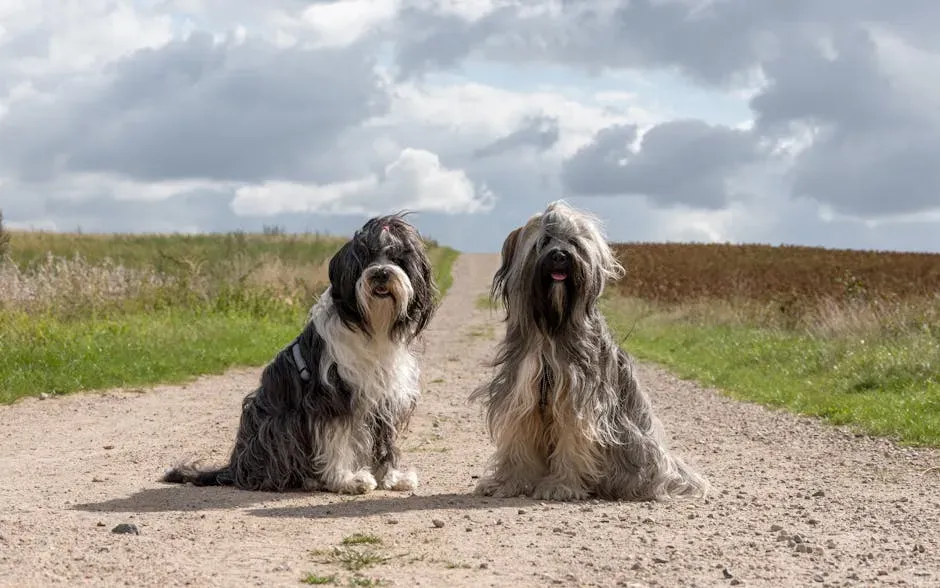
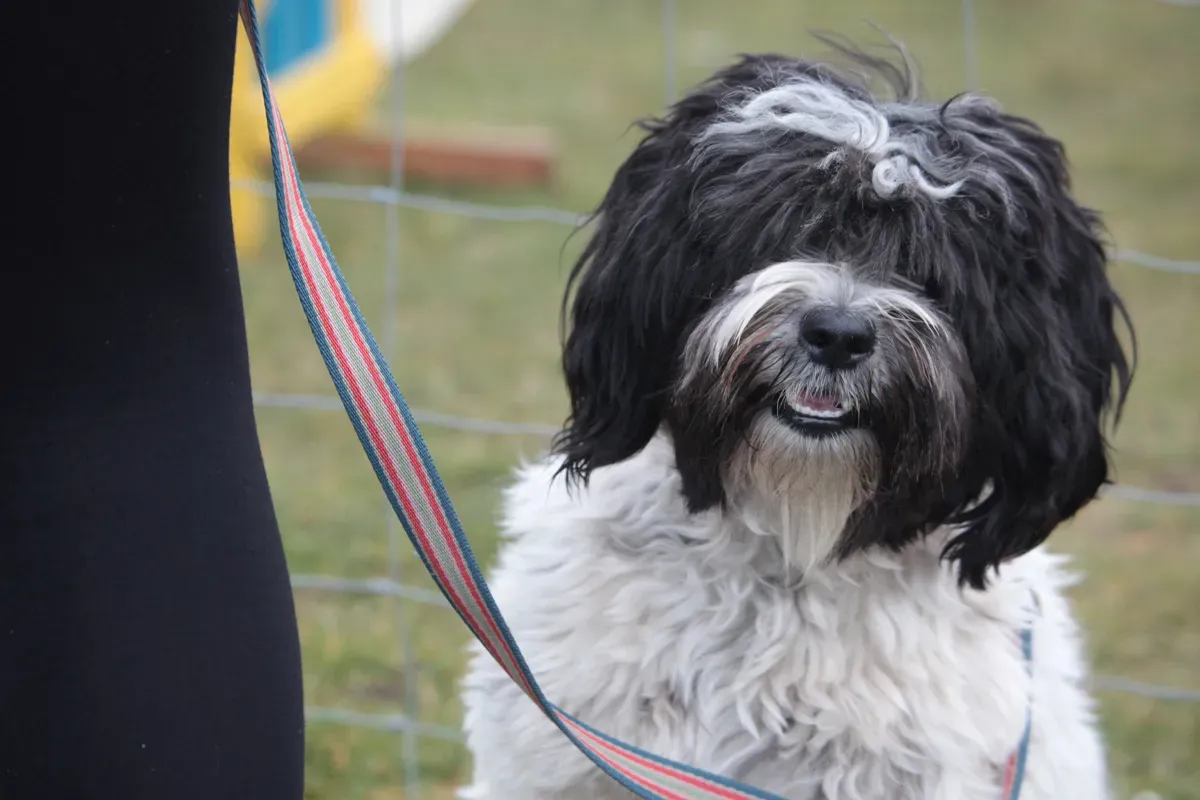
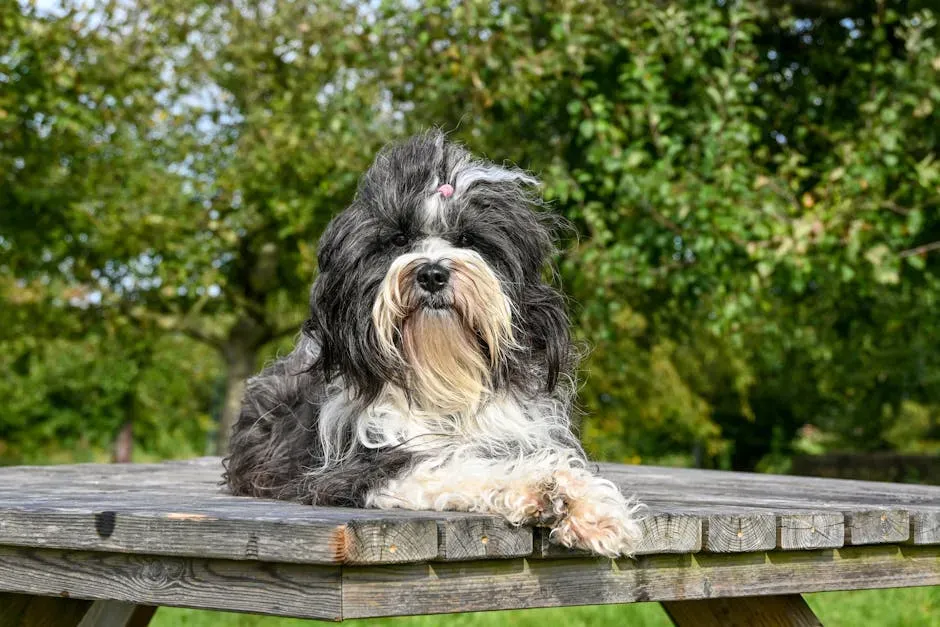
Tibetan Terriers measure 14 to 17 inches tall at the shoulder, with males weighing 18 to 30 pounds and females slightly less. Their square-proportioned body offers strength and balance for agility. A profuse double coat gives them a plush, square appearance.[1][4]
Colors range across solids like black, white, and gold, plus striking bi-colors. The coat falls naturally over expressive dark eyes and a bearded muzzle. This sturdy frame suits both hikes and home life.[2]
Expect a lifespan of 15 to 16 years with proper care. They age gracefully, maintaining vitality into senior years.
Snowshoe Feet Built for Mountains
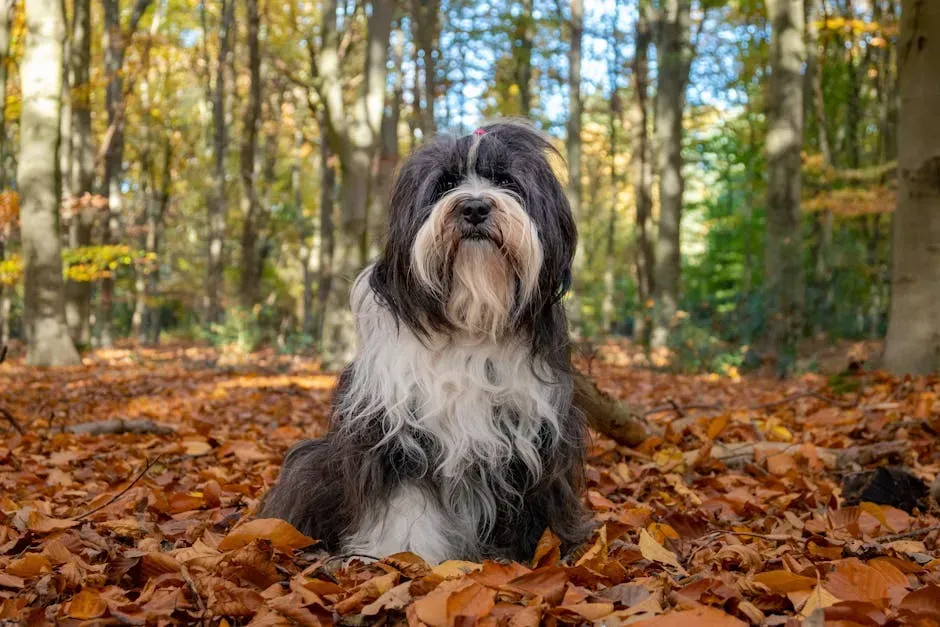
Large, flat feet with thick pads and webbing create a snowshoe effect, ideal for snowy slopes and rocky climbs. These adaptations allowed sure-footed navigation in Tibet’s harsh terrain. Hair between toes adds insulation and traction.[1]
Athletic leapers, they excel in agility sports today. Trim hair for hygiene, but preserve the natural structure. Such feet make them versatile adventurers.[2]
Gentle and Sensitive Temperament
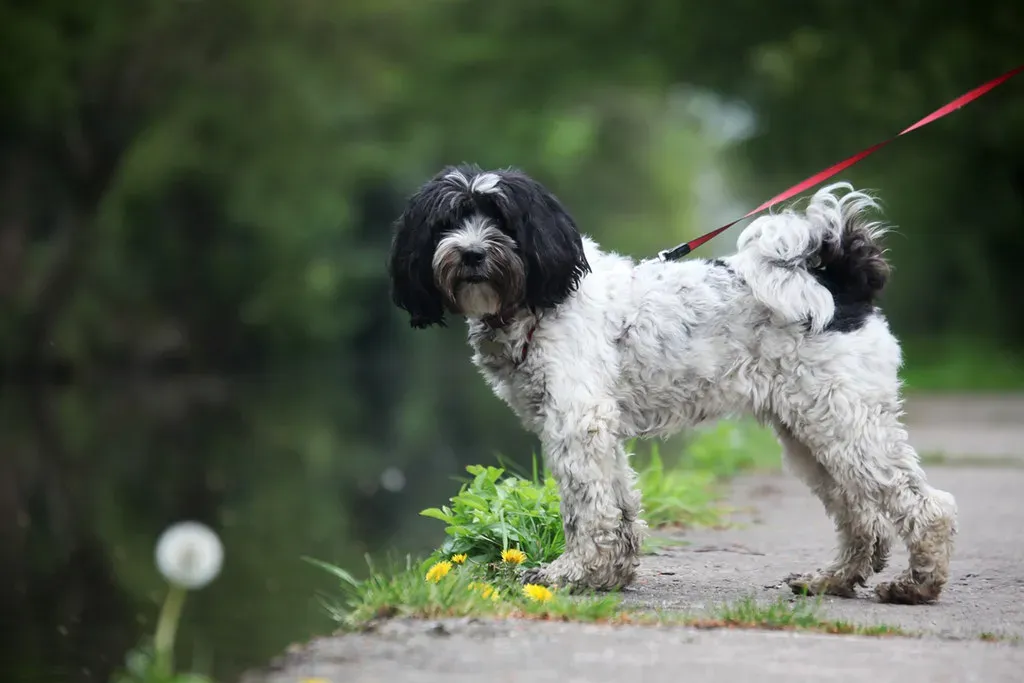
Affectionate and loyal, Tibetan Terriers form strong family bonds while remaining reserved with strangers. Sensitive souls, they pick up on moods and respond to gentle handling. Playful yet independent, they enjoy mental challenges.[1]
Vigilant barkers alert to activity without excess noise. Early socialization builds confidence around kids and pets. Their cleverness shines in cooperative training.[4]
Grooming the Signature Coat
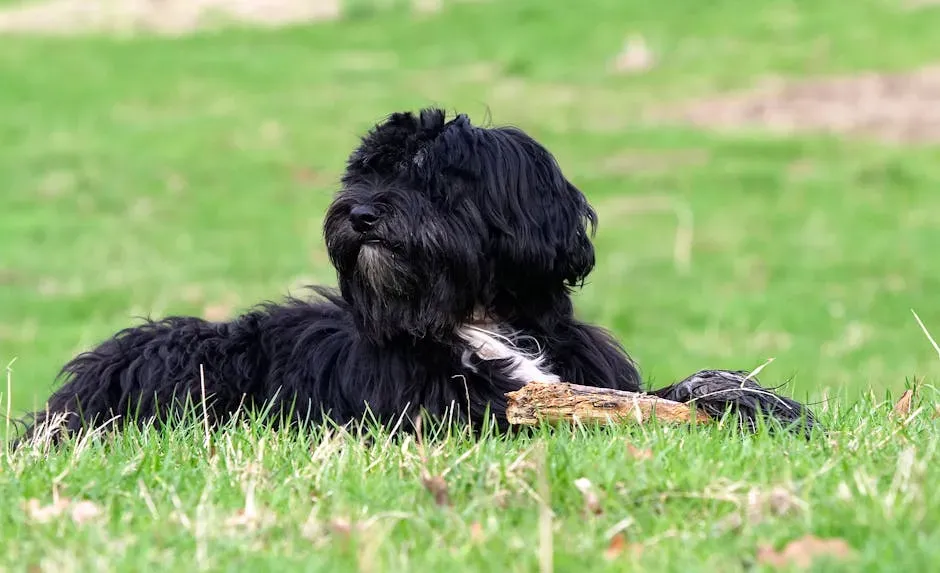
The double coat features a soft woolly underlayer and fine, long topcoat that insulates against cold. Brush several times weekly to prevent mats, especially in longer furnishings. Many owners opt for a practical puppy clip.[1]
Bathe as needed, focusing on face and feet for cleanliness. Regular trims strengthen owner-dog ties and health checks. Low shedding keeps homes tidy.[4]
Moderate Exercise and Smart Training
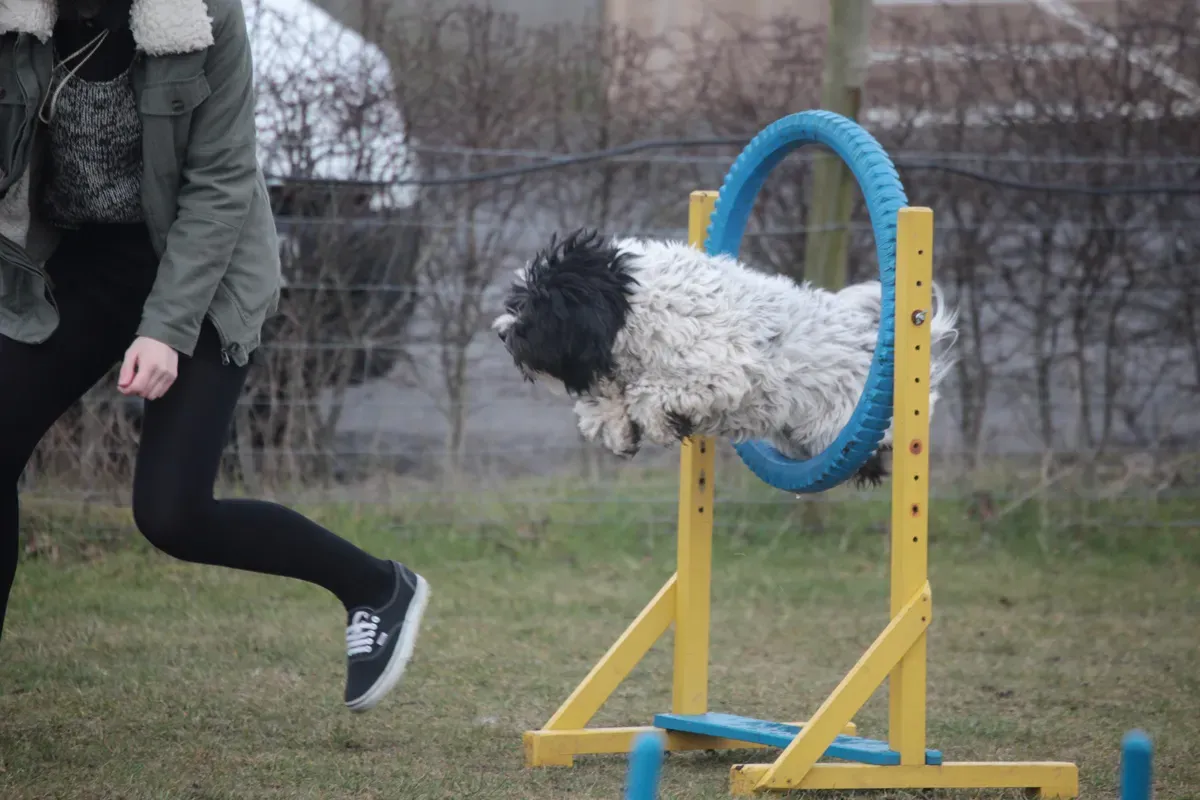
Daily walks and play sessions meet their energy needs, from neighborhood strolls to mountain trails. Mental stimulation through puzzle toys or agility prevents boredom. They thrive on routine and positive reinforcement.[1]
Quick learners, they resist harsh methods but excel with clicker training. Obedience, rally, and nose work suit their agile minds. Consistency builds mutual respect.[3]
Health Considerations for Longevity
Generally hardy, Tibetan Terriers benefit from health screenings for hips, patellas, eyes, and genetic issues like PRA. Responsible breeders test for NCL and lens luxation. Mature spay or neuter timing supports joint health.[1]
Watch for allergies, thyroid problems, or dental care in later years. Lean diets mimic ancestral habits for vitality. Routine vet visits ensure their long lives.[4]
From Monasteries to Modern Homes
Dr. Agnes Greig brought the first to England in 1922 after saving a life in India, sparking Western breeding. The breed reached America in 1956, gaining AKC status by 1973. Today, they rank around 118th in popularity, cherished as companions.[2][3]
Versatile in homes, they guard quietly and play with gusto. Families value their adaptability and warmth. A living link to Tibet’s spiritual past endures.[1]
Why the Tibetan Terrier Endures

This breed offers timeless appeal through loyalty, resilience, and quiet charm. From Himalayan sentinels to cozy lap warmers, they adapt without losing essence. Choosing one means welcoming history into daily life.
Their story reminds us that true companions transcend time and place. A Tibetan Terrier brings not just a pet, but a whisper of ancient mountains.


