

There is something quietly extraordinary about the sound of a wolf howling in the mountains of the American Southwest. For decades, that sound was completely absent, a silence left behind by systematic eradication. The Mexican gray wolf, the lobo, was hunted, poisoned, and trapped into oblivion, and then, against all odds, slowly coaxed back into existence.
Today, a fragile but growing population walks those same landscapes again. The numbers are climbing, conservation programs are active, and on the surface it sounds like a success story. Scratch beneath that surface, though, and what you find is far more complicated, and far more urgent. Let’s dive in.
A Milestone in the Mountains: 319 Wolves and 10 Years of Growth
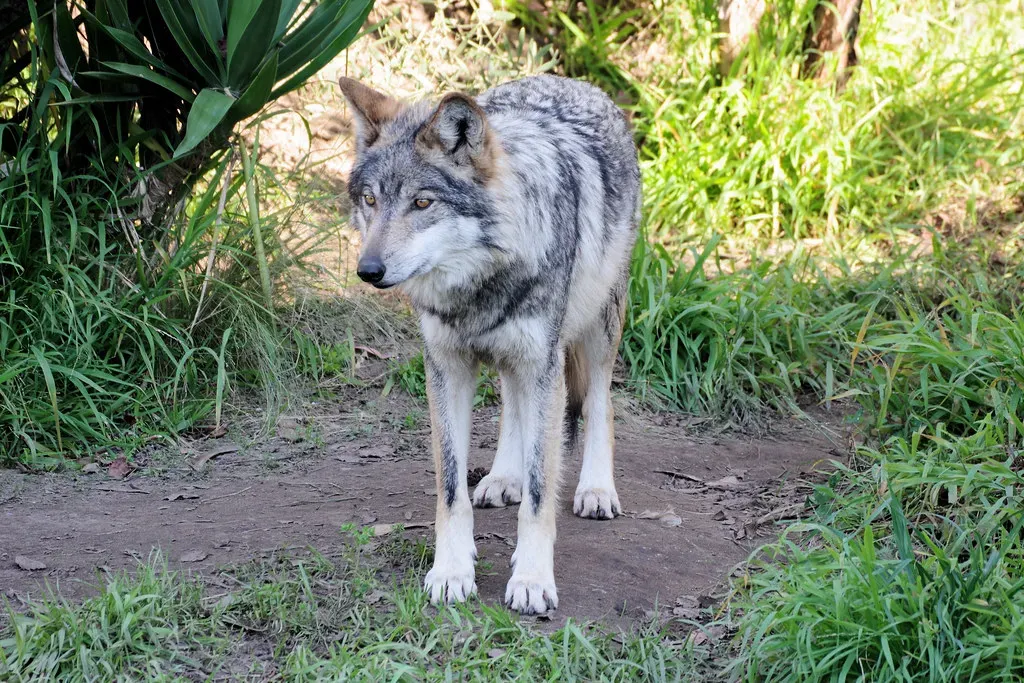
The Arizona and New Mexico wildlife agencies jointly announced that the number of endangered Mexican gray wolves in the Southwest grew by 33 last year, reaching 319 in 2025 from 286 in 2024. That is not a small thing. Think about what it means to go from zero wild wolves in the United States to over three hundred living, breeding, roaming animals in a matter of decades.
The most recent count marks ten consecutive years of population growth, and over the past decade the number of endangered wolves observed in the wild has more than tripled. Honestly, that trajectory is something worth pausing on. For a species that was once considered functionally extinct in the wild, ten straight years of growth is remarkable by any standard.
From Extinction’s Edge: The History of the Lobo
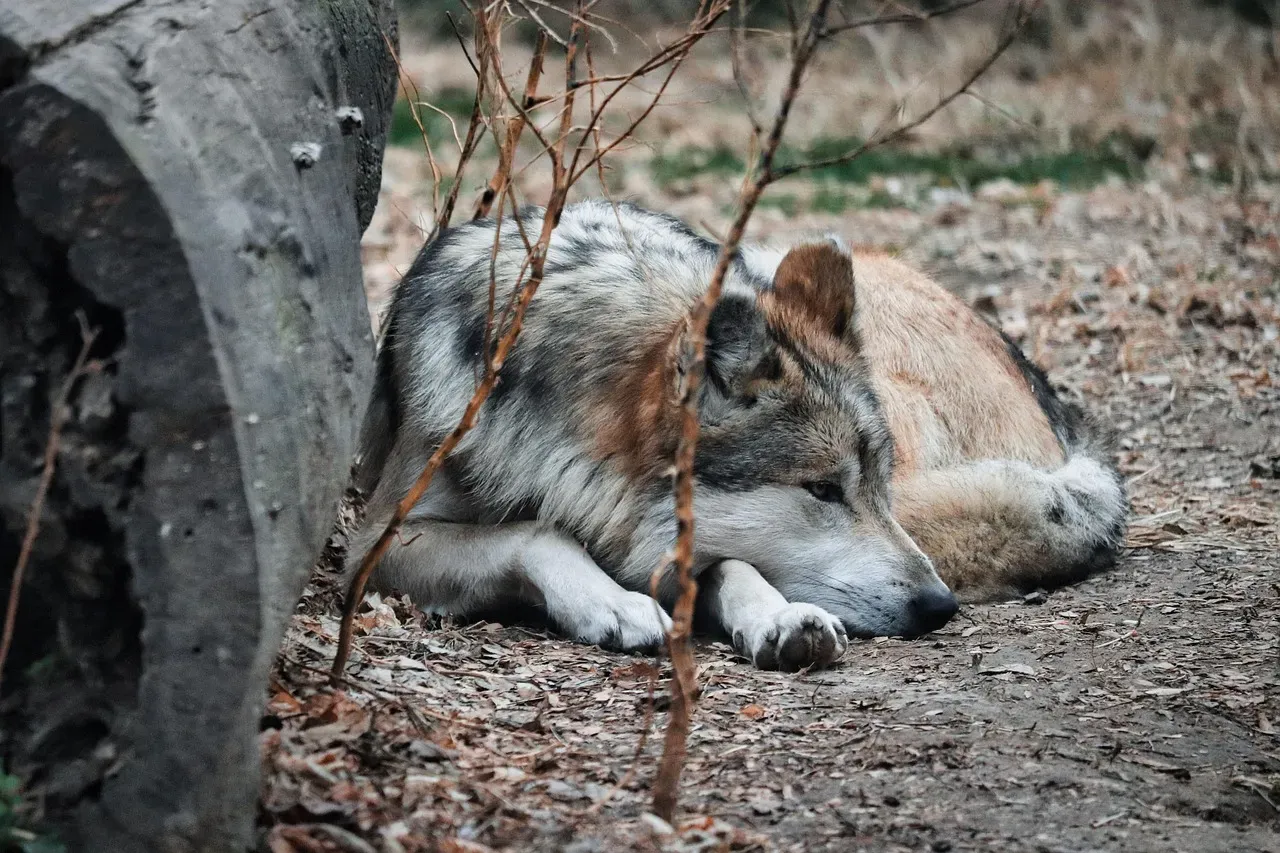
The Mexican gray wolf, known scientifically as Canis lupus baileyi or simply “lobo,” is the most genetically distinct lineage of gray wolves in the Western Hemisphere, and one of the most endangered mammals in North America. That distinction matters. This is not just another wolf population. It is an entirely unique subspecies with its own evolutionary history.
Mexican wolves were common throughout their range in the mid-1800s, but high cattle stocking rates and low populations of native prey caused many wolves to prey on livestock, which led to intensive efforts to eradicate them. Wolves were trapped, shot, and poisoned by both private individuals and government agents. By the mid-1900s, Mexican wolves had been effectively eliminated from the United States. The Mexican wolf was listed as an endangered species in May 1976 and was considered extinct in the wild until their reintroduction in 1998.
Three wild wolves captured in Mexico in the late 1970s, along with four additional captive Mexican gray wolves from the Aragon and Ghost Ranch lineages, became the founding population of just seven wolves for all subsequent reintroduction and captive breeding efforts. Seven. The entire wild population alive today traces its lineage back to just seven survivors. That bottleneck has consequences that continue to haunt the species right now, in 2026.
The Numbers Game: Why 319 Is Not Enough
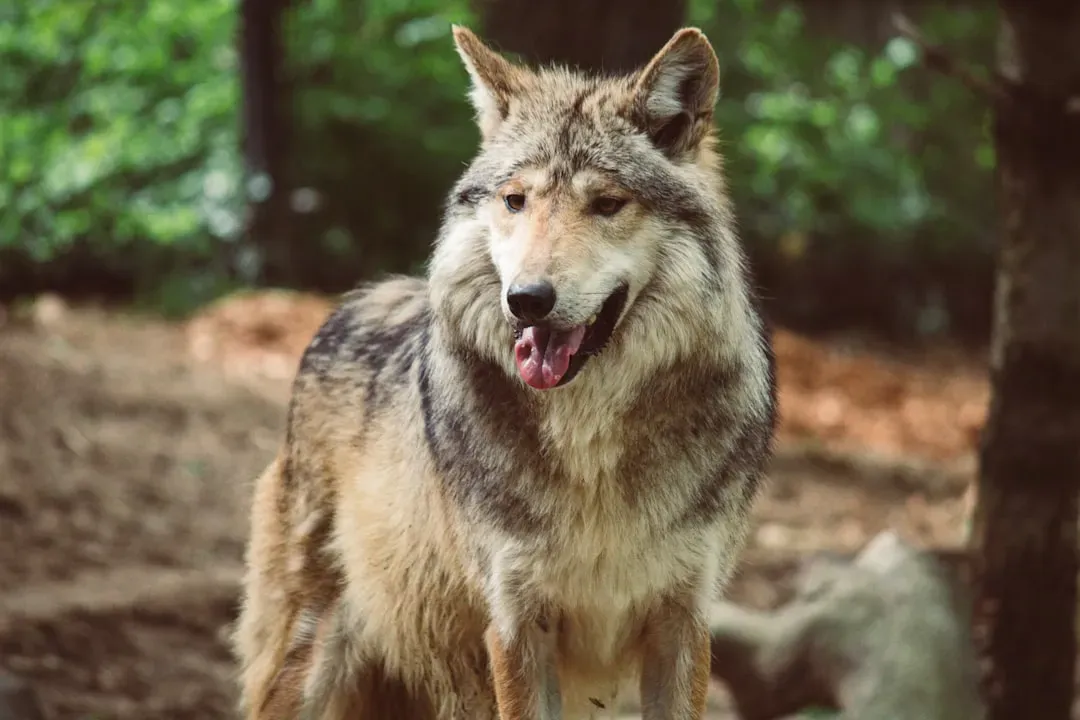
The count of 319 in Arizona and New Mexico at the end of 2025 is just shy of the average of 320 needed to downlist the species from endangered to threatened, and that average needs to be sustained over a four-year period to trigger the reclassification. So the wolves are essentially one individual below the threshold that could change their legal status. One wolf. That is how precarious this situation truly is.
Downlisting the species would allow for what agencies call “greater management flexibility,” which in practice means it would become easier for wildlife agencies and livestock producers to kill Mexican wolves. Here is the deeply ironic twist in all of this: the closer wolves get to recovery, the more they are at risk of having their protections stripped away. It is a cruel paradox, and one that conservation groups are fighting urgently to address.
The Genetic Crisis Hiding Inside the Population Count
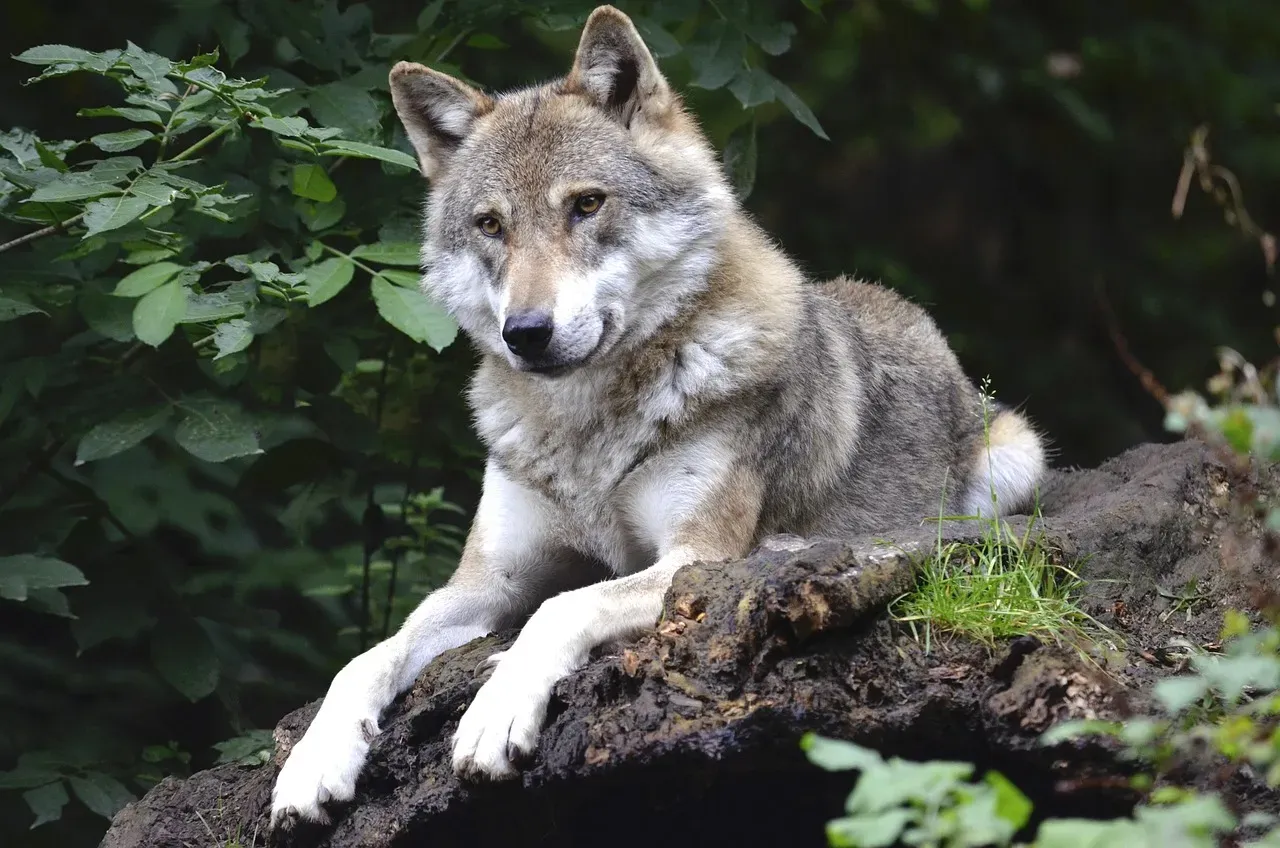
Federal and state wolf killings for the livestock industry are shrinking the genetic heritage bequeathed by just seven founding wolves spared from destruction decades ago. These killings include last year’s removal of three genetically valuable wolves, one a nursing mother and the other two mere pups, all from different packs. The numbers going up means very little if the genetic fabric of the population is quietly unraveling at the same time.
The southwestern wolf gene pool now retains less than a third of the genetic diversity passed down from those seven founding wolves. Inbreeding is worsening not just because of agency killings but also through the ongoing failure to adequately transfer genetic diversity from captive wolves to the wild population. The captive population retains roughly a third more genetic diversity than the wild population. That gap is staggering, and it represents a massive missed opportunity for recovery.
When experts have employed family pack releases, about two thirds of adult pairs survived and raised additional pups born in the wild. In contrast, the practice that began in 2016 of taking captive-born pups from their parents and releasing them into wild wolves’ dens has resulted in nearly four out of every five pups simply disappearing. The failure rate of that method is almost impossible to overlook, yet it has persisted for years.
Killings, Kill Orders, and Political Pressure
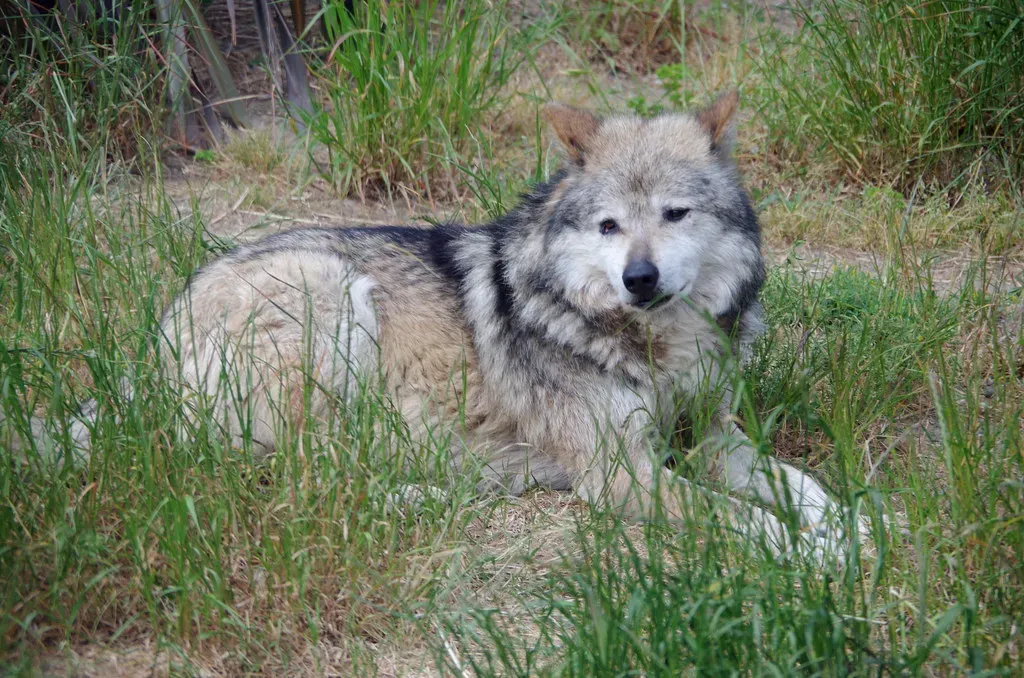
Since President Trump’s return to office, the Fish and Wildlife Service has ramped up removals with state support. These include the mistaken identity shooting of a likely pregnant, genetically valuable matriarch of the Bear Canyon pack in the Apache National Forest, and the killing of the father wolf of the Hail Canyon pack on a severely grazed allotment in the Gila National Forest. These are not abstract statistics. They are breeding adults, irreplaceable genetic contributors, eliminated one by one.
A newly revealed U.S. Fish and Wildlife Service document allows Catron County ranchers to kill any one endangered Mexican gray wolf who happens to be in the area of two grazing allotments near Quemado, New Mexico. The permit does not identify which wolf the ranchers can shoot, nor does it specify what livestock was lost to wolves preceding the kill authorization. Let that sink in. A kill order with no specific target and no required proof of loss. That is the current state of wolf protection in parts of the Southwest.
In 2024 alone, 17 wolves were hit by vehicles or killed illegally. Mexican gray wolves are routinely targeted by illegal killings, many of which go unpunished, and such poaching is often undetected, not only representing a direct threat to wolf recovery but also enabled by a broader system that favors livestock interests over wildlife protection. The combination of legal kill orders and unpunished illegal killings creates a deeply hostile environment for a species still clinging to survival.
Legislative Threats and the Fight for the Future
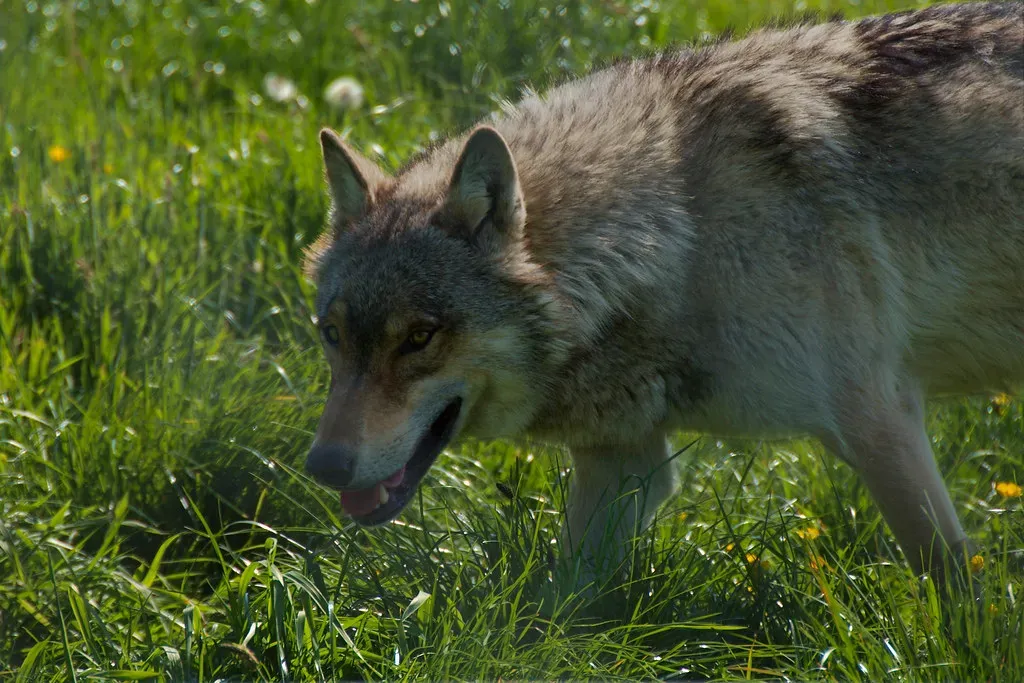
Two Republican-led pieces of legislation, the “Pet and Livestock Protection Act” introduced by U.S. Rep. Lauren Boebert of Colorado and the “Enhancing Safety for Animals Act of 2025” authored by U.S. Rep. Paul Gosar of Arizona, would essentially do the same thing: delist the Mexican gray wolf from the Endangered Species Act. Both bills frame livestock interests as the central concern, but conservationists see them as something far more alarming.
Removing Endangered Species Act protection would stop releases of wolves from captivity to diversify the gene pool, end federal investigations into possible wolf predation on livestock, reduce federal funding that supports compensation for livestock losses, shut down monitoring of the wolves, and remove federal prohibitions on killing them. In other words, delisting would not just change the wolves’ legal status. It would dismantle the entire scaffolding that recovery depends on.
One bill passed by the Arizona House of Representatives would allow the animals to be hunted for sport or killed in defense of property, and another awaiting a House vote would bar state officials from participating in the reintroduction program, except for the part that compensates ranchers for livestock losses. Conservationists say such bills are part of a campaign by the livestock industry to legislate the subspecies out of existence. Whether or not you agree with that framing, the legislative momentum is real and it is accelerating.
Conclusion: A Recovery Story That Could Still Go Either Way
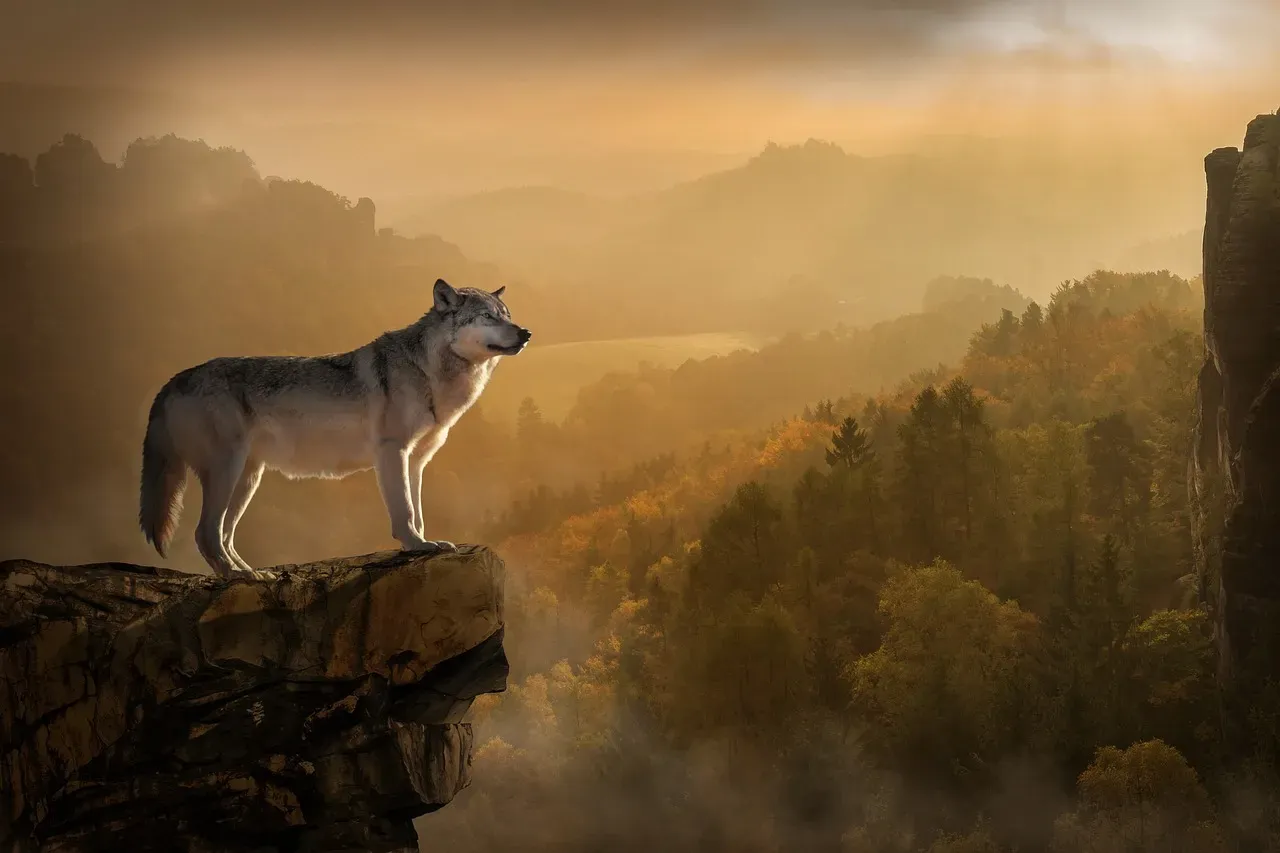
Here is the honest truth: 319 Mexican gray wolves is a number that should fill us with both cautious hope and urgent alarm. Hope, because not long ago there were zero. Alarm, because the forces working against these animals, political, economic, and biological, have never been more organized or more emboldened.
I think what makes this story so particularly painful is that the science is clear. Even as the number of Mexican wolves rises, scientists say the threats facing their genetic health are actually moving the species further away from recovery. Population numbers and population health are two completely different things, and right now one is going up while the other quietly deteriorates.
The Mexican gray wolf’s survival depends on allowing these highly intelligent animals to reclaim their ancestral territories without arbitrary boundaries or death sentences. A species that was brought back from seven individuals deserves better than a system that celebrates its growth in one press release while signing kill orders in another. The lobo howled again in the Southwest mountains. Whether we let that sound continue is a choice we are making right now.
What will it say about us if we bring a species back from the edge of extinction, only to push it there again? Tell us your thoughts in the comments.


