
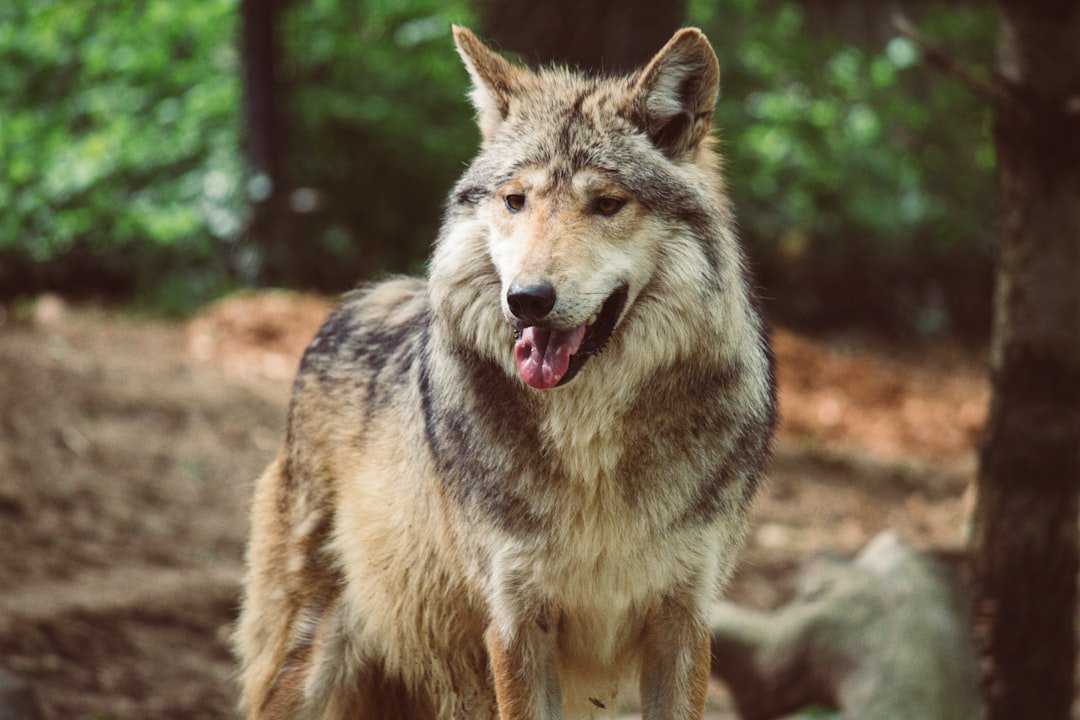
Arizona and New Mexico – Wildlife agencies documented a minimum of 319 endangered Mexican gray wolves in the wild at the end of 2025, marking a significant increase from the previous year’s tally.[1][2] This growth of 33 wolves from 286 continues a trend of steady recovery for the subspecies, once on the brink of extinction.[3] The achievement highlights decades of conservation efforts amid ongoing challenges in their southwestern habitat.
Steady Climb Continues for a Decade
The latest survey results represent the tenth consecutive year of population growth for Mexican wolves.[3] Agencies including the U.S. Fish and Wildlife Service, Arizona Game and Fish Department, and New Mexico Department of Game and Fish conducted the annual count through the Mexican Wolf Interagency Field Team.[2] Field teams tracked wolves using radio collars, aerial surveys, and ground observations to confirm the minimum population.
Efforts began in the 1990s with reintroductions from captive breeding programs, starting from just a handful of founders.[1] The population has expanded from four wolves in 1998 to the current 319, demonstrating resilience in the face of historical eradication.[2] This progress underscores the effectiveness of targeted management strategies.
Key Statistics from the 2025 Survey
The minimum count stood at 319 wolves, with 143 in Arizona and 176 in New Mexico.[2] In New Mexico alone, officials noted 23 breeding pairs, along with documentation of 106 pups born and 64 surviving to year’s end.[2]
| Year | Total Minimum Population | Arizona | New Mexico |
|---|---|---|---|
| 2024 | 286 | Not specified | Not specified |
| 2025 | 319 | 143 | 176 |
These figures reflect a 12 percent increase over the prior year, building momentum toward recovery benchmarks.[1] Pup recruitment rates indicate healthy reproduction in monitored areas.
Distribution and Habitat Expansion
Wolves occupied territories across both states, with packs forming in diverse landscapes from mountains to deserts.[3] The higher count in New Mexico suggests successful dispersal and pack establishment there.
- Arizona hosted 143 individuals, supporting ongoing recovery in core areas.
- New Mexico saw 176 wolves, including robust breeding activity.
- Radio-collared wolves aided in mapping packs and lone individuals.
- Pup fostering from captive sources contributed to genetic integration.
- Translocations helped balance distribution and reduce inbreeding risks.
Conservationists noted that expanded monitoring covers a broader range, capturing more dispersed wolves accurately.[1]
Persistent Challenges Temper Optimism
Despite numerical gains, experts highlighted concerns over genetic diversity, which has declined due to human-caused mortality.[1] Livestock depredations led to removals, impacting valuable bloodlines from the original seven founders.
Calls grew for improved release methods, favoring bonded family groups over individual pup fostering to boost survival rates.[1] The wild population retains less genetic variation than captives, raising long-term viability questions. Habitat connectivity and conflict mitigation remain priorities as numbers rise.
- Population hit 319, up 33 from 286 – a decade of growth.
- Breeding pairs and pup survival show reproduction success.
- Genetic health and management need attention for sustained recovery.
This milestone brings Mexican wolves closer to recovery plan thresholds, such as an eight-year average of 320 individuals and sufficient captive-born breeders.[3] Yet true success depends on addressing threats holistically. What do you think about the future for these wolves? Tell us in the comments.


