
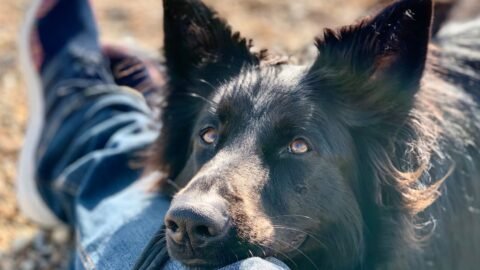
You catch your dog’s eye across the room and feel that familiar surge of love. Your first instinct? To wrap them in a big, tight hug. It feels natural, right? After all, that’s how we humans show the people we love just how much they mean to us. Here’s the thing though. What feels like the ultimate expression of affection to us might actually be making our dogs a bit uncomfortable. I know, it sounds crazy. Honestly, I was skeptical when I first heard this too.
Recent research has shown something that might surprise you. The truth is, while we mean well, our four-legged friends often experience hugs differently than we intend. They have their own beautiful language of love, one that doesn’t always match up with ours. So let’s dive in and explore what science tells us about hugs and, more importantly, discover the incredible ways dogs truly communicate their devotion to us.
Why Hugs Can Stress Dogs Out
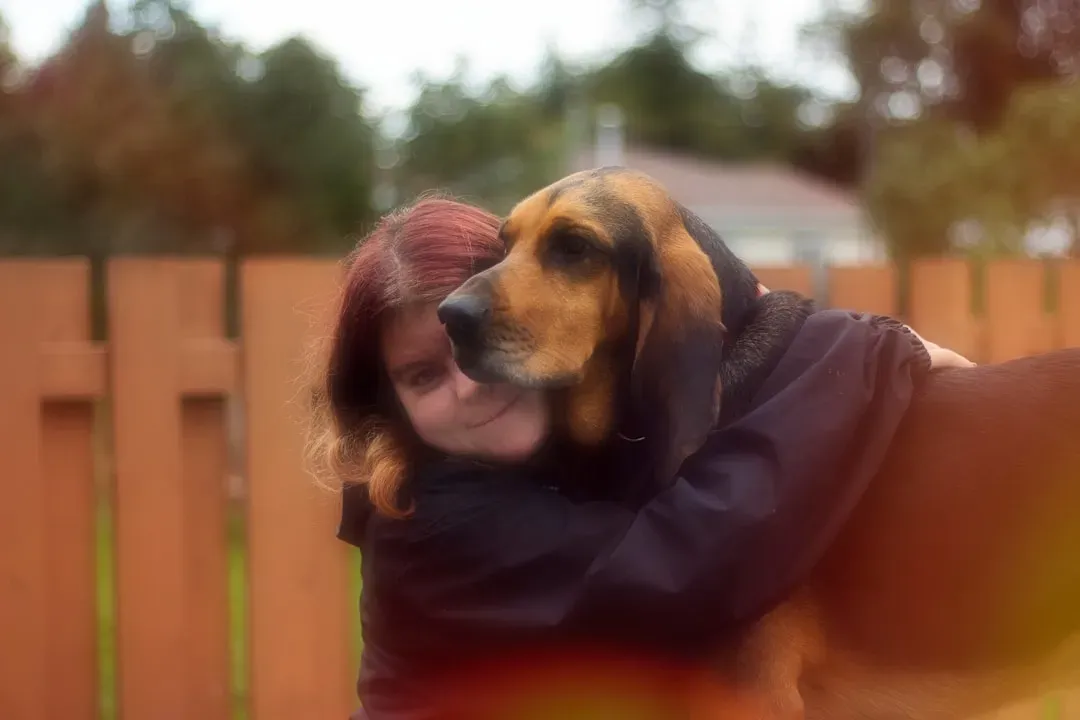
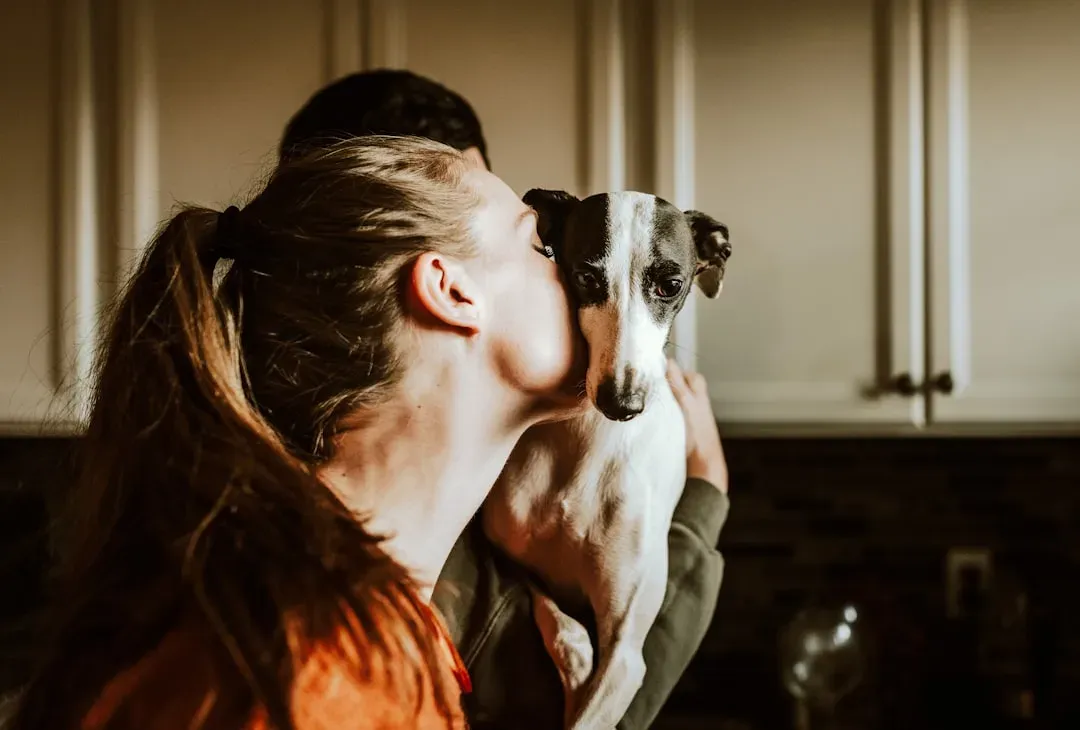
One study of 250 photographs of people hugging their dogs found that 82% showed at least one sign of stress. Let that sink in for a moment. The vast majority of dogs weren’t enjoying those supposedly loving embraces. When researchers analyzed videos of hugging interactions, they found that 68 percent of dogs avoided eye contact and turned their heads, 44 percent licked their lips or nose, 60 percent flattened their eyes, and 81 percent blinked.
Dogs are technically cursorial animals, which means that they are designed for swift running. That implies that in times of stress or threat the first line of defense that a dog uses is not his teeth, but rather his ability to run away. Behaviorists believe that depriving a dog of that course of action by immobilizing him with a hug can increase his stress level. Think about it from their perspective. When we wrap our arms around them, we’re essentially trapping them in place. Even if there’s no real danger, their instincts are telling them they can’t escape if they need to.
This may be why hugs are so stressful for dogs; when they’re restrained, they’re deprived of their ability to defend themselves by running away if a threat occurs.
Reading the Signs Your Dog Is Uncomfortable
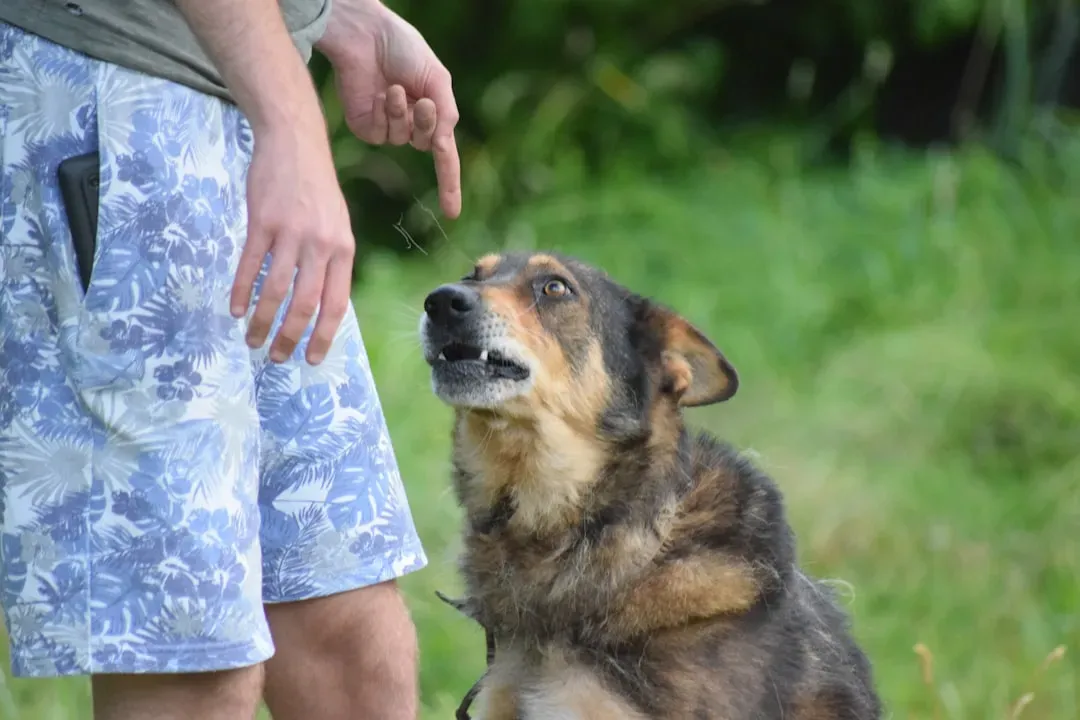
Most of us completely miss the subtle signals our dogs give us. Common signs of distress included “half-moon eyes,” a lowered tail, lip-licking, and attempts to turn away from the person hugging them. These aren’t dramatic reactions. Your dog isn’t necessarily growling or trying to bite. They’re communicating discomfort in quieter ways.
Watch for whale eye, where you can see the whites of your dog’s eyes because they’re turning their head but still trying to look at you. Notice if their ears flatten against their head or if they suddenly start yawning when you reach for them. Licking lips and yawning can be a subtle stress sign that dogs use to communicate their discomfort.
Although the odd dog doesn’t seem to mind, most dogs display stress signals when hugged, and their owners are oblivious. Here’s where we need to do better. The stiffening of their body, the turning away of their head, these are polite ways of saying they’d prefer we show love differently.
How Dogs Actually Show They Love You
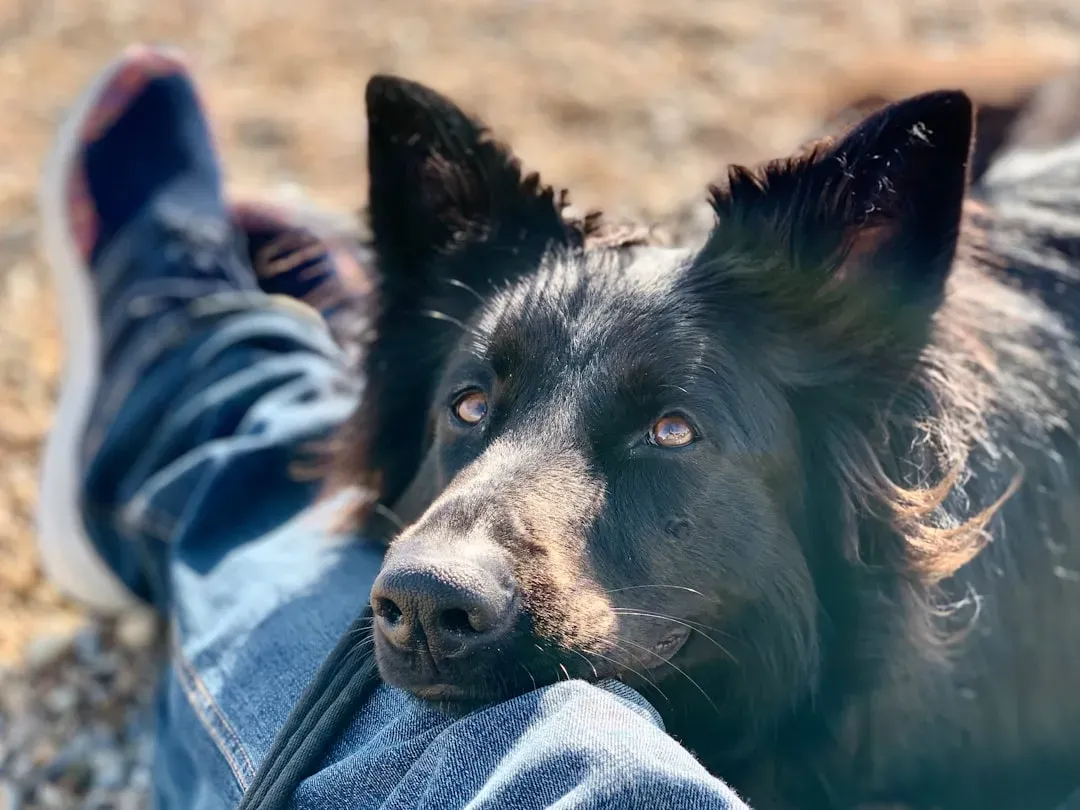
Now for the good stuff. Dogs are constantly telling us they love us, just not with hugs. When a dog leans on you, it’s a sign of affection and trust. By leaning on you, your dog is saying, “I feel safe and secure with you.” That full-body lean, where they press their entire weight against your leg? That’s their version of a hug, and they’re initiating it on their terms.
Eye contact is an intimate and for many dogs, it’s a display of trust and affection. Research has found that when we gaze lovingly into our dogs’ eyes, they both understand and return the affection. Dogs and humans both release oxytocin, a feel-good hormone, when they look into each other’s eyes. Those soft, gentle gazes aren’t just cute. They’re genuine expressions of love.
When dogs lean their full weight against you, it signifies complete trust. This means your dog sees you as a protector. Your dog may do this for comfort, but when they lean against you, it is the equivalent of a full-body hug. Dogs also show affection through the infamous zoomies, bringing you their favorite toys, or following you from room to room. When a dog brings you a broken toy, they’re handing over something precious because they trust you to help. That’s love and teamwork.
Better Ways to Show Physical Affection
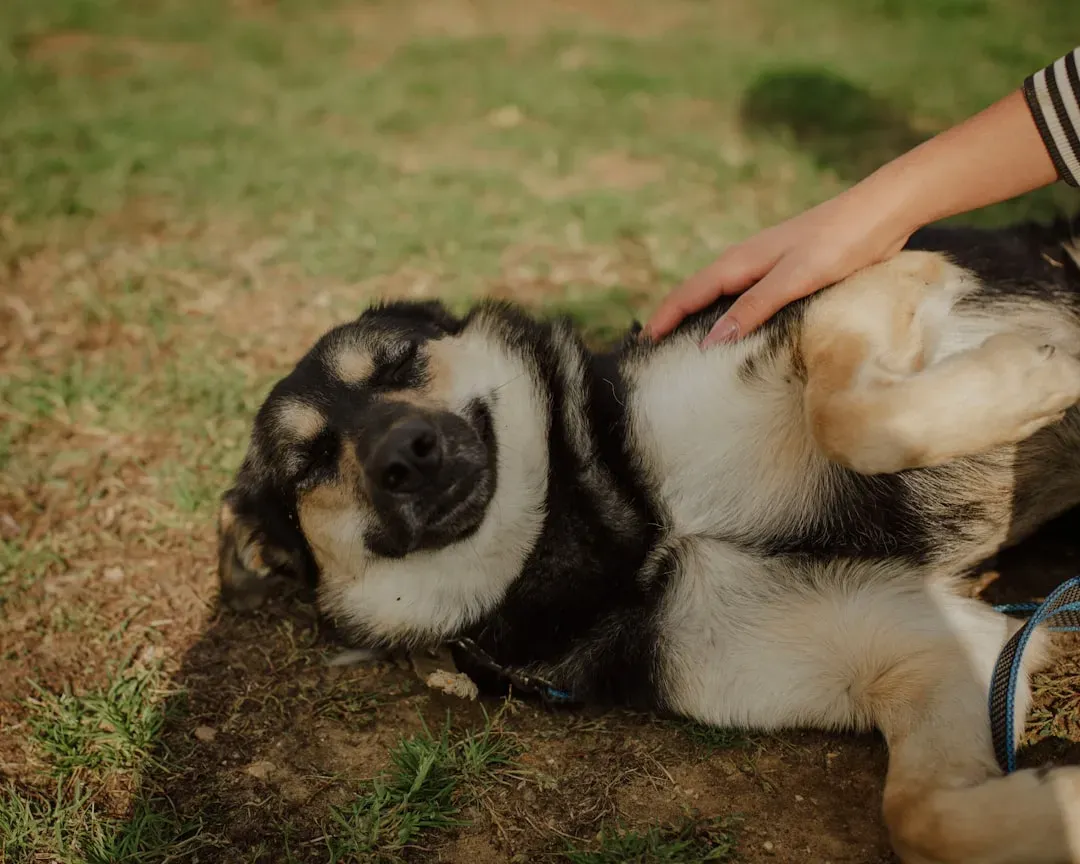
So if hugging is out, what can we do? Plenty, actually. Most dogs enjoy gentle chin and chest rubs. These areas are less invasive than a full hug. Many dogs love belly rubs when they are lying on their back, exposing their belly to you. This is a sign of trust and comfort.
Let your dog come to you for affection rather than forcing it on them. Get down to their level and offer gentle pets on their chest or under their chin. Pay attention to what your individual dog prefers. Some dogs melt at a good scratch behind the ears, while others would rather play fetch than receive any petting at all.
Petting, stroking, and gentle massages can convey love and comfort to dogs. Pay attention to your dog’s body language to ensure they enjoy the physical contact. Quality time matters more than the specific physical gesture. Going for walks, playing games they love, or simply sitting together while you work, these all communicate love in ways dogs understand. The key is respecting their boundaries and watching for their signals that they’re enjoying the interaction.
Building Trust Through Canine Language
Learning to speak your dog’s language transforms your relationship. The key to fostering a healthy and mutually rewarding relationship with dogs lies in respecting their boundaries, observing their body language, and tailoring our interactions to their individual needs and preferences. By doing so, we can ensure that our connections with dogs are based on trust, understanding, and genuine care.
When you respect that your dog might not want a hug but happily accepts a gentle chest rub, you’re acknowledging their preferences matter. Respecting your dog’s preferences shows true love that listens, adapts, and gives space when and where it is needed. This isn’t about loving your dog less. It’s about loving them better, in ways that make them feel safe and understood.
“The hormone oxytocin is released (in both dogs and people) when they interact/have contact with someone they like,” which helps cement and increase the bond we share. The beautiful thing is that we can still get all those bonding benefits through interactions our dogs actually enjoy. Watch how your dog’s tail wags differently when they’re truly happy versus when they’re anxious. Notice how they bring you toys when they want to play. These are invitations to connect on their terms.
Conclusion
Look, I get it. Letting go of the hug habit is tough. We’ve been conditioned to believe that hugging equals love, and changing that mindset takes conscious effort. The reality is that our dogs are forgiving creatures who tolerate a lot from us because they genuinely adore us. That doesn’t mean we shouldn’t strive to do better.
By learning to recognize stress signals and respecting our dogs’ communication styles, we deepen the bond we share with them. Those soft gazes, the lean against your leg while you’re cooking dinner, the way they bring you their favorite ball, these are the real love languages of dogs. When we meet them where they are, speaking their language instead of insisting they understand ours, something magical happens. The trust grows deeper. The connection becomes stronger.
What small change will you make today to show your dog love in a way they truly understand? Maybe it’s trading that squeeze for a gentle chest rub, or simply paying closer attention when they lean into you. Have you noticed your dog’s unique ways of showing affection? Share your experiences in the comments.


