
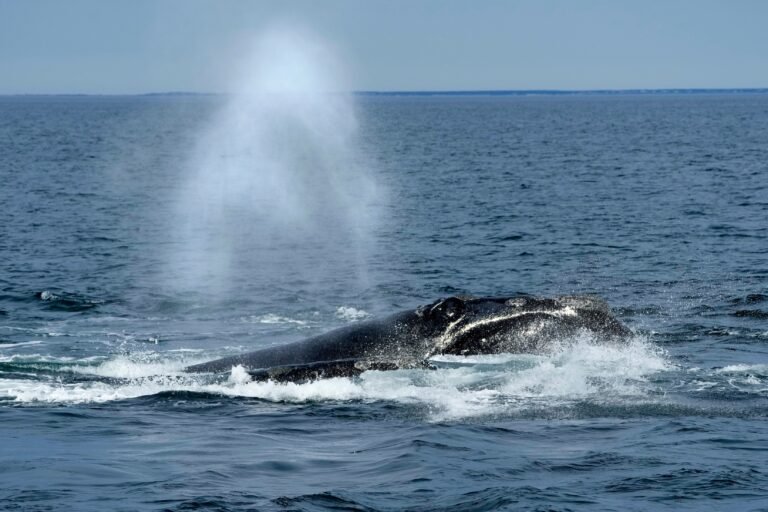
A Precarious Future for a Vanishing Giant (Image Credits: Imgs.mongabay.com)
Portland, Maine – The National Oceanic and Atmospheric Administration drew sharp rebukes from conservation advocates after signaling plans to overhaul longstanding vessel speed restrictions protecting the endangered North Atlantic right whale.[1]
A Precarious Future for a Vanishing Giant
North Atlantic right whales once thrived along the East Coast but now teeter on the brink with fewer than 400 individuals remaining.[1] These massive creatures migrate annually from calving areas off Florida and Georgia to feeding grounds in New England and Canada. Vessel strikes rank as a primary killer, alongside entanglements in fishing gear.
The recent confirmation of a 3-year-old female’s death off Virginia on February 10 underscored the urgency. Necropsy results remained pending, yet the whale’s tender age deviated sharply from typical lifespans. Conservationists viewed this loss as a stark reminder of ongoing threats.
Understanding the Vessel Speed Protections
Current regulations mandate that large commercial vessels reduce speed during designated periods and zones along the East Coast. This measure directly targets collision risks in high-traffic areas frequented by the whales. Implementation began years ago to curb fatalities from fast-moving ships.
Ship operators must drop to 10 knots or less in dynamic management areas triggered by whale sightings. Seasonal management areas also enforce slowdowns based on historical patterns. Compliance has proven challenging amid dense maritime corridors.
NOAA’s Deregulatory Push Explained
The agency outlined its forthcoming proposal in a statement to the Associated Press, describing it as a move to “modernize” safeguards through a “deregulatory-focused action.” Officials aimed to alleviate “unnecessary regulatory and economic burdens” on industry while upholding conservation. Emphasis fell on deploying new technologies, engineering solutions, and advanced tools.
A rulemaking notice appeared on the Office of Information and Regulatory Affairs site, though specifics stayed absent. NOAA promised further details soon. This approach echoed prior industry calls for tech-driven alternatives over rigid speed caps.
Conservationists Cry Foul Amid Recent Losses
Environmental organizations swiftly condemned the initiative. “Another female right whale – the future of this species – has lost her life. We urgently need more right whale protections, not fewer. The Trump administration’s apparent determination to weaken the vessel speed rule could not come at a worse time,” stated Jane Davenport, senior attorney at Defenders of Wildlife.[1]
Several groups highlighted the Biden era’s abandoned plan to broaden slow zones and include more vessel types. Withdrawal occurred late in the term, attributed to overwhelming public input. Critics now feared regression at a critical juncture.
Industry Views and Broader Challenges
Maritime sectors long opposed expansive speed rules. The National Marine Manufacturers Association labeled them “archaic” and pressed for innovation like improved detection systems. Shipping firms cited operational costs and delays from frequent slowdowns.
Federal protections date back decades following commercial whaling’s toll. Balancing economic vitality with species recovery remains contentious. Recent political shifts amplified the divide.
Key Takeaways
- North Atlantic right whales number under 400, facing vessel strikes and entanglements.
- NOAA proposes “modernization” via deregulation and technology to ease industry burdens.
- Environmentalists demand stronger measures after a young female’s death off Virginia.
The standoff pits technological promise against proven restrictions, with the whales’ endurance in question. As proposals advance, stakeholders must weigh short-term gains against long-term survival. What steps should prioritize right whale recovery? Share your thoughts in the comments.


