
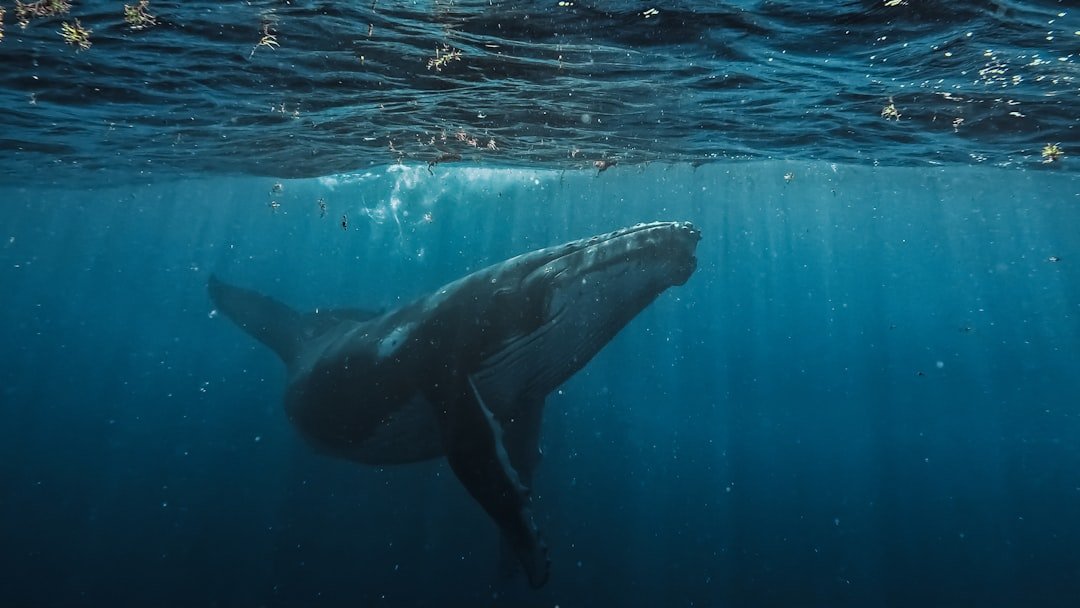
New Caledonia – Researchers monitoring humpback whales in this South Pacific breeding ground discovered how age influences fatherhood as the species bounces back from devastating whaling.[1][2]00057-6)
Whaling’s Enduring Impact on Whale Societies
Commercial whaling reduced humpback populations to near extinction levels through the mid-20th century. The global ban in 1986 allowed numbers to climb again, but the scars lingered in skewed age structures. Younger males dominated early recovery phases because few elders survived the hunts.[3]
Scientists from the University of St Andrews examined this transition over nearly two decades. Their work, published in Current Biology, revealed persistent changes in behavior and mating success. Exploitation not only slashed numbers but also altered who passed on genes.[1]
Unveiling Age Through Genetics
The team analyzed skin samples from 485 male humpback whales between 2000 and 2018. Epigenetic clocks, based on DNA methylation patterns, estimated ages with high precision. Genetic tests assigned paternity for 68 calves from 56 fathers.[2]00057-6)
Population estimates showed growth from around 562 whales in 2008 to over 1,200 the next year. Male counts doubled from roughly 379 in the late 1990s to more than 2,000 by study end. Age groups divided into 2-9 years, 9-16 years, 16-23 years, and 23-plus years helped track shifts.[2]00057-6)
Early years featured a youth-heavy population. Later sampling reflected a balanced spread, with elders reemerging.
Youth Gives Way to Experience
In low-abundance periods before 2009, younger males sired calves at higher-than-expected rates. No fathers exceeded 23 years old then. Statistical models confirmed this pattern across thousands of simulations.[2]00057-6)
Conditions flipped afterward. Males aged 16 to 23 and older outperformed expectations, with those over 23 fathering far more offspring. Reproductive skew remained low overall, suggesting broad participation but clear age-based advantages.
- Low abundance: Youngest sires (2-9 years) and mid-young (9-16) led.
- High abundance: Older groups (16+) dominated paternity.
- Mean age at first fatherhood: 15 years; second: 17 years.
- 70% of fathers joined competitive escort groups.
Songs and Strategies of the Elders
Older males excelled in key tactics. During population growth, they sang more often and escorted females solo at elevated rates. Competitive groups saw their presence rise too.[2]00057-6)
Singing involves complex, evolving songs audible miles away. Experience likely refined these displays and rivalry maneuvers. Females grew pickier amid denser suitors, favoring proven performers. Dr. Ellen Garland, senior author, noted, “As the population recovered, there were more older males than expected singing, escorting females, and successfully fathering calves compared to younger animals.”[1]
Lead author Dr. Franca Eichenberger added, “The impacts extend beyond population size – they shape behaviour, competition, and reproduction.”[3]
This dynamic may have accelerated recovery by letting young males reproduce when elders were scarce, preserving diversity.
These insights underscore whaling’s long shadow and the value of sustained monitoring. Humpback recoveries offer a window into natural dynamics long hidden by human interference. What lessons might apply to other exploited species? Share your thoughts in the comments.
Key Takeaways
- Age structure evolved from youth-skewed to balanced, mirroring population growth.
- Older males now lead in songs, escorts, and siring calves.
- Relaxed early selection boosted rebound; intensified competition stabilizes maturity.


