

There’s something quietly heartbreaking about watching a dog slow down and assuming the worst. Many of us have been there, sitting across from a graying muzzle, wondering if that new behavior – the anxiety, the confusion, the restlessness at night – simply means the end of something. But here’s the thing: most of what we think we know about senior dog behavior is either dangerously oversimplified or flat-out wrong.
The myths surrounding older dogs are not just harmless misunderstandings. They shape the decisions we make every single day, from vet visits we skip to training we give up on too soon. Your senior companion deserves better than guesswork. So let’s set the record straight, shall we?
Myth #1: Slowing Down Is Just “Old Age” – Nothing Can Be Done
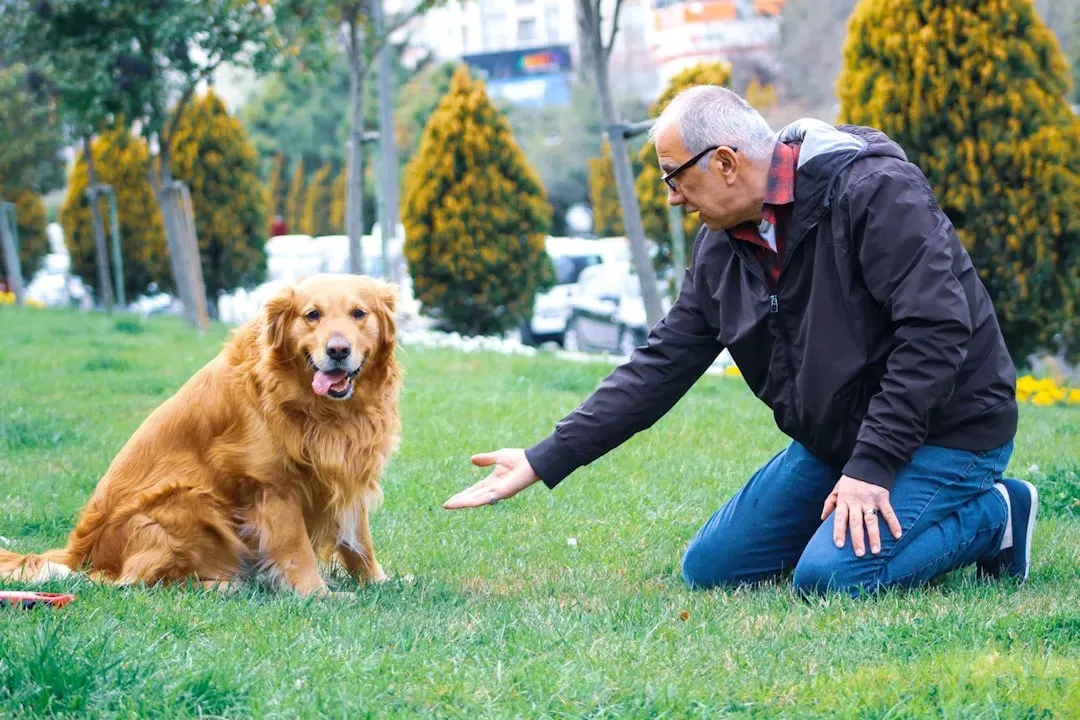
This might be the most common and the most damaging myth of them all. When a beloved dog starts moving slower, skipping stairs, or hesitating before jumping onto the couch, it’s tempting to shrug and call it aging. Honestly, I’ve heard this said so many times it almost sounds reasonable. It is not.
While it is true that older dogs may not have the boundless energy of their youth, significant lethargy or reluctance to move is not solely due to old age. It could be a sign of underlying conditions, such as arthritis, which can be effectively managed with medication, physical therapy, or joint supplements. That distinction matters enormously.
Pain may not be obvious in senior dogs because many hide discomfort well. A dog with arthritis may not yelp or limp, but subtle signs, such as reduced willingness to climb stairs or jump into the car, suggest discomfort. Think of it like a person with a bad knee who never complains but quietly stops taking the stairs.
As veterinarians often say, “Old age isn’t a disease.” There are many things that can be done to manage medical conditions, eliminate or reduce pain, and help senior pets enjoy a great quality of life. Never let the myth of inevitable decline stop you from seeking real answers.
Myth #2: You Can’t Teach an Old Dog New Tricks
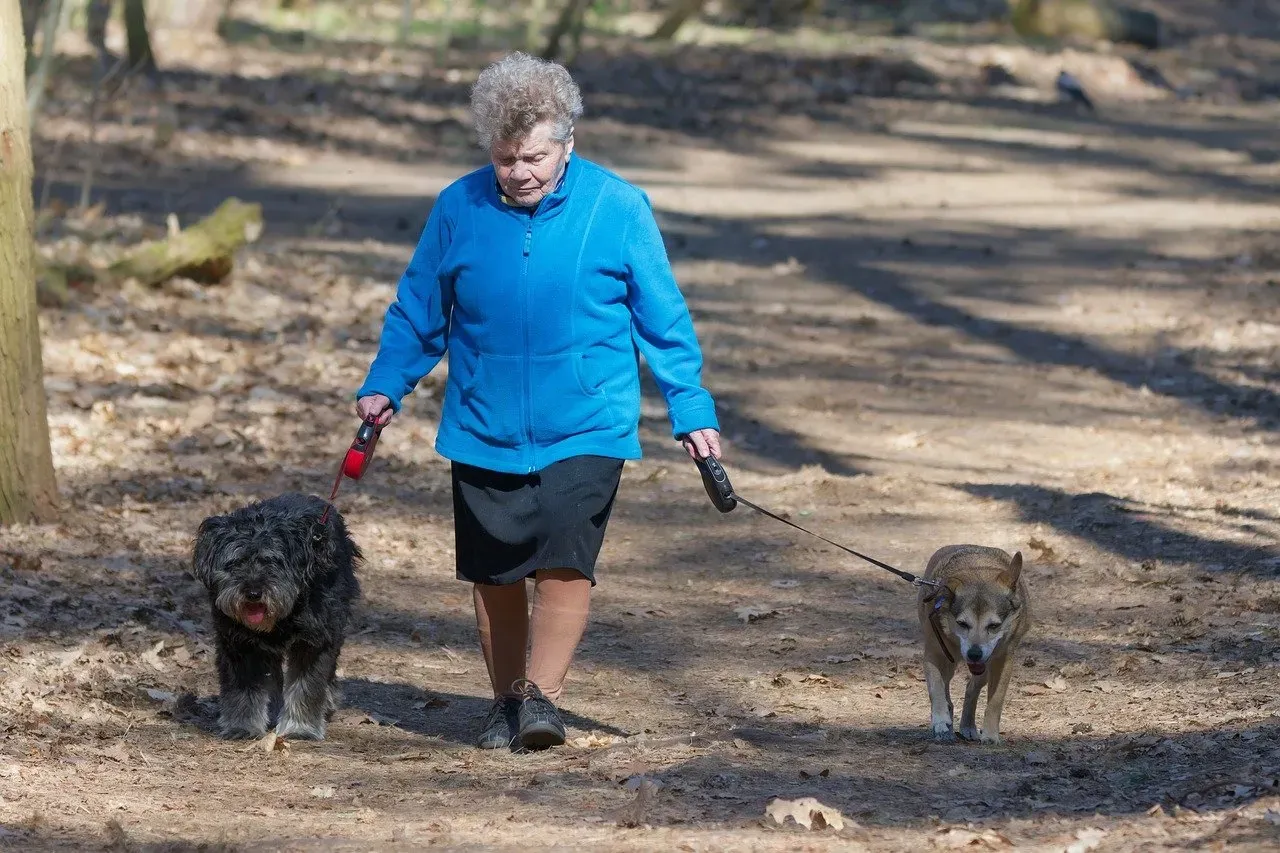
Let’s be real, this one has been repeated so often it has practically become folklore. It’s also, scientifically speaking, pretty much nonsense. The old adage “you can’t teach an old dog new tricks” couldn’t be further from the truth. Senior dogs are not only capable of learning new commands and behaviors but often excel at training.
Studies have shown that while older dogs might take a tad longer to pick up new skills compared to the sprightly pups, they are more than capable learners. Think of it less like a limitation and more like a slightly longer download time on a very wise device.
Positive reinforcement training can be used to teach new commands or modify unwanted behaviors. Engaging their minds with puzzle toys and gentle play can also help keep them mentally stimulated and happy. Short, reward-based sessions work beautifully for senior dogs, often better than marathon training blocks.
Patiently keeping in mind a slower learning curve, you can have fun sharpening up rusty behaviors your dog once learned and teaching new behaviors and tricks. A certified trainer can also help you change verbal cues to hand signals if your dog has lost hearing and help adjust training for any physical impairments. Adaptation, not abandonment, is the key here.
Myth #3: Behavior Changes Are Normal and Don’t Need a Vet Visit
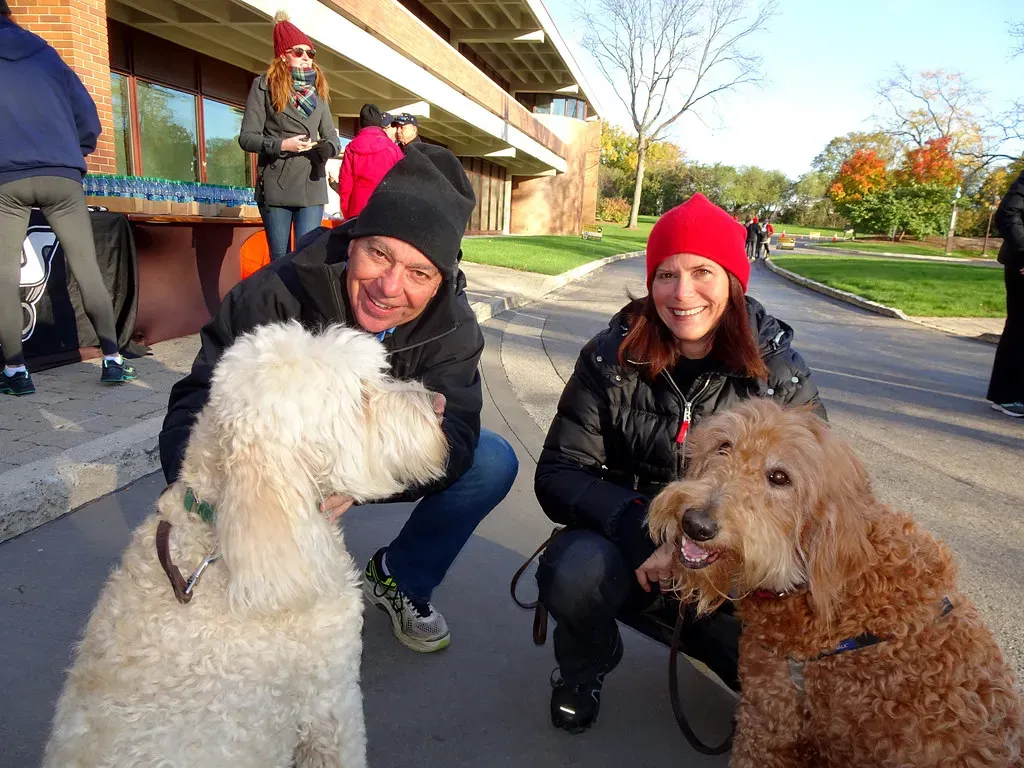
This one is where genuine harm happens. When a senior dog starts soiling in the house, barking at nothing, or suddenly seeming afraid of a familiar family member, far too many owners chalk it up to “just getting older.” A change in behavior can be the first sign of pain, illness, or degenerative disease. That single truth should change everything.
Behavioral changes like restlessness, panting, or house soiling can be caused by dog dementia or by other medical conditions such as infections, arthritis, kidney or liver disease, or Cushing’s disease. Because these symptoms overlap, it is important to speak with your veterinarian for proper diagnosis.
Research shows that over 60% of dogs older than 11 years show at least one sign of cognitive decline. Yet many families assume these symptoms are just “old age,” when recognizing them early can help a dog stay comfortable longer. That is a staggering number of dogs whose owners may be missing a treatable window.
If you are seeing changes at home, bring a short video to your veterinary appointment, since dogs may not show the same behaviors in the clinic. A thirty-second phone clip can be worth more than any verbal description you give in an exam room.
Myth #4: Increased Anxiety in Older Dogs Is Just Personality – Not a Health Signal

Here’s a scenario so many dog parents know. Your once-calm dog suddenly starts pacing at 2 a.m., whining for no obvious reason, or following you so closely you nearly trip over them. The instinct is to find it cute or mildly annoying. In reality, it is often a cry for help.
One of the common signs of old age in dogs is a spike in anxiety, and physical discomfort caused by age-related conditions, such as arthritis, or a decline in sensory awareness levels, such as vision and hearing loss, can result in aging dog anxiety. Imagine suddenly being unable to see or hear clearly. Of course that would be frightening.
Common concerns reported by guardians of aging dogs include increased sensitivity and irritability, increased fear of unfamiliar pets and people, decreased tolerance of touch and restraint, increased following and desire for contact, and increased anxiety when left alone. These are not quirks. These are signals worth listening to.
You will want to show your dog you care by refraining from getting angry over anxious behavior. Contact your veterinarian if your dog seems more nervous than in younger years, and they can help you find the best ways to reduce anxiety appropriately. Patience paired with professional guidance is the most powerful combination you have.
Myth #5: Senior Dogs Bond Less Deeply and Need Less Emotional Connection
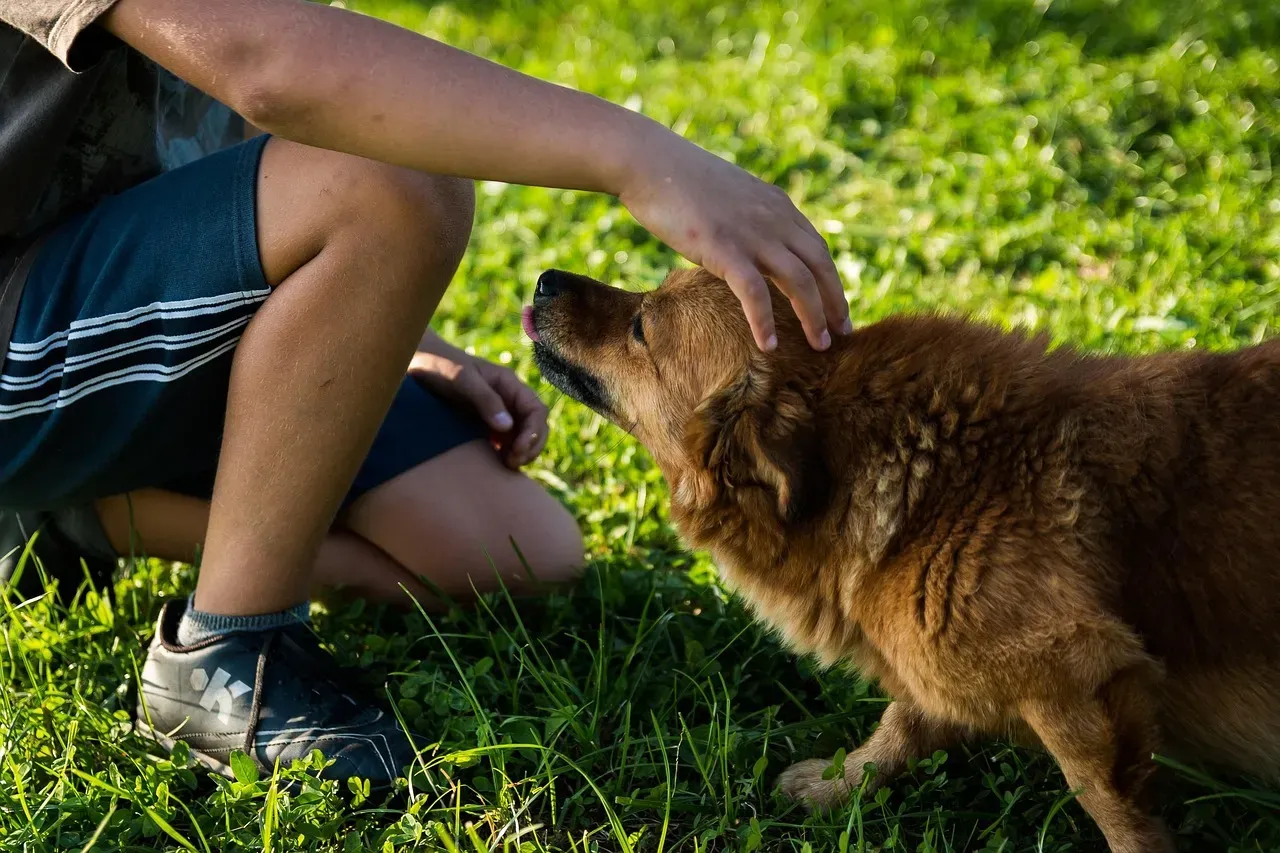
This is perhaps the most emotionally painful myth of all, because it pushes people away from their dogs during the years when closeness matters most. Senior dogs often form deeper, more meaningful bonds with their owners and can be extraordinarily loving and loyal companions. Full stop. No asterisk needed.
The heartbreaking myth that older pets are less affectionate or don’t bond as strongly couldn’t be further from the truth. In many cases, the bond between an owner and a senior pet deepens over time. These companions have often shared years of love and experiences with their families, and their capacity for affection remains strong.
People sometimes mistake a senior dog’s calmer demeanor for detachment or lack of affection. A quieter dog is not a disconnected dog. Senior dogs may express affection differently than puppies, through quiet companionship, gentle leaning against you, or simply staying close by. Appreciate these subtle expressions of love.
There are many ways to keep your older dog’s life interesting and stimulating that don’t require vigorous physical effort. Just as with humans, dogs need to use their brains and bodies to maintain their mental and physical fitness. Presence, engagement, and gentleness are the love languages of senior dogs everywhere.
Conclusion: Your Senior Dog Deserves Better Than Myths

Here’s the bottom line. Your senior dog is not simply winding down. They are navigating a complex, shifting world with fewer sensory tools and more physical challenges than ever before, and they are doing it while still trying to be your devoted companion. That deserves respect, not resignation.
By recognizing that changes in behavior and physical abilities might indicate underlying health issues, prioritizing regular veterinary care, and continuing to engage your dog mentally and emotionally, you can ensure their golden years are truly golden. That phrase, truly golden, is not just a nice idea. It is entirely achievable.
Drop the outdated assumptions. Book that vet visit. Pull out the puzzle toy. Sit with your graying old friend a little longer tonight. The myths were never worthy of them, and now you know better. What would you do differently for your senior dog starting tomorrow?


