
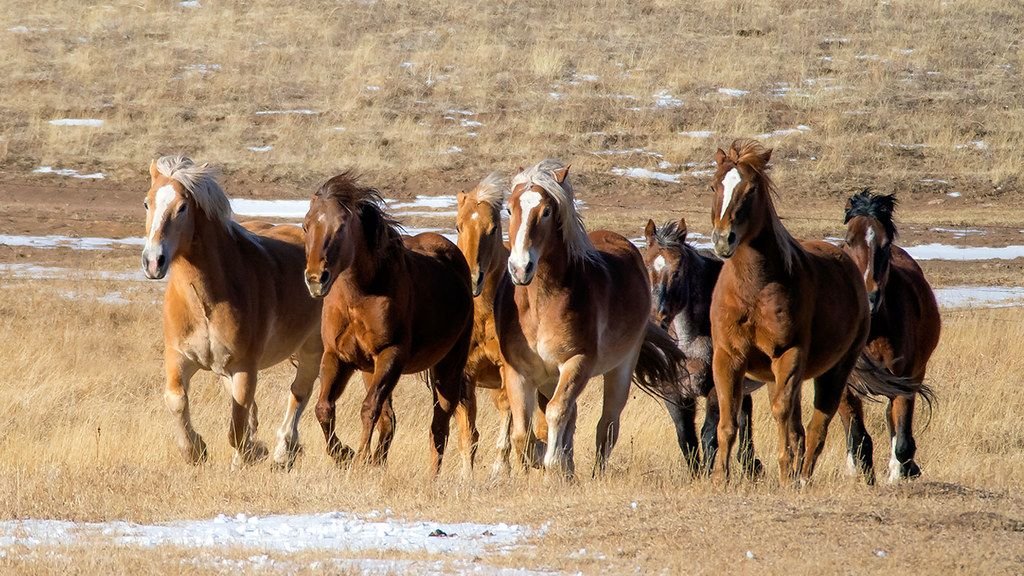
Picture tens of thousands of wild mustangs thundering across open rangeland, manes flying, completely free. That image, so deeply embedded in the American psyche, is now under serious threat. A sweeping federal plan is rolling out right now, and the scale of it is difficult to wrap your head around.
The Bureau of Land Management has officially set its 2026 schedule, and what it outlines will shock many people who love the American West. The debate playing out in courtrooms, state capitals, and dusty protest lines outside federal offices is about far more than horses. It’s about how we treat the wild things we claim to treasure. Let’s dive in.
The Scale of the 2026 Roundup Plan
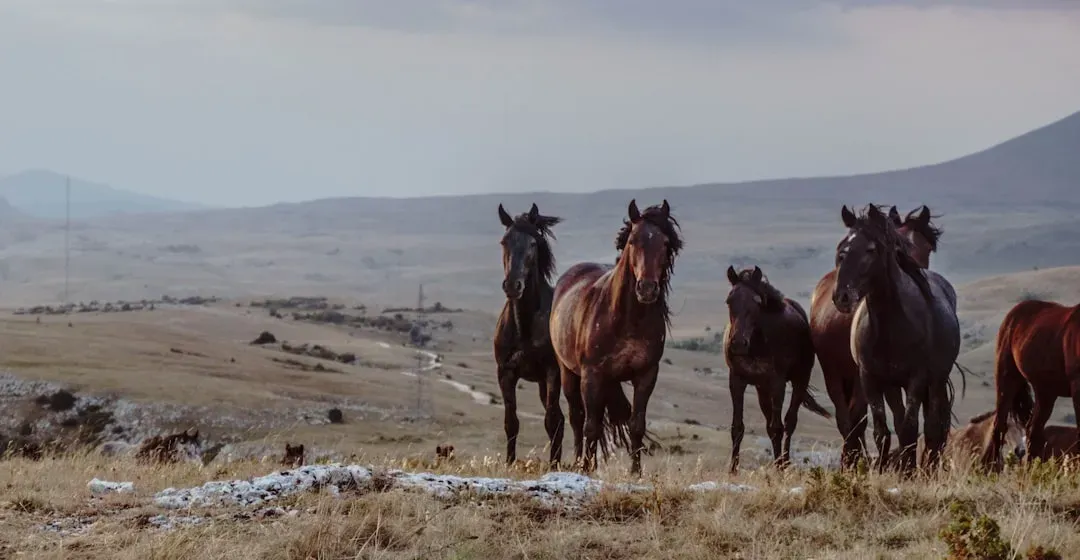
A staggering 14,830 wild horses and burros are slated to be removed from public lands this year. To put that in perspective, that’s roughly the entire population of a small American town, gone from the open range within a single calendar year.
As outlined in the recently released BLM horse extraction schedule, the plan spans multiple states, including Arizona, California, Colorado, Indiana, Nevada, Montana, Oregon, Utah, and Wyoming, with at least 1,111 horses scheduled for removal in Colorado alone. The geographic reach of this plan is enormous, stretching across some of the most iconic landscapes in the entire country.
The nationwide population estimate for wild horses and burros now stands at 85,466 as of March 1, 2026, a figure that federal managers argue is far beyond what the land can sustainably support. The BLM determines what it calls the Appropriate Management Level, which is the number of wild horses and burros that can thrive in balance with other public land resources, and animals exceeding that level are to be removed in accordance with the 1971 Wild Free-Roaming Horses and Burros Act.
Why the Government Says This Has to Happen
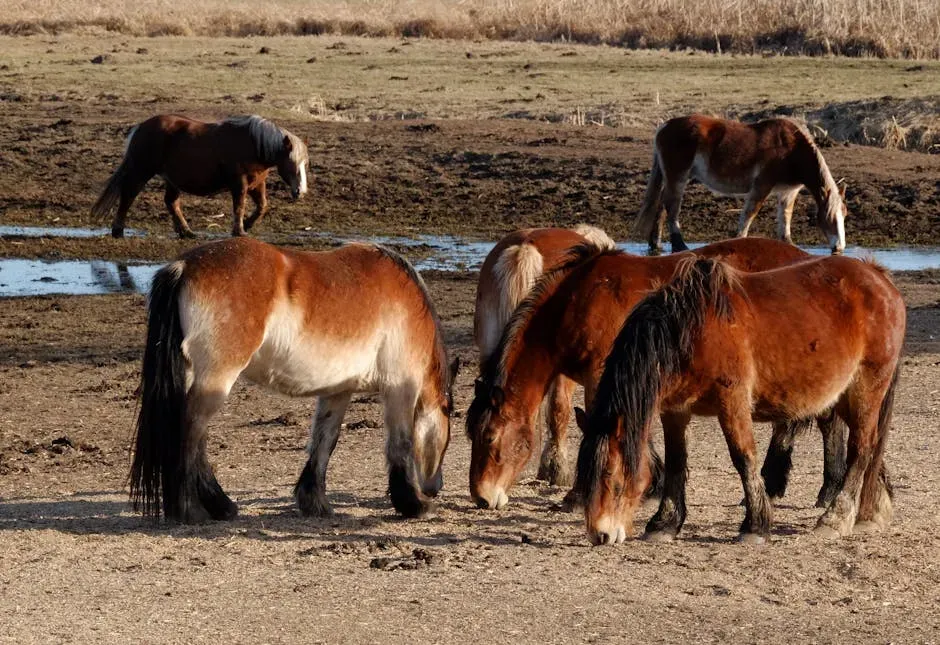
The planned removal by the Bureau of Land Management is driven by increasing threats of drought and wildfire in western states, leaving little food and water for the wild animals. Honestly, this isn’t a hollow excuse. The western landscape has been hammered by climate pressures for years, and the forage situation is genuinely dire in many areas.
Officials cite worsening drought and wildfire conditions as the driving force, arguing that shrinking forage and water sources threaten both the horses and the land they roam. Climate change is making an already difficult situation worse, and the number of wildfires in Colorado alone has more than doubled over the past two decades.
The West Douglas area in Colorado is considered “not suitable” at all for wild horses, with most of the animals there already removed several years ago after wildfire consumed what was left of the forage that mustangs rely on. Without management, herds grow at a rate of fifteen to twenty percent each year, a pace that no landscape, however vast, can absorb indefinitely.
The Helicopter Controversy at the Heart of the Fight
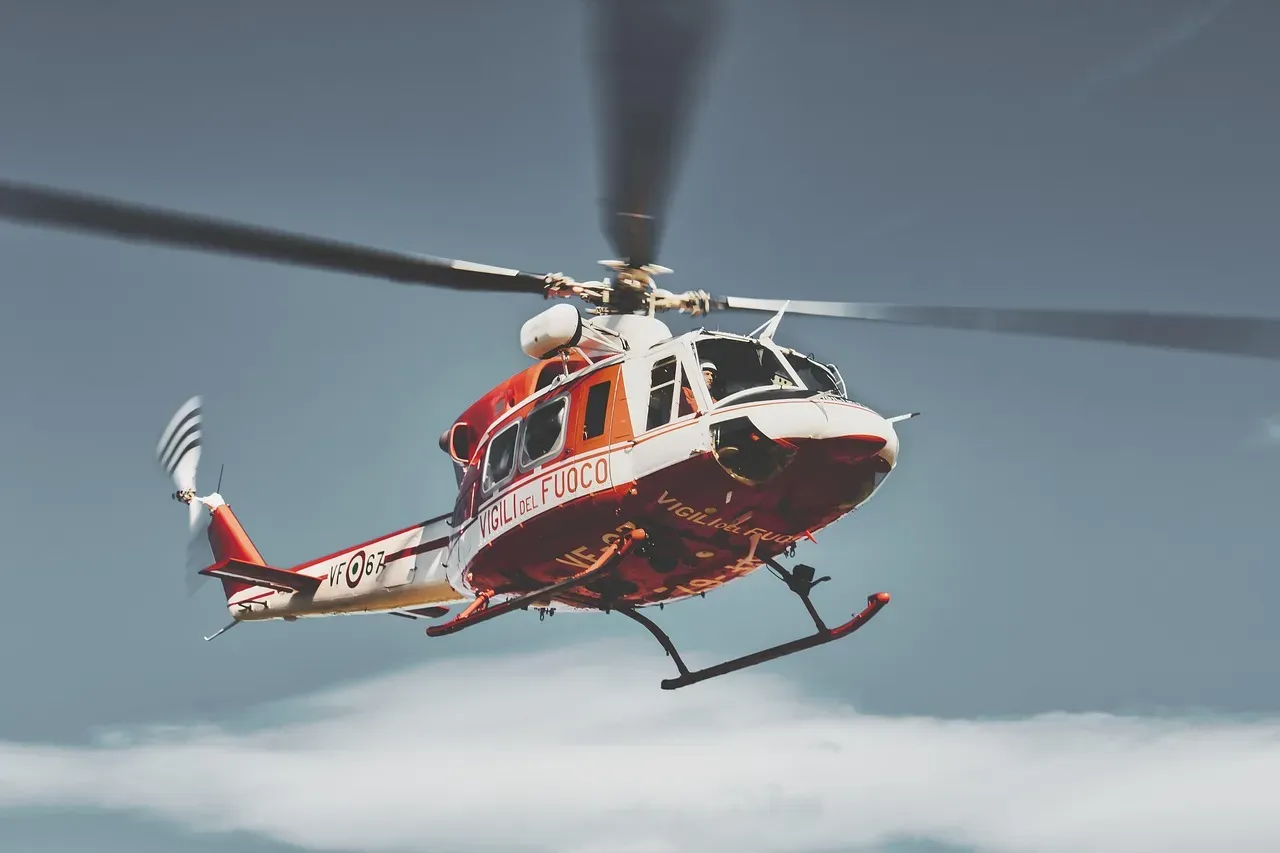
Here’s the thing that’s really igniting this debate. It’s not just that horses are being removed. It’s how. The agency plans to use helicopters to drive mustangs from above and push wild horses into corrals, a method that animal advocates describe as terrifying and deeply inhumane.
Helicopter roundups force wild horses to flee for miles across rough terrain, which can cause injuries or death. Imagine being chased by a deafening machine overhead with nowhere to hide. That is the reality for these animals, and it’s a hard image to shake.
The largest Colorado operation is expected to occur in August, when 911 mustangs are scheduled to be gathered from the Piceance-East Douglas area, a roughly 200,000-acre stretch of public land near Meeker. Animal rights activists and state officials, including Colorado Governor Jared Polis, have urged the BLM to forgo helicopter roundups in favor of more humane wild-horse management methods.
The Cost, the Corrals, and What Happens After
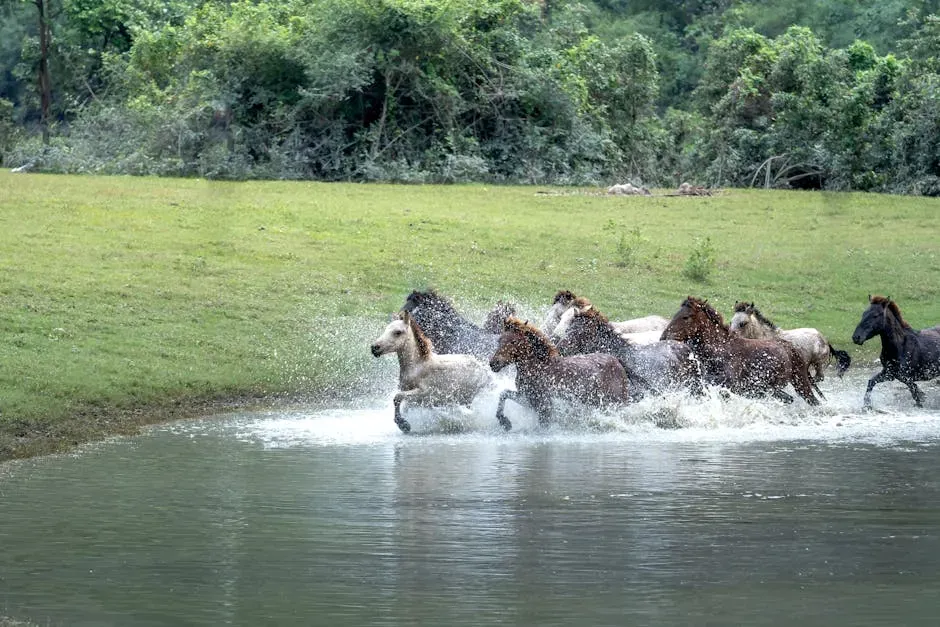
Removing 1,111 mustangs and placing them in holding pens for the rest of their lives would cost taxpayers an estimated $53 million, using a BLM estimate that it costs $48,000 per horse to round up and care for throughout its life. That number is genuinely shocking. That’s not a misprint.
In temporary holding, family bands are broken apart, with stallions separated from mares and mares from older foals. While young foals are typically returned to their mothers, older yearlings, especially colts, are often separated and placed into pens with other stallions. The social bonds of these animals, which are remarkably complex, are simply severed.
The total capacity of all BLM off-range holding facilities is 78,526 animals, a number that illustrates just how large this system of corrals has grown over the years. Between 2020 and 2023, about 50,000 horses and burros were removed across the West, roughly double the number from the previous four years. The pace of removal is accelerating, not slowing down.
The Push for Humane Alternatives
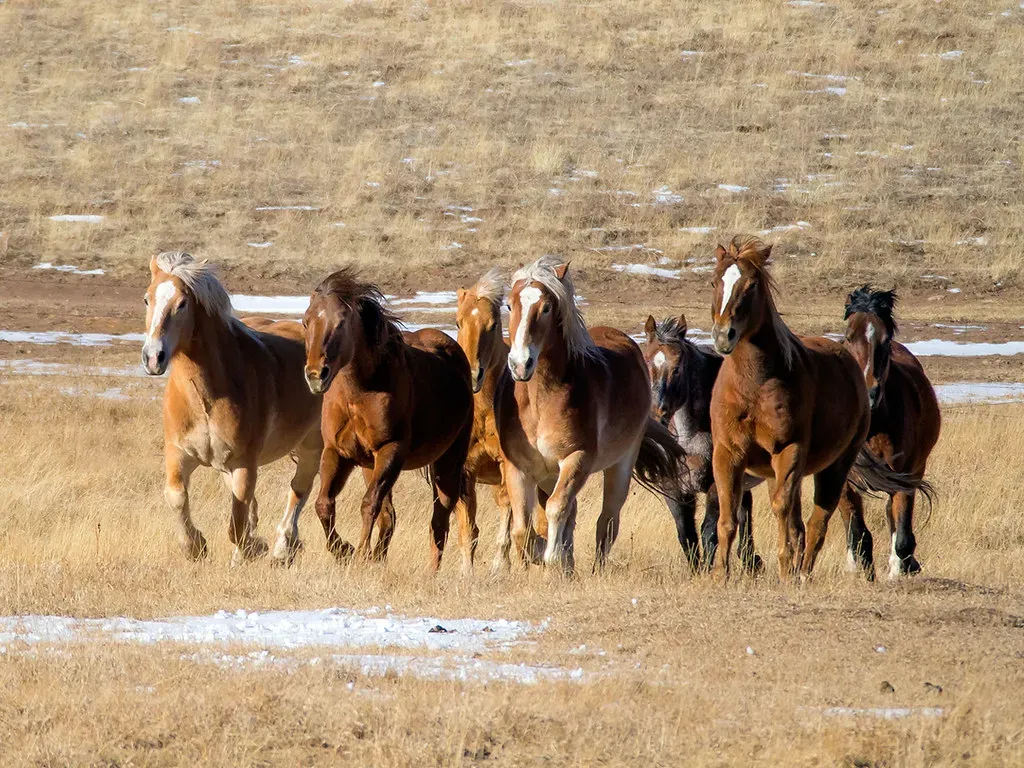
Animal activists are pushing for the BLM to keep the horses wild and free and to use fertility control to manage the wild horse population in the western U.S. It’s a reasonable ask, and the science actually supports it as a viable long-term solution.
In 2023, lawmakers created the Colorado Wild Horse Working Group after years of low-flying helicopter roundups that removed thousands of mustangs. The 23-member task force was created by Senate Bill 275 and given $1.5 million in state funds to support humane, nonlethal alternatives. The group’s main recommendation has been to expand fertility programs in which mares are shot with darts that administer a vaccine preventing pregnancy for up to four years.
The federal agency’s schedule does include darting about 200 mares in Colorado this year, including in Little Book Cliffs near Palisade and Spring Creek in Disappointment Valley. Going forward, the BLM in Colorado aims to reduce the size and frequency of future roundups by expanding fertility-control treatments. That’s a step in the right direction, though critics argue it’s far too small a step given the scale of the removals happening simultaneously.
A Nation Divided Over Its Wild Icons
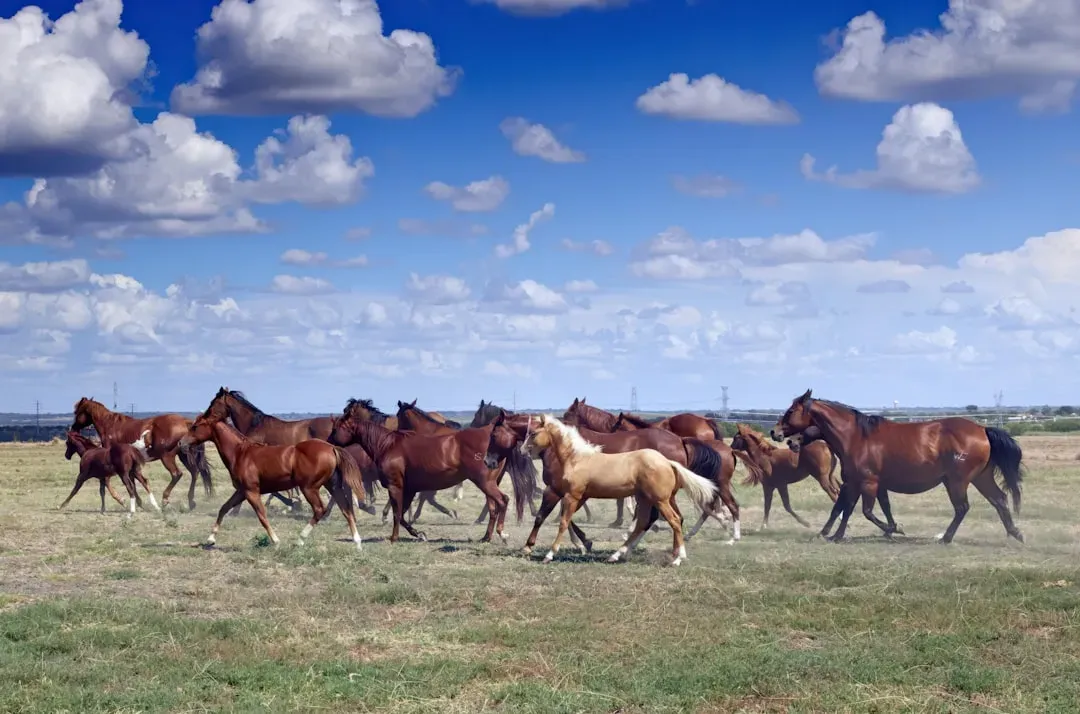
I think what makes this story so emotionally charged is the symbolic weight that wild horses carry in American culture. These are not feral nuisances. They are living emblems of freedom, woven into the mythology of the West for generations. Removing them by the thousands, by helicopter, feels to many people like erasing something irreplaceable.
Lawsuits from both the Rock Springs Grazing Association and wild horse advocacy groups have targeted the BLM’s planned actions, though a U.S. District Court judge ruled in the federal government’s favor in both lawsuits last August. The legal battles are far from over, and a coalition of pro-horse petitioners, including the American Wild Horse Campaign and Animal Welfare Institute, subsequently appealed.
Protesters gathered outside a BLM office in Las Vegas chanting to keep horses free, and activists in Colorado are calling for humane alternatives. The public outcry is growing louder, and with social media amplifying every protest and every image of a frightened mustang, this fight is only going to intensify. The American West is changing fast, and what happens to these horses in 2026 may very well define how future generations remember this era of land management.
Honestly, this is one of those issues where the “right answer” is genuinely hard to find. The land is stressed, the herds are large, and resources are stretched. Yet the idea of thousands of wild horses traded from open skies for a corral pen is something that should make all of us pause and ask whether we are truly doing right by the wildness we inherited. What do you think? Is the BLM making the only viable choice, or is this a failure of imagination? Tell us in the comments.


