
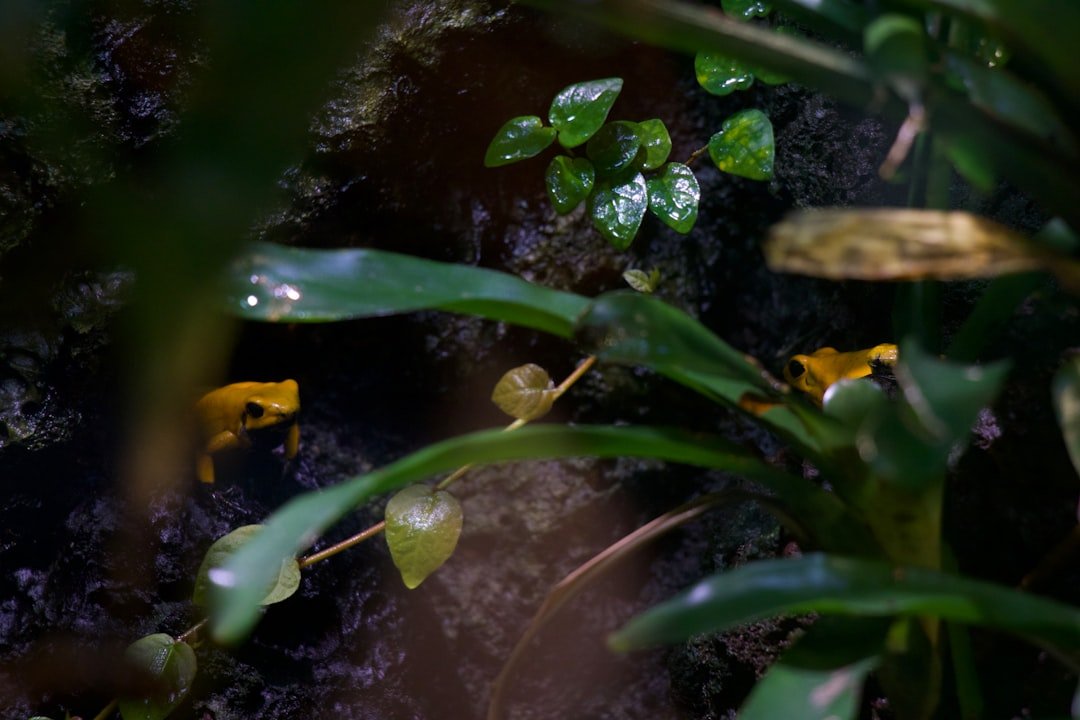
Panama – Conservationists marked a pivotal moment by releasing captive-bred Panamanian golden frogs into protected habitats, signaling fresh hope for a species unseen in the wild since 2009.[1][2]
A National Symbol Vanishes
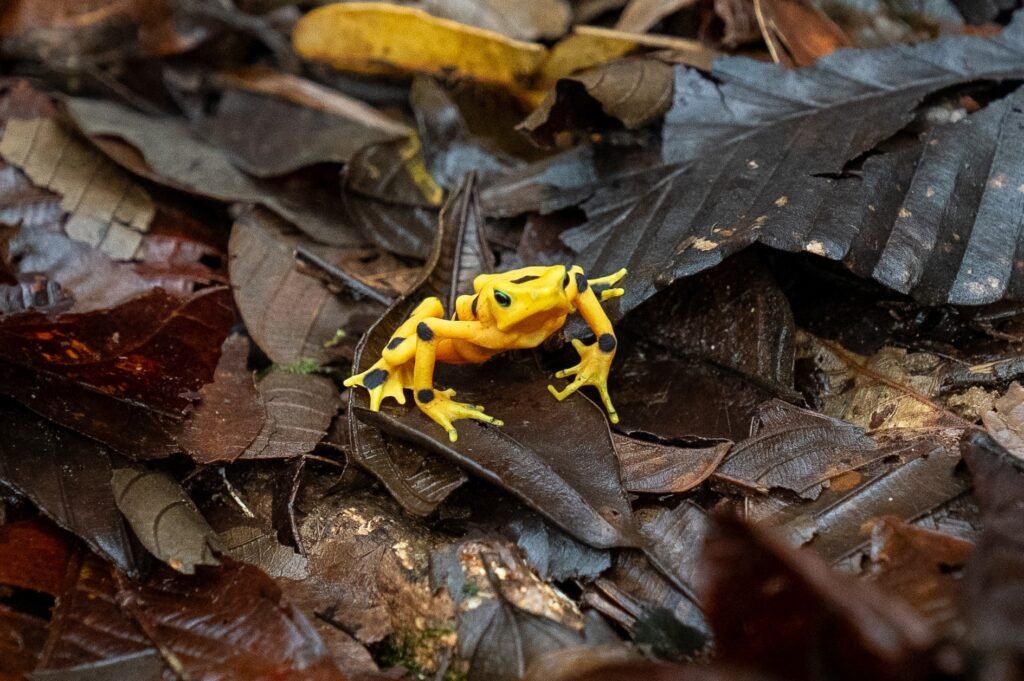
The Panamanian golden frog, known scientifically as Atelopus zeteki, once thrived along fast-flowing streams in the central mountains of Panama. These vibrant yellow amphibians held cultural significance as a national symbol. However, chytridiomycosis, a devastating fungal disease caused by Batrachochytrium dendrobatidis, swept through the region starting in the late 1980s.
Researchers at the Smithsonian Institution foresaw the catastrophe by tracking the fungus’s spread. The pathogen reached the frogs’ last refuge in El Valle de Anton in 2004, leading to their complete disappearance from nature by 2009. The fungus disrupts frogs’ skin electrolytes, often proving fatal, and spreads easily via water, wildlife, or even human footwear.[1]
Building a Safety Net Through Captive Breeding
In response, the Panama Amphibian Rescue and Conservation Project (PARC) formed as a collaborative effort. Partners included the Smithsonian Tropical Research Institute, Smithsonian’s National Zoo and Conservation Biology Institute, Cheyenne Mountain Zoo, and Zoo New England. The initiative focused on breeding endangered amphibians in controlled environments to prevent total extinction.
Over the years, PARC achieved success in maintaining assurance populations of golden frogs and other species. This groundwork paved the way for reintroduction experiments. In 2025, under the Smithsonian’s Tropical Amphibian Research Initiative, teams released three other species: crowned tree frogs, Pratt’s rocket frogs, and lemur leaf frogs. Those efforts showed promising results, with excellent survival rates for lemur leaf frogs confirmed through monitoring.[3]
Executing the Groundbreaking Release
Researchers released 100 captive-bred golden frogs into soft-release enclosures called mesocosms during the recent trial. These pens allowed the animals to acclimate gradually. The team, including PARC director Roberto Ibañez, program manager Jorge Guerrel, research technician Orlando Garcés, and SENACYT-funded fellow Oliver Granucci, monitored the frogs closely.
The frogs remained in mesocosms for 12 weeks. Swabs tested for the fungus, providing critical data on disease presence. Many survivors transitioned to full freedom in the habitat afterward. The work received support from Panama’s National System of Protected Areas and funding from sources like the Bezos Earth Fund.[1][2]
- Partners in the core PARC effort: Smithsonian Tropical Research Institute, National Zoo and Conservation Biology Institute, Cheyenne Mountain Zoo, Zoo New England.
- Additional collaborators for related initiatives: Amphibian Survival Alliance, Centro Jambatu, FUDECI, Parque Explora.
- Prior 2025 releases: Crowned tree frogs (Tripion spinosus), Pratt’s rocket frogs (Colostethus pratti), lemur leaf frogs (Agalychnis lemur).
Navigating High Stakes and Hard Data
The trial revealed harsh realities. Approximately 70 percent of the frogs succumbed to chytridiomycosis during the mesocosm phase. Yet this outcome yielded invaluable insights into disease progression and the potential for frogs to restore natural skin toxins through a wild diet.
“We provide care for some of the most endangered amphibians in Panama, and now we are entering a new phase of our work to study the science of rewilding,” said Roberto Ibañez, STRI scientist and PARC director.[1] Brian Gratwicke, a conservation biologist with the National Zoo and Conservation Biology Institute, added, “These crucial data will inform our conservation strategy moving forward.” He highlighted models identifying “climatic refuges” – sites ideal for frogs but too warm for the fungus.[4]
Toward Sustainable Recovery
Future efforts will expand trials to those refuges, leveraging mesocosm techniques for longer acclimation. Acoustic monitoring and other tools will track progress, building on successes with other species. This methodical approach underscores amphibian conservation’s complexities amid ongoing threats like habitat loss.
The golden frog’s tentative return embodies resilience. Even partial victories offer blueprints for saving other imperiled wildlife. What do you think about these rewilding efforts? Tell us in the comments.
Key Takeaways
- 100 golden frogs entered a 12-week mesocosm trial, with data from 70% mortality guiding next steps.
- PARC’s captive breeding sustained the species post-2009 extinction in the wild.
- Climatic refuges and toxin recovery research promise refined strategies.


