
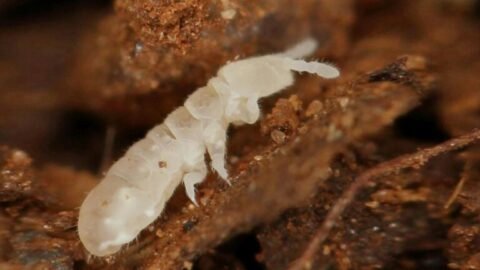
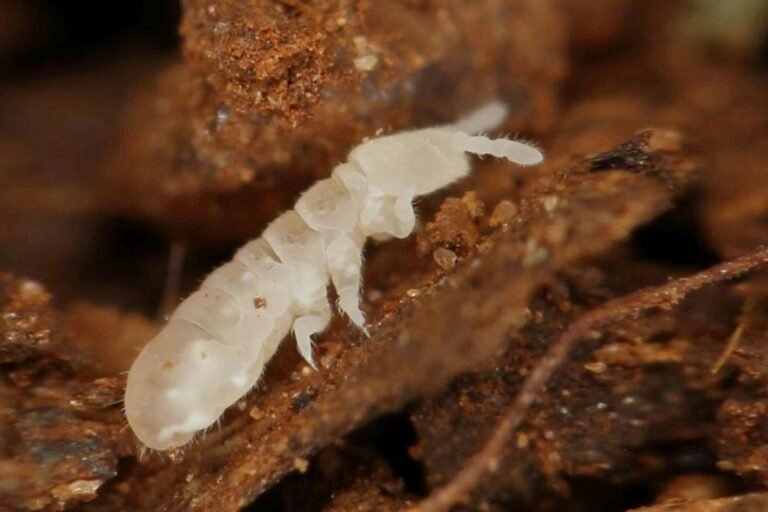
Contamination Reaches Alarming Levels (Image Credits: Imgs.mongabay.com)
Europe – Researchers uncovered pesticide residues in 70% of soil samples across 26 countries, revealing widespread contamination that ranks as the second-leading driver of soil biodiversity patterns after basic soil properties.[1]
Contamination Reaches Alarming Levels
Scientists analyzed 373 soil samples from croplands, grasslands, and woodlands, detecting 63 different pesticides in total. Fungicides dominated the findings, comprising 54% of all active ingredients identified, followed by herbicides at 35% and insecticides at 11%. Glyphosate emerged as the most frequently detected single compound.[2]
Agricultural fields showed the highest concentrations, yet residues appeared even in forests and meadows where no pesticides were applied. Investigators attributed this spread to spray drift from nearby farms. Certain chemicals persisted in the soil for years, amplifying long-term risks.[3]
The study, published in Nature, involved collaboration among 10 European institutions, including the University of Zurich and the University of Vigo. Lead researcher Marcel van der Heijden noted, “This contamination has a major impact on various beneficial soil organisms, such as mycorrhizal fungi and nematodes, impairing their biodiversity.”[3]
Beneficial Organisms Under Siege
Mycorrhizal fungi, which partner with plant roots to enhance water and nutrient uptake, suffered significant suppression from pesticide exposure. Bacterivore nematodes, crucial for nutrient cycling, also declined sharply. The analysis spanned soil archaea, bacteria, fungi, protists, nematodes, and arthropods, uncovering complex, non-target effects across these groups.[1]
While some bacteria gained advantages – likely from reduced competition – overall biodiversity patterns shifted dramatically. The fungicide bixafen, used on cereal crops, proved particularly harmful to multiple organism types. First author Julia Köninger observed, “Some soil organisms, especially various types of bacteria, benefit from the use of pesticides, probably because other organisms are reduced.”[2]
- Mycorrhizal fungi: Reduced abundance and function in nutrient absorption.
- Nematodes: Impaired biodiversity, especially bacterivores.
- Arthropods: Vulnerability in groups like springtails.
- Fungi overall: Broad suppression beyond targeted pests.
- Bacteria: Mixed responses, with some increases.
Disrupted Soil Functions Threaten Productivity
Pesticides interfered with key microbial processes, including phosphorus and nitrogen cycling. Examination of functional genes revealed diminished natural soil capabilities, potentially requiring farmers to apply more fertilizers to sustain crop yields. Van der Heijden explained, “This suggests that the natural function of the affected soil is reduced, and additional fertilization is necessary to maintain yields.”[3]
| Pesticide Type | Percentage of Active Ingredients |
|---|---|
| Fungicides | 54% |
| Herbicides | 35% |
| Insecticides | 11% |
Co-lead author Maria J.I. Briones emphasized the oversight in current practices: “Our study shows that pesticides represent a very significant human environmental impact on our soils.” Healthy soils underpin carbon storage, erosion control, food production, and water regulation – services now at risk.
Calls for Stronger Safeguards
Current regulations test pesticides on limited species, such as one earthworm or nematode type, focusing narrowly on breakdown rates. Experts urge a shift toward assessing entire soil communities and their functions, like nutrient cycling and carbon storage. This comprehensive approach would better protect Europe’s underground ecosystems.
Soil biodiversity forms the foundation of resilient landscapes, yet pervasive pesticide residues erode this base. Policymakers must act to preserve these hidden networks essential for sustainable agriculture and environmental health.[4]
- Pesticide residues in 70% of European soils drive biodiversity loss second only to soil properties.
- Beneficial fungi and nematodes face severe declines, disrupting nutrient cycles.
- Regulatory reforms should prioritize community-level and functional impacts.
As Europe confronts this soil crisis, stronger protections could restore balance beneath the surface. What steps should farmers and regulators take next? Share your thoughts in the comments.


