

You’ve probably seen them on social media or at the dog park. Those gorgeous dogs with the striking blue eyes, the perfectly spotted coats, the bundle of energy bouncing around with their owner jogging behind. They look like the dream companion.
The truth is, some of the most popular dog breeds come with challenges that many first-time owners never see coming. Sure, they’re beautiful and intelligent, but that intelligence sometimes translates into stubbornness, mischief, and a whole lot of frustration. Let’s be real, getting a dog should be about more than just looks. There’s so much more lurking beneath that adorable exterior, and honestly, not everyone’s prepared for it.
The Siberian Husky: Beautiful But Relentless
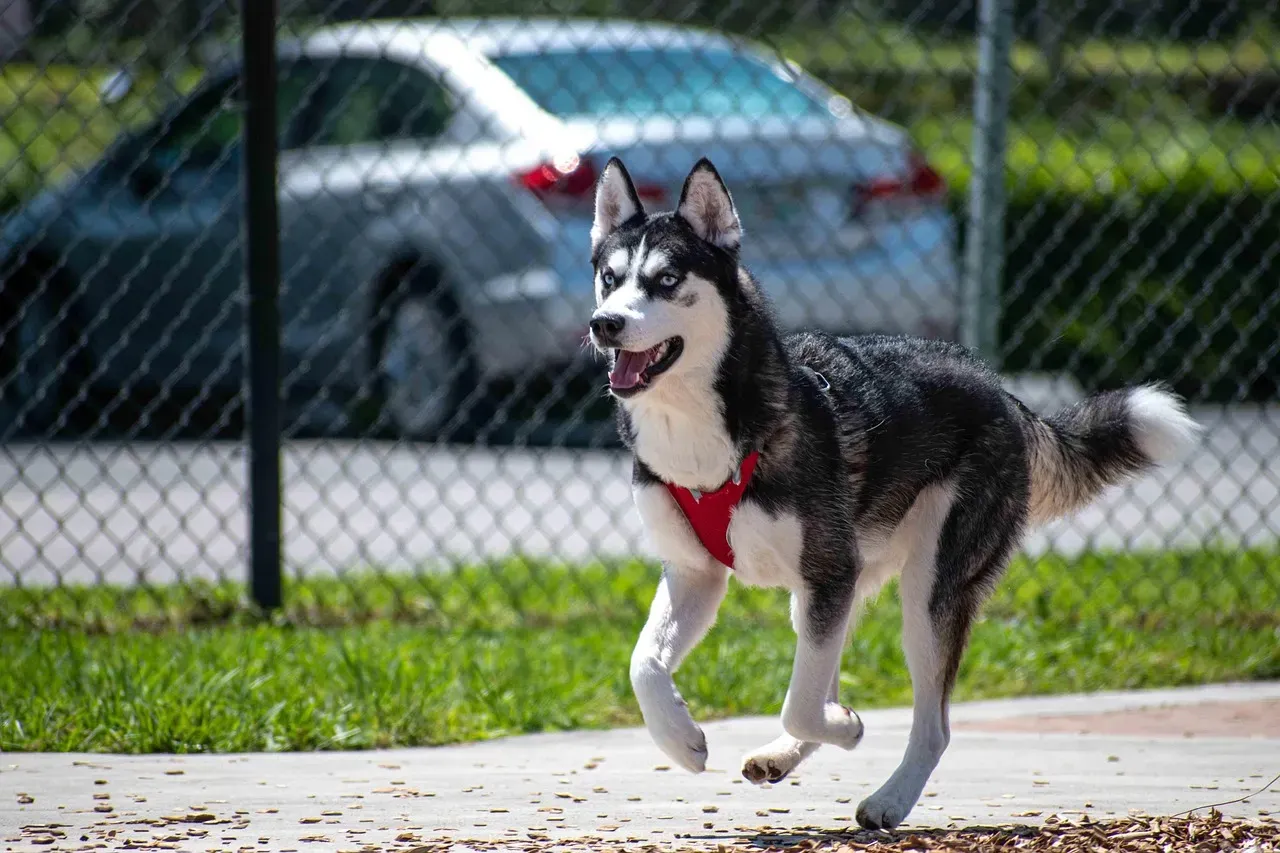
These dogs are extremely energetic and need loads of exercise. It’s hard to say for sure, but many Husky owners describe feeling like they’re living with a four-legged tornado. Bred to pull sleds in harsh climates, they’re independent thinkers who love to run and explore, and if you don’t give them that outlet, you’re in trouble.
Their biggest challenges include being stubborn, high energy, having a small prey drive, and being escape-artists of the dog world. Picture this: you’ve got a six-foot fence, and your Husky somehow scales it like a parkour champion. These dogs need a lot of exercise and mental stimulation to prevent boredom, which can lead to destructive behavior. That beautiful couch you bought? It might become a chew toy if you’re not careful.
They are also very intelligent and skilled escape artists with a strong will that can lead them to ignore you in favor of doing whatever they want. Training requires consistency and patience, almost more than most people can muster after a long day at work.
The Border Collie: Too Smart For Their Own Good
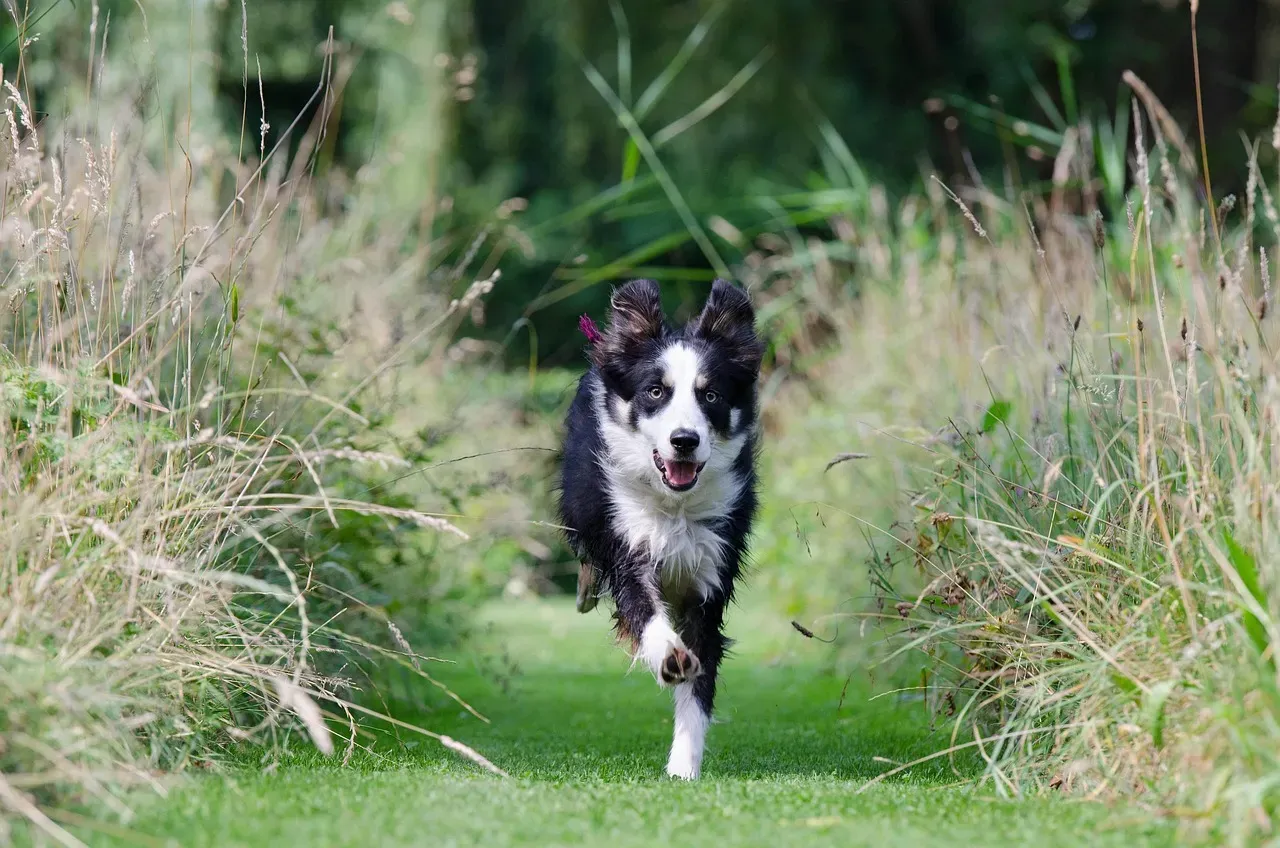
Border Collies are one of the most active dog breeds and require a significant amount of exercise to keep them physically and mentally stimulated, needing at least 2-3 hours of vigorous exercise every day. I think that number shocks people more than anything else. Three hours isn’t a casual walk around the neighborhood.
Mental stimulation is crucial for all dog breeds, but it is especially vital for high-energy breeds like Border Collies, as these intelligent dogs thrive on activities that challenge their minds. Without proper mental and physical stimulation, Border collies can become bored and restless, leading to destructive behaviors such as excessive barking, digging, or chewing.
Here’s the thing: a tired Border Collie is a happy Border Collie. They learn patterns extremely quickly and can become mentally overstimulated just as easily as physically under-stimulated. They’re basically analyzing your every move, anticipating what comes next. An unemployed Border Collie will happily find his own jobs to do, and they don’t just need physical exercise but they also need mental training to be a happy and satisfied pet.
The Dalmatian: More Than Just Spots
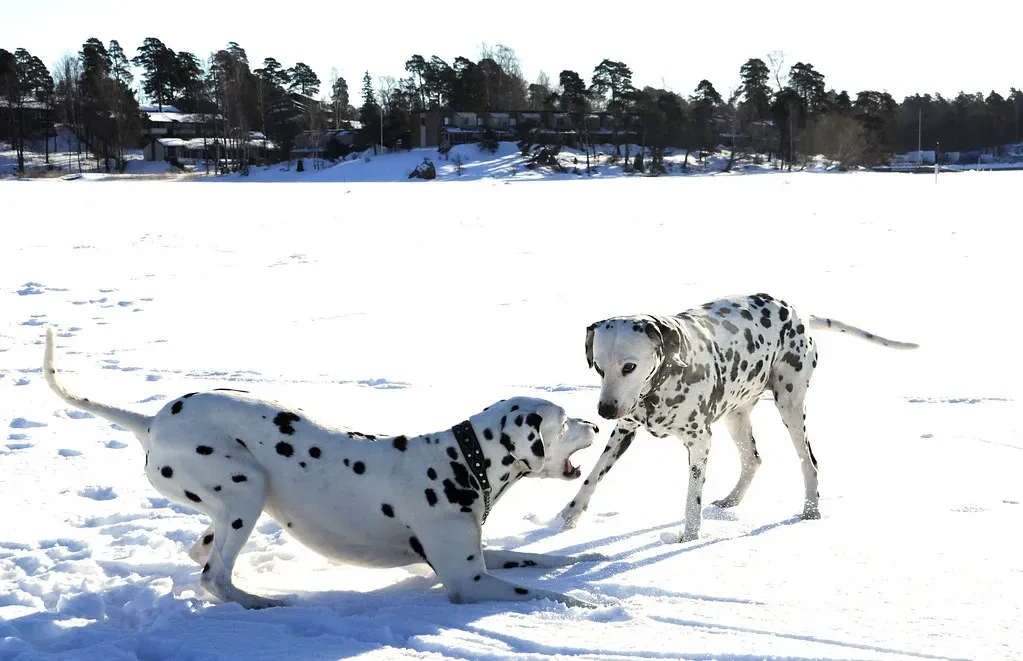
Between 18% and 30% of Dalmatians are deaf with roughly 5% being deaf in both ears. That’s a staggering number when you think about it. Up to 30% of Dalmatians worldwide are reported to be suffering from congenital deafness, and deafness, especially full bilateral deafness affecting both ears, can seriously impact a dog’s safety and quality of life.
Their history as independent workers has left them with an independent personality that can, at times, lead to stubbornness, and the Dalmatian temperament has been known to be aggressive with strange dogs, and aloof with strangers. Training a deaf dog requires visual cues and specialized techniques that most average dog owners aren’t equipped to handle.
Breeds like the Greyhound, Saluki, or Dalmatian may have a high prey drive, leading to potential difficulties when cohabitating with small animals or in off-leash environments. They also have unique dietary needs because of their predisposition to urinary stones. It’s not a simple “buy any kibble and go” situation.
The Australian Cattle Dog: The Velcro Dog With Teeth

Cattledogs were bred to control large herds and to protect animals and property from thieves, so working dogs are supposed to be suspicious of strangers and to protect territory. Other forms of aggression common in cattledogs are resource guarding, food guarding, and guarding spaces from people, other dogs, or both.
This can sometimes lead them to display behaviors like nipping at heels, which can be mistaken for aggression. Picture having a family gathering and your dog constantly trying to herd your toddler by nipping their ankles. Many dog trainers describe Blue Heelers as “advanced-level dogs” due to their sharp minds and the intensity of training they need.
Without proper guidance, their protective nature can turn into aggression, and this breed needs regular exercise and mental stimulation. They’re not a dog you can leave alone in an apartment all day while you work. Blue Heelers are one of the most exercise-needy dog breeds in the world, and unlike most dogs that do well with just 1–2 walks, Australian Cattle Dogs require structured, robust activity.
The Jack Russell Terrier: Small But Mighty Chaos
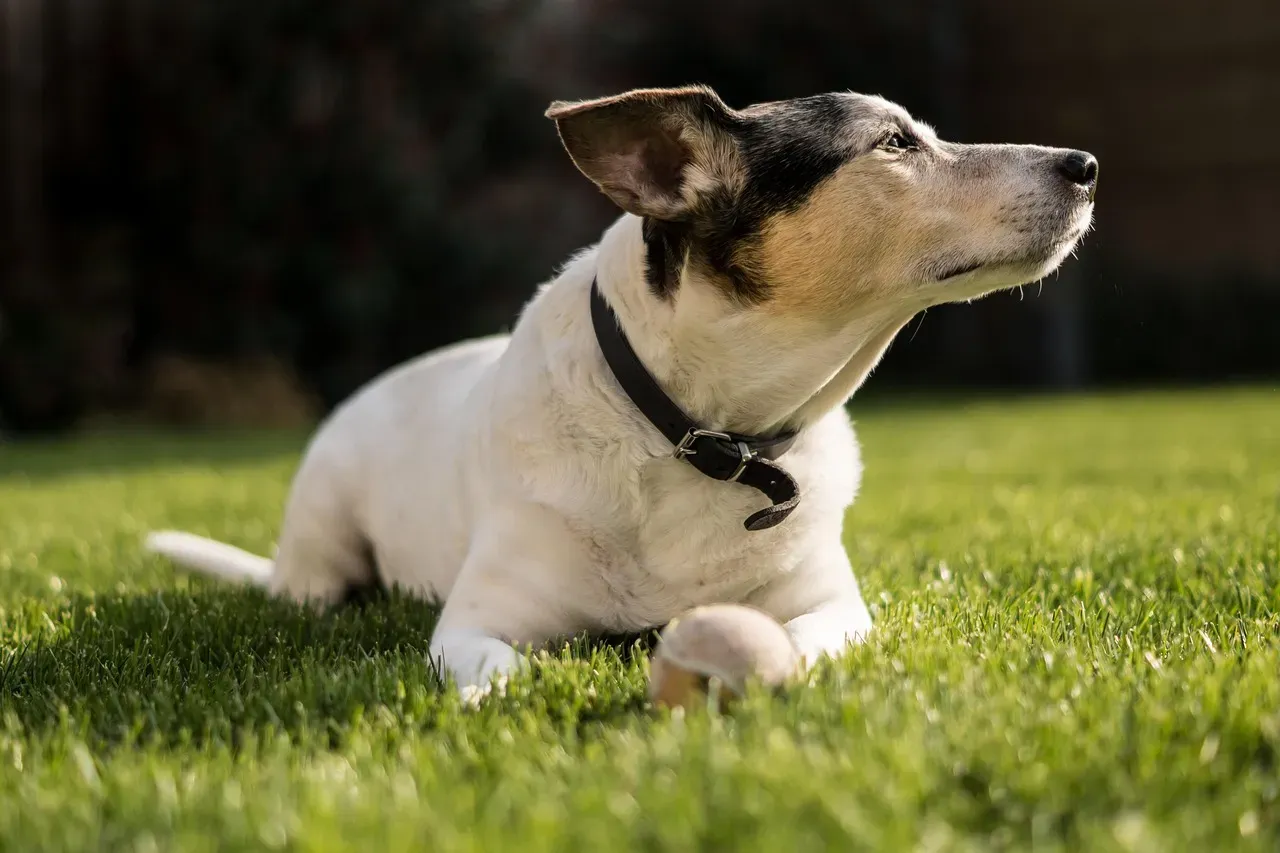
Don’t let the size fool you. Jack Russells are notorious for their stubborn streak and high prey drive, which often leads them to chase anything that moves, and this independent nature means they tend to follow their instincts over commands. They’re like tiny dictators wrapped in adorable fur.
Without proper outlets for their energy, they can easily turn destructive, chewing furniture or digging tirelessly to entertain themselves. These dogs were bred to hunt foxes, so they’ve got determination hardwired into their DNA. The Jack Russell Terrier was bred to hunt small prey like foxes, so it’s no surprise they often act like they’re on their own mission.
Their energy levels are through the roof. You might walk three miles and come home to find your Jack Russell still bouncing off the walls. Training needs to be consistent and firm, but never harsh, because these little guys will absolutely hold a grudge.
The Beagle: Nose First, Brain Second

Bred for scent tracking, they’ll follow their noses over your voice any day. Imagine calling your Beagle’s name fifty times while they’re locked onto a scent trail. They genuinely cannot hear you. This breed’s exceptional sense of smell often leads them to be easily distracted by scents, making training a challenge.
Most Beagles have high amounts of energy, which is why they are hard to train, and they are independent and take longer to get used to commands, but with consistent training and a lot of patience, training a Beagle is certainly achievable. The key word there is patience.
Even if they are a bit stubborn, owners can overcome that with treats because beagles are usually motivated by food, though they cannot resist exploring the world through scent and chasing small creatures. Food motivation helps, but it’s not a magic solution when your Beagle has caught wind of something interesting three yards away.
Conclusion
Loving a dog means understanding what they truly need, not just what we want them to be. These breeds aren’t impossible to raise, but they demand more time, energy, and commitment than many people anticipate. Their popularity often masks the reality of living with them day in and day out.
If you’re considering one of these breeds, ask yourself honestly whether you’re ready for the challenge. Can you provide hours of exercise and mental stimulation daily? Are you prepared for potential behavioral issues that stem from unmet needs? Do you have the patience to work through stubbornness and independence?
The dogs themselves aren’t the problem. They’re just being exactly what they were bred to be. The issue arises when owners expect a laid-back companion and end up with a high-drive working dog. What’s your experience been with challenging breeds? Did anything surprise you about your dog’s needs?


