
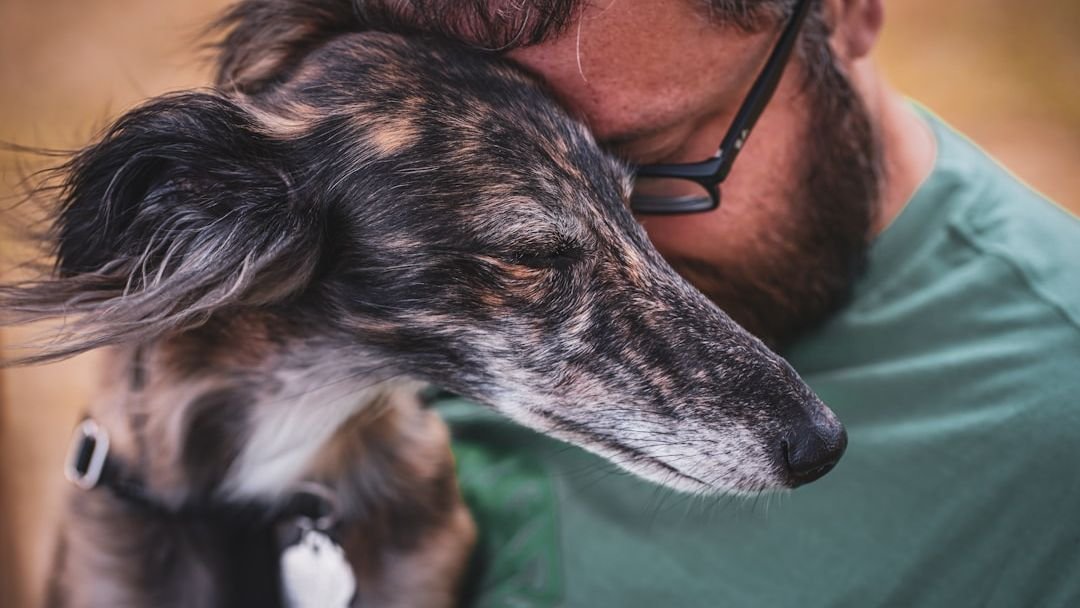
There comes a moment in every dog owner’s life when the unthinkable starts to feel real. Your beloved companion, the one who’s greeted you at the door for years, who’s been your shadow through thick and thin, begins to slow down in ways that go beyond normal aging. It’s a shift you feel deep in your gut, even if you’re not ready to name it.
This isn’t an easy topic. Honestly, it’s one of the hardest things you’ll ever navigate as a dog parent. Yet knowing what to look for, understanding the signs, and preparing yourself emotionally can make a world of difference for both you and your furry friend. Let’s walk through this together.
The Physical Signs That Your Dog’s Body Is Changing

Changes in your dog’s mood, a cough caused by poor circulation, panting even when resting, a decline in appetite, weight loss, loss in mobility, and incontinence can be signs that your dog may be approaching the end of their life. As your dog’s body begins to pass on, it will instinctively protect the systems most important in keeping the body alive, with blood flow, oxygen, and energy diverted to the heart and lungs while other areas receive less attention.
You can see this change physically when examining your dog’s gums, as instead of their usual pink color, they will look dull gray, white, or even blue. This is your dog’s body doing what it needs to survive, even as it struggles.
Pay close attention to breathing patterns. Dogs with advanced heart disease may have significant coughing and difficulty breathing, which can be distressing to witness. Weight loss is another telltale sign, particularly when it becomes rapid or extreme despite your best efforts to tempt them with their favorite foods.
When Food No Longer Holds Their Interest

One of the most heartbreaking moments comes when your dog turns away from something they once loved. I’ve heard countless stories from dog parents who knew something had fundamentally shifted when their pup refused even the most irresistible treat.
There’s a story that circulated recently about a Golden Retriever who was offered a peanut butter cup, something that would normally send any dog into a frenzy. He didn’t even try to take it. That moment told his owner everything she needed to know.
Towards the end of life, it’s perfectly normal for your dog to refuse food. Their bodies are shutting down, and the digestive system simply can’t process nutrients the way it used to. Dogs with kidney failure or liver failure may have nausea and a lack of appetite, making eating an uncomfortable or even painful experience.
Mobility Loss and the Struggle to Move

One telltale sign a dog is dying is the loss of mobility, which can be due to pain, loss of muscle mass, a neurologic condition, lethargy, or weakness. Your dog may struggle to stand, wobble when walking, or avoid moving altogether.
This is particularly tough for active breeds or dogs who once bounded through life with enthusiasm. Dogs with significant arthritis may be unable to get up to walk to their food bowl, which fundamentally changes their quality of life.
Watch for trembling, an inability to rise without assistance, or a complete unwillingness to move. These aren’t just signs of old age anymore. They’re signals that your dog’s body is giving out.
Behavioral Shifts That Speak Volumes

Dogs can’t tell us in words how they’re feeling, so they communicate through behavior. Behavior changes like lack of interest, lethargy, depression, anxiety or even aggression or clinginess often emerge as death approaches.
Some dogs become incredibly clingy, following you from room to room as if they need constant reassurance. Others withdraw completely, seeking out quiet corners where they can be alone. Both responses are normal and reflect how your dog is coping with the changes happening inside their body.
Restlessness is a common sign that the body is preparing to pass on, presenting as an inability to settle down and the appearance of being uncomfortable, with pacing around or spinning in circles. This can be one of the harder symptoms to manage because it’s clear your dog is distressed.
Understanding Quality of Life Assessments

Here’s the thing: knowing when it’s time isn’t always obvious. If you observe that moments of discomfort outweigh your dog’s capacity to enjoy life, it is time to euthanize, even if your pet still experiences pleasure in eating or socializing.
Dr. Alice Villalobos, a veterinary oncologist, has created a quality-of-life scale that provides a somewhat objective method for evaluating the very subjective experience of day-to-day living, designed to be used at home for periodic re-evaluation and to guide conversations with your vet.
If several or all categories have declined, it may be time to consider an end-of-life visit, though in other cases your pet may be doing well in four categories but one aspect of life has declined so much that euthanasia is the kindest choice. Pain alone can be enough.
Recognizing Pain in Your Dog

When cats and dogs are suffering, they may not show outward signs like whimpering or crying, and sometimes an animal will continue to eat or drink despite pain or disorientation, with signs including excessive panting or gasping for breath, reclusiveness, reluctance to move and food pickiness.
The general answer is that if the condition would be painful to a human, it is also painful to your pet, though they don’t attach emotion to their pain, showing evidence very differently than people do, making it sometimes difficult to tell how much pain our pets are experiencing.
Look for subtle cues: a reluctance to be touched in certain areas, a change in posture, glazed eyes, or unusual vocalizations. These are your dog’s way of telling you they hurt.
The Role of Veterinary Hospice Care

Pet hospice care, also known as palliative care, is an option if your pet is suffering from a terminal illness and a cure is not possible, with the goal to make a pet’s final days or weeks more pleasant with proper use of pain medications, dietary strategies and human interaction.
A participating veterinarian will teach pet parents how to provide intensive home care to keep an ill pet as comfortable as possible, with hospice care requiring an active commitment and constant supervision from pet parents.
Many owners still elect to euthanize their pet under hospice care once their quality of life deteriorates to a certain point, with some owners preferring a natural death and others electing euthanasia. Hospice doesn’t mean you can’t make that decision when the time comes.
Making the Euthanasia Decision

Let’s be real: this is the decision that haunts every dog parent. Choosing to end a life you’ve cherished as part of the family is an impossibly difficult decision, but preventing suffering is your biggest concern.
Your veterinarian is the best person to advise you on when the time is right to euthanize, as information from medical tests is often more accurate than what a pet owner can observe, though pet owners often delay the moment in anticipation of grief.
The more times families experience the loss of a pet, the sooner they make the decision to euthanize, with owners experiencing a pet’s decline for the first time generally waiting until the very end, though afterward most of these owners regret waiting too long. This isn’t easy to hear, yet it’s something to consider.
What the Euthanasia Process Actually Looks Like

Euthanasia provides a painless, peaceful end for a pet who would otherwise continue to suffer. Understanding the process can help ease some of the fear surrounding this decision.
Your vet will administer a first injection of a sedative and pain medication, letting your dog fall into a deep state of sleep within minutes, followed by a second injection comprised of sodium pentobarbital to trigger unconsciousness and complete the euthanasia process, the same medication used for anesthesia.
Painless euthanasia is designed to be gentle and peaceful, with most dogs showing minimal stress or behavior changes as they quickly transition to sleep. Your presence during this time can provide immense comfort to your dog.
Natural Death Versus Euthanasia
Some owners wonder if they should let their dog pass naturally at home. It’s a valid question rooted in love. The reality, however, is that natural death is not usually peaceful, and dogs with terminal illnesses could suffer for days from pain, nausea, and anxiety as their bodies begin to shut down.
There is nothing wrong with letting your dog pass naturally, and for many dogs this may be the best option for them if your dog is not struggling to breathe or in agonizing pain.
If you wish for a peaceful, calm, loving, family-oriented, in-home end-of-life experience for your pet, you will probably need to make the decision a little sooner than you want, as this decision should not be about ending suffering that has already occurred, but about preventing any suffering in the first place. Hard truth, but an important one.
Keeping Your Dog Comfortable in Their Final Days
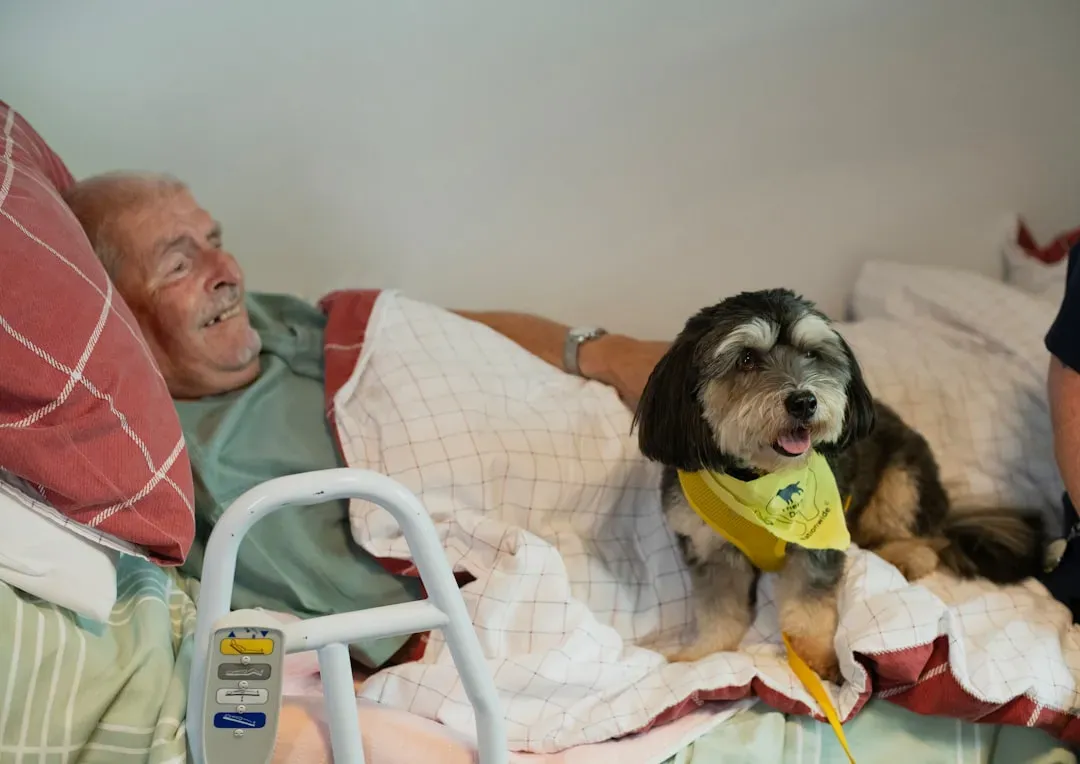
Surround your dog with favorite things like a warm blanket or special squeaky toy, and since pressure sores can develop in pets with limited mobility, provide a warm sleeping spot with plenty of cushioning.
Some older pets may develop incontinence, the loss of bladder control, so check your furry friend regularly for any wetness or soiling, and if your pet needs help getting up to urinate or defecate, you can purchase a sling or use a large towel to wrap under their body and assist.
Keep the environment calm and quiet. Minimize visitors if your dog seems stressed by activity. Maintain routines as much as possible to provide a sense of normalcy and security.
The Emotional Journey for You
This will be a time of great grief and suffering with a lot of high emotions. That’s completely normal and expected. You’re not just losing a pet; you’re losing a family member who’s been with you through some of life’s most important moments.
It is perfectly normal to grieve the loss of your pet, and it may help to memorialize your pet and share memories with others who cared about them, reaching out to friends and family for support and encouragement.
Give yourself permission to feel everything. Cry when you need to. Talk about your dog. Look at photos. There’s no right way to grieve, and there’s no timeline you need to follow.
Preparing Practical Matters

Preparing for euthanasia day is not going to be easy, however there are necessary steps you need to take to get things in order, as the more prepared you are for the day, the less hassle you’re going to run into after the process.
Decide in advance whether you want a home euthanasia or a visit to the clinic. Consider what you’ll do with your dog’s remains, whether that’s cremation, burial, or another option. Having these decisions made beforehand removes some burden from an already overwhelming day.
Talk to your family about who will be present. Some people find comfort in being there, while others need to say goodbye beforehand. Both choices are valid.
Conclusion
Death is a highly individualized experience, with no two beings experiencing it in a completely predictable way, as death is a process that begins days, weeks, or even months before a being actually leaves this world. Your dog’s journey will be unique to them.
What matters most is that you’re present, that you’re paying attention to their needs, and that you’re willing to make the hardest decision out of love rather than fear. Above all, our pets do not deserve to hurt.
This journey will test you in ways you never imagined. Yet through the tears and the heartbreak, remember that you gave your dog a beautiful life filled with love, care, and joy. When the time comes to let them go, you’ll be giving them one final gift: peace.
Have you been through this experience with a beloved dog? What helped you know when the time was right? Your story might help another dog parent facing this same impossible decision.


