
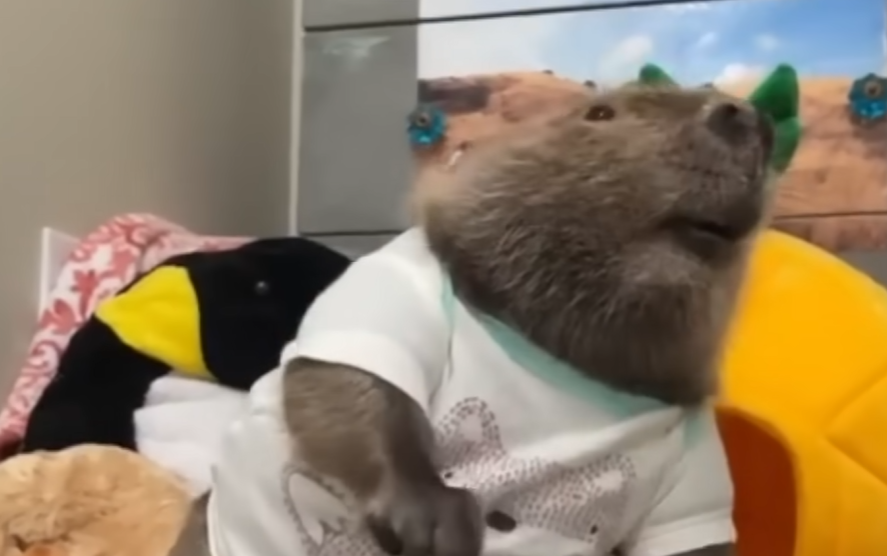
Some stories never grow old just like this adorable video of a rescued beaver at a Mississippi wildlife center that captured hearts worldwide last year. The cute beaver wowed netizens by channeling its innate engineering skills into building dams from plush toys. Orphaned as a newborn after its parents were killed, this young beaver named Tulip quickly adapted to her indoor home, stacking stuffed bears, rabbits, and blankets to create impressive barriers. Caretakers, including Holley Muraco of Woodside Wildlife Rescue, watched in awe as the instinct kicked in despite no exposure to wild dams. Here’s the thing: this isn’t just cute – it’s a powerful reminder of how deeply rooted beaver behaviors run.
The story, first spotlighted in a viral video two years ago, continues to inspire animal lovers and highlight the triumphs of rehabilitation. Social media buzz under hashtags like #BeKind and #Animals has amplified calls for better support of wildlife rescues.
Instincts in Action Amid Recovery
Beavers possess a hardwired “dam-building blueprint” triggered by the sound of running water, compelling them to engineer safe ponds even in captivity. Tulip, nursed back to health at Woodside Wildlife Rescue, selected plush toys as perfect proxies for logs and mud, forming sturdy structures that pool water effectively. This behavior signals strong psychological well-being, as gnawing on soft materials mimics wild wood-chewing. Experts praise such adaptations, noting beavers rival human problem-solving on a miniature scale. Caretakers provide these items deliberately for enrichment, transforming a simple enclosure into a personalized wetland. Let’s be real – watching nature persist like this feels like pure magic.
From Orphaned Kit to Engineering Prodigy
Tulip’s journey started with a distress call leading to her rescue as a helpless newborn, her family lodge destroyed. Standard rehab protocols followed: medical checks, gradual habitat introduction, and plenty of chewable toys. Within days, dams appeared, boosting her engagement and contentment. Holley Muraco documented the progress, sharing how Tulip’s rapid adaptation underscores rehab success. Similar tales from other rescues, like beavers using towels or decorations, show this isn’t unique but profoundly instinctual. The facility now sees surges in donations and volunteers, proving one beaver’s story sparks real change.
Enrichment Strategies Revolutionizing Rehab
Traditional enclosures bore rodents like beavers, risking stress and health woes, but plush toys offer safe, stimulating alternatives. Tulip’s dams replicate wild ponds up to two meters deep, fostering natural behaviors crucial for thriving. Other centers experiment with setups for otters and muskrats, inspired by successes like hers. Debates linger on release feasibility for such imprinted animals amid human-wildlife conflicts. Funding remains key, as rescues battle habitat loss with community backing. This approach bridges care and wild spirit seamlessly.
Final Thought
Tulip’s toy dams remind us that kindness unlocks animal wonders we rarely witness. In a world of lost habitats, stories like hers fuel conservation empathy. What enrichment would you offer a beaver? Share in the comments.
Source: Original YouTube Video


