
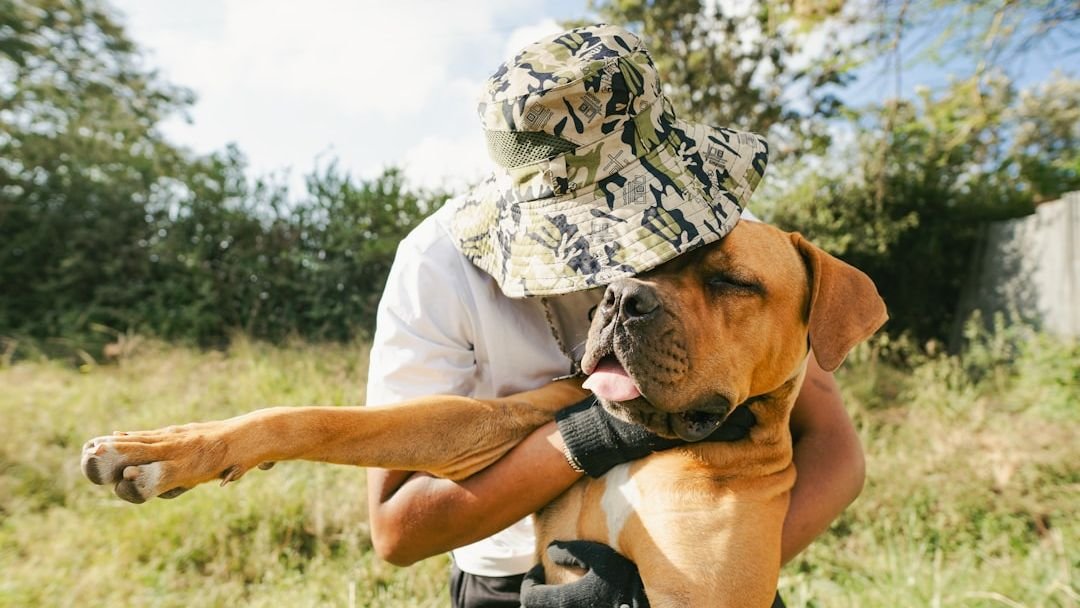
There’s something magical that happens the moment a shelter dog realizes they’re finally home. You know that moment. Maybe you’ve seen it in a video, or lived it yourself. The tail starts wagging a little faster. The eyes brighten. The whole body language shifts from cautious to hopeful.
Every year, millions of dogs enter shelters, each one waiting for someone to see their potential. Some have been there for days, others for months. Yet despite the uncertainty and the stress of shelter life, these dogs possess an incredible ability to love again. Honestly, it’s one of the most humbling things to witness. So let’s dive into why rescue dogs don’t just make good pets. They bring something deeper into our lives.
The Remarkable Resilience Behind Those Shelter Kennel Doors
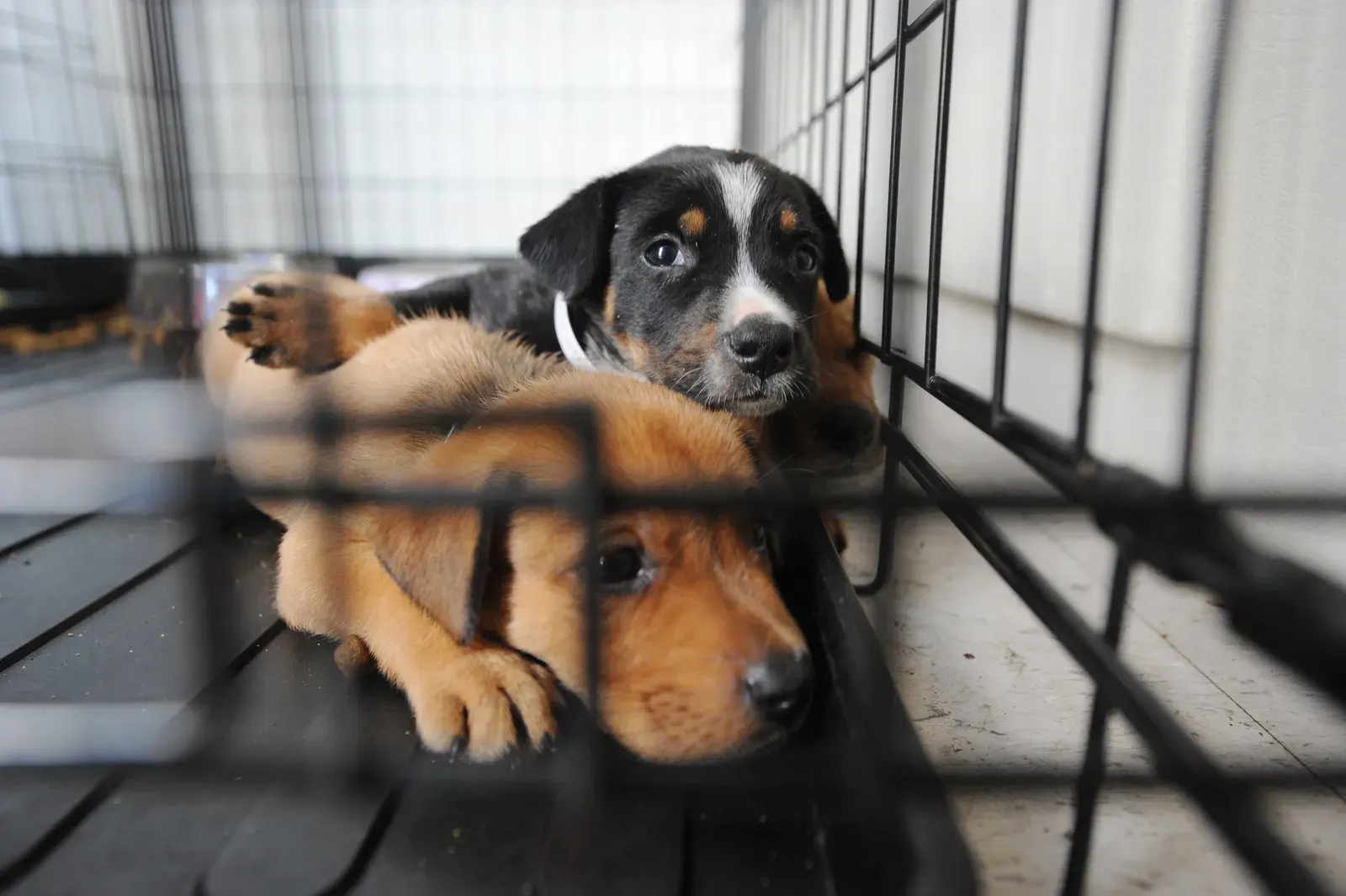
Animal shelters and rescue groups sheltered over 5,766,000 animals in 2024, including roughly three million dogs. That’s a staggering number. Let’s be real though, behind each statistic is a living, breathing soul who’s experienced upheaval.
What strikes me most is how adaptable these dogs prove to be. The personality of dogs affected their reaction to adoption, with bolder dogs becoming even more active and playful as changes correlated to time since adoption. They’re not broken. They’re survivors. Research shows that every responding owner felt their dog adjusted well to their new environment in studies tracking post-adoption behavior.
The shelter environment itself can be overwhelming for any dog. Constant barking echoes off concrete walls. Unfamiliar smells assault sensitive noses. Yet most dogs maintain their capacity for trust and affection through it all.
Understanding the 3-3-3 Rule: Your Roadmap to Connection

The 3-3-3 Rule helps adopters understand the timeline for a rescue dog’s adjustment: 3 days to decompress, 3 weeks to learn routines, and 3 months to feel fully at home. Think of it as your new best friend’s emotional GPS.
During those first three days, your dog is essentially in survival mode. Typically during the first few days in a new home, you’ll see more shutdown behavior or caution at exploring new things. Don’t take it personally if they won’t eat much or seem withdrawn. They’re processing an entirely new world.
Around the three-week mark, something shifts. By around three weeks after arriving at their new home, most dogs are getting more comfortable with the routine and starting to show their normal behavior and temperament. Here’s the thing though – you might also see behaviors you didn’t notice initially. That’s actually a good sign. It means they’re relaxed enough to be themselves.
By three months, for most pets, it takes on average 3 months to fully become comfortable and acclimated to their new home. Some need longer. Some adapt faster. Every dog writes their own adjustment story.
The Science Behind the Bond: Why Rescued Dogs Love Differently
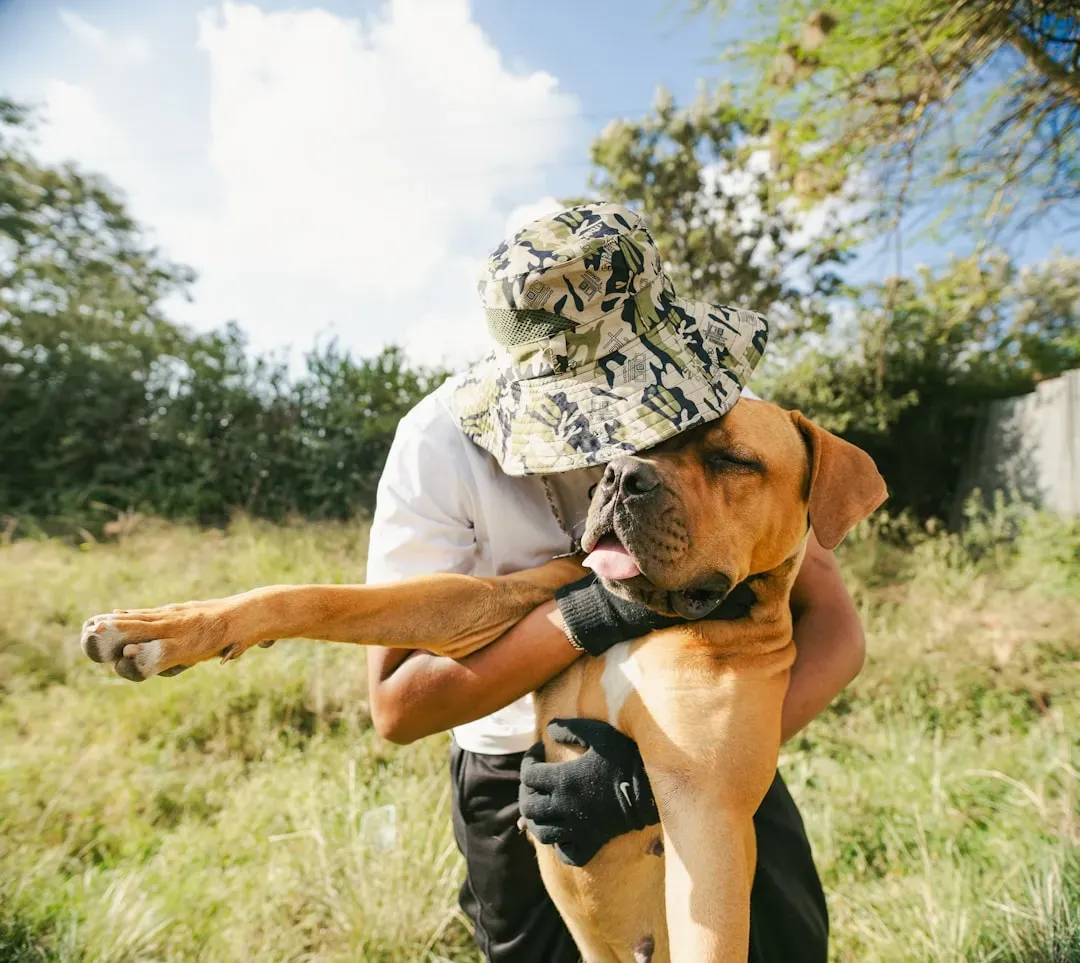
People often ask if rescue dogs somehow “know” they’ve been saved. While we can’t ask them directly, the research paints an interesting picture. Pet owners had higher levels of positive emotions and lower levels of negative emotions compared to non-pet owners, according to studies published in the Journal of Positive Psychology.
There’s actual biological magic happening when you spend time with your dog. Dopamine, oxytocin and serotonin are released, which make us feel happy and reduce stress. It’s a two-way street of wellness. Interacting with animals has been shown to decrease levels of cortisol and lower blood pressure.
What fascinates me is how quickly this bond forms. Odds of eventual satisfaction are higher for participants who spent less than a week considering an adoption or were seeking a pet to provide companionship and affection. Sometimes the heart just knows.
Real Talk: Behavioral Adjustments You Might See
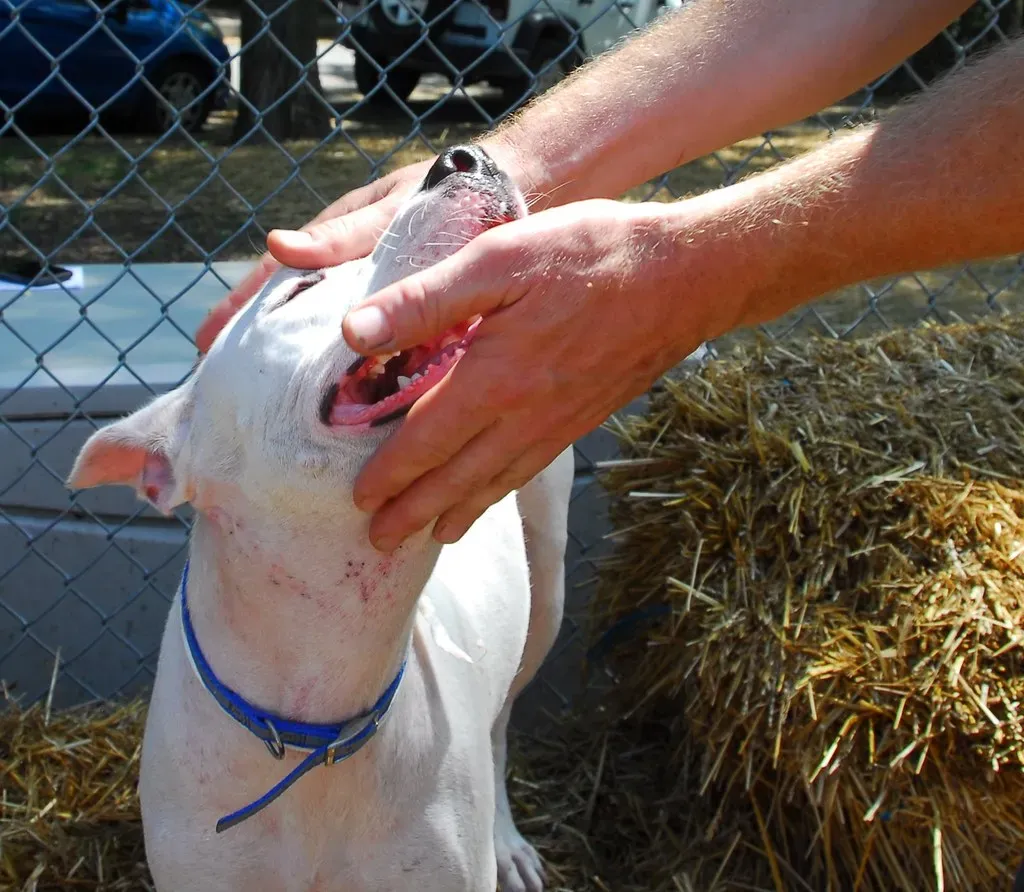
Let’s address the elephant in the room. Rescue dogs aren’t perfect Instagram models from day one. Stranger-directed aggression was reported to increase in frequency, from just 62% of dogs displaying this behavior ten days post-adoption to 77% at the 180-day mark. Sounds scary, right?
Here’s the context you need. This often reflects growing territorial behavior as dogs settle into their homes and become more protective of their space. Some of the items in the stranger-directed aggression subscale address territorial behavior, which would be expected to increase over time as the dog settles into their new home. It’s not necessarily true aggression.
Separation-related behaviors are incredibly common. There was a very high prevalence of separation-related behaviors reported in studies, with 87.5% at 180 days. Your new dog might shadow you from room to room initially. They’ve lost everything familiar, and you’re their lifeline. Patience and gradual independence training work wonders here.
The good news? 94% of owners rated their dog’s behavior as either excellent or good in comprehensive behavior studies. Most challenges are manageable with consistency and understanding.
Creating the Perfect Welcome: Practical Steps for Success
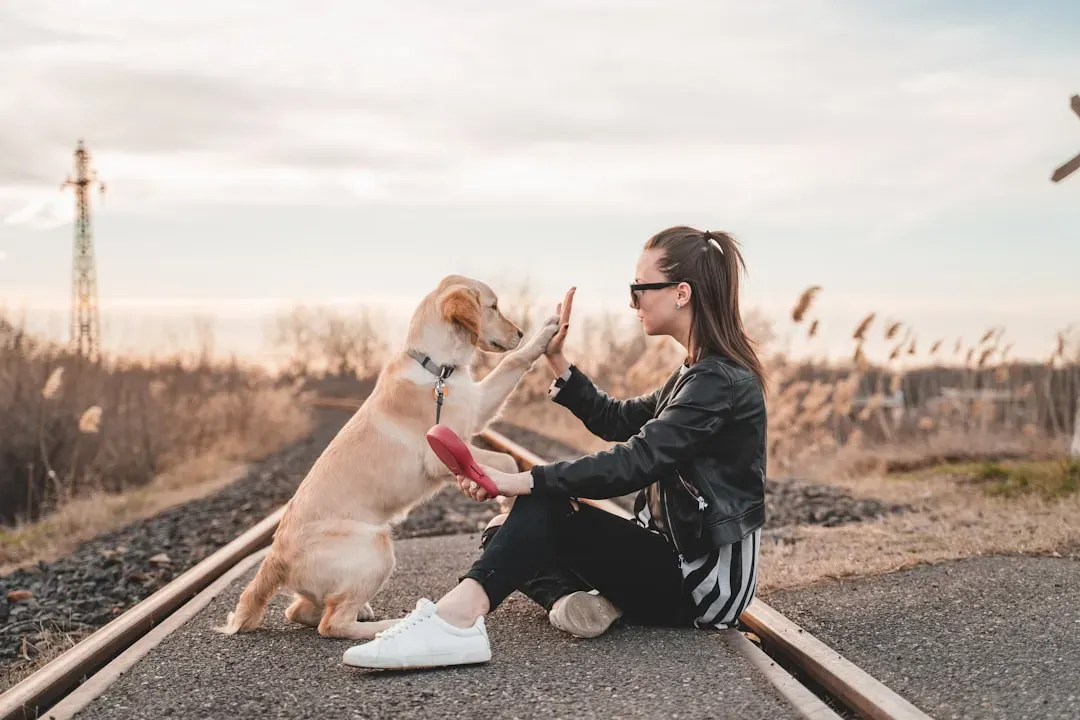
The secret to being successful when adopting a rescue dog is by first giving the new dog time to adjust to you, your family, the home, and other pets in the new environment. Resist the urge to show them off to everyone immediately, even though you’re bursting with pride.
Establish a routine from day one. Get into a routine, be patient and stay positive, stay calm and give clear direction including setting boundaries. Dogs find security in predictability. Same feeding times. Same walking routes initially. Same bedtime rituals.
Provide lots of outlets for sniffing, as it helps them relieve stress and provides mental stimulation, with 20 minutes of sniffing comparable to 60 minutes of a traditional walk. Those leisurely sniff walks where your dog investigates every blade of grass aren’t wasting time. They’re decompression therapy.
Keep initial outings mellow. When outside the home, keep your outings mellow and don’t greet neighbors and other dogs on leash, as you and your new dog are just getting to know each other and your new dog may not be comfortable with all people and situations. The dog park can wait.
The Lifesaving Reality: Why Your Adoption Matters More Than You Think
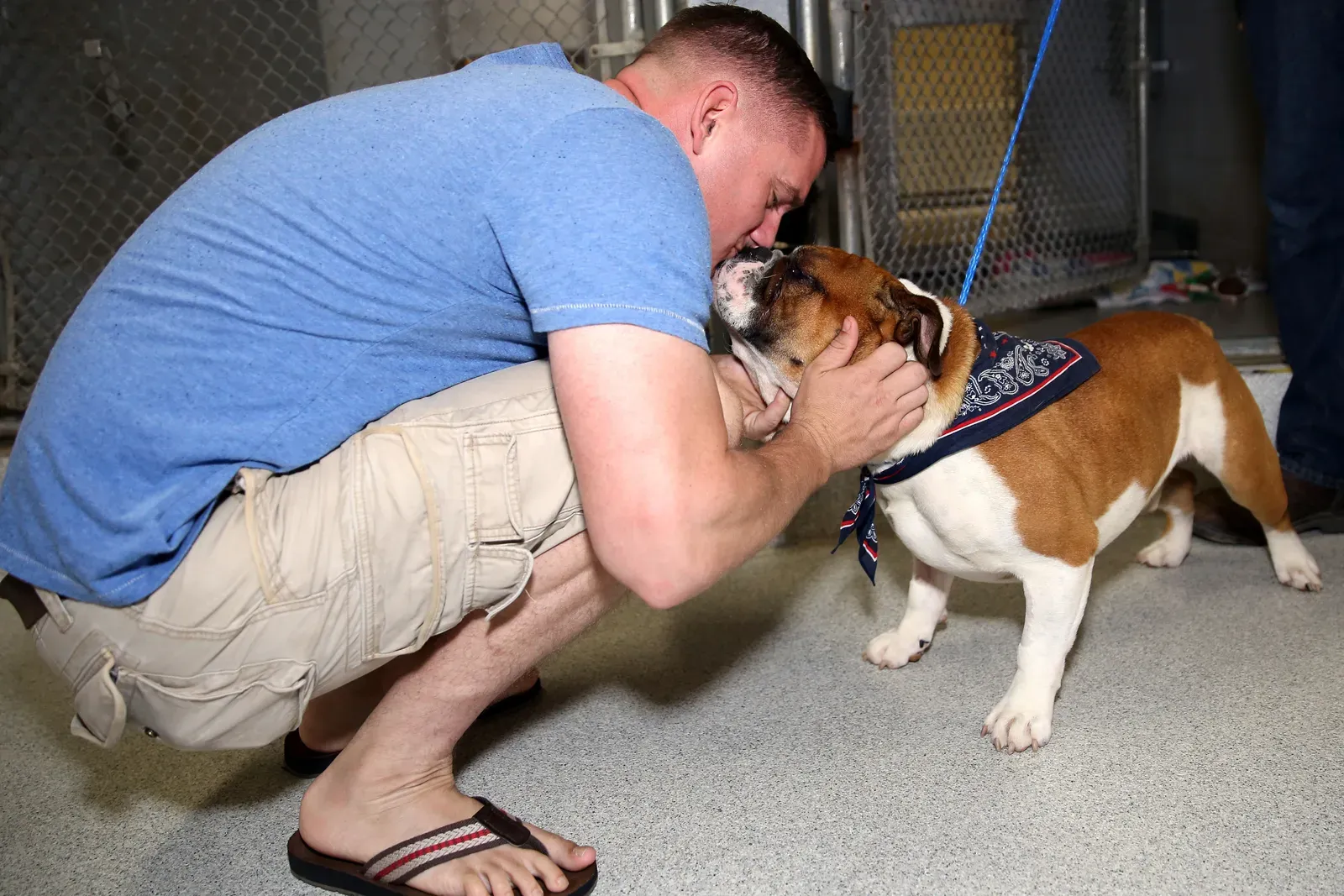
About 607,000 animals were euthanized in 2024, a decrease from around 690,000 in 2023. Progress, yes. Still heartbreaking. Adoptions have continued trending upward, increasing by 3.9% overall in recent data, which offers real hope.
When you adopt, you’re not just saving one life. You’re opening a kennel space for another dog who desperately needs it. 88% of people choose to adopt pets because they want to save animals. It’s perhaps the most ethical choice in pet ownership. Mixed breeds account for 54% of adopted dogs, while 25% of shelter dogs are purebreds. You might even find that specific breed you’ve been dreaming about.
The financial aspect makes sense too. While it can cost over $1,000 to buy a purebred dog, most animal rescues will have adoption fees that cost less than $300. That fee typically covers spaying or neutering, vaccinations, and microchipping. You’re getting tremendous value while doing tremendous good.
The Joy That Keeps on Giving: Life With Your Rescue Dog
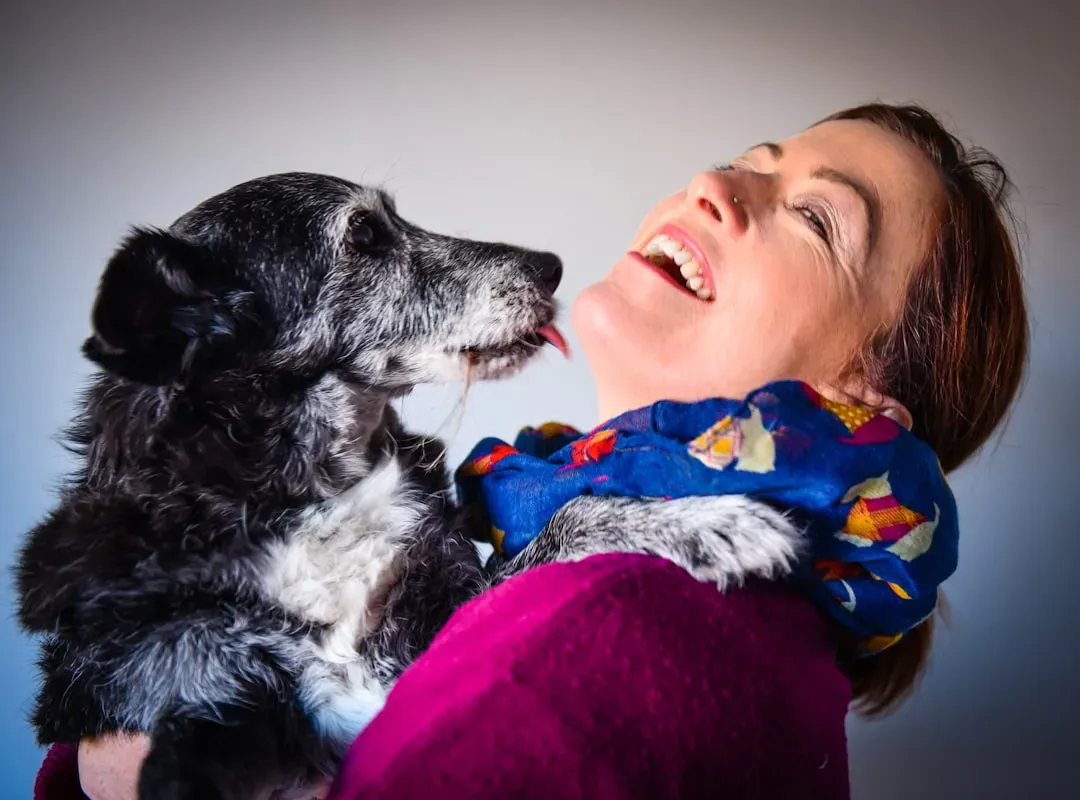
There’s something about a rescue dog’s gratitude that hits different. It’s in the way they look at you during quiet moments. The enthusiastic greeting when you return from the grocery store. The gradual increase in confidence as they realize this home is permanent.
I think about the adopters who report life-changing experiences. Dogs don’t just provide companionship. They create structure, encourage exercise, facilitate social connections, and offer non-judgmental emotional support. Pet owners report lower levels of depression, and the presence of a pet helps to alleviate feelings of loneliness and social isolation.
Your rescue dog will teach you about resilience in ways you never expected. They’ll show you what it means to trust again after disappointment. To find joy in simple moments. To live fully in the present. These aren’t small gifts. They’re transformative ones.
Every dog deserves a soft place to land. Every person deserves the unique love a rescue dog brings. The match isn’t always perfect immediately, and that’s okay. What matters is the commitment to grow together. Did you expect that adopting a shelter dog could reshape your entire perspective on loyalty and second chances? What’s your rescue story?


