
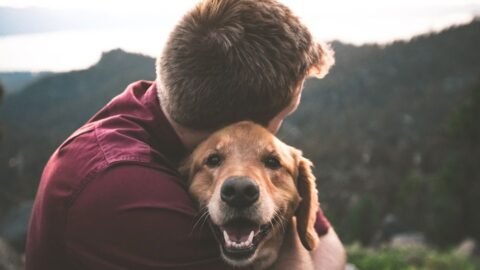
You’ve seen those stories, right? The ones with the trembling pup at the shelter, uncertain eyes searching for safety, then cut to a few months later and that same dog is running through fields, confident and glowing with trust. Adopting a rescue dog is one of the most beautiful decisions you can make, but honestly, it’s rarely as smooth as those viral transformation videos suggest.
The first year with a rescue is a wild, emotional rollercoaster full of tiny victories and moments that test your patience. You’ll watch your dog go from shut down and scared to curious, then maybe even a little cheeky as they figure out their new life with you. Some days you’ll feel like a hero, other days you might wonder if you made a mistake. Let me walk you through what actually happens during that first incredible year, so you’re ready for all of it. The messy bits, the heartwarming breakthroughs, and the deep bond that forms when you stick it out together.
The First Few Days: The Overwhelm Is Real
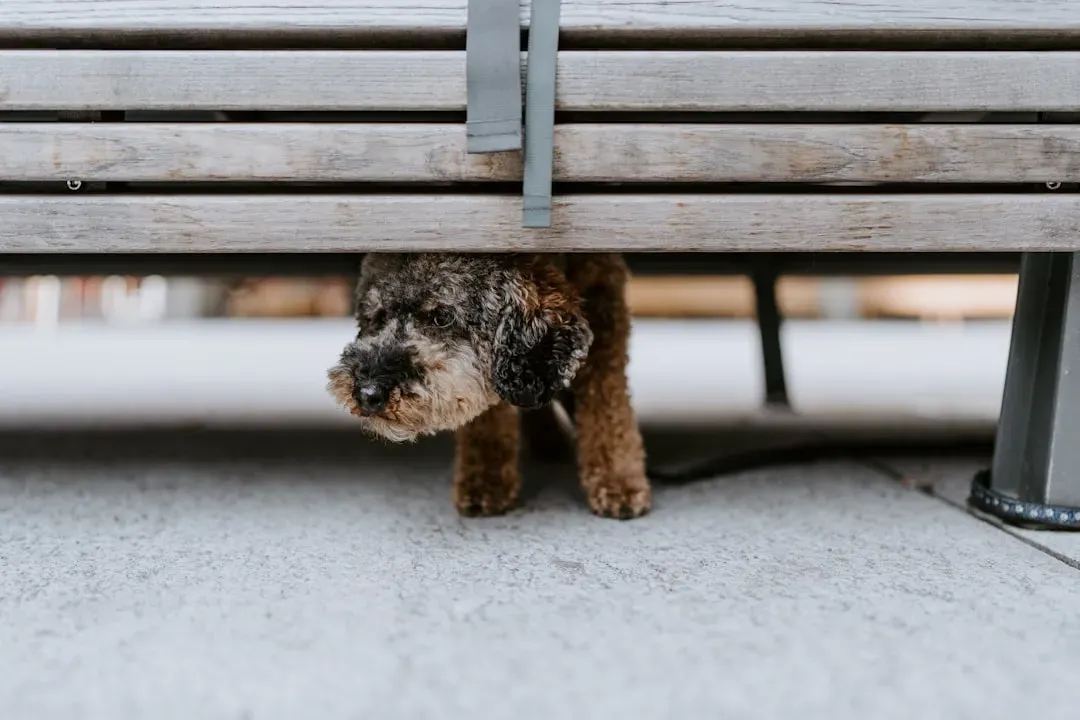
During those initial three days, your newly adopted dog will likely be feeling extremely overwhelmed, and it will be completely normal for them to act scared, rarely eat or drink, hide in a crate or under furniture, and test your boundaries with their behavior. Think about it from their perspective. Everything they’ve ever known has just been pulled out from under them.
Your dog has no idea what’s happening, and they will likely be extremely tired, confused, nervous, and even scared. Some pups shut down entirely, refusing to make eye contact or explore. Others might pace relentlessly or pant heavily despite not being hot. Typically during the first few days in a new home, you’ll see more shutdown behavior or caution at exploring new things, however, some dogs deal with stress differently and can have trouble settling down.
Resist the urge to cuddle the dog and gently lead them to their crate, allowing them to decompress in a safe place, where during this time, your new dog is watching, listening, sniffing, and absorbing information at a safe distance. This quiet observation period is crucial. It might feel like nothing is happening, but internally, your dog is processing an enormous amount of new information.
Limit exposure to new sights, sounds, and experiences, and provide a quiet and safe space for the dog to rest and recover, starting your daily routine right away but not forcing interaction. Let them set the pace. The temptation to show them off to friends or take them everywhere is strong, but patience now pays off massively later.
Three Weeks In: Personalities Begin to Emerge
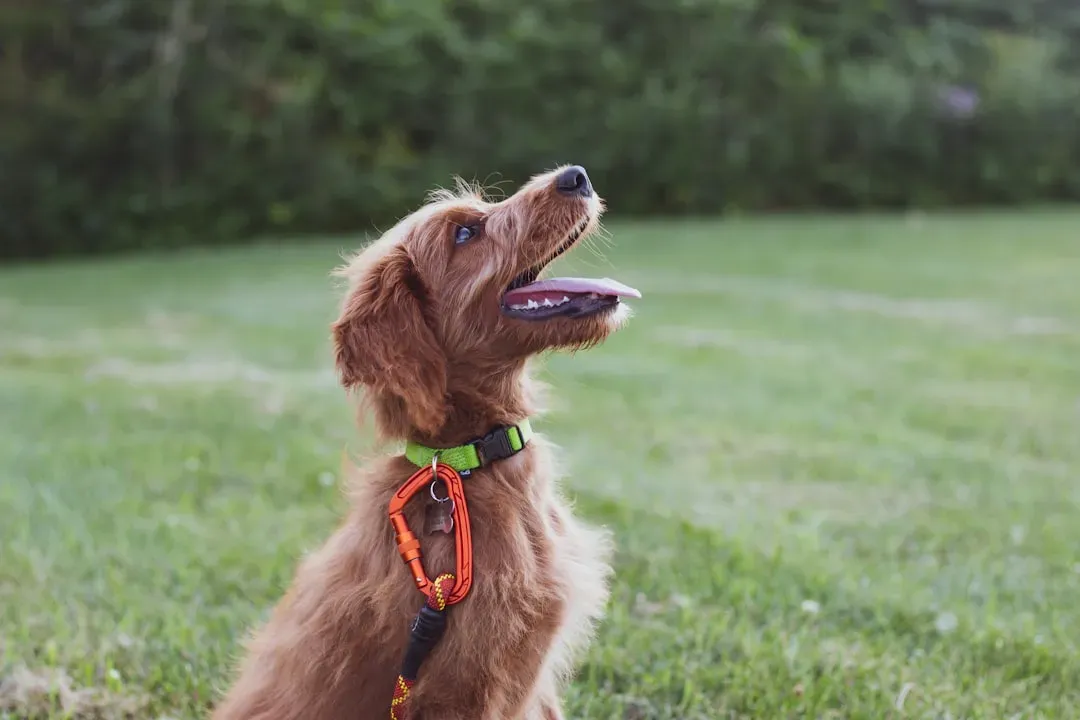
By the time the three-week mark rolls around, your dog is likely comfortable exploring his surroundings and is more responsive to you as his human, and this is also when his habits start to take hold. You’ll start seeing glimpses of who they really are beneath the stress. The quiet dog might suddenly bring you a toy. The anxious one might actually wag their tail when you come home.
By around three weeks after arriving at their new home, most dogs are getting more comfortable with the routine and starting to show their normal behavior and temperament, and you may see a dog who was initially cautious and shy start to come out of their shell, perhaps exhibiting some training issues that you didn’t notice the first few days. Here’s where things get interesting. This is when the honeymoon phase ends.
Suddenly, behaviors that were hiding under all that stress might surface. Around this time, some common behavioral issues might show up, like separation anxiety or leash pulling, and it’s a good time to start setting expectations and gently introducing training. Let’s be real, this can feel like a setback. You thought things were improving, and now your dog is barking at the mailman or refusing to walk past the neighbor’s house.
While your dog should be mostly potty trained by now, this is a good time to begin other dog training if you haven’t started already, and from sit and stay to on-leash etiquette, it’s important to be consistent and practice every day, because if you wait beyond these first few weeks to set boundaries and start dog training, your pooch will have a tougher time learning later on. Structure becomes your best friend during this phase. Dogs thrive when they understand the rules, even if they test them occasionally.
Building Trust Without Pushing Too Hard
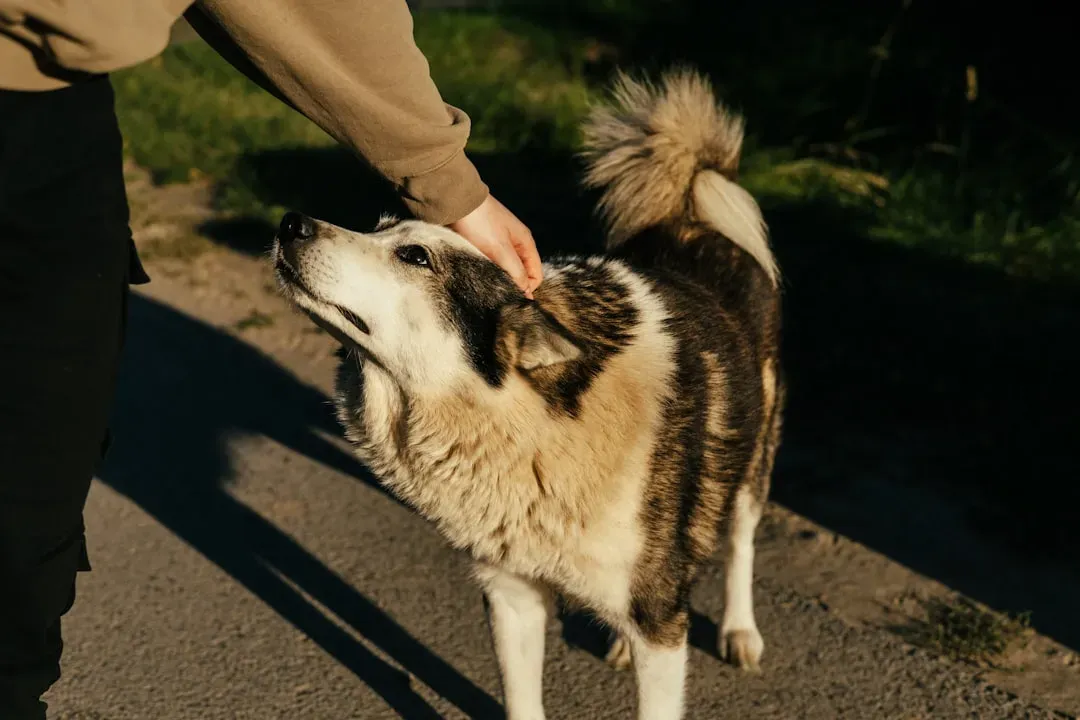
Dog trainer and behavior consultant Mary Angilly, who works with high-risk rescued dogs, believes every new puppy or dog should have ample time to decompress when entering a new home, and for fearful or anxious dogs, it could take a few weeks or months for them to start feeling comfortable in their new home. Trust isn’t instant, and frankly, expecting it is unfair to a dog who might have every reason not to trust humans.
Give them time, don’t expect instant affection or trust, as your dog might be scared, shy, or withdrawn at first, and let them adjust to their new environment at their own pace. Watch for the small signals. A dog who starts sleeping near your bedroom door instead of in the far corner of the house. One who brings you their food bowl when it’s empty. These tiny moments matter more than you think.
According to dog behaviorist Scott Salant, repetition, calmness and patience are key to getting a dog to trust you. I know it sounds basic, but staying calm when your dog is anxious genuinely makes a difference. They’re reading your energy constantly. Studies show that environmental enrichment can be an effective stress-reliever and confidence booster for dogs, and treat-dispensing toys and nosework activities are often particularly beneficial.
Use positive reinforcement to build your rescue dog’s confidence and make them feel loved, rewarding them whenever they do something you deem acceptable and want to encourage, and they will repeat that behavior. Skip the punishment. It doesn’t teach them what you want; it just teaches them to fear you. Honestly, that’s the last thing a rescue dog needs.
Health Challenges You Might Encounter
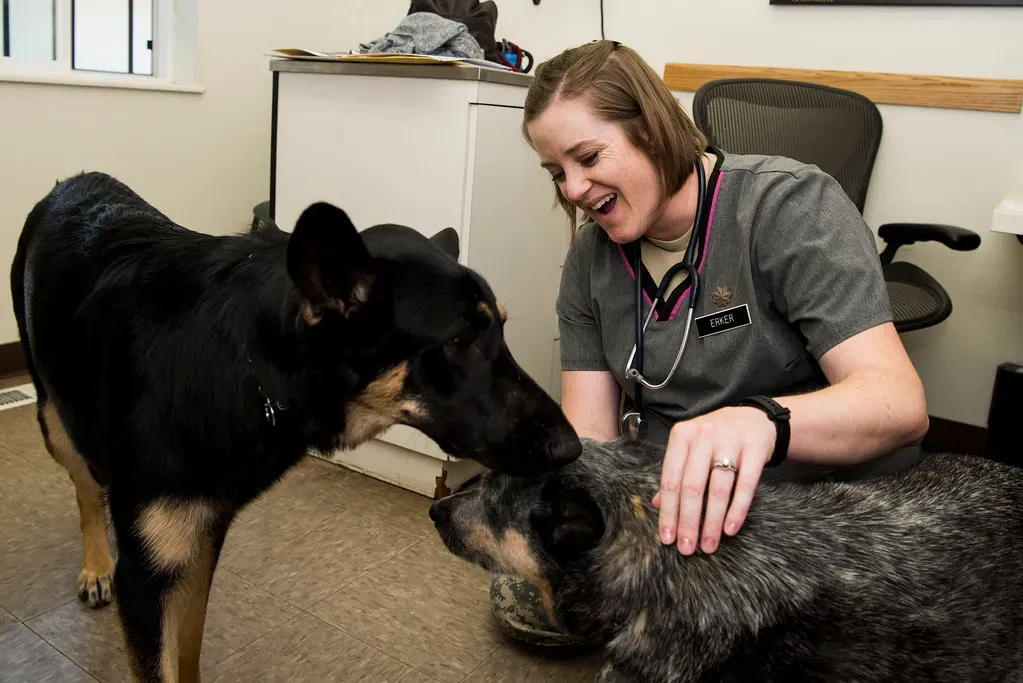
One of the most difficult parts of rescuing a canine companion is that you won’t know his or her medical history, and the shelter or rescue organization may have some brief information about any medical conditions that the dog had when they first came to them, however, you won’t have any information about their genetic history or health problems they may have had in the past. This uncertainty can be stressful, but it’s part of the rescue journey.
Kennel cough is an extremely contagious viral infection that affects your dog’s respiratory system, and despite shelters’ best efforts to prevent this disease, kennel cough can progress quickly, so you need to seek veterinary treatment right away, though if treated early, kennel cough will completely clear up and there will be no long-term effects for your new pet. Keep an eye out for that honking cough or excessive lethargy in the early weeks.
Skin problems, whether they’re due to allergies, a flea infestation, dry skin or a genetic condition, are very common with rescue dogs, and no matter what the cause, the shelter should already have the dog on a treatment plan and the condition should get better with time. Digestive issues are also incredibly common during transitions. The best thing you can do to prevent this common health problem is to keep your dog on a consistent diet.
It’s also smart to have your dog checked by a vet early on to rule out any health problems that could be causing unusual behavior. Seriously, don’t skip this. Sometimes what looks like stubbornness or anxiety is actually pain or discomfort. A thorough vet checkup within the first week or two gives you a baseline and catches anything urgent.
The Three-Month Mark: Finally Feeling at Home
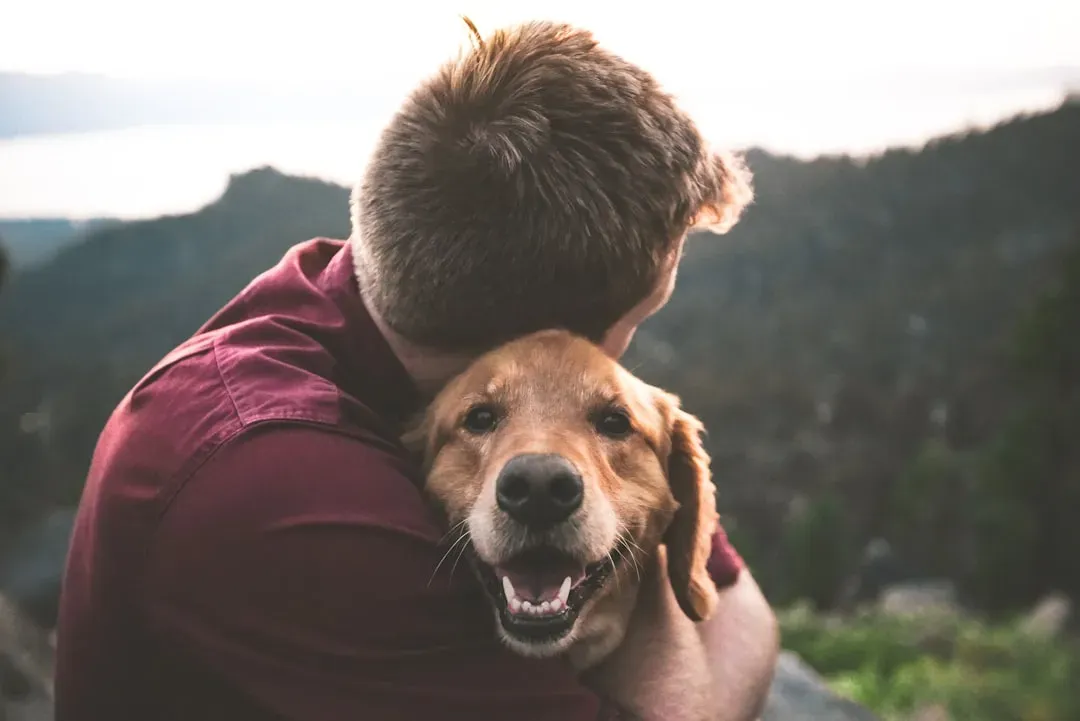
Once you and your dog hit the three-month mark together, they’re probably feeling like a full-fledged member of the family, and if training and practice with commands has been consistent, your pup has an established daily routine and has built up a significant amount of trust in you. This is where the magic starts to really happen. The dog who once cowered when you raised your hand to scratch your head now knows you’re safe.
As your pup becomes more secure in your home, you’ll start to see a lot more of his or her true personality shine through, and after three months, continue to train, challenge, and socialize with your pup, though he or she should be confident that your family is here to stay. You might notice them seeking you out for comfort when they’re nervous, or playfully stealing your socks just to get your attention. These are the moments that make everything worthwhile.
Approximately sixty-seven percent of adopted dogs display signs of previous trauma, making patience and understanding pivotal. Yet despite these challenges, the vast majority of these dogs blossom into loving, loyal companions. Despite all the behavior challenges, ninety-three percent of owners rated their rescue dog’s overall behavior as excellent or good six months after adoption, which tells us that rescue dogs are resilient and can make amazing progress, and the bond between a rescue dog and their new family is strong enough to outweigh the bumps along the way.
Continue building on your training foundation. Teaching simple commands like sit, stay, and leave it helps establish communication and structure, and this also reduces undesirable behaviors by giving your dog clear instructions. The consistency you maintained in those early weeks pays massive dividends now. Your dog understands the household rhythm and feels secure within it.
Conclusion
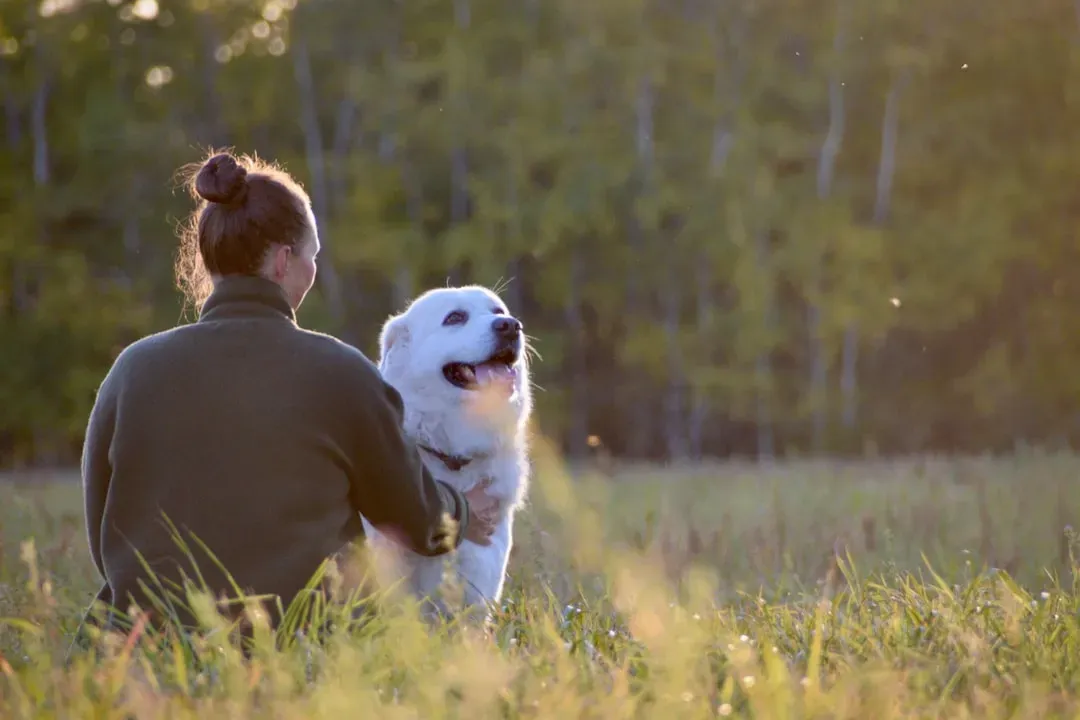
That first year with a rescue dog is unlike anything else. It’s messy and beautiful and sometimes frustrating, but watching a scared, uncertain dog transform into your best friend is genuinely one of life’s greatest privileges. Statistics show that about two million dogs are adopted from shelters and rescue agencies every year in the United States, and while many rescue dogs can appear extra anxious or timid upfront, the success stories tend to be overwhelming.
Remember that every dog’s timeline is different. Some bounce back in weeks, others take the better part of a year to fully relax. Neither is wrong or broken. They’re just processing their experiences at their own pace. Your job isn’t to rush them or fix them, it’s simply to show up consistently with patience, boundaries, and love.
The journey from rescue to beloved family member isn’t always linear, but it’s always worth it. What surprised you most about your rescue dog’s first year? Tell us in the comments.


