
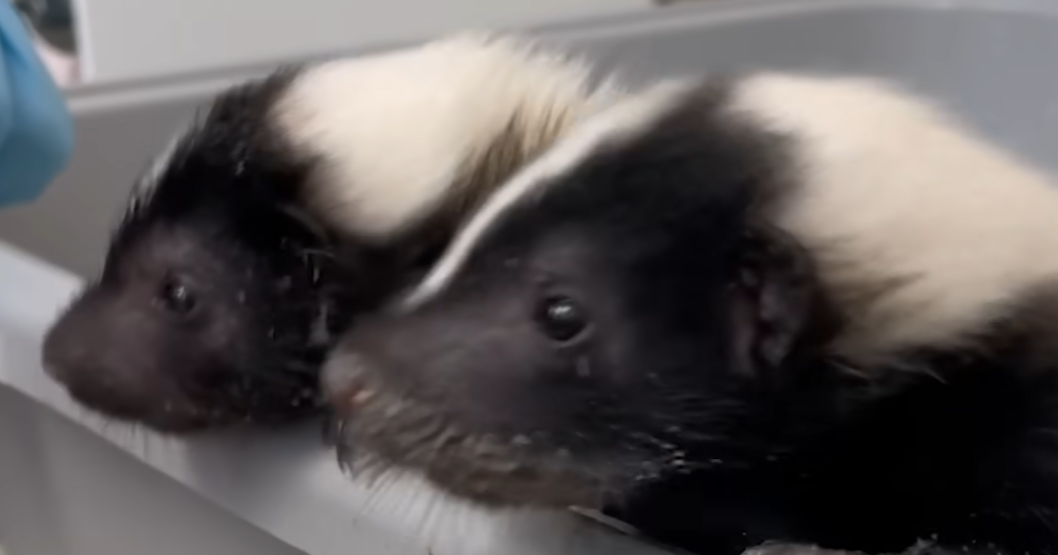
Wildlife rehabilitators know chaos comes with the territory, especially when dealing with pint-sized predators armed to the teeth. Hollie, a dedicated caregiver at a Florida wildlife clinic, recently turned heads with her account of fostering orphaned baby skunks that welcomed their newest member with a full-on spray assault. These tiny stripy fighters, rescued at just a week old, transformed a routine rehab stint into an unforgettable stink fest. What makes this tale so captivating lies in the raw instincts on display, reminding us why these misunderstood critters deserve a fighting chance.
Let’s be real: raising skunks tests even the most patient souls, blending cuteness overload with olfactory overload.
Orphaned Skunks Bounce Back from Desperate Starts
Hollie took in the initial pair of baby skunks after they were found abandoned and hypothermic, their mother lost to urban hazards. Weighing mere ounces, these vulnerable kits needed round-the-clock warmth, kitten milk formula blended into a nourishing mash, and a cozy enclosure mimicking a burrow. Within days, they perked up, tumbling in playful scuffles that hinted at their budding personalities. Daily bonding sessions built trust, while careful handling minimized stress to prevent imprinting. Hollie’s approach paid off as the duo gained strength weekly, their fur fluffing out for the cold months ahead. This early intervention proved essential, boosting their odds in a world stacked against wild orphans.
Spray War Ignites with Arrival of New Sibling
Tensions boiled over on October 7th when Hollie introduced a third baby skunk to the group, aiming to foster natural social dynamics. The originals reacted fiercely, stomping tiny feet, snarling, and unleashing puffs of musk in a back-and-forth barrage that permeated the entire clinic for nearly two days. Tails raised high, they circled in territorial frenzy, the newcomer holding firm without major casualties. Juvenile sprays pack less punch than adults, serving more as bravado to sort hierarchies than serious defense. Remarkably, the skirmish ended in truce, with the trio soon inseparable playmates. Such antics reveal how young skunks hone survival skills through mock battles right from the start.
Hollie’s Proven Rehab Routine Keeps Chaos in Check
Years of experience guide Hollie’s hands-on methods, from de-scenting procedures to enrichment that curbs boredom-fueled mischief. She transitions diets to puppy chow, insects, and fruits, tracking growth via weigh-ins to ensure steady progress. Indoor setups give way to outdoor forts piled with leaf litter, palm fronds, and scent puzzles once fur thickens for winter. Toys and tunnels channel their boundless energy, while aversion training prepares them for human-free wild life. Her clinic boasts high success rates, far exceeding the dismal 20 to 30 percent survival odds for unaided orphans. Patience defines it all, turning potential disasters into thriving releases.
Unpacking the Instincts Behind Juvenile Skunk Drama
Skunk spray, a potent thiol mix, evolves as a dual-purpose tool for warding off foes and signaling peers. Juveniles wield milder versions during play, stomping warnings before misty volleys to establish pecking orders much like wild litters. These behaviors strengthen bonds and sharpen reflexes crucial for adulthood. Experts note orphans face steep hurdles without such socialization, yet rehab programs lift release success above 70 percent. Hollie’s charges exemplified this, rooting for food and dodging humans post-release like pros. Urban sprawl orphans thousands yearly across North America, underscoring rehab’s role in biodiversity.
Navigating Urban Threats and Rehab Hurdles
Habitat loss from development leaves more skunk mothers dead or displaced, spiking orphan intakes during spring. Public skunk phobia hampers volunteers, despite rabies risks hovering under one percent of encounters. Hollie combats myths through education, securing permits for her certified facility that handles diverse species amid the sprays. Funding ebbs and flows, but viral tales like this spur donations for formula and enclosures. Spring sees 40 percent jumps in admissions, stretching resources thin. Her work flips perceptions, casting skunks as vital pest controllers rather than mere nuisances.
Final Thought
These spray-war veterans now roam protected woods, their quick adaptation a testament to skilled rehab. Hollie’s bittersweet send-offs fuel the cycle, proving one caregiver’s grit ripples through ecosystems. What surprises you most about skunk family dynamics? Share in the comments.
Source: Original YouTube Video


