

Your furry companion might have more in common with your Netflix preferences than you think. That familiar sight of your dog glued to the television screen isn’t just cute – it’s actually revealing hidden aspects of their personality that could change how we understand our four-legged family members forever.
The Science Behind Canine Couch Potatoes
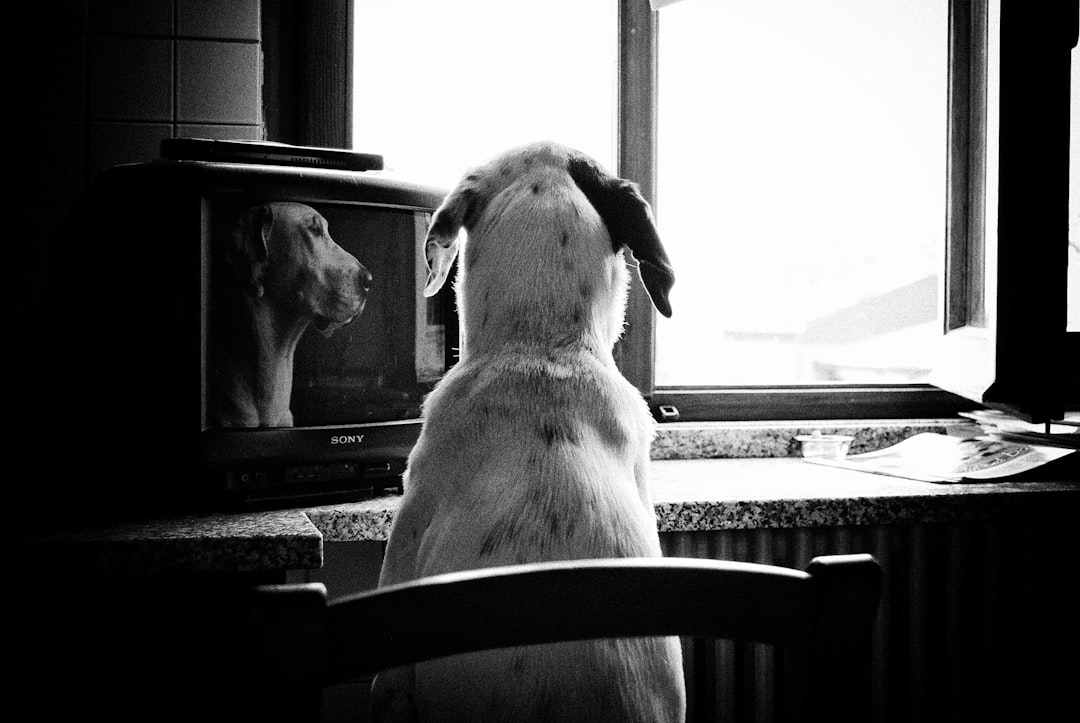
When researchers at Auburn University set out to understand dog TV habits, they uncovered something remarkable. The way household dogs engage with TV may depend on their personalities, with researcher Lane Montgomery and colleagues anonymously recruiting 650 dog owners and constructing a novel TV viewing scale to observe dog viewing habits. This groundbreaking study represents the first systematic assessment of how pet dogs interact with television programming at a population level.
Modern technology has made this research possible in ways previous generations couldn’t imagine. The lower refresh rates in older TVs caused a flickering effect, making it difficult for dogs, who are more sensitive to flicker than we are, to perceive a clear image. Modern TVs, however, have high-definition screens, higher frame rates, and specialized color palettes, making it much easier for our canine companions to check out what’s on the box.
Dogs Really Do Watch Television
The statistics might surprise even the most devoted dog parent. The study found that 88.3% of dogs in the original sample watched TV, with researchers from Auburn University showing that dogs actively respond to TV. These aren’t just fleeting glances either – dogs watched TV for an average of 14 minutes per session, proving that canine attention spans for screen time are surprisingly robust.
What makes this even more fascinating is that dogs aren’t just passively staring. Dogs appeared to accurately interpret 2D images as representations of real objects, suggesting they understand that what they’re seeing on screen represents something meaningful from their three-dimensional world.
Personality Drives Viewing Preferences

Here’s where things get really interesting – your dog’s temperament actually predicts their TV habits. Dogs reported by their owners as being excitable were observed to more frequently follow objects on-screen as if they existed in real life, with excitable dogs showing more following behaviors. Think of it like having a sports fan who follows every ball movement during a tennis match.
On the flip side, nervous pups have completely different preferences. Fearful or anxious dogs were more likely to respond to non-animal stimuli such as car horns or doorbells, with dogs with anxious or fearful tendencies showing stronger reactions to non-animal content. It’s almost like they’re natural-born critics who prefer human drama over animal documentaries.
Three Types of Canine TV Viewers
Scientists have identified distinct viewing patterns that mirror human behavior in fascinating ways. Statistical analysis revealed three main viewing patterns: animal-focused responses, following behaviors, and non-animal responses, with researchers identifying three viewing styles: animal-focused watchers, anticipatory followers, and cautious reactors to human or object content.
Each type brings its own quirks to movie night. Animal-focused watchers are like nature documentary enthusiasts, while anticipatory followers act like action movie buffs tracking every chase scene. The cautious reactors resemble viewers who prefer character-driven dramas with human interactions.
Animals Are the Ultimate Dog Entertainment

When it comes to content preferences, dogs have made their choice crystal clear. Overall, dogs were found to be more likely to react to seeing animals onscreen than to other stimuli, with approximately 45% of dogs always responding to dog noises such as barking and howling, and nearly half consistently reacting to canine sounds. This makes perfect evolutionary sense – other animals represent the most relevant stimuli in a dog’s natural environment.
The response is so consistent that it crosses all demographic lines. Breed and gender appeared to have no bearing on how they reacted, and old dogs were just as likely to pay attention as young pups, proving that age is truly just a number when it comes to canine screen preferences.
The Impulsive Dog Phenomenon
Some dogs take their TV viewing to the next level with behaviors that would make any concerned parent laugh. More impulsive dogs were more likely to follow objects off the television screen or investigate around the back of the TV to see where they went, suggesting the animals were expecting what they saw to be real. Imagine your dog becoming so invested in a nature program that they genuinely expect to find the squirrel hiding behind your flat screen.
This behavior reveals something profound about canine cognition. These dogs aren’t just watching – they’re fully engaged participants who believe in the reality of what they’re experiencing on screen.
Practical Applications for Dog Welfare
This research extends far beyond academic curiosity into real-world applications that could improve countless dogs’ lives. The research has practical applications for animal welfare, particularly in shelter environments where television programming is sometimes used as enrichment for confined dogs, with animal shelters potentially using television programming as enrichment tools, tailoring content to individual dogs’ temperaments.
For pet owners dealing with problematic TV reactions, understanding personality connections opens new training possibilities. For dog owners dealing with pets who bark excessively at television programming, understanding these personality connections could prove valuable, with differences in dogs’ temperament informing owners’ training methods in rectifying problem behaviours towards content on television.
The Future of Canine Entertainment

The research arrives at a time when dog-specific television programming is expanding rapidly, with companies like DOGTV developing content specifically designed for canine viewers, but little scientific evidence had previously existed to guide these efforts. Now, content creators have actual data to work with when designing programming for their four-legged audience.
The study’s findings suggest that television could provide meaningful enrichment for dogs, particularly when content matches their temperament, though the research also highlights potential stress factors, as some dogs may find certain stimuli overwhelming or anxiety-provoking. This balanced approach ensures that canine entertainment considers both enjoyment and wellbeing.
Your Dog’s Inner Critic
The next time you catch your dog staring intently at the screen, remember you’re witnessing something far more complex than simple curiosity. The evidence suggests that dogs experience television as a “meaningful, object-filled world” rather than mere flickering images and sounds. Their viewing choices reflect genuine personality traits that mirror our own entertainment preferences in surprisingly human ways.
This research transforms our understanding of canine cognition and opens doors to better welfare practices, smarter training methods, and even more engaging entertainment options for our beloved companions. Who would have thought that your dog’s TV habits could reveal so much about their inner world?


