
Think of the last time your dog did something wonderful. Maybe they sat politely when greeting a guest or came racing back when you called them at the park. What happened next?
If you celebrated that moment with treats, praise, or a favorite game, you were doing something powerful. You weren’t just rewarding your dog. You were building trust, strengthening your bond, and teaching them that good choices lead to good things.
Training methods have evolved dramatically over the years, moving away from outdated dominance theories toward approaches rooted in science and compassion. The evidence is now crystal clear. Rewarding good behavior creates happier, more confident dogs who actually want to learn.
Punishment, though still used by many owners, does something entirely different. It might stop a behavior in the moment, but at what cost? Let’s explore why positive reinforcement isn’t just kinder but genuinely more effective.
The Science Behind Rewards and How Your Dog’s Brain Responds
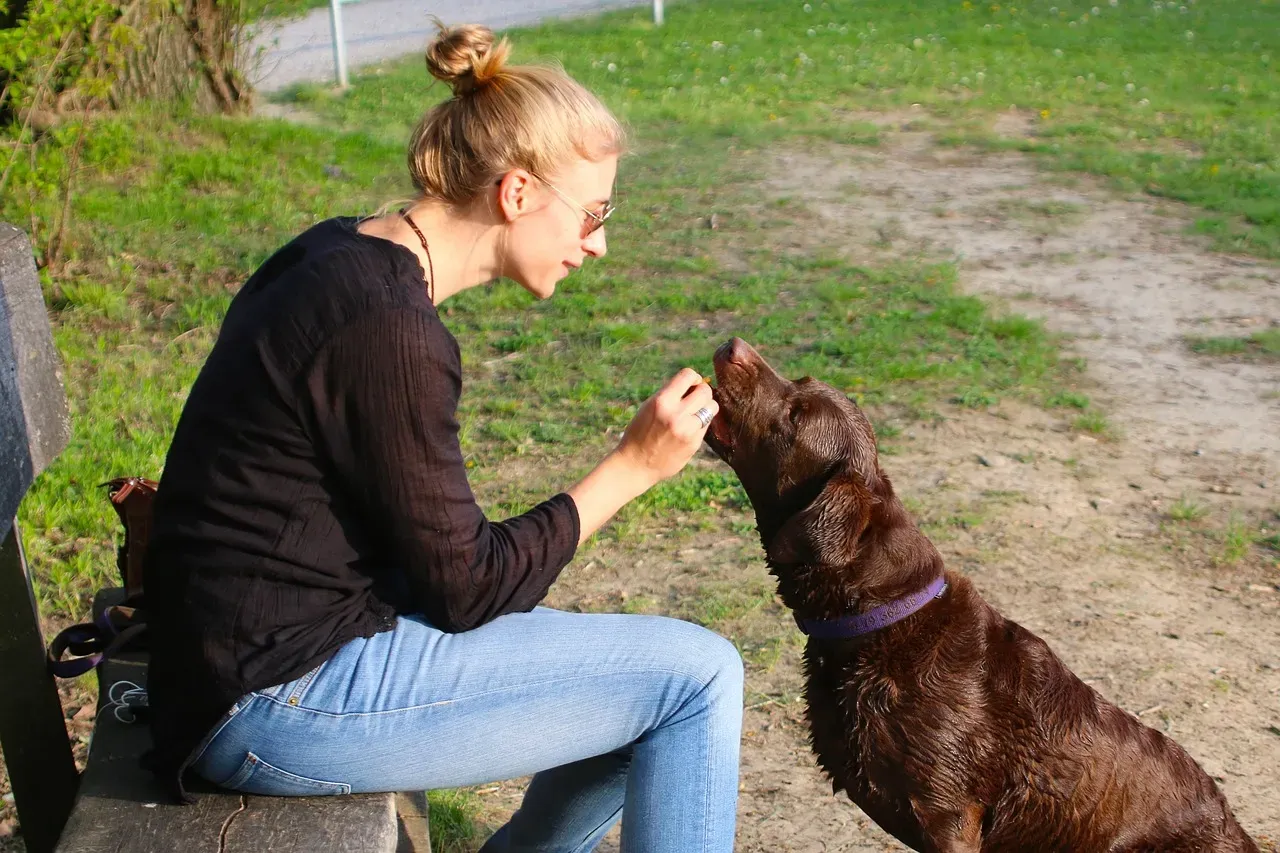
Positive reinforcement training is based on the science of animal learning and is incredibly effective. When your dog performs a behavior and receives something they love immediately after, their brain releases dopamine, a feel-good chemical that strengthens that behavior. This is basic operant conditioning, a principle that has been studied in laboratories for decades.
Two separate questionnaire studies found that dogs trained using only positive reinforcement are more obedient than dogs trained with punishment. Dogs aren’t just complying out of fear. They’re actively choosing to repeat behaviors because those behaviors have become associated with positive outcomes.
Dogs trained with positive reinforcement tend to retain learned behaviors for longer, as the association between the behavior and the reward is strong and doesn’t diminish as quickly as fear-based responses. Think about that for a moment. Your dog isn’t just obeying in the moment. They’re genuinely learning and remembering because the experience was meaningful to them.
What Punishment Actually Does to Your Dog

Dogs trained using aversive methods displayed more stress-related behaviors, were more frequently in tense and low behavioral states, panted more during training, and exhibited higher post-training increases in cortisol levels. Cortisol is your dog’s stress hormone, and elevated levels mean their body is in a state of alarm.
The stress of the aversive can cause cortisol and stress hormones to rise and remain in your dog’s bloodstream for up to 72 hours. That’s three whole days of lingering stress from a single training session. Imagine carrying that anxiety around for days after a difficult interaction.
The problems don’t stop there. Punishment damages the human-animal bond, creates mistrust, pain, fear, and agitation, and almost always actually makes the dog’s insecurity even worse while decreasing the dog’s ability to learn. Your dog may stop the unwanted behavior, but they’re also learning to fear you or the training environment itself.
Dogs Trained with Rewards Are Simply Happier
Dogs from aversive training groups were more pessimistic in cognitive bias tasks than dogs trained with rewards. Researchers discovered this by testing how quickly dogs approached bowls that might or might not contain treats. Dogs trained with punishment hesitated more, expecting disappointment.
Let’s be honest, this finding breaks my heart a little. These dogs had learned to expect the worst. Their worldview had shifted toward pessimism because of how they were taught.
Dogs trained with rewards had lower cortisol levels and showed fewer signs of anxiety, while dogs trained with punishment-based methods exhibited stress-related behaviors even outside of training sessions. The effects of harsh training don’t stay confined to the training ring. They follow your dog home, into the car, to the vet, everywhere.
The Bond Between You and Your Dog Depends on How You Train
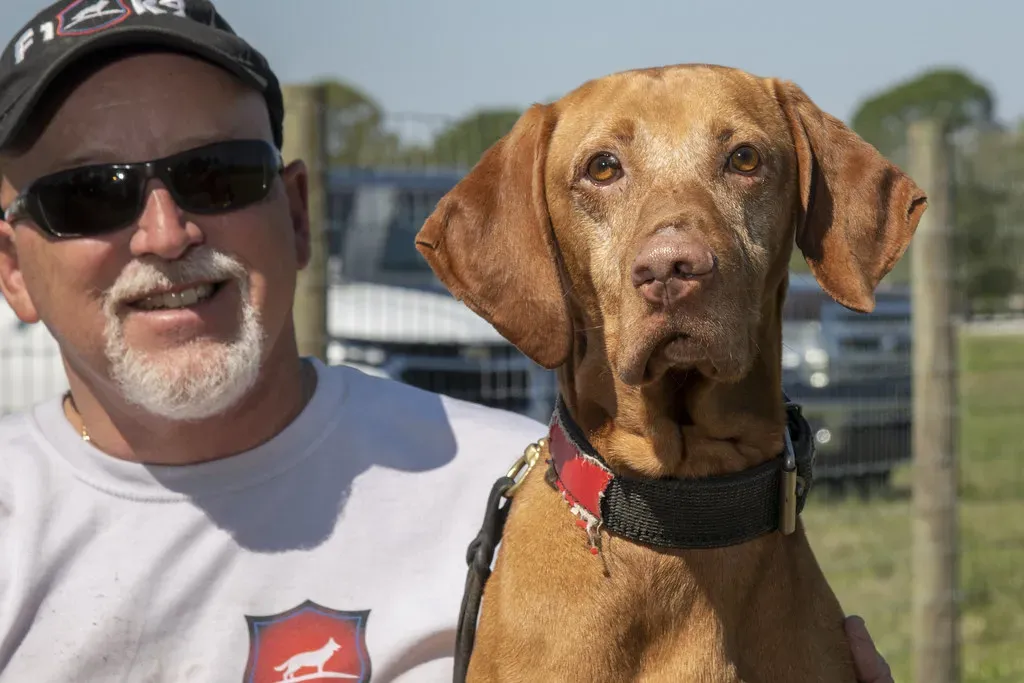
Dogs trained with reward methods showed a secure attachment that tended to be more consistent, as revealed by behaviors displayed during attachment tests. Attachment isn’t just about your dog liking you. It’s about them feeling safe with you, trusting you completely.
Positive reinforcement fosters a stronger bond between dog and owner built on trust and mutual respect, with dogs more likely to view their owners as sources of positive experiences rather than fear or discomfort. Your dog should light up when they see you, not brace themselves for potential corrections.
I’ve seen this transformation firsthand countless times. Dogs who were anxious and shut down under punishment-based methods become engaged, playful learners when switched to rewards. The difference isn’t subtle. These dogs suddenly want to participate in training because it’s become fun instead of frightening.
Why Punishment Fails More Often Than People Realize
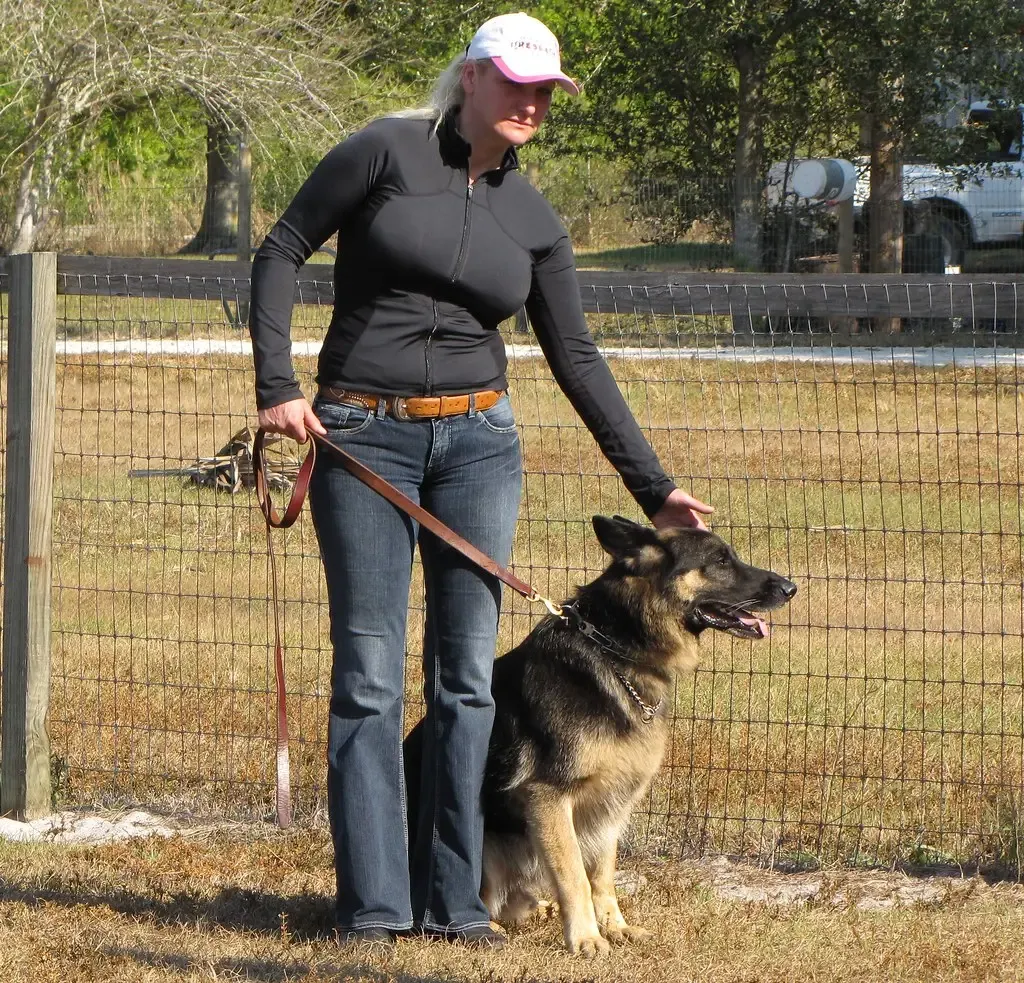
Meeting all three necessary punishment criteria of consistency, timing, and intensity is virtually impossible, and punishment eventually results in other unwanted behaviors such as escape, apathy, and even aggression. Most owners don’t realize how precise punishment must be to work without causing damage.
If warning displays like growling are punished, the animal will cease warning people, however the underlying fear remains or may increase, leading to what appears to be unpredictable, explosive, and sometimes higher intensity aggression. You might think you’ve solved the growling problem, but you’ve actually created a dog who bites without warning.
Aversive training methods can jeopardize both the physical and mental health of dogs, and although positive punishment can be effective, there is no evidence it is more effective than positive reinforcement-based training, and in fact, there is some evidence that the opposite is true. Here’s the thing: even if punishment worked as well as rewards, which it doesn’t, why choose the method that causes harm?
How to Put Positive Reinforcement into Practice
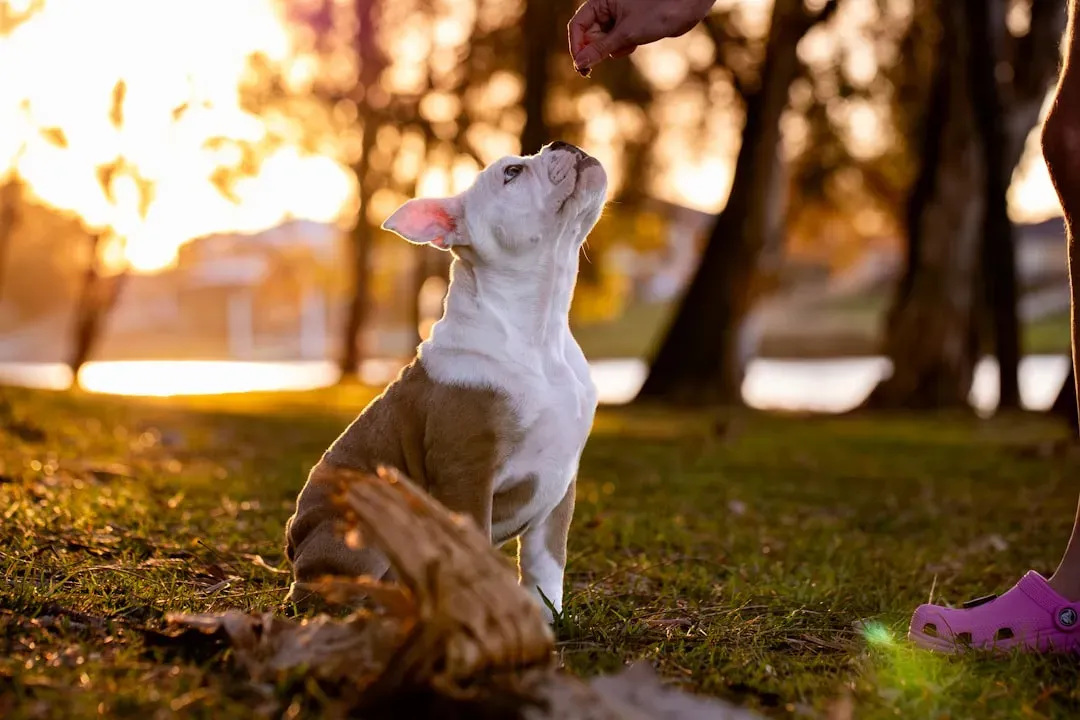
Start simple. By giving your dog something they love when they sit, they’ll sit more often in the future. This is the foundation. Catch your dog doing something right and immediately reward them with treats, toys, praise, or whatever makes their tail wag hardest.
Timing matters enormously. Reinforce within one to two seconds so your dog connects the reward with the action. This takes practice, but it becomes second nature quickly. Keep treats handy everywhere during the learning phase.
Be consistent with your cues and rewards. Dogs thrive on predictability. When your dog knows exactly what you’re asking and what they’ll earn for doing it, learning happens fast. Remember that quality matters too. Higher value rewards like chicken or cheese often work better than standard kibble for teaching new behaviors.
Watch for stress signals during any training session. Lip licking, yawning, turning away, or a tucked tail all mean your dog needs a break. Training should feel like play, not work. If your dog seems anxious or shut down, step back and reassess your approach. Make it easier, make it fun, and celebrate every tiny success along the way.
Conclusion
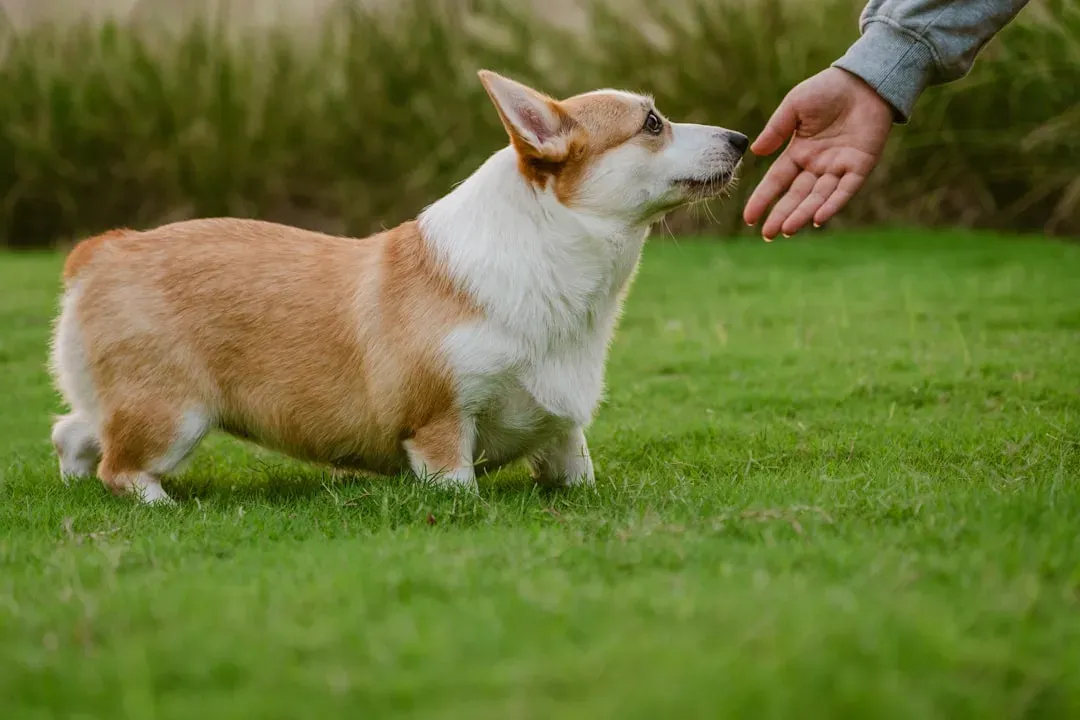
The research is overwhelming and the message couldn’t be clearer. Rewarding good behavior creates dogs who are more obedient, less stressed, more optimistic, and more deeply bonded to their owners. Punishment might offer the illusion of quick results, but it comes with hidden costs that can last a lifetime.
Your dog is looking to you for guidance, safety, and love. Every interaction is an opportunity to build them up or tear them down. Choose the path that strengthens trust rather than breaks it. Choose the method backed by science and compassion.
When you focus on catching your dog doing things right instead of punishing them for mistakes, training becomes a joyful conversation instead of a battle. Your dog will thank you with their enthusiasm, their trust, and their unwavering devotion. What would you rather see in your dog’s eyes: eager anticipation or nervous uncertainty?


