
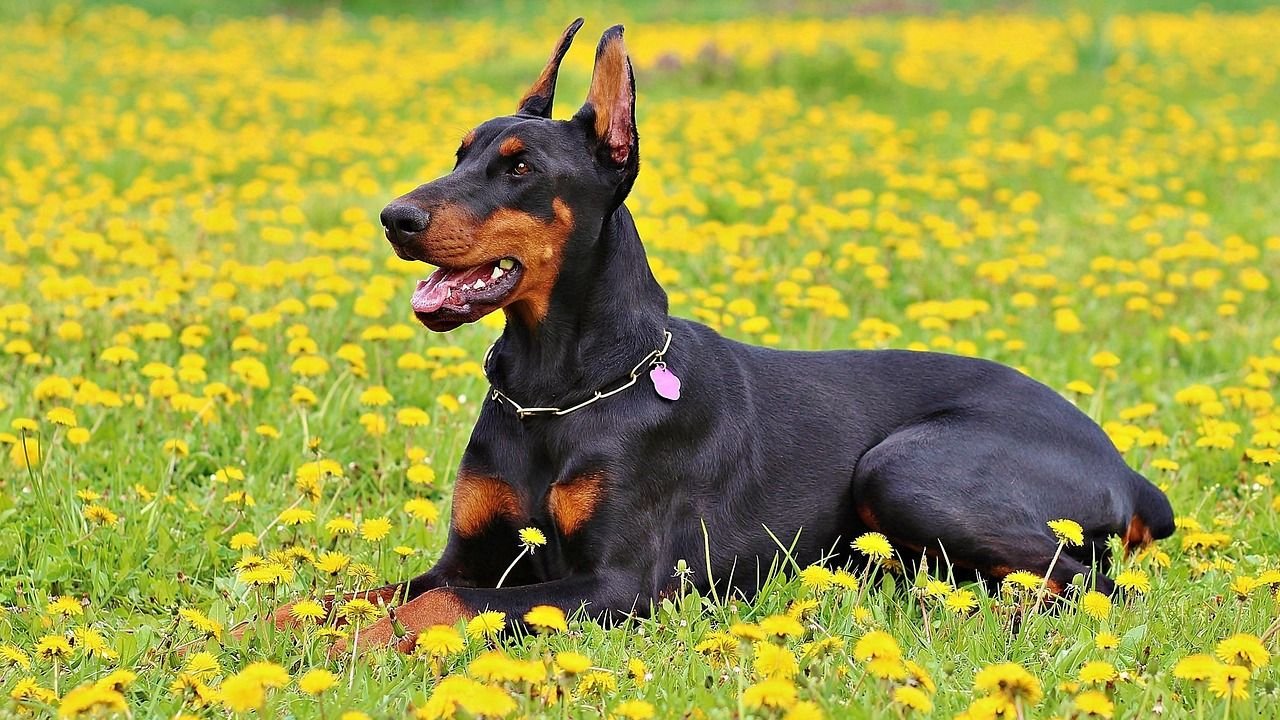
You know that moment when you’re sitting at the dog park, watching both these majestic breeds strut their stuff? One’s broad and powerful, the other sleek and athletic. Both are commanding attention, both are turning heads. Maybe you’re thinking about adding one to your life. Let’s be real, choosing between a Rottweiler and Doberman isn’t something you can do on a whim.
These aren’t your fluffy lap dogs. These are serious companions with big hearts, strong wills, and deep protective instincts. They both come from Germany, they both have a reputation for being guard dogs, and they’ll both steal your heart. Yet underneath that tough exterior, these breeds are remarkably different in surprising ways. From energy levels to how they bond with kids, from exercise needs to their quirky little personality traits, the differences matter. So let’s dive in and figure out which of these incredible dogs is truly meant for your family.
Understanding Their Unique Personalities
Rottweilers are generally calmer, confident, and affectionate with their families. Think of them as the strong, silent type who sits near you rather than on your lap, watching the world go by. They can be more aloof or reserved, particularly towards strangers.
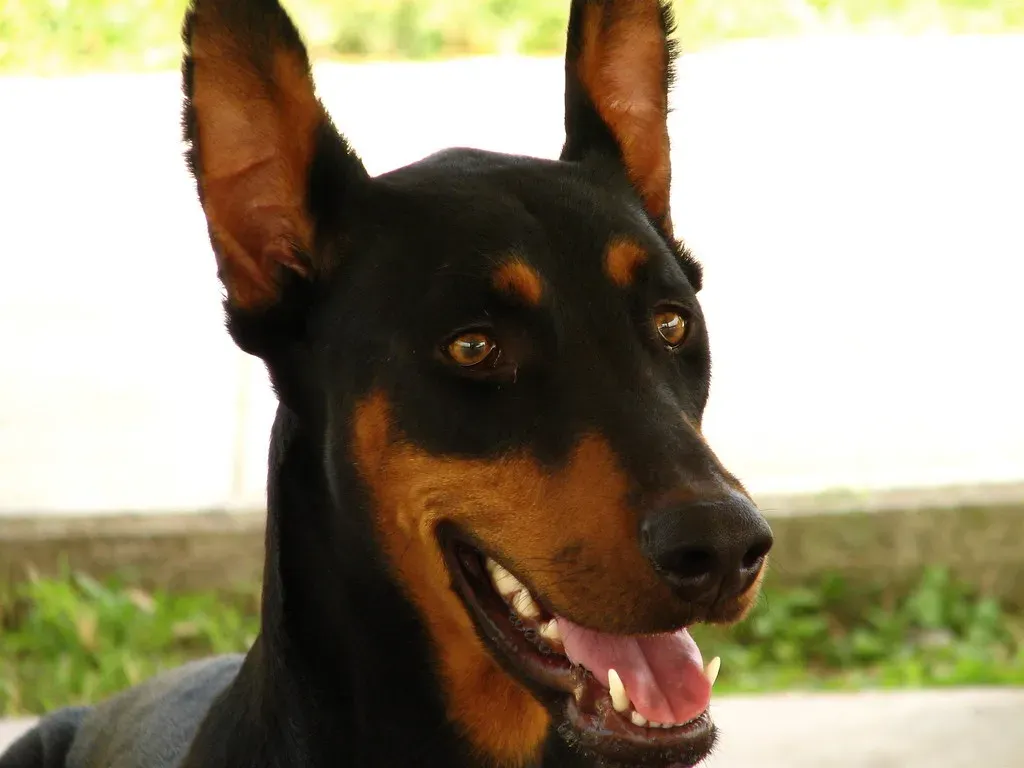
Dobermans are energetic, alert, and intensely loyal, craving human companionship and thriving on being close to their people. If you’ve heard the term velcro dog, you’re about to meet its poster child. Dobermans can be quintessential velcro dogs who love to spend time with their families. They’re sensitive souls who need constant connection.
Both breeds will protect you without hesitation. Yet their approach differs wildly. The Rottweiler tends to be measured and observant, while the Doberman is energetic and prefers to be close to their humans. Honestly, if you want a constant shadow, the Doberman wins that race every time.
Energy Levels and Exercise Requirements
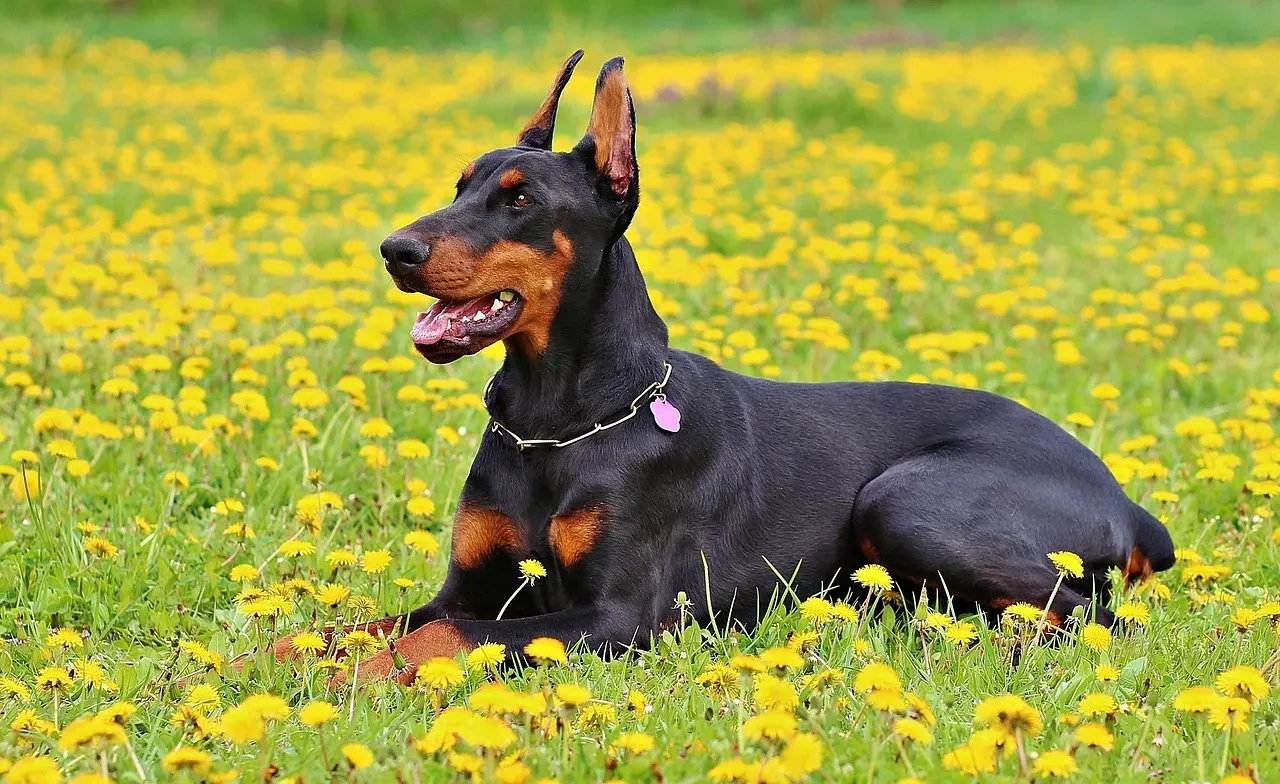
Here’s where things get really interesting. Dobermans need at least an hour of exercise every day, though realistically you’re looking at closer to ninety minutes or even two hours. The Doberman appreciates plenty of room and needs a lot of exercise, being a strong, energetic breed which means they are not necessarily a good choice for young children or seniors.
Rottweilers, surprisingly, are a bit more forgiving. An adult Rottweiler will need about 80 minutes of exercise a day which can be spread across multiple walks. They’re powerful but don’t have that same relentless motor that Dobermans possess. Some Rottweilers can be fast and agile dogs, and all require a decent amount of daily exercise, especially since the breed is prone to weight problems.
I think what surprises most people is learning that Rotties can be a bit lazy at home if you let them. Even as a puppy, the Rottweiler is usually not overly excitable. Dobermans? They’re ready to go whenever you are.
How They Interact With Children
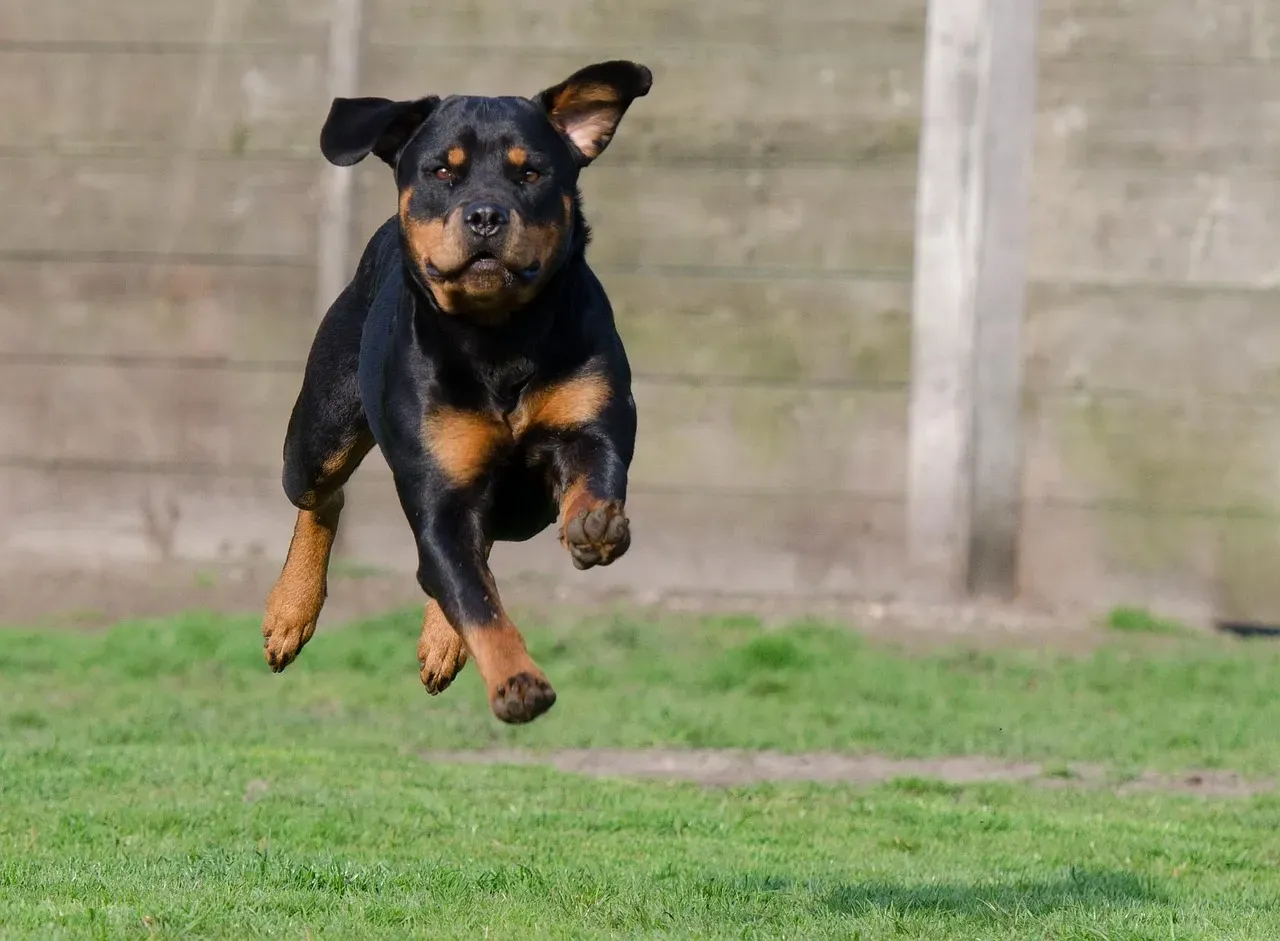
Both breeds can be wonderful with kids when raised properly, but supervision is absolutely critical. Rottweilers bond deeply and are especially gentle with children when raised in a loving, structured environment. Rotties tend to be gentle giants who make great family companions.
The caveat? Size matters. If a big dog like a Rottweiler bites, it will do significantly more damage than if a small dog bites, so it’s extremely important to socialize and supervise your Rottie around children. Their sheer mass means they can accidentally knock over a toddler during enthusiastic play.
Dobermans are loyal to their owners and are good with children if raised with them; however, some Dobermans bond only to one person. They’re patient and protective but need early socialization. If you have very small children – babies, toddlers and young school age children – getting a tiny Doberman puppy is not good, as Doberman puppies are high energy bundles of sharp toenails and needle teeth.
Both require you to teach your children proper boundaries. Never leave either breed unsupervised with young kids, no matter how well trained they are.
Training and Trainability
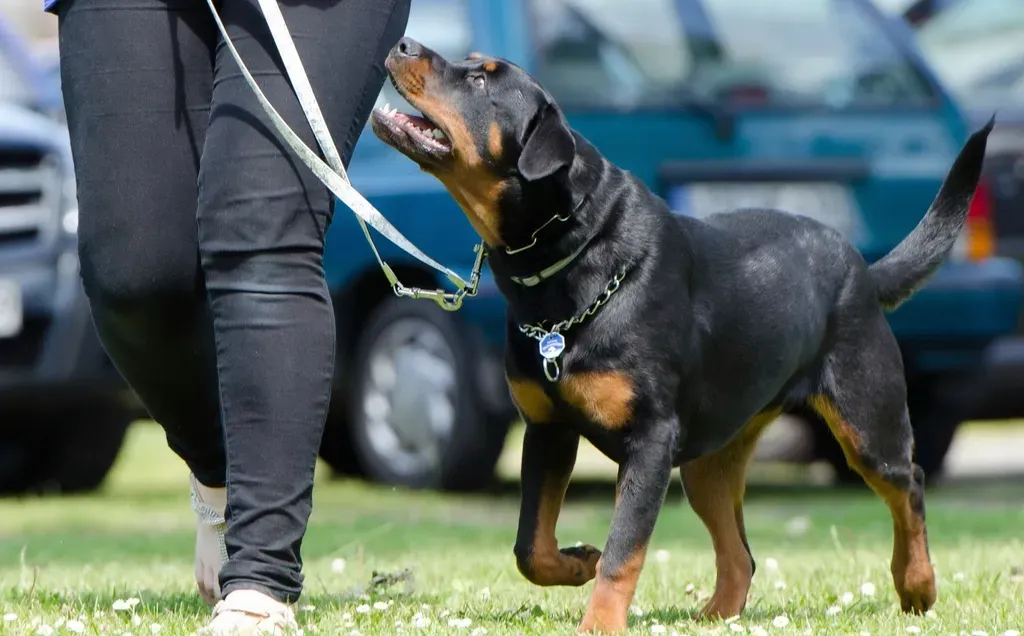
Rottweilers are one of the most intelligent dog breeds in the world and can easily learn new commands, but they need a strict training regimen to stay disciplined. They have that independent streak that can read as stubbornness. Rottweilers are highly intelligent, but they have a more independent mindset, requiring firm, consistent leadership and may not always be as eager to obey as Dobermans.
Dobermans? They’re quick learners who live for structure. Because of their strong instinct to guard, most breeders emphasize the importance of training early in a Dobie’s life. Dobermans are quick learners and highly responsive to commands, with their eagerness to please making them one of the easiest breeds to train.
The catch is that both breeds demand respect and confidence from their handler. They’re not for first-time dog owners who lack experience. The Doberman is not for every person or family as it is a demanding breed and requires constant attention and guidance from the family. Same goes for Rotties.
Health Concerns and Lifespan

Let’s talk about the hard stuff. Rottweilers commonly face hip and elbow dysplasia, heart disease, and cancer. Rottweilers have a slightly shorter lifespan of 8 to 10 years. It’s heartbreaking but important to know.
Dobermans are at risk for dilated cardiomyopathy (DCM) and von Willebrand’s disease, a blood-clotting disorder. Dobermans typically live 10 to 12 years. That extra couple of years can make a real difference when you’re planning your life together.
Regular vet checkups are non-negotiable for both breeds. Prevention and early detection can add quality years to their lives. Keep them at a healthy weight, provide proper nutrition, and don’t skip those annual screenings. Both breeds deserve that commitment from you.
Daily Life and Practical Considerations
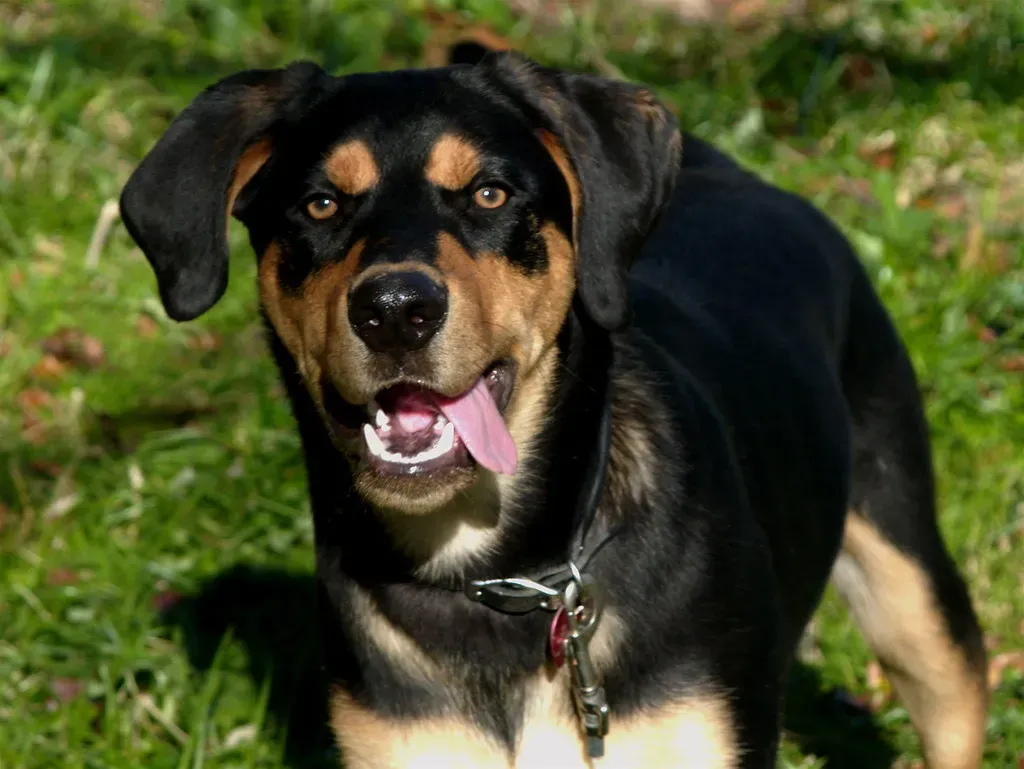
Size-wise, there’s a noticeable difference. The Rottweiler stands between 22 to 27 inches tall at the shoulder and generally weighs between 90 to 110 pounds. Dobermans generally range between 24 to 28 inches tall at the shoulder and weigh between 60 to 100 pounds. Rotties are stockier and more muscular, while Dobermans have that lean, athletic build.
Grooming? Both are easy. Short coats mean minimal fuss. They both shed moderately, so if you’re hoping for a hypoallergenic option, neither fits the bill. Weekly brushing keeps them looking sharp.
Space requirements differ too. Dobermans really thrive with room to run and burn energy. Rottweilers adapt better to smaller spaces as long as they get their walks. Neither belongs in a tiny apartment without dedicated exercise time, though.
The Doberman’s sensitivity means they pick up on household tension and stress. Loud voices and chaos can upset them. Rottweilers tend to be steadier in chaotic environments. Think about your household’s vibe before deciding.
Making Your Final Decision

So which one belongs in your family? It depends on your lifestyle, honestly. If you’re an active person who wants a running buddy, someone to join you on hikes and long adventures, the Doberman is your match. They need that intensity and will reward you with unwavering devotion and constant companionship.
If you want a calmer presence who’s still protective and loyal but doesn’t demand quite as much high-energy activity, the Rottweiler might be your better choice. They’re more independent, more patient, and still incredibly loving.
Both need experienced handlers. Both need early socialization and consistent training. Both will protect your family fiercely and love you deeply. Neither tolerates neglect or lack of leadership.
What matters most is being honest with yourself about what you can provide. These aren’t decorative dogs. They’re working breeds with strong instincts and big needs. Choose based on your energy level, your space, your family dynamics, and your commitment level. Either way, you’re getting a remarkable companion who will change your life in the best possible way. What matters is matching their needs with what you can realistically offer every single day for the next decade.


