
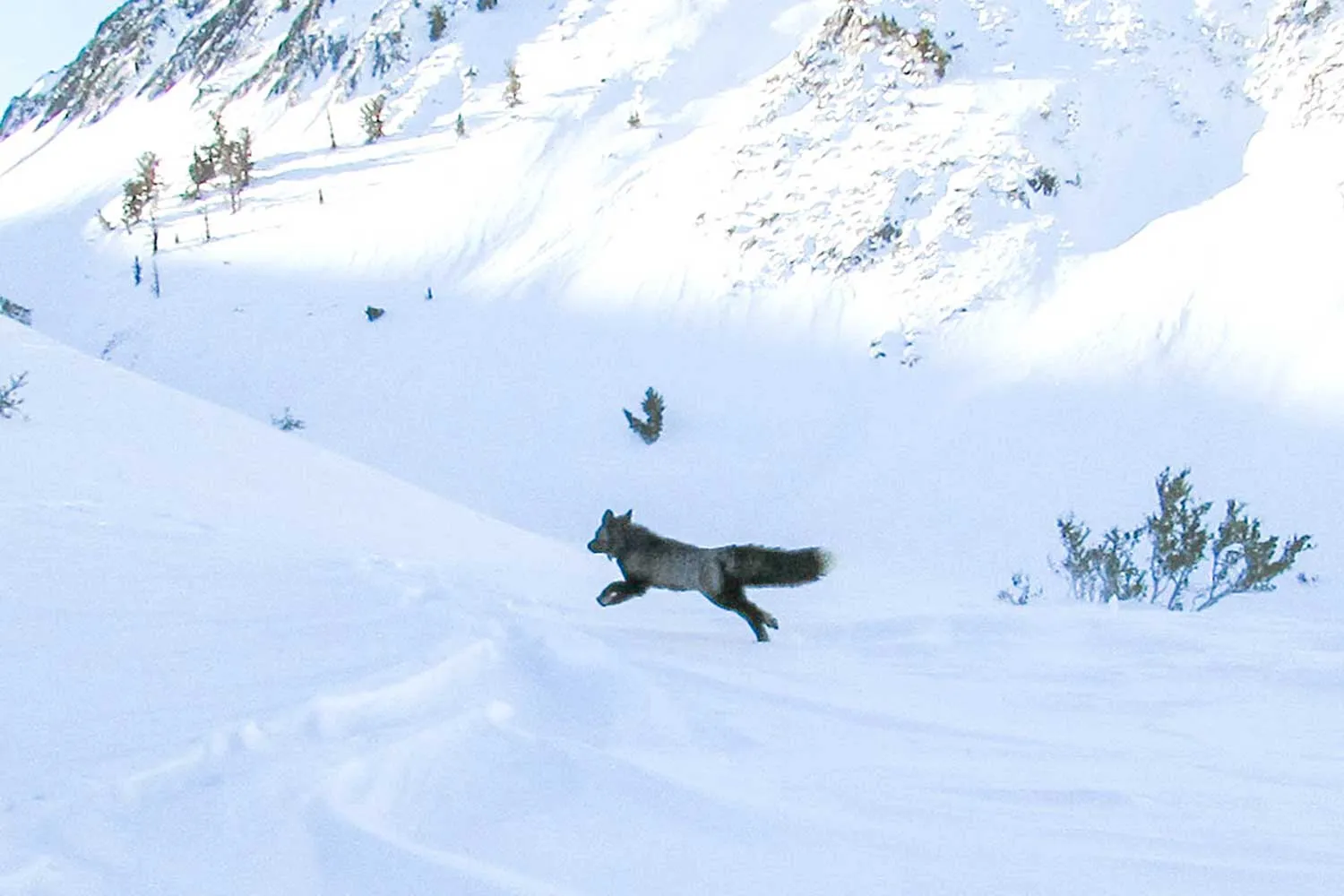
Imagine a creature so rare that most Californians have never seen one, and scientists once believed it had completely vanished from its mountain home. This isn’t some mystical legend or fairy tale. It’s the Sierra Nevada red fox, a critically endangered mammal that’s as elusive as it is beautiful.
In January 2026, wildlife biologists achieved something remarkable near Mammoth Lakes, accomplishing a feat that took years of painstaking effort. They successfully captured, collared, and released one of these stunning foxes back into its snowy wilderness. This breakthrough marks a historic moment in California conservation, offering scientists their first real chance to understand how these ghostly predators survive in one of the most unforgiving landscapes in North America.
A Ghost Reappearing From the Past
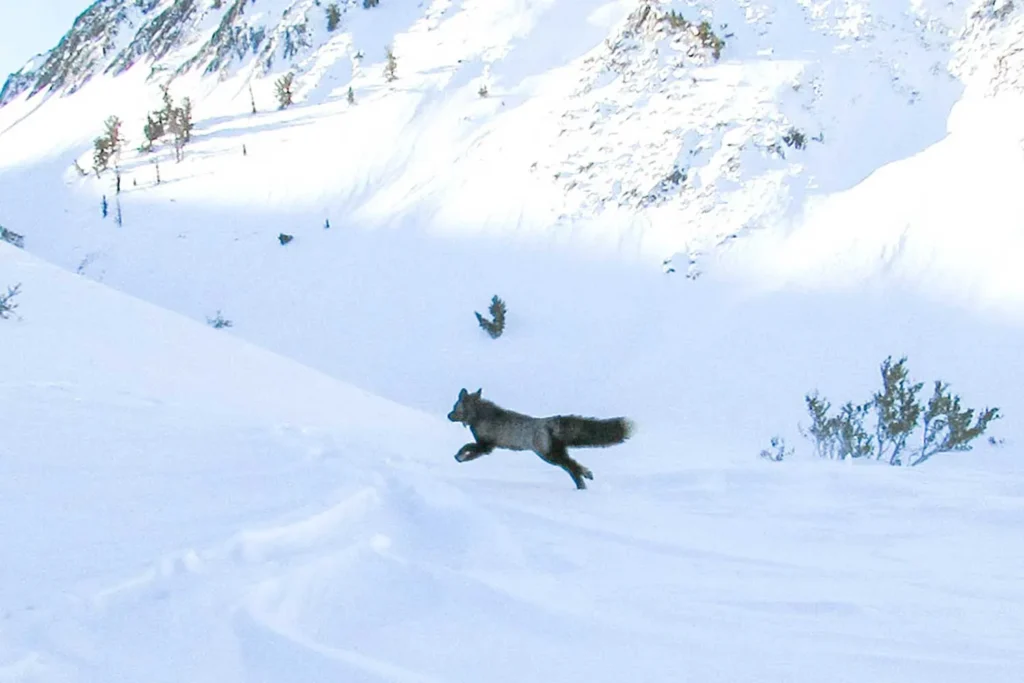
Here’s the thing about the Sierra Nevada red fox: scientists actually thought it was gone forever. Researchers previously believed the fox was wiped out from the region in the 1920s. For decades, this animal existed only in historical records and faded photographs, a casualty of changing landscapes and human expansion.
Then came 2010, when everything changed. The species’ existence in the Sierra Nevada was only confirmed in 2010 when a motion camera north of Yosemite National Park captured a photo of the creature and its trademark white-tipped tail. That single image proved these foxes had been hiding in plain sight all along, ghosting through alpine terrain where few humans ventured. It was like discovering a living dinosaur in your backyard.
One of America’s Most Endangered Mammals
Let’s be real about just how rare these animals are. Fewer than 50 of these elusive foxes are believed to remain in the entire Sierra Nevada range. To put that in perspective, that’s roughly the same number of students in a single classroom, spread across thousands of square miles of rugged mountain wilderness.
The Sierra Nevada red fox is considered an endangered species, with an estimated 18 to 39 individuals remaining in the wild today, according to the U.S. Fish & Wildlife Service. The threats facing these tiny carnivores are staggering. The declining population is due to unpredictable events like wildfire and drought, competition with coyotes, decreases in prey numbers, and widespread hybridization with non-native foxes. Each wildfire season brings new risks, each drought reduces their food supply, and invasive fox species threaten to dilute their unique genetic lineage through interbreeding.
A Decade of Searching Pays Off
Capturing this fox wasn’t some lucky accident or stroke of good fortune. Wildlife biologists have been using remote cameras and scat surveys to track the movements of the fox in the southern Sierra for the last decade, and for the last three years, they have been carrying out intensive trapping efforts. Three years of setting traps, checking equipment in brutal mountain conditions, and coming up empty handed takes serious dedication.
The fox has proved stubbornly difficult to capture, but in January years of hard work finally paid off when biologists from the California Department of Fish and Wildlife captured a fox near Mammoth Lakes and fitted it with a GPS collar. The capture occurred approximately 140 miles south of Lake Tahoe and near the Nevada border. This single success represents countless hours of fieldwork, planning, and sheer persistence in conditions most people would find unbearable.
What Makes These Foxes So Unique
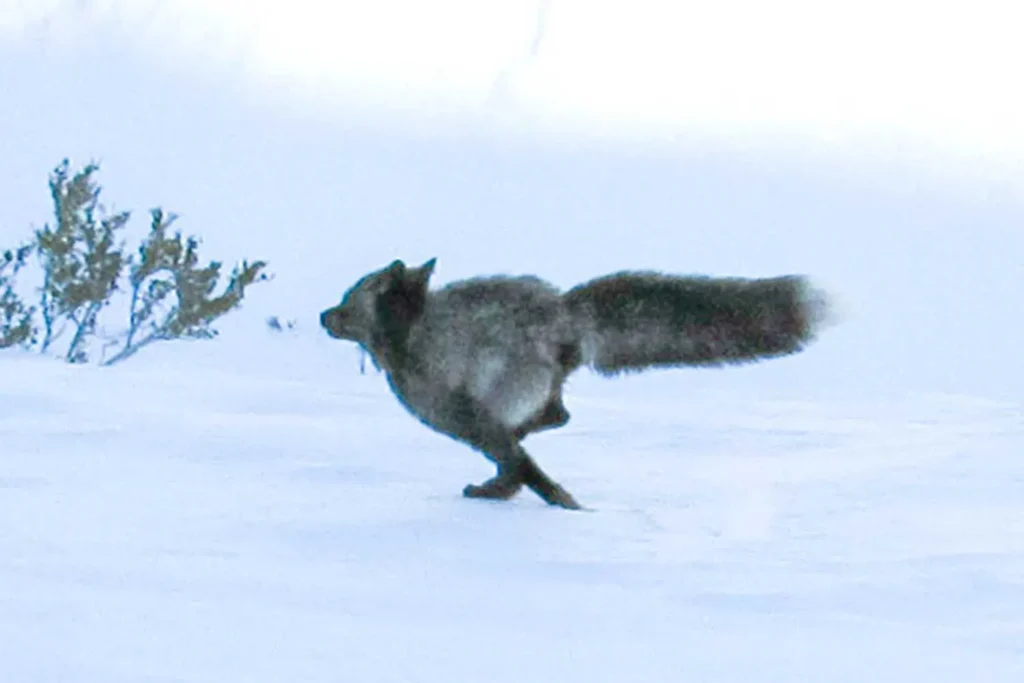
Don’t let the name fool you. Despite being called a red fox, these animals actually sport a stunning silvery gray coat rather than the rusty red you might expect. The specific fox species is notably smaller than other fox breeds and is identified by its fuzzy paws and thick fur coat, which help the animal adapt to various temperatures. Those fuzzy paws act like natural snowshoes, allowing them to navigate deep powder with ease.
These 7- to 10-pound creatures, which are not much larger than a house cat, are impressively agile and travel about seven miles a day in extremely rugged territory. Think about that for a moment. An animal barely bigger than your pet cat is covering seven miles daily through terrain that would exhaust most experienced hikers. Although red foxes are common and widespread throughout North America and Eurasia, the Sierra Nevada red fox is a distinct lineage found only in the high elevation regions of California and Oregon. They’re built for survival in places most creatures simply cannot tolerate.
Why This GPS Collar Changes Everything
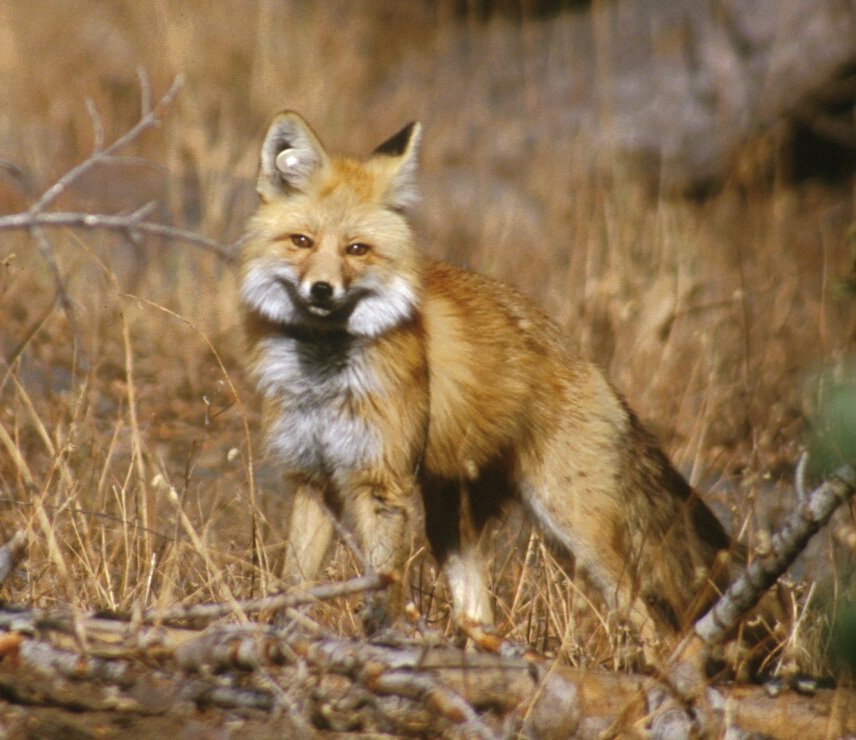
The GPS collar will provide researchers with insights into the seasonal movements and daily lives of the Sierra Nevada red fox, which can in turn help guide conservation strategies. Before this breakthrough, scientists were essentially flying blind, making educated guesses about how these animals survive without hard data to back up their theories.
Location data from the GPS collar and biological samples obtained during the capture of this animal are important management and research tools to help increase CDFW’s understanding of the species, directly support its protection and aid in increasing the efficiency of future capture and survey efforts. Previous success in 2018 showed just how valuable this technology can be. In 2018, a team of scientists led by CDFW Wildlife Biologist Jennifer Carlson attached GPS satellite collars to several Sierra Nevada red foxes in the Lassen Peak region of northern California, and that effort helped biologists subsequently locate several dens, leading to a much better understanding of the patterns of reproduction, movement and habitat use.
A Small Victory in a Larger Conservation Battle
Honestly, this single collared fox represents far more than just data collection. It’s about refusing to let another species slip away quietly while we’re distracted by daily life. Conservation of the rare Sierra Nevada red fox reflects California’s commitment to biodiversity and the 30×30 Initiative, which seeks to conserve 30% of lands and coastal waters by 2030. Every species we lose diminishes the ecological fabric that keeps our planet functioning.
Because the foxes in the Sierra Nevada are isolated from their relatives living in the Lassen Peak area, the collaring of this fox offers scientists a rare opportunity to better understand the ecology and conservation needs of this remote group. This isolated population may hold unique genetic adaptations that scientists haven’t yet discovered. Losing them would mean losing knowledge we might desperately need in the future.
The reality is that saving species like the Sierra Nevada red fox requires more than good intentions. It demands years of unglamorous fieldwork, sophisticated technology, and unwavering commitment from people who could earn far more money doing something else. This GPS collar represents all of that dedication compressed into a single technological device strapped around the neck of a house cat sized predator navigating one of California’s most extreme environments. Will it be enough to turn the tide for this species? Time will tell, and the data streaming from that collar might just hold the answers.


