
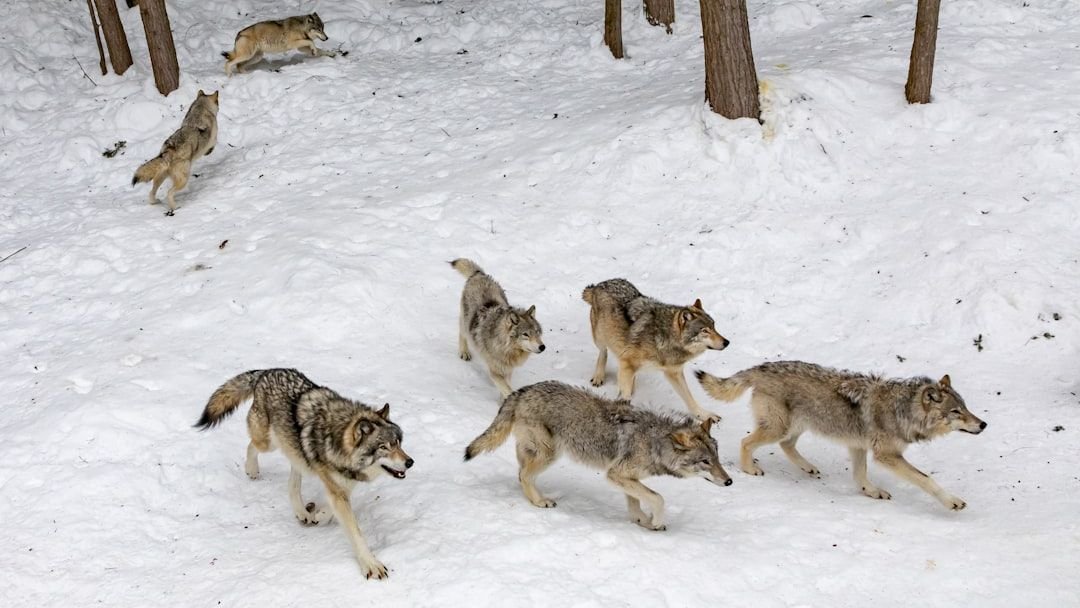
There’s something almost mythical about the idea of wolves returning to a landscape they once ruled. Yellowstone National Park has become one of the most closely watched ecological experiments in the world, where predators are reclaiming their old kingdom after being hunted nearly to extinction. Wolves and cougars have returned to Yellowstone over the last 50 years after being hunted to near-extinction. What’s unfolding now is not a simple restoration story, though. It’s far messier and more fascinating than anyone imagined.
Let’s be real, when you think about apex predators sharing the same hunting grounds, you’d expect chaos. Yet recent research reveals something unexpected about how these two powerful carnivores are learning to share space. The interactions between wolves and cougars paint a picture of adaptation, conflict, and an ecosystem that refuses to settle into any neat narrative.
The Return of the Predators: A Century-Long Absence
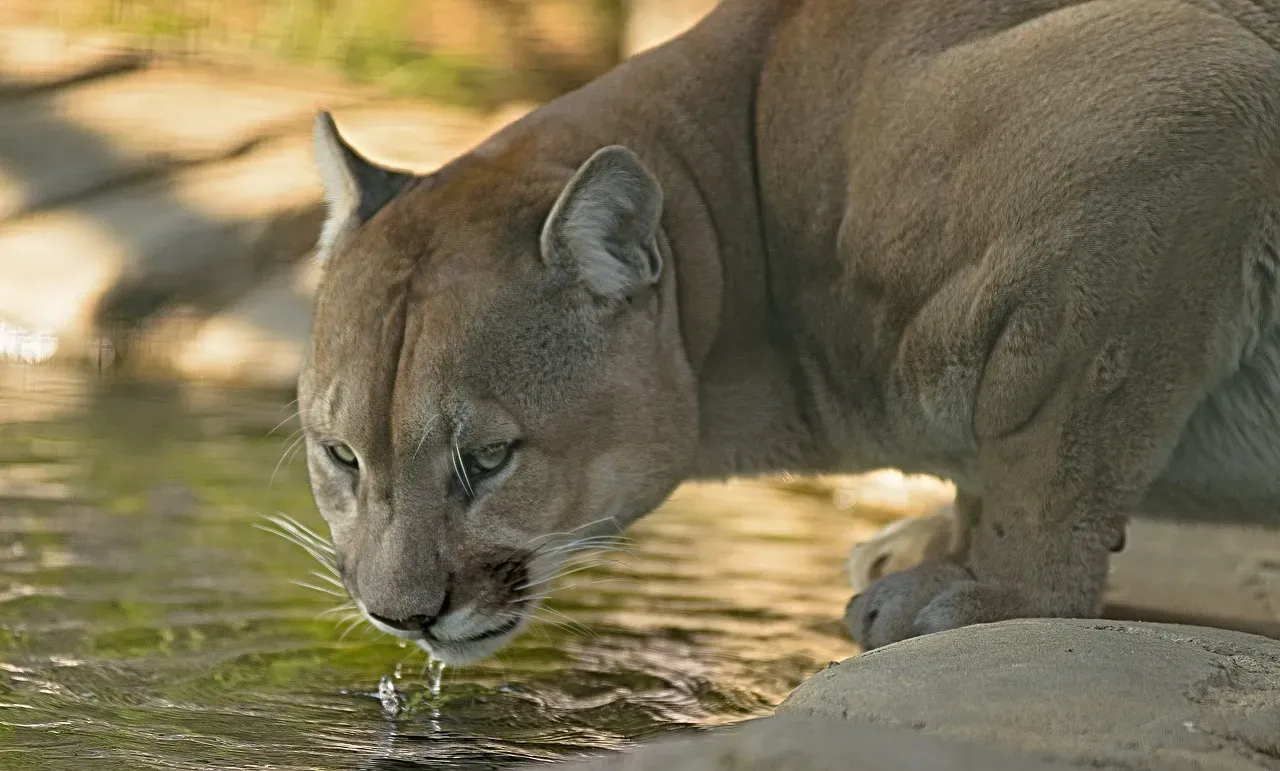
For much of the 20th century, wolves and cougars were nearly wiped out in the US west, largely due to hunting and government predator-control programmes. Think about that for a moment. An entire century where these landscapes existed without their top predators. Cougars began creeping back under stronger protections in the 1960s. Wolves were deliberately reintroduced to Yellowstone in the mid-1990s, a move that remains politically charged beyond the park’s borders. The political battles were fierce, with ranchers and hunters raising concerns about livestock and game populations.
Yellowstone has the full complement of large carnivores and migratory ungulates that North America used to have. This makes it a rare living laboratory. Today, both species roam many of the same valleys and ridges. That overlap prompted scientists to ask a basic but urgent question: can two powerful predators, both targeting hoofed animals such as elk, live side by side without one driving out the other?
How Scientists Tracked the Drama Unfolding
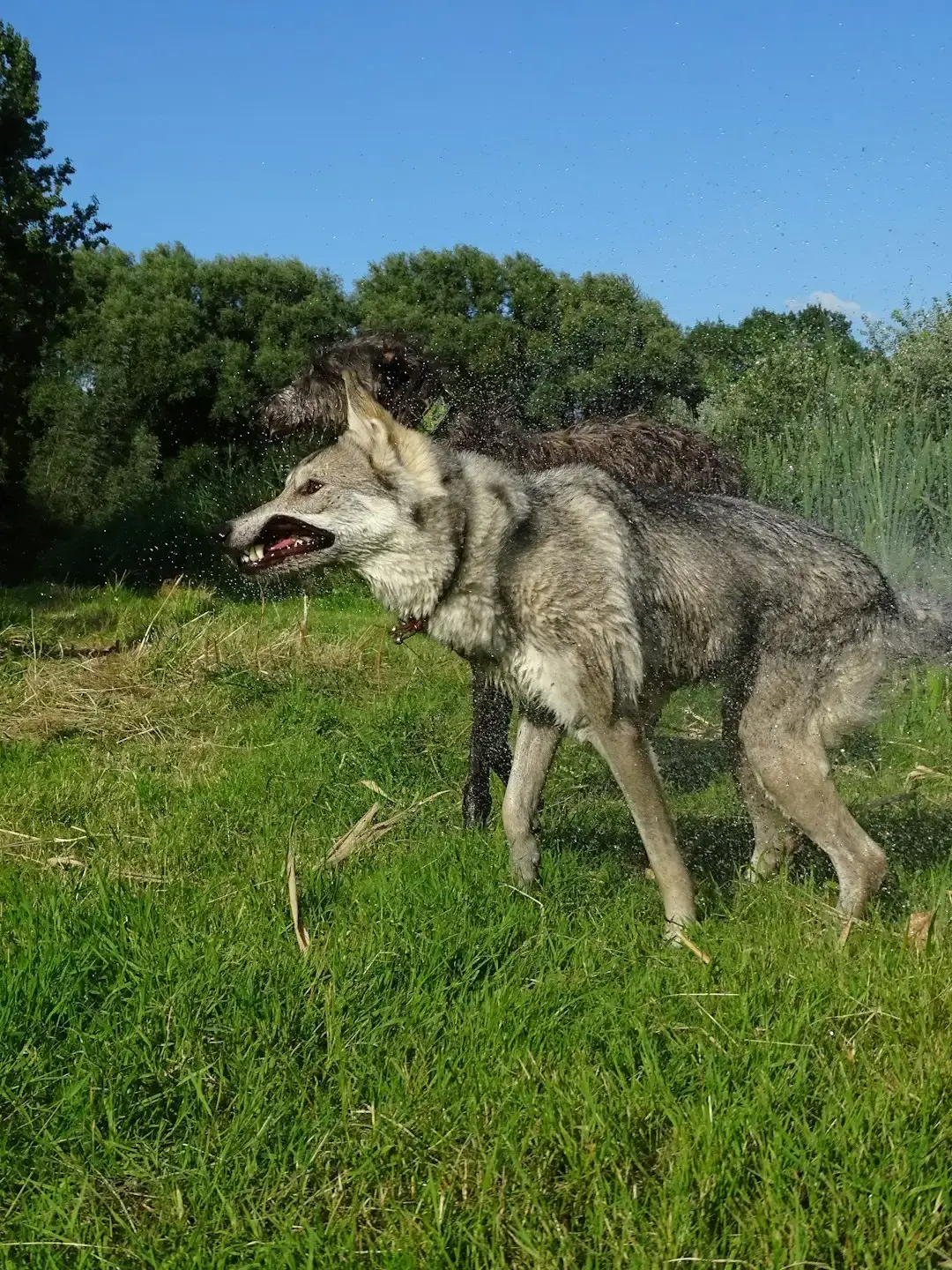
The new study analyzed nine years of GPS data from collared wolves and cougars, combined with field observations at almost 4,000 sites throughout Yellowstone. Imagine the dedication required to track these animals through some of the most rugged terrain in North America. Researchers fitted both species with GPS collars and deployed remote camera systems across the northern part of the park.
The scope of this research is honestly staggering. They weren’t just counting animals or tracking movements randomly. Researchers combined nine years of GPS collar data with on-the-ground investigations of almost 4,000 kill and feeding sites across the park. Every carcass told a story about who killed what, who stole from whom, and how these predators navigate their increasingly complex relationship.
Wolves Dominate, Cougars Adapt
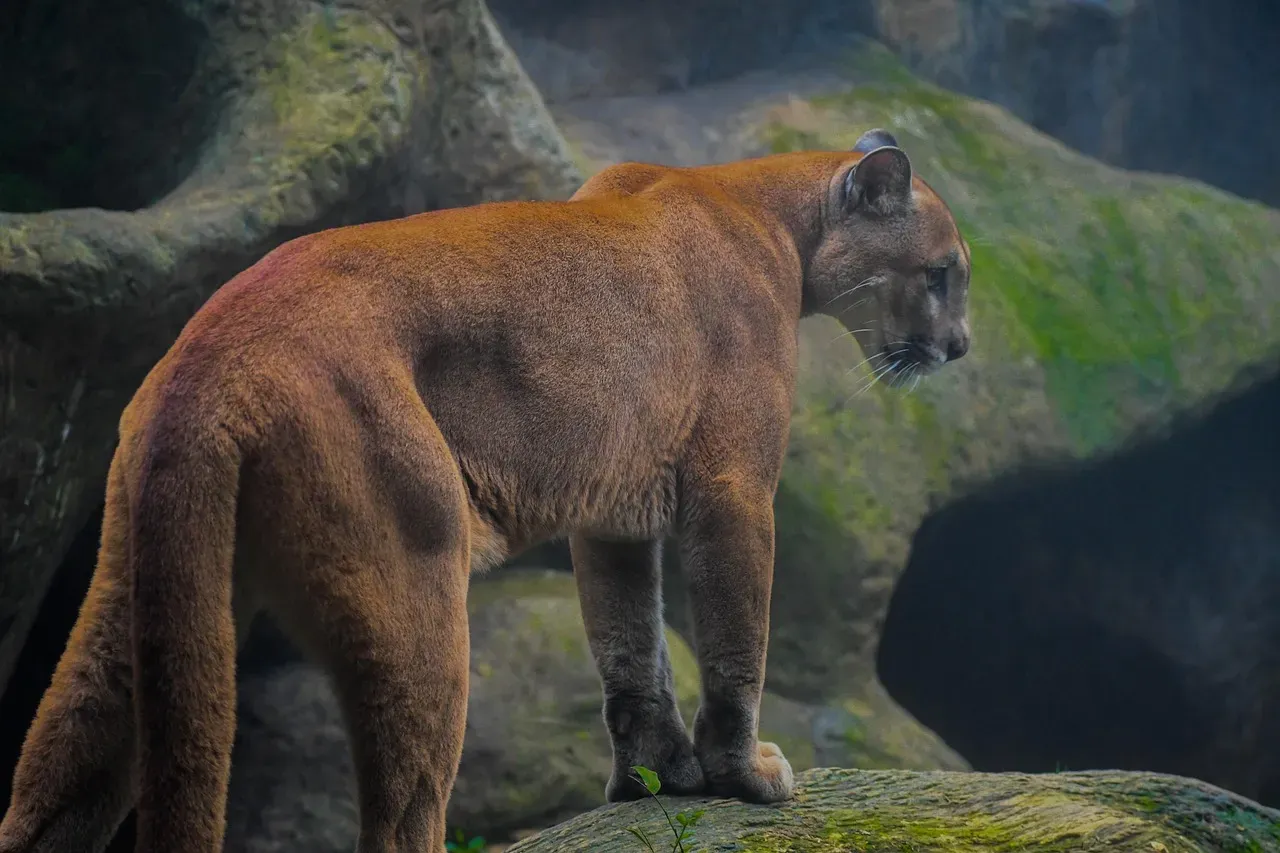
Here’s the thing about power dynamics in the wild: size isn’t everything, but numbers certainly matter. The researchers found that wolves occasionally kill cougars, but cougars do not kill wolves. That asymmetry defines their entire relationship. Even though a male cougar can be larger than a single wolf, it’s no match for a pack.
Although wolves dominate cougars and steal their prey, cougars’ shift from elk- to deer-heavy diets, paired with a rugged landscape for escape, might help cougars avoid violent wolf encounters. The dietary shift is striking. Elk in wolf diets dropped from about 95% to 64% between 1998 and 2024. Elk in cougar diets dropped from about 80% to 53% over the same period. Wolves increasingly turned to bison, while cougars focused more on deer. This wasn’t a conscious strategy, more like a gradual adjustment to changing circumstances.
The Importance of Prey Diversity and Escape Routes
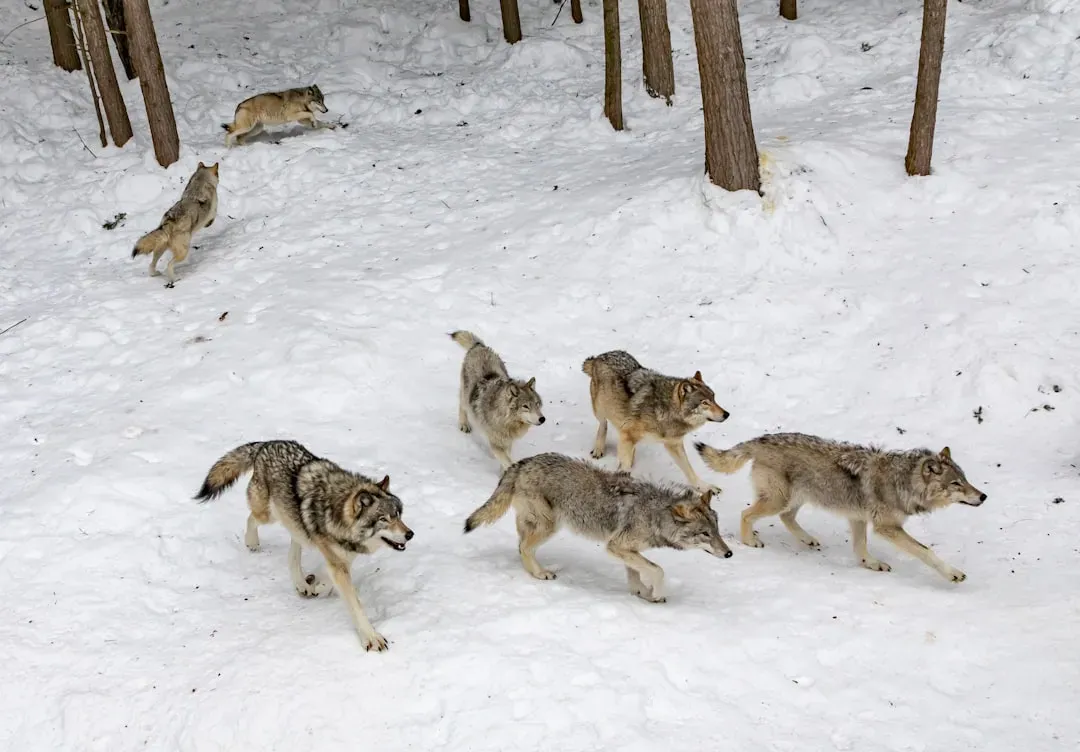
Successful wolf and cougar coexistence in Yellowstone depends more on the diversity of prey and the availability of escape terrain for cougars than it does on the overall abundance of prey. That’s a crucial finding. You might assume having more food around would solve everything, but it’s actually about variety and options.
Cougars tend to avoid areas where wolves have made kills and stay close to escape terrain, such as climbable trees. The landscape itself becomes part of the survival strategy. Cougars need those rocky outcrops and forests where they can climb to safety. The study found that encounters were about six times more likely when cougars had killed elk rather than deer. Smaller prey means faster feeding times, which means less exposure to wolves showing up to steal the meal.
A System That Refuses to Settle
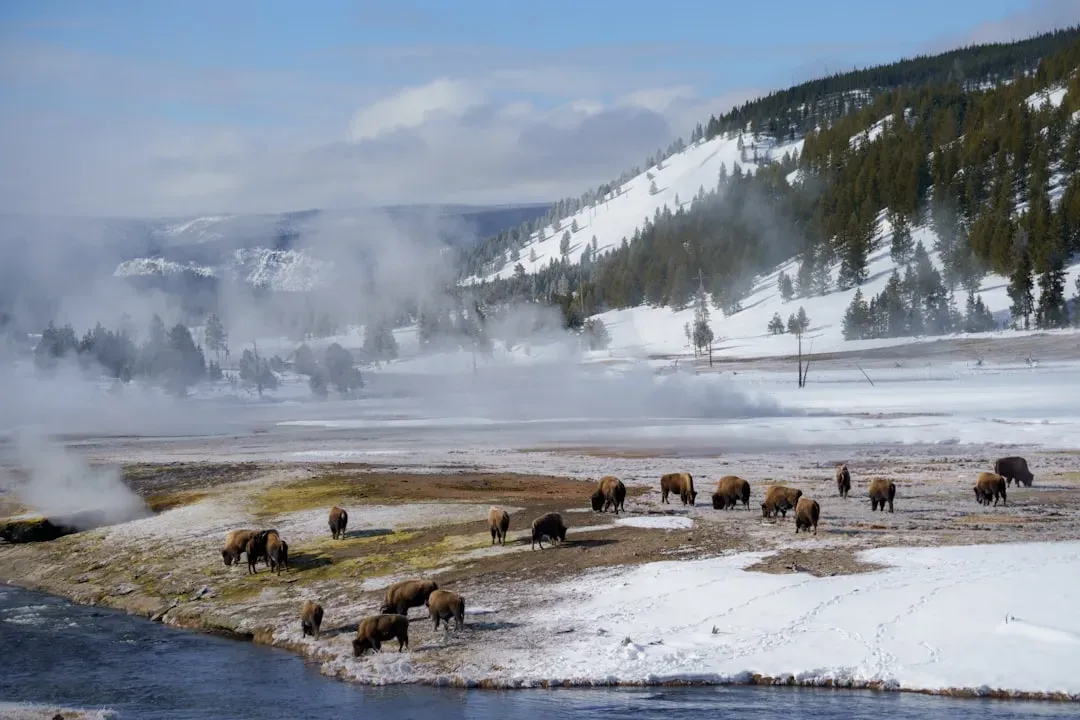
A lot of these species are coming back, so it’s also a system that’s in flux. As these populations restore themselves, it’s super interesting to look at these species’ effects on each other. I know it sounds messy, but that’s exactly what makes Yellowstone so compelling right now. This isn’t about restoring some pristine past or reaching a perfect equilibrium.
What happens between predators does not stay between predators. When wolves kill more bison and fewer elk, and cougars switch partly from elk to deer, those decisions cascade through vegetation and smaller carnivores. Fewer elk browsing in certain areas can allow willow trees to recover, which benefits beavers and songbirds. The entire ecosystem responds to these shifts in ways scientists are still untangling. It’s hard to say for sure, but the evidence suggests we’re witnessing an ecosystem finding its own new balance rather than returning to some historical baseline.
Honestly, what strikes me most about this research is how it challenges the simple narratives we often hear about restoration. When wolves and cougars returned to Yellowstone, they did not restore the past. They helped create a new present – one that is wilder, more uncertain, and more richly alive. The park today isn’t what it was before these predators were removed, and that’s actually okay. Ecosystems are dynamic, constantly negotiating between countless forces from climate to competition to chance.
The Yellowstone story reminds us that nature doesn’t follow our tidy scripts. These wolves and cougars are writing their own rules as they go, adapting to each other in ways both violent and surprisingly cooperative. What do you think happens next as these populations continue to evolve? Share your thoughts in the comments.


