
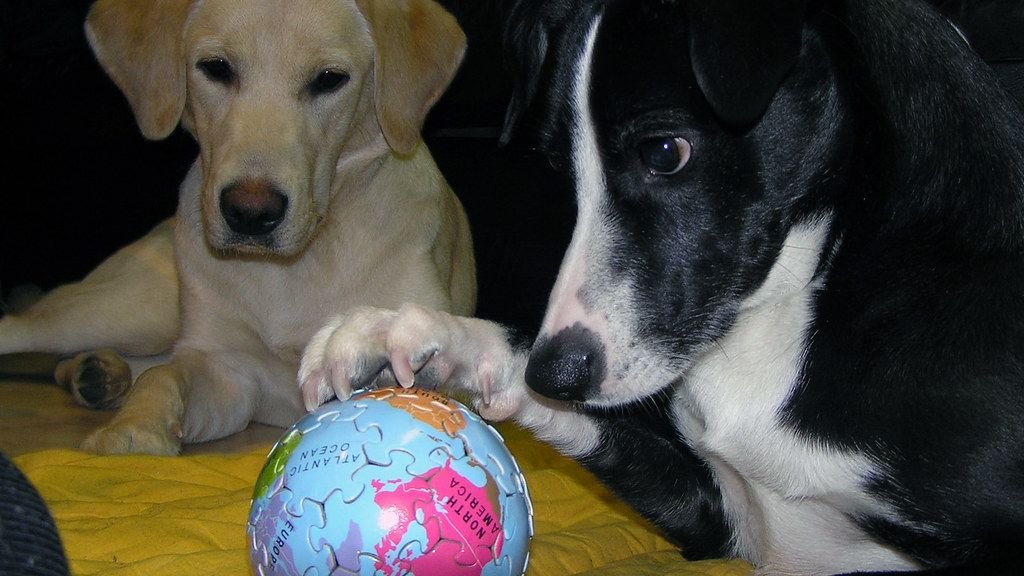
You might notice your old friend doesn’t leap for toys quite like they used to. Maybe they’re slower getting up from their nap spot or hesitate before climbing stairs. It’s easy to think they’re done with play, that their fun-loving days are behind them. Here’s the thing, though: your senior dog still craves playtime just as much as they always did, even if their body can’t keep up with their spirit.
Many owners reduce activities like walking, playing, and training when their dogs age, but stopping these activities might actually lead to faster aging and a reduction in quality of life. Let’s explore why play remains so vital for aging dogs and how you can adapt their activities to keep them thriving through their golden years.
Physical Movement Keeps Their Bodies Strong
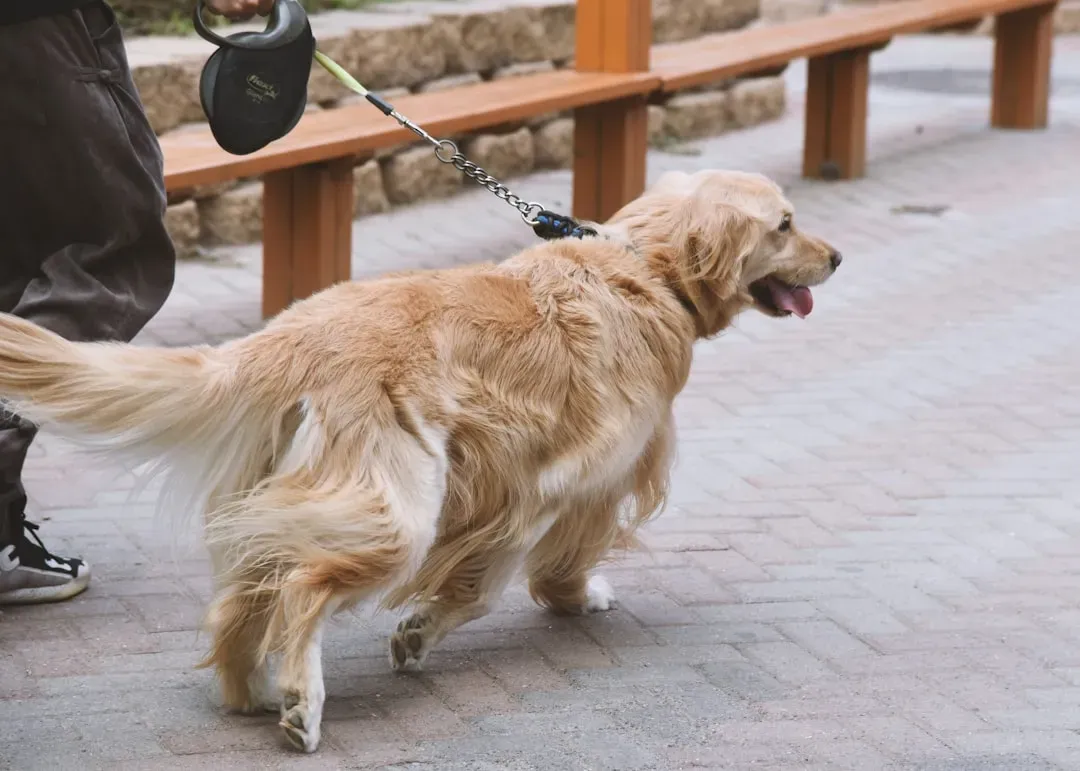
Maintaining an active lifestyle can help decrease the onset of conditions such as arthritis and muscle loss. Think about it: movement is medicine, even for creaky joints. Movement helps keep a dog’s muscles, ligaments, tendons, and joints strong and healthy, while exercise also stimulates the mind to maintain cognitive function.
When your older dog plays, they’re not just having fun. They’re keeping critical muscle mass that supports their aging frame. Moving the joints produces synovial fluid which lubricates joints, and daily walks help keep dogs at a healthy weight, which reduces pressure on the joints. Low-impact activities like gentle fetch games or slow-paced tug sessions can work wonders without overtaxing sore joints.
Mental Stimulation Protects Against Cognitive Decline
Studies show a robust negative association between physical activity and cognitive decline, with higher levels of physical activity associated with better cognitive outcomes in dogs. Your dog’s brain needs exercise just like their body does, maybe even more so as they age.
Mental stimulation can help slow cognitive decline in animals, best provided through walks, games, puzzles, and playtime. I’ve seen dogs come alive when presented with a new puzzle toy or scent game, their eyes brightening with curiosity. Cognitive stimulation can slow the progression of canine cognitive dysfunction, improve memory, and provide entertainment and engagement for dogs. Simple games like hiding treats around the room or teaching them a new trick (yes, old dogs absolutely can learn new things) give their brain the workout it desperately needs.
Play Reduces Stress and Improves Emotional Health
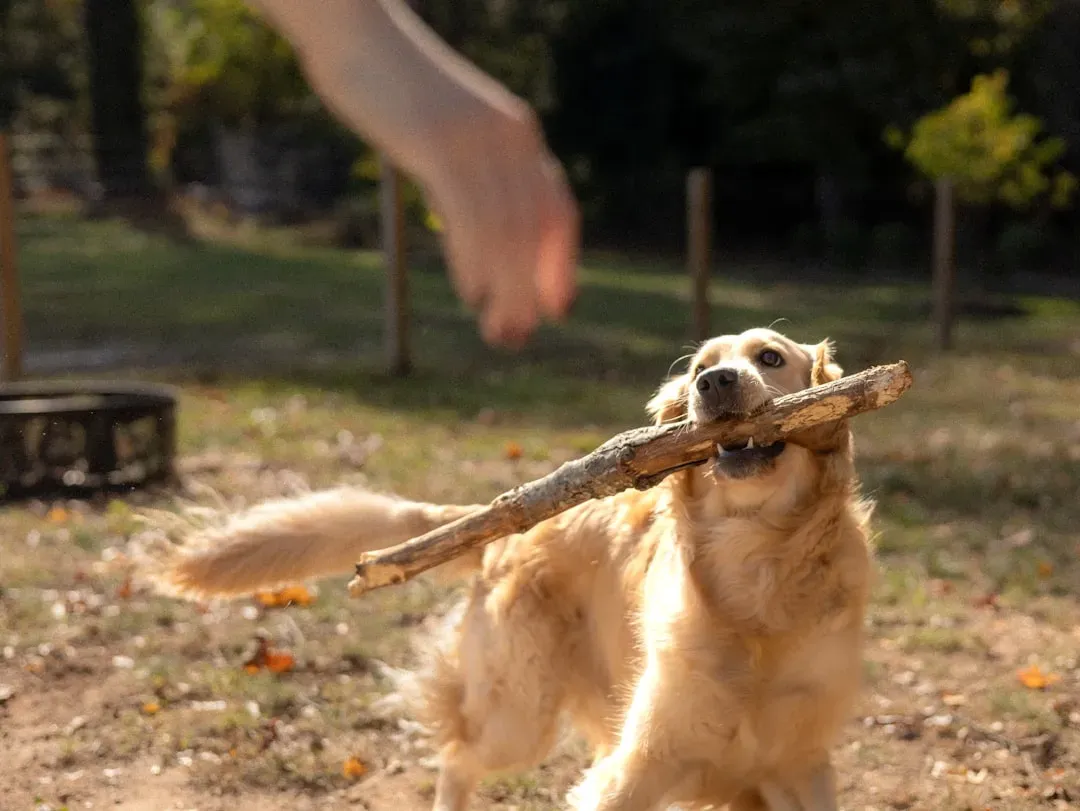
Walks contribute to emotional well-being by catering to a dog’s love for spending one-on-one time with their person and provide mental stimulation. Watch your senior dog’s face when you bring out their favorite squeaky toy. That tail wag might be slower, yet the joy is unmistakable.
Playtime strengthens your bond with your dog, boosts their spirits, and provides mental stimulation. Regular play sessions give your aging companion something to look forward to each day. It fights off the boredom and depression that can creep in when dogs become less mobile. Honestly, I think the emotional connection during play is just as healing as the physical movement itself.
Adapting Play for Senior Bodies
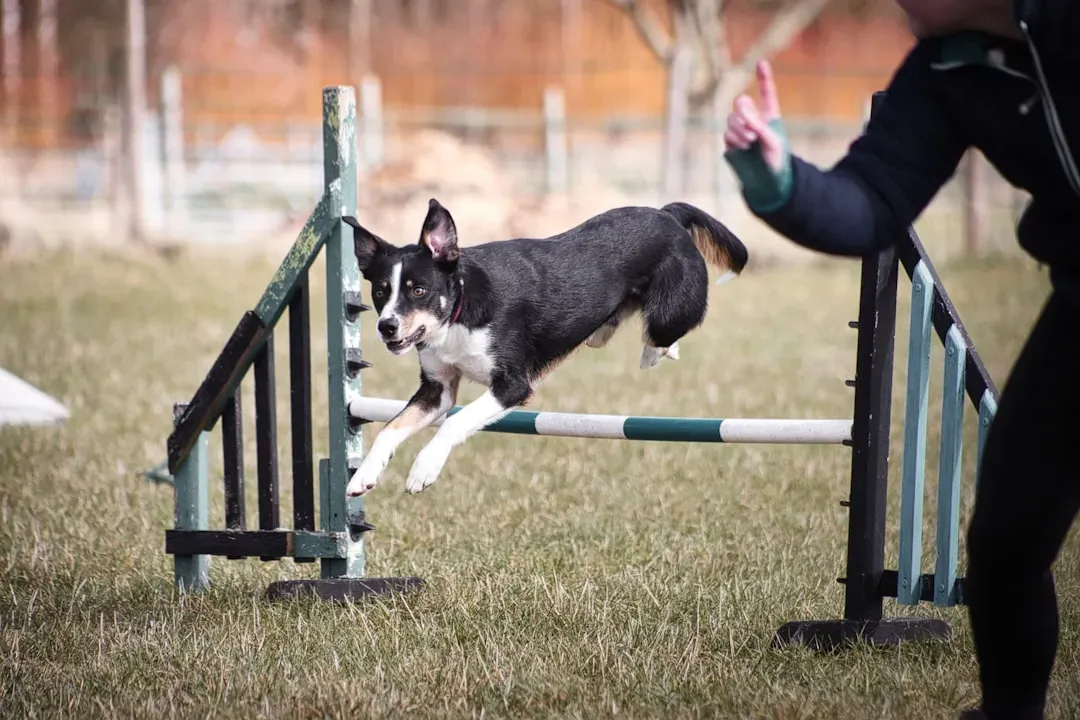
Keep exercise regular and gentle, as little and often is best since joints get stiffer when not used for a bit. Your thirteen-year-old Labrador doesn’t need to sprint after tennis balls anymore, yet they’ll still love a gentle game of rolling the ball back and forth. Short, frequent walks of ten to fifteen minutes two to three times daily are better than one long walk, letting your dog sniff and go at their own pace.
Consider water play if your dog enjoys it. Swimming can be great exercise as it doesn’t put as much strain on sore joints. Even just wading in shallow water can provide resistance without impact. Scent games work beautifully for dogs with mobility issues since they can participate lying down or standing still. Dogs benefit from scent games regardless of age, keeping not only their body but also their brain in good condition.
Warning Signs to Watch During Play
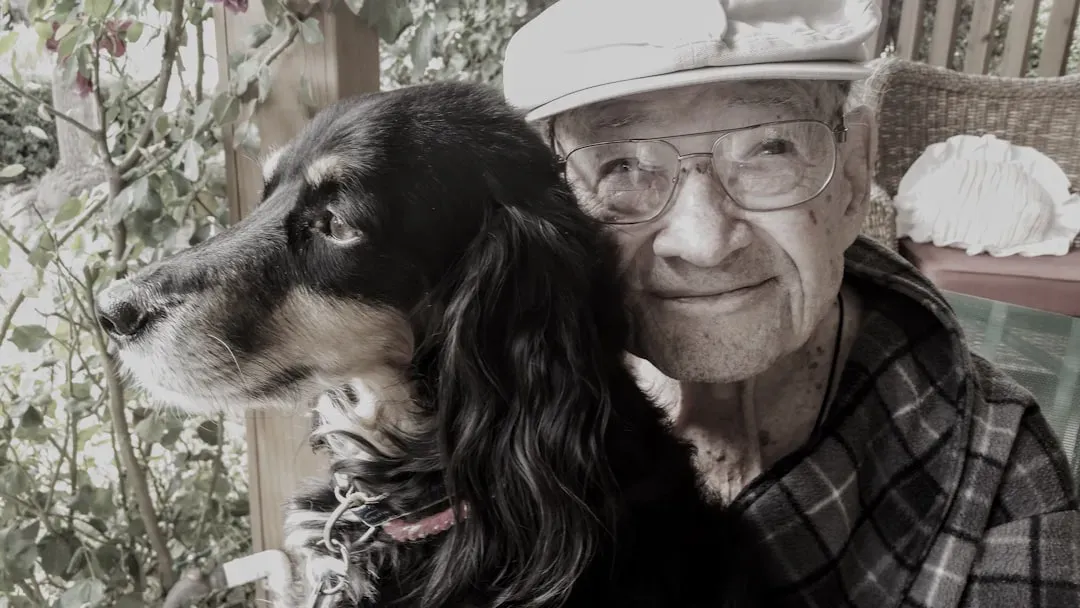
If they stop chasing a toy or lie down on a walk, they need to rest. Your dog won’t always tell you when they’ve overdone it until after the fact. Watch for excessive panting, limping, or reluctance to continue. Consult your veterinarian right away if your dog seems to be in pain, as groaning or an inability to do routine tasks might result from injury or arthritis onset.
After playtime, notice how your senior moves. If you notice your dog is stiff after your walk, you might want to shorten your outings. Some stiffness is normal, especially in arthritic dogs, yet increasing pain or lameness signals you’ve pushed too hard. Adjust the next session accordingly. Your dog’s comfort should always guide your decisions about activity levels.
The Bond That Play Creates
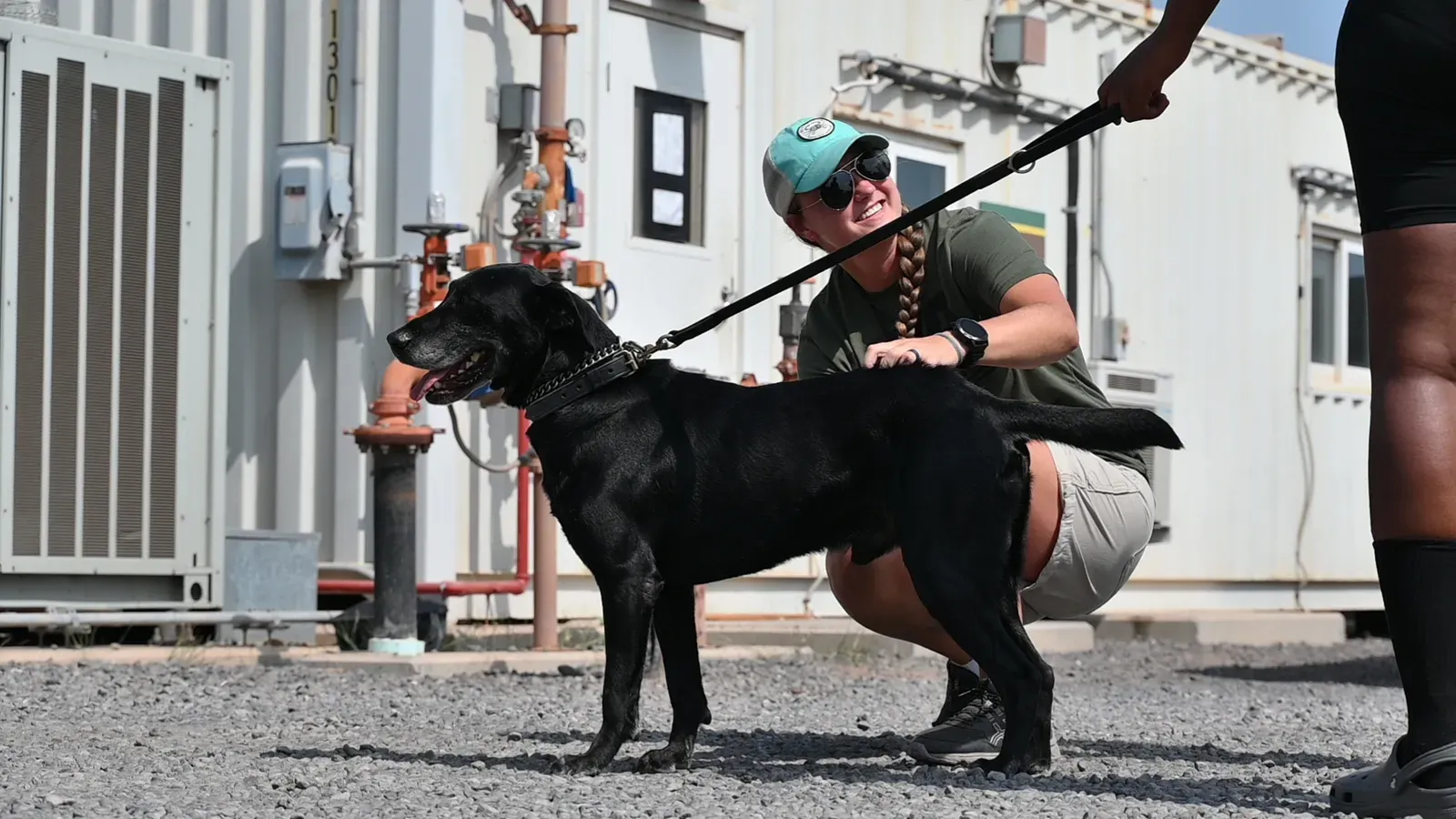
Interactive play not only keeps dogs physically active but also provides mental stimulation, which is crucial for aging dogs. There’s something magical about those moments when you’re on the floor with your graying companion, gently wrestling or playing hide-and-seek with treats. Time feels suspended. Play with you, their favorite person, is stimulating enough to get their neurons firing, and playtime will not only improve your relationship but also help keep their brains happy and healthy.
These play sessions aren’t just about keeping your dog healthy. They’re about honoring the relationship you’ve built over the years. Your senior dog has given you years of loyalty, companionship, and unconditional love. Continuing to engage them through adapted play shows them they still matter, that their slower pace doesn’t diminish their value in your eyes.
What new play activities could you try with your senior dog this week? Maybe it’s time to dig out that old favorite toy or explore a new gentle game together. Your aging friend is counting on you to keep their tail wagging through these precious golden years.


