

Picture this: your loyal dog by your side, easing the daily grind of a disability. Yet, whether it struts into a restaurant or curls up at home makes all the difference. Service dogs and emotional support animals both offer comfort, but their legal superpowers couldn’t be more distinct.
One unlocks doors everywhere, the other sticks closer to home sweet home. Curious about the rules shaping their worlds? Let’s unpack the essentials step by step.
Defining Service Dogs

Service dogs stand out as dogs individually trained to tackle specific tasks tied to a person’s disability. Think guiding the blind or alerting to seizures. These pups go beyond cuddles; they perform real work.[1][2]
Under federal law, only dogs qualify, though miniature horses sometimes sneak in with modifications. No fancy vest or badge required. Honestly, their skills define them, not some paper.[1]
Understanding Emotional Support Animals
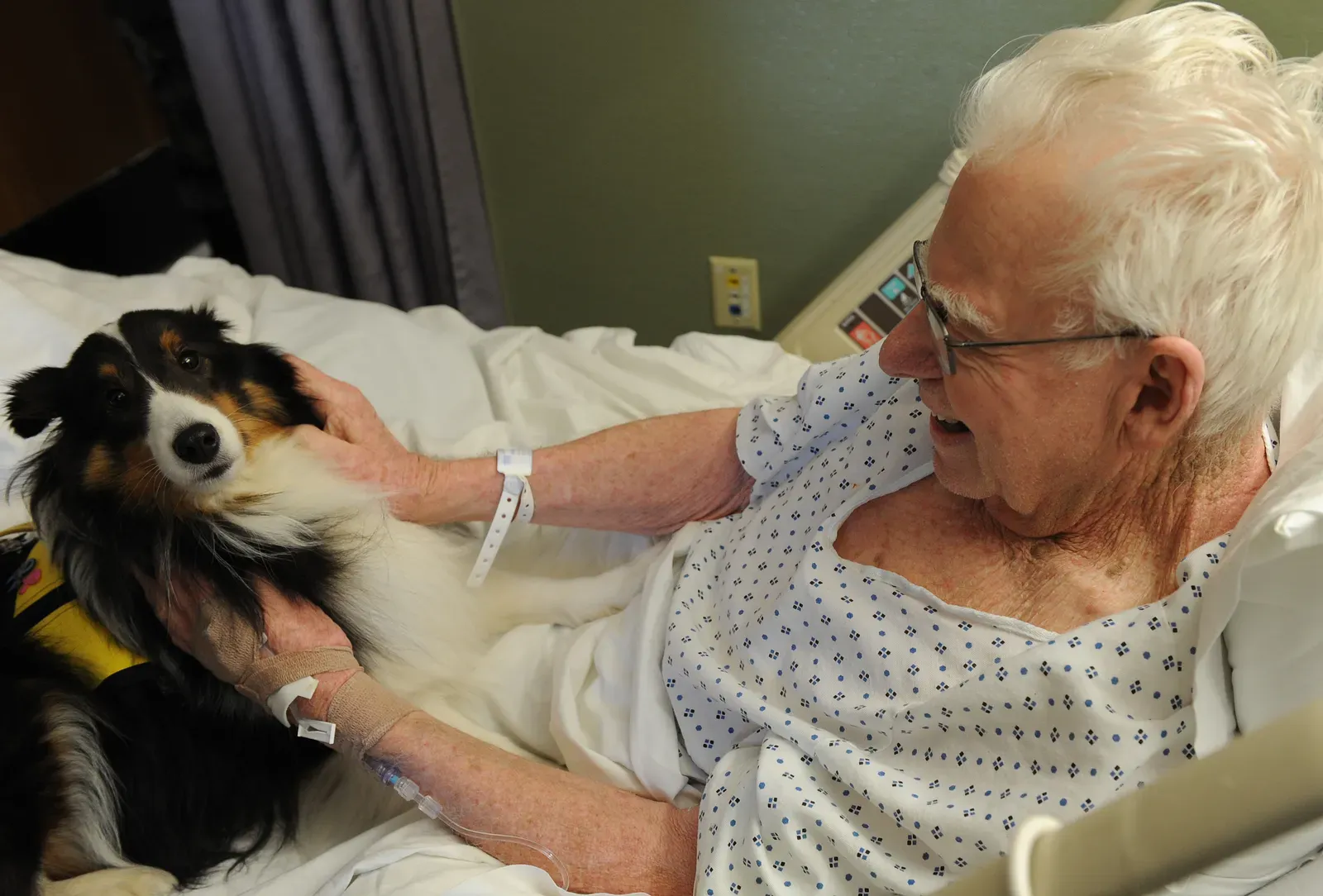
Emotional support animals shine through their mere presence, easing anxiety or depression without fancy tricks. Any animal can step up, from cats to rabbits. They provide companionship as part of therapy, no drills needed.[2][3]
Let’s be real, their superpower is comfort, not fetching meds or interrupting panic attacks. A mental health pro often confirms the need. This sets them worlds apart from task masters.
The Crucial Role of Training

Training separates the pros from the pals. Service dogs master precise skills, like deep pressure therapy during PTSD episodes. Owners or pros handle this rigorous prep, ensuring reliability anywhere.[1]
Emotional support animals? Zero formal training demanded. Their vibe alone does the job. I think that’s why folks mix them up so often.
Picture a service dog blocking a path to prevent wandering versus a lap dog offering hugs. Night and day.
ADA Protections for Public Access

The Americans with Disabilities Act crowns service dogs kings of public spots. Restaurants, stores, hotels, all welcome them despite no-pet signs. Staff can only ask two questions: Is it for a disability? What task does it do?[1][3]
Emotional support animals sit this one out. No entry to shops or theaters. Their realm stays private.
Housing Rights Under the Fair Housing Act
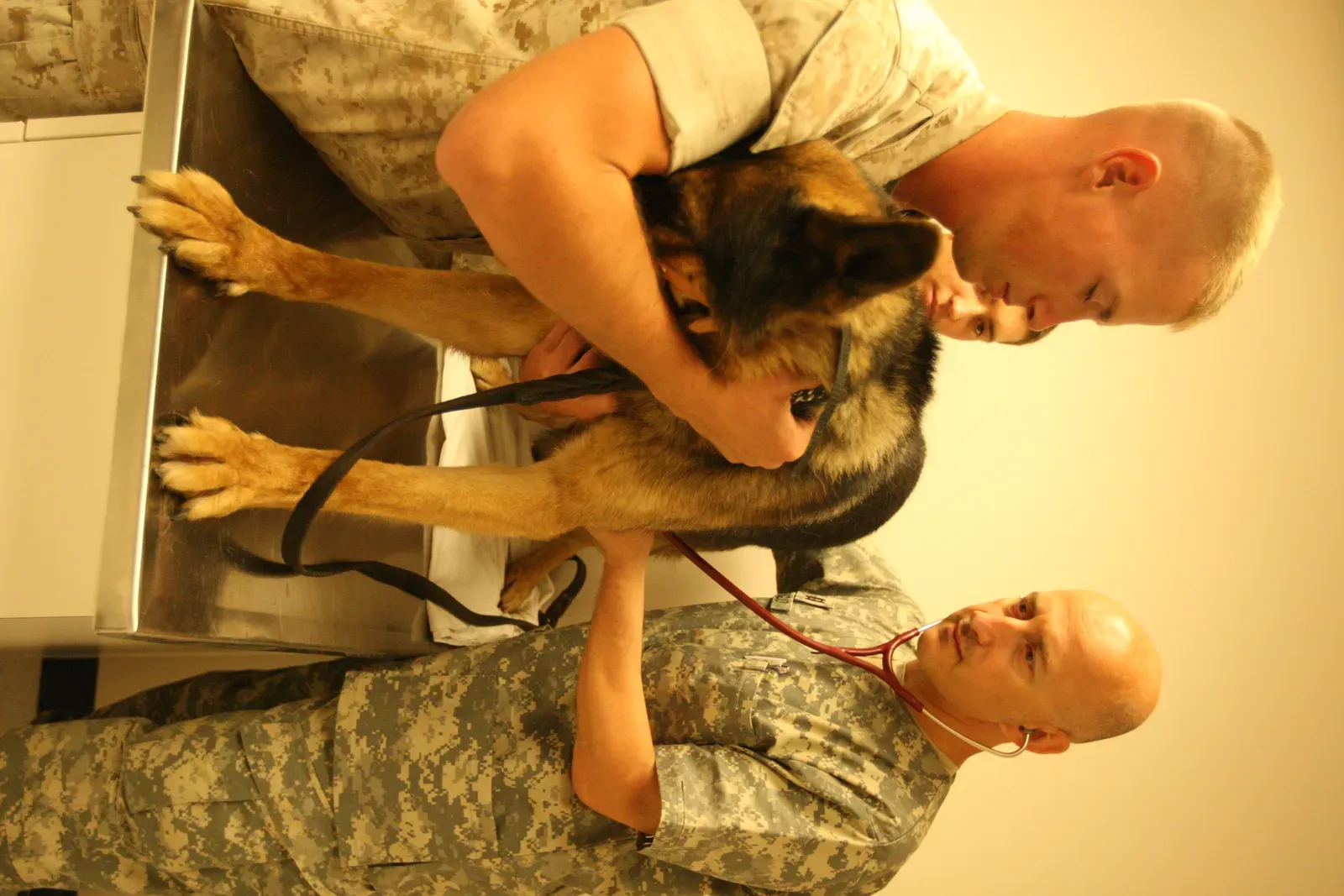
Both score big in housing thanks to the FHA. Landlords must waive pet fees or bans for service dogs and ESAs alike. It’s about equal access for folks with disabilities.[4]
If the need isn’t obvious, providers might request a note linking the animal to the disability. No breed bans or deposits allowed. This levels the rental playing field nicely.
Service dogs get double coverage here, blending ADA and FHA perks.
Air Travel: A Game Changer

Flying flips the script. Service dogs board cabins free, no fees, as long as they behave. Airlines verify with questions or DOT forms for long hauls.[5]
Emotional support animals lost their free ride post-2021 DOT rules. Now treated as pets, they face fees and crates. Dogs only for service status up there.
Documentation Demystified

Service dogs dodge paperwork in public; no certs mandated. Vests help but aren’t proof. Airlines might want health attestations.[1][5]
ESAs lean on letters from licensed pros for housing. Airlines? Not anymore. Here’s the thing: fakes flood the market, muddying trust.
Choosing the Right Companion

Need public access and task help? Go service dog, but commit to training. Emotional support fits cozy home life or flights as pets.
Weigh your disability’s demands. Consult pros early. The match transforms lives either way.
Wrapping It Up

Service dogs and emotional support animals both champion independence, yet laws draw sharp lines on training, access, and travel. Knowing these gaps empowers better choices amid real needs.
Next time you spot a vested pup in a cafe, appreciate the distinction. Which side of the line would your companion fall on? Share your thoughts below.


