

You see them everywhere now. Tiny Chihuahuas strutting down sidewalks in sweaters, Bulldogs decked out in raincoats, and even Great Danes sporting what can only be described as full fashion ensembles. The sight has become so common that it barely turns heads anymore. Still, every time I spot a dog dressed head to paw, I can’t help but wonder: does that pup actually want to be wearing , or is this purely for Instagram? The debate over dressing dogs rages on, with passionate arguments on both sides. Some insist it’s practical and even necessary, while others call it unnecessary or downright cruel. Let’s be real, though – the truth isn’t black and white, and understanding when help versus when they harm matters more than most people realize.
The Case for Protection in Harsh Weather
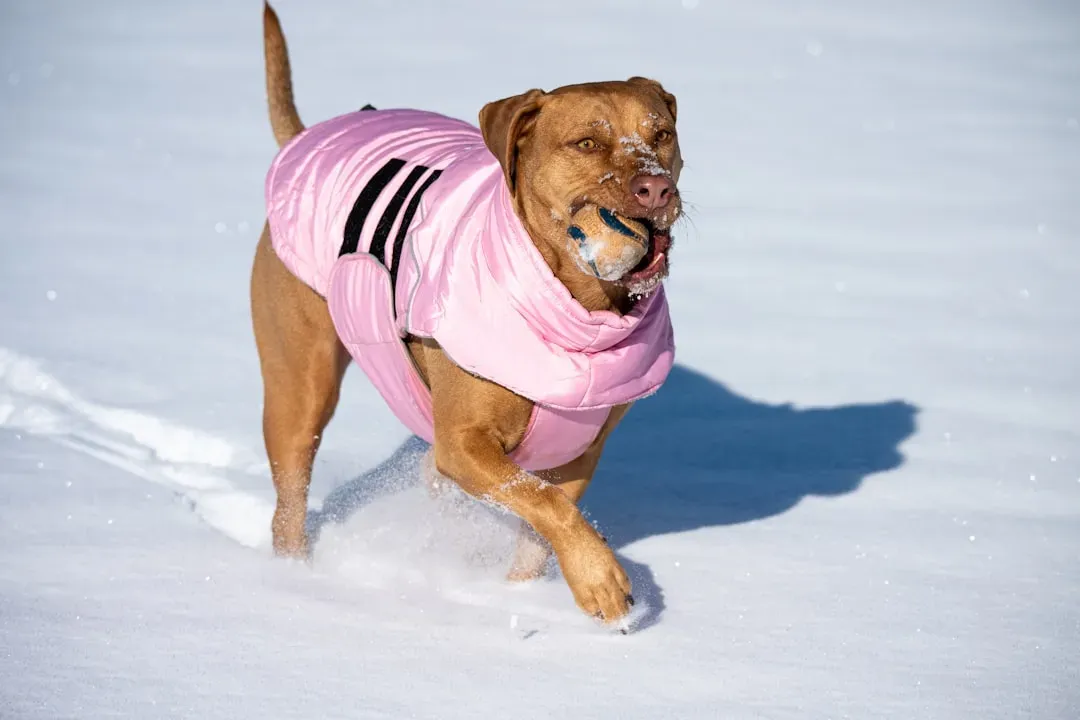
Sweaters and coats can help protect dogs against the elements, especially those with short or thin coats or any pup uncomfortable in cold weather. This isn’t just about keeping them cozy during a brief bathroom break. Puppies, senior dogs, short hairs and dogs with certain medical problems may need a coat to handle winter weather. I think it’s hard to argue with that logic when you’re watching a tiny Italian Greyhound shiver in freezing temperatures.
Here’s the thing: not all dogs are built like Siberian Huskies. There are hairless breeds, like the Chinese crested dog and the Mexican Hairless, that by default need to wear an extra layer of clothing to regulate their body temperatures. Without adequate protection, smaller dogs can quickly become susceptible to hypothermia during extended outdoor time. Booties are a great idea for winter, protecting the paws from salt and other chemicals, not just cold.
The risks aren’t theoretical. Cold isn’t just uncomfortable for vulnerable dogs – it can be dangerous. Cold weather poses real health risks like hypothermia and frostbite for pets, and fur alone is not always enough. Honestly, watching a shivering dog struggle through snow without protection feels more cruel than putting a jacket on them.
But summer brings its own challenges. UV-blocking sun shirts can keep dogs cool and provide sun protection, especially important for breeds with thin and light-colored coats and dogs that spend a lot of time outdoors. Light-colored pups can actually get sunburned, something many owners don’t realize until it happens. Cooling vests are soaked in cold water and worn to help regulate body temperature, while UV protection shirts use lightweight and breathable fabrics to protect from harmful UV rays.
Medical and Health-Related Reasons
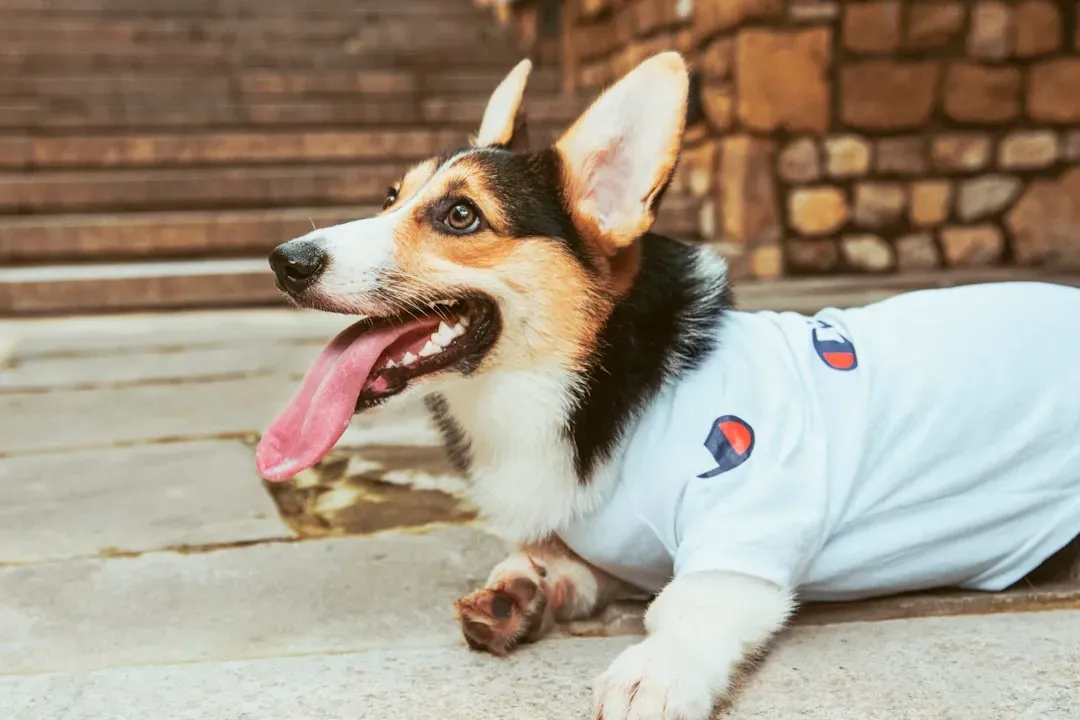
Sometimes aren’t optional. There may be medical reasons for wearing , often prescribed to stop your dog from aggravating wounds and to make them more comfortable during recovery. After surgeries or injuries, protective garments serve a functional purpose that has nothing to do with fashion. It’s practical medicine, plain and simple.
can also mitigate certain health conditions that canines may be experiencing, such as senior dogs with arthritis whose joints ache worse in cold weather. For aging dogs dealing with joint pain, warmth isn’t luxury – it’s relief. Dogs that experience Cushing’s disease are prone to losing a lot of fur, which means they may need some to help protect their body and keep them at normal temperatures.
Beyond physical ailments, there’s growing evidence for mental health benefits. Research supports the idea that ThunderShirts can calm dogs with anxiety disorders, with a study published in 2014 finding that dogs wearing tightly-fitted shirts had a significantly lower heart rate than dogs wearing loosely fitting shirts or no shirt at all. This pressure therapy works similarly to swaddling infants.
The pressure has a calming effect, similar to how a hug can comfort a person, and when dogs wear , it can make them feel more secure, helping reduce anxiety and stress in many dogs. I know it sounds crazy, but watching an anxious dog relax when wearing a compression vest is pretty remarkable. Roughly four out of five ThunderShirt users see improvement in their dog’s anxiety, and the product is recommended for thunder, fireworks, separation anxiety, travel, and vet visits.
The Dark Side of Dressing Dogs
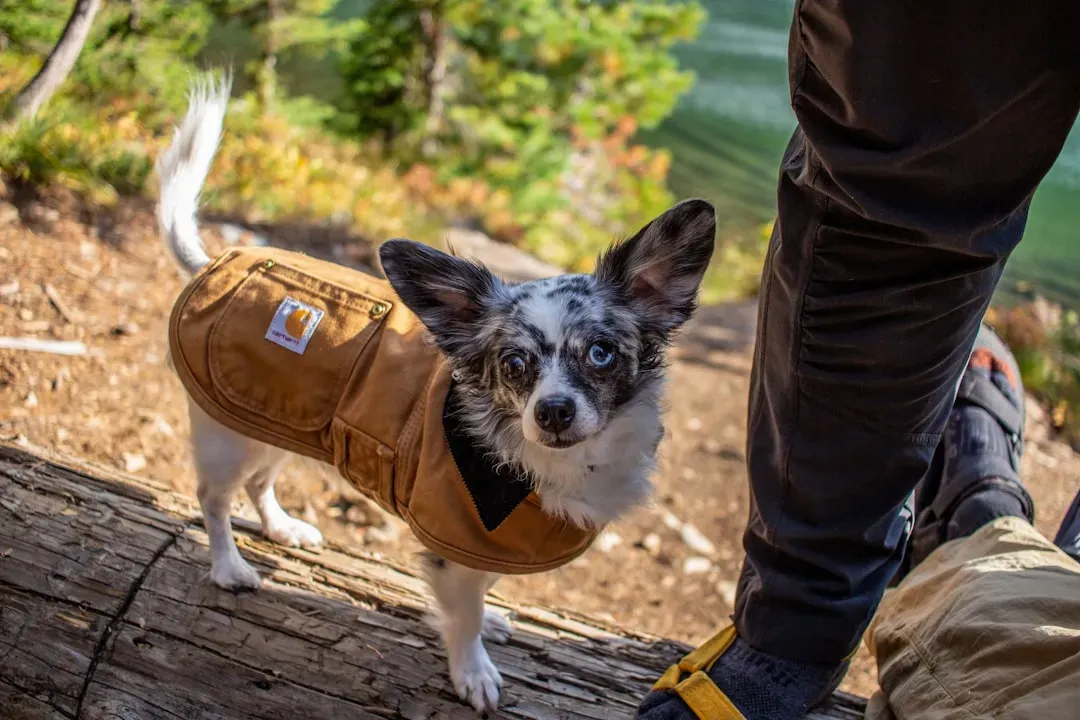
Now let’s flip the coin. Veterinarians caution that pet owners need be aware of the line between the benefits of and the various pitfalls associated with them, as coats that protect some pets from the cold can also cause overheating in the large number of pets that don’t need them. Overheating isn’t just uncomfortable – it’s dangerous, especially for certain breeds.
Overheating can affect breathing and blood pressure, especially in brachycephalic breeds such as bulldogs and pugs. These flat-faced dogs already struggle with breathing, and adding unnecessary layers can genuinely endanger them. Tight can decrease ventilation and increase humidity, which predisposes dogs to skin diseases and infections.
The physical problems extend beyond temperature regulation. Sweaters that are too tight can irritate a dog’s skin, and some clothing can rub uncomfortably against the skin, causing rashes, sores, or irritation. Long-haired breeds face additional challenges. Dogs with long coats can become matted while wearing , as the fabric compresses fur and rubs against it as they move, causing mats to form.
There are safety hazards too. Pieces of clothing can get caught on objects, leading to dogs getting stuck beneath furniture or on doorknobs around the home or outdoors. It’s a risk many owners don’t even consider until something goes wrong.
When Fashion Becomes Psychological Harm
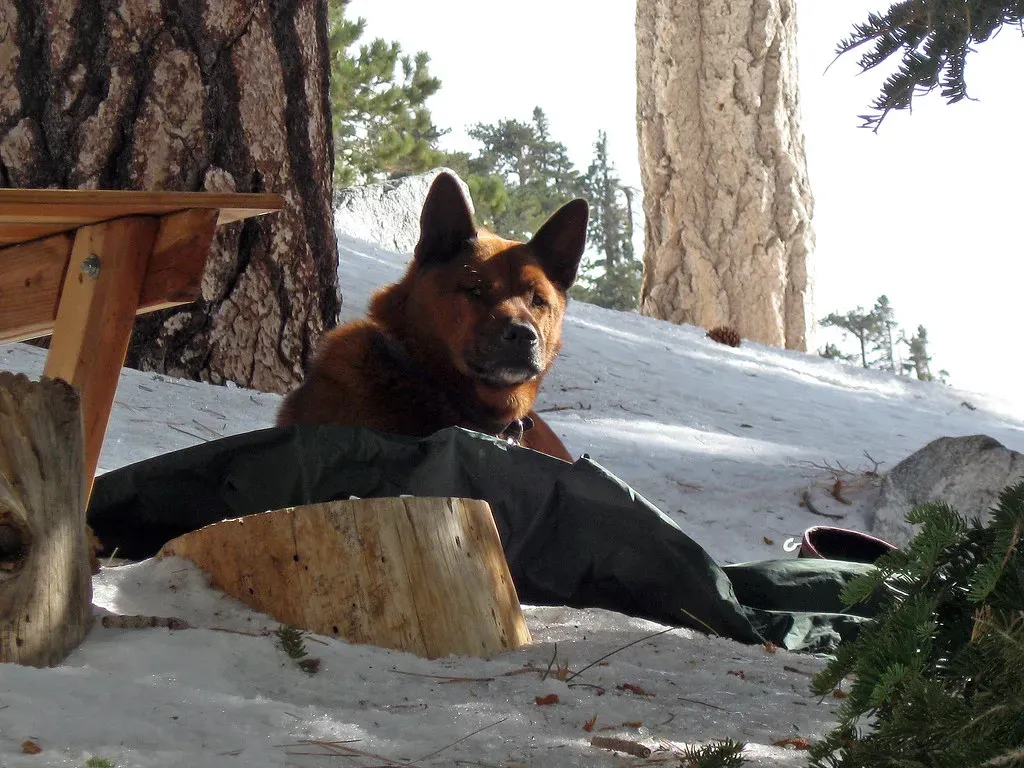
Here’s where things get uncomfortable. Dressing up pets can cause them all sorts of mental torment that may even trigger aggression toward owners, animal-behavior experts warn. That’s not a minor concern. Dressing up dogs can actually lead to aggression toward owners, as cover their body parts, changing the way they look to other dogs and making them feel edgy in general.
Dogs don’t choose what to wear, they don’t go to the shop and buy it – they just tolerate it. This hits hard because it’s true. Dogs do not enjoy being dressed, although they may put up with in certain circumstances, and people are not very good at perceiving subtle signs of stress in dogs.
What looks cute to us might signal distress. Certain behaviors like yawning, lip licking, and panting could be early signs of distress. Most owners completely miss these signals, mistaking stress for something adorable. Some dogs really don’t like wearing things like coats and jackets, leading to stress, as many pets hate feeling constrained, and if your dog hates wearing , you should never force them.
The impact on movement matters too. Dogs often walk differently when wearing clothing, sometimes because it doesn’t fit properly and restricts their movements, and sometimes because they’re just uncomfortable, which can cause joint pain over time. Restricted movement isn’t just annoying – it can genuinely hurt them.
The Novelty Trap and Human Entertainment
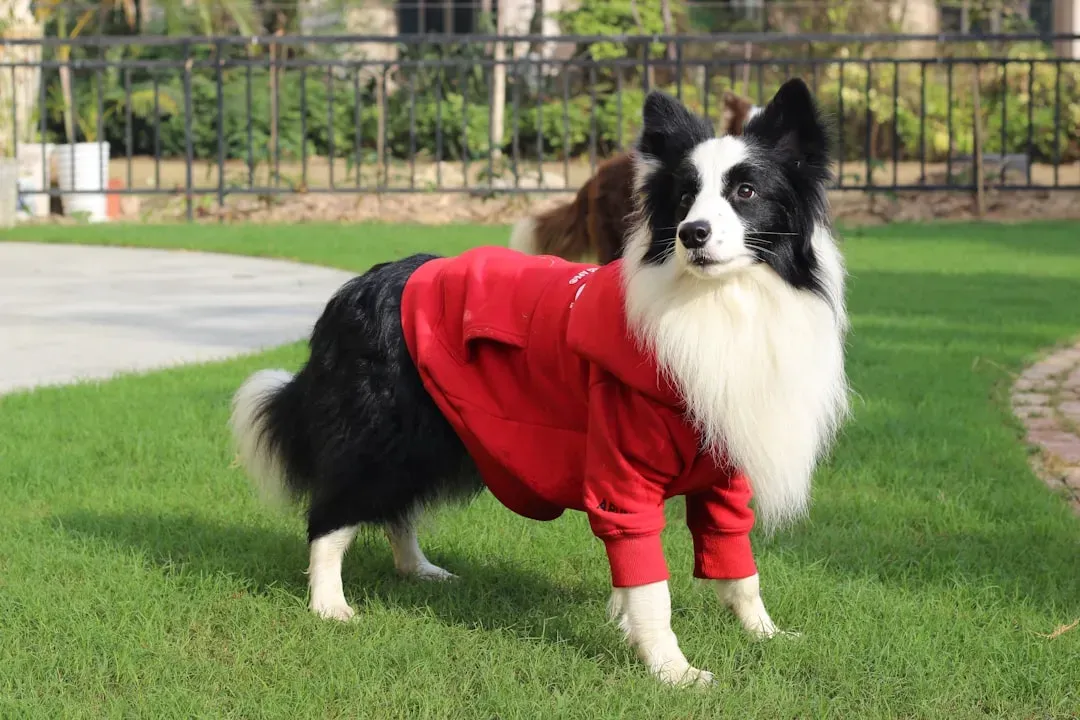
Let’s be honest about why many dogs get dressed up. Dressing your dog for novelty value is not in their best interests, and while cute holiday costumes may look good to us, your dog might not feel the same. That Halloween costume might earn likes on social media, but what’s it doing for your dog?
Dogs only require clothing for functional reasons, such as to keep warm, protect them from the elements or help them recover from injury, and a frilly tutu or reindeer antlers are unlikely to be of any benefit to your pup. It’s a blunt truth that’s worth considering before buying that next costume. Not all dog are created equal, with some outfits designed with a pup’s comfort and safety in mind, while others only serve the purpose of human entertainment, and dog can be helpful or potentially harmful, depending on the garment.
Costumes pose specific risks. Dogs are more apt to have a bad reaction to costumes that cover part of their head or have leg sleeves, and if the costume inhibits movement or affects the dog’s behavior, it needs to come off. The temptation to dress them up for parties or photos is strong, but their comfort should always trump our desire for entertainment.
Fabric Choices and Fit Matter Enormously
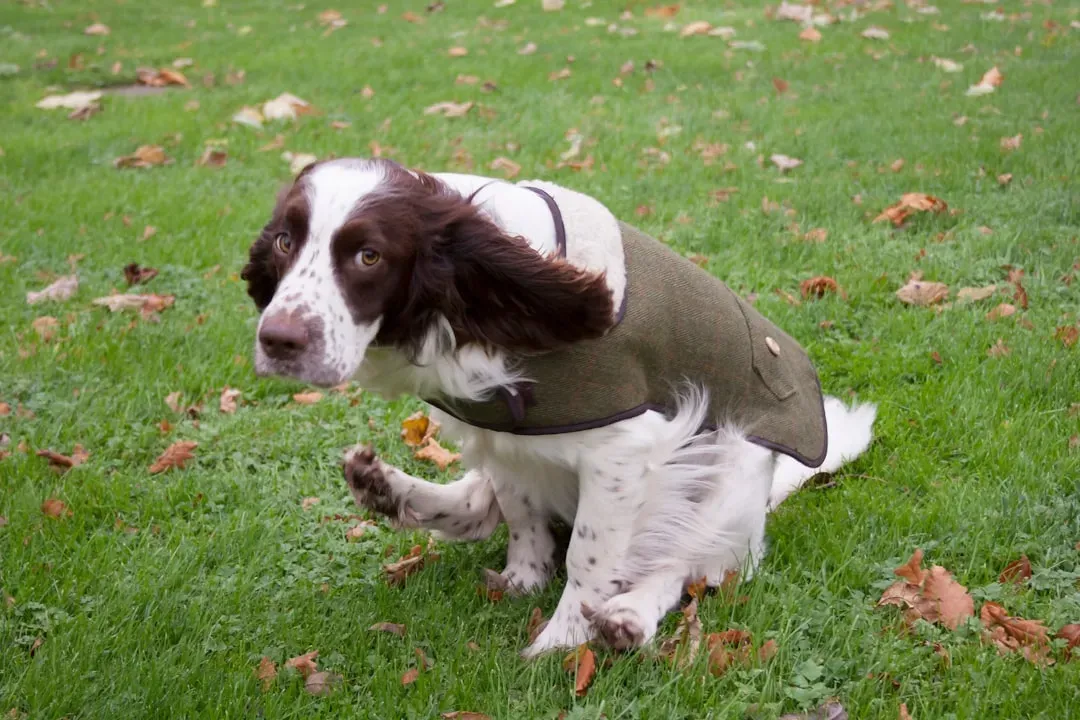
If you’re going to dress your dog, choosing the right materials becomes critical. The impact of clothing on a dog’s coat largely depends on the fabric choice, fit, and duration of wear, with cotton and cotton blends tending to be less damaging than synthetic materials that can create static and friction. Not all fabrics are equal when it comes to canine comfort.
Synthetic fabrics like nylon, polyester, and acrylic can cause skin irritation in some dogs, especially those with sensitive skin, and they also tend to trap heat and may not be breathable, leading to overheating. Meanwhile, wool presents its own problems. While wool is warm, it can be itchy and irritating to a dog’s skin, especially if the dog has sensitive skin or is prone to allergies, and it also tends to absorb moisture, which can be uncomfortable and lead to skin issues.
Proper fit is non-negotiable. Clothing must fit well – neither too tight nor too loose, as tight clothing can restrict movement and breathing, while loose clothing might cause your dog to trip or get tangled. Watch out for objects or attachments like strings, bells, and small items that dogs will be able to chew off, or parts that can choke, chafe, or cut off their blood supply. The devil is truly in the details when it comes to safety.
Dogs can overheat if they wear too many layers or if the clothing is too thick, so be especially cautious indoors or in mild weather and watch for signs like panting, excessive drooling, or lethargy. These warning signs shouldn’t be ignored, even if your dog looks adorable in that new sweater.
Breed-Specific Considerations
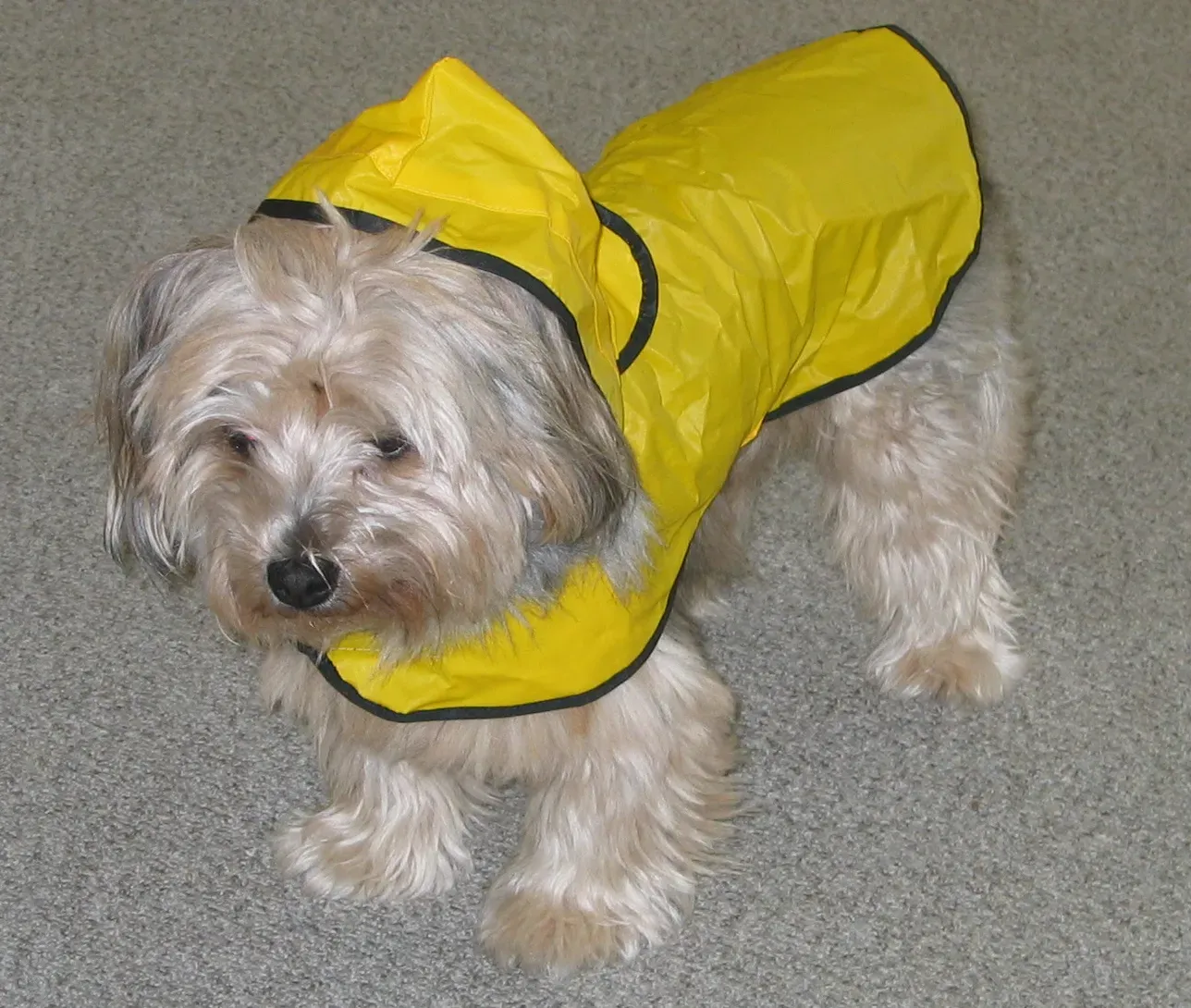
For double-coated breeds, clothing can interfere with the natural insulating properties of their fur, as the undercoat keeps warm air close to the body and the topcoat keeps water and dirt away, and wearing that are too tight can flatten this structure, making it less effective. Nature gave these dogs their own perfect insulation system. We shouldn’t mess with it.
Breeds with thick hair or breeds bred for colder temperatures do not need to wear clothing, and Siberian huskies were bred to live in the harsh climate of northeastern Siberia and can handle cold temperatures without a problem. Putting a coat on a Husky in mild winter weather makes about as much sense as wearing a parka in spring.
On the flip side, certain breeds absolutely benefit from clothing. Short-haired breeds like Greyhounds and Whippets, with their thin coats, may benefit from wearing in cooler temperatures. Some dog breeds, like West Highland White Terriers, Bichon Frises, and Shih Tzus, are more likely to be allergic, and wearing the wrong can make their allergies worse.
The decision to dress your dog should be made on a case-by-case basis, considering your specific pet’s breed, health status, and individual preferences. There’s no universal answer that fits every dog, which honestly makes the whole debate more complicated than most people want to admit.
Reading Your Dog’s Body Language
The most important skill any dog owner can develop is understanding what their dog is actually telling them. It’s essential to observe your dog’s behavior when introducing clothing, as reactions can range from excitement and joy to anxiety or discomfort, so take note of body language; if they seem relaxed and engaged, they likely enjoy wearing , but if they show signs of stress like hiding, whining, or trying to remove the garment, it may be time to reconsider your approach.
Some dogs freeze when dressed. If you have a pet that loves being naked, they’ll associate dress up with stress as they are not used to wearing , and some pets will remain completely still when they have on because they do not like them and want them taken off. That stillness isn’t acceptance – it’s shutdown, and there’s a huge difference.
Animal behaviorists warn pet owners about misinterpreting their dog’s calm demeanor, as the dog may remain uncomfortable and anxious but stay quiet and still because he feels so inhibited by the wrap that he doesn’t want to move. What we perceive as calm cooperation might actually be learned helplessness. That’s a sobering thought for anyone who regularly dresses their dog.
Training and gradual introduction make a difference. It’s best to introduce a new item of clothing gradually by placing the sweater, pajamas, or booties on your pet for a few minutes at a time, then gradually increasing the duration, though some pets will never adjust to wearing clothing. Patience matters, but so does acceptance when your dog genuinely can’t tolerate .
Conclusion: Finding the Balance
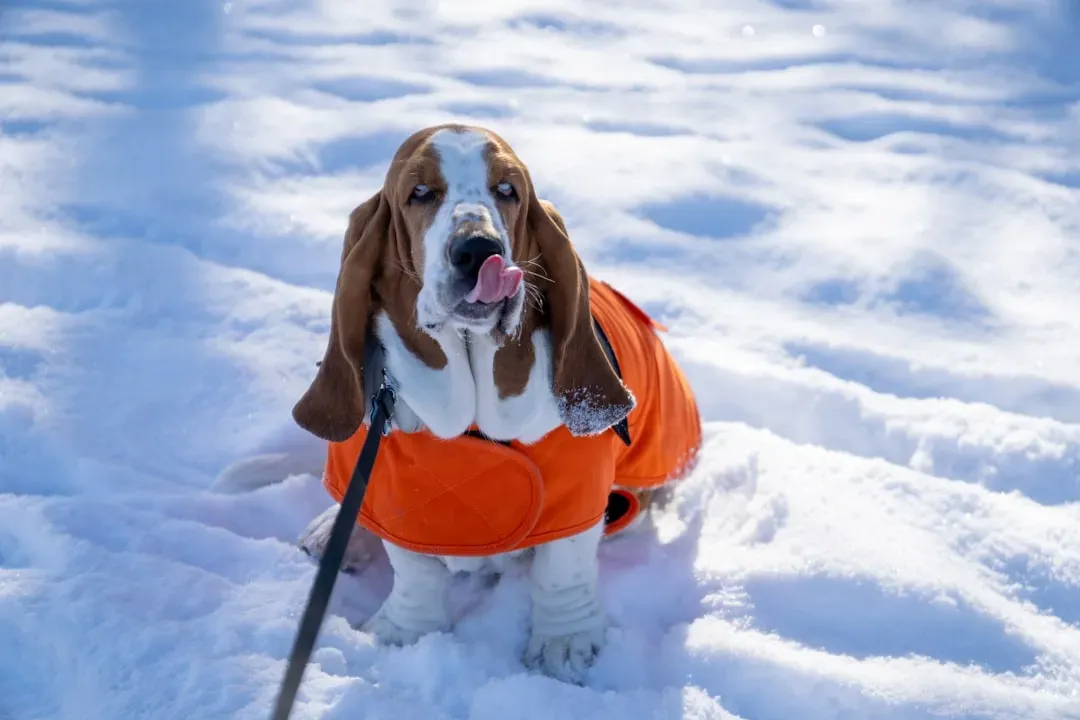
So where does that leave us? A good way to determine whether to get pet clothing is if it keeps your pet warm, comfortable, or safe, with winter coats being useful types of , and asking your veterinarian if they believe a coat would be good for them. Function should always drive the decision, not fashion.
Dogs naturally have protection against mild weather and sometimes clothing can do more harm than good, as most breeds have a coat that naturally insulates against the cold, and clothing can interfere with their natural cooling or heating mechanisms, leading to issues. The key is understanding what your specific dog actually needs versus what you want them to wear.
The bottom line? can genuinely help dogs in certain situations – cold-sensitive breeds in winter, anxious dogs during storms, or recovering pets after surgery. They can also harm dogs when used inappropriately – causing overheating, skin problems, stress, or restricted movement. The difference lies in intention, selection, and observation.
What do you think? Does your dog genuinely benefit from wearing , or is it mostly for your own enjoyment? Have you noticed changes in your dog’s behavior when dressed? The conversation is worth having, because ultimately, their comfort should matter more than our Instagram feed. Tell us what works for your pup.


