Picture this: you’re heading out for work, keys in hand, and your dog looks up at you with those big, soulful eyes. You close the crate door and can’t help but wonder, “Am I doing the right thing?” If your heart aches a little as you leave, you’re definitely not alone. Crate guilt is real, and it tugs at almost every dog lover. But is crating truly something to feel bad about, or could it actually be a kindness in disguise? Let’s dig into the facts, feelings, and practical tips that matter most for both you and your best furry friend.
Why Do People Crate Their Dogs?
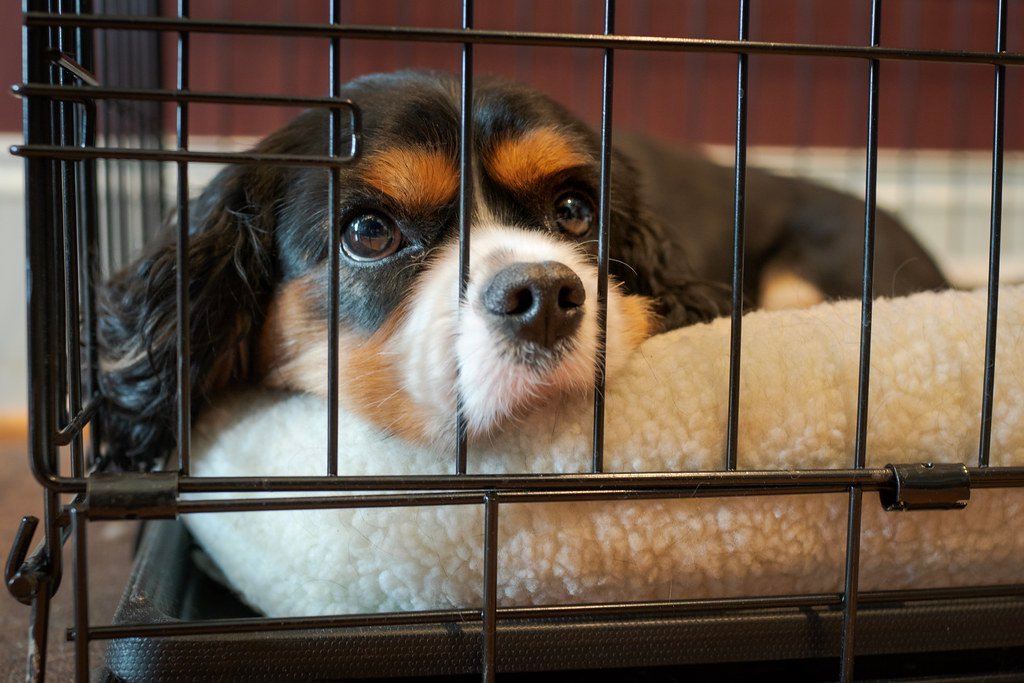
Crates can seem like little doggy prisons, but their real purpose is often misunderstood. Many people use crates to keep their dogs safe and calm when they can’t be supervised, especially for puppies or mischievous chewers. It’s not about punishment—it’s about protection from household dangers and giving your pup a familiar, secure space.
For some dogs, a crate becomes their den, a place to retreat when the world feels overwhelming. If you’ve ever seen your dog nap peacefully in their crate with the door open, you’ve witnessed this natural comfort in action. The key is making the crate a positive, cozy zone—not a place of isolation.
How Long Is Too Long in the Crate?
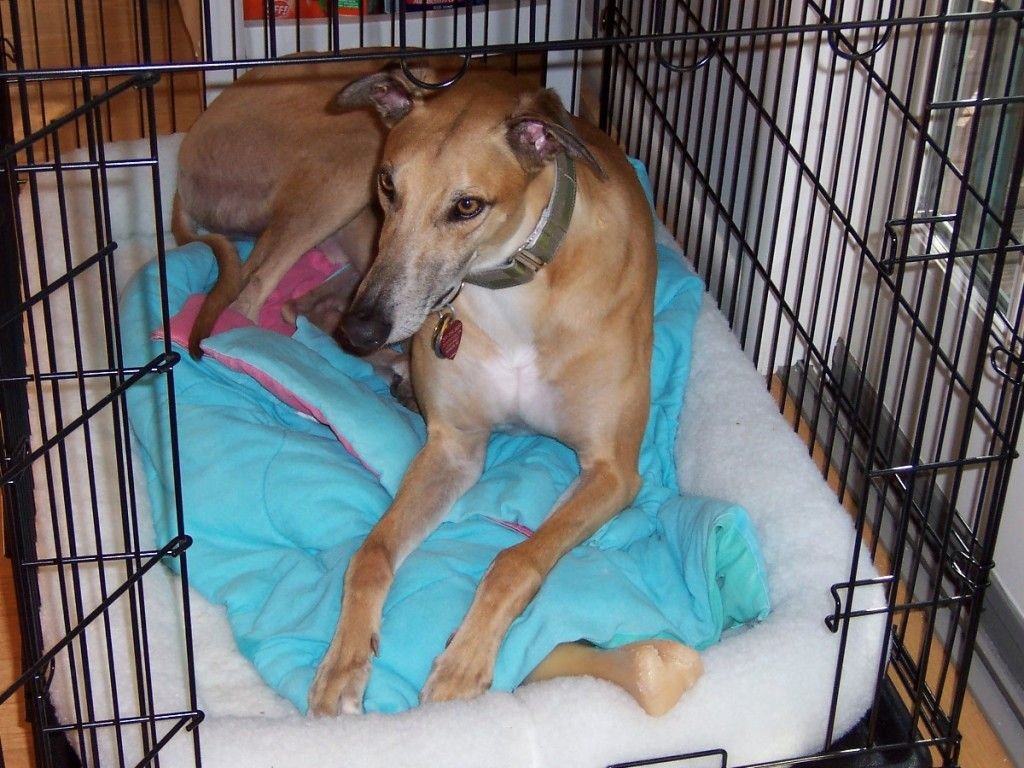
The clock matters more than you might think. Adult dogs can handle being crated for about four to six hours at a stretch, while puppies need breaks much sooner—think two to three hours tops, depending on age. Anything longer can lead to frustration, anxiety, or even health problems from holding it in too long.
Remember, no one—human or dog—wants to be cooped up all day. If your schedule means your dog might be crated for most of your waking hours, it’s time to rethink the routine, maybe with a midday dog walker or a friendly neighbor to lend a hand.
Behavioral Clues: Is Your Dog Coping?

Not every dog takes to crating the same way. Some snooze contentedly, while others bark, whine, or try to escape. Watch for signs like excessive drooling, chewed-up bedding, or frantic digging at the crate door—these can signal distress, not just boredom.
A happy crated dog might stretch out and settle, even with you out of sight. If your pup greets you calmly when you return (instead of tearing out like a tornado), that’s a good sign they’re handling things well. Listen to what their body language is telling you.
Crate Training: Making It Positive

Crate training is a gentle art, not a quick fix. Start slow, tossing treats or favorite toys inside and letting your dog explore at their own pace. Never force them in or use the crate as a punishment—this just builds fear and resistance.
For most pups, crate time should feel like a reward. Think of it as their own little apartment, complete with comfy bedding and maybe a safe chew toy. Short practice sessions with lots of praise can turn crate time into a happy routine instead of a dreaded chore.
The Danger of Over-Crating

Too much time in the crate can lead to physical and emotional issues. Dogs need to stretch, play, and interact—just like we do. Extended crating can cause muscle stiffness, bladder problems, and sometimes even depression or increased anxiety.
If you notice your dog is restless, withdrawn, or starts having accidents even after being let out, over-crating could be to blame. Mixing crate time with plenty of walks, play, and cuddle sessions helps keep your dog’s body and spirit in balance.
Alternatives and Creative Solutions
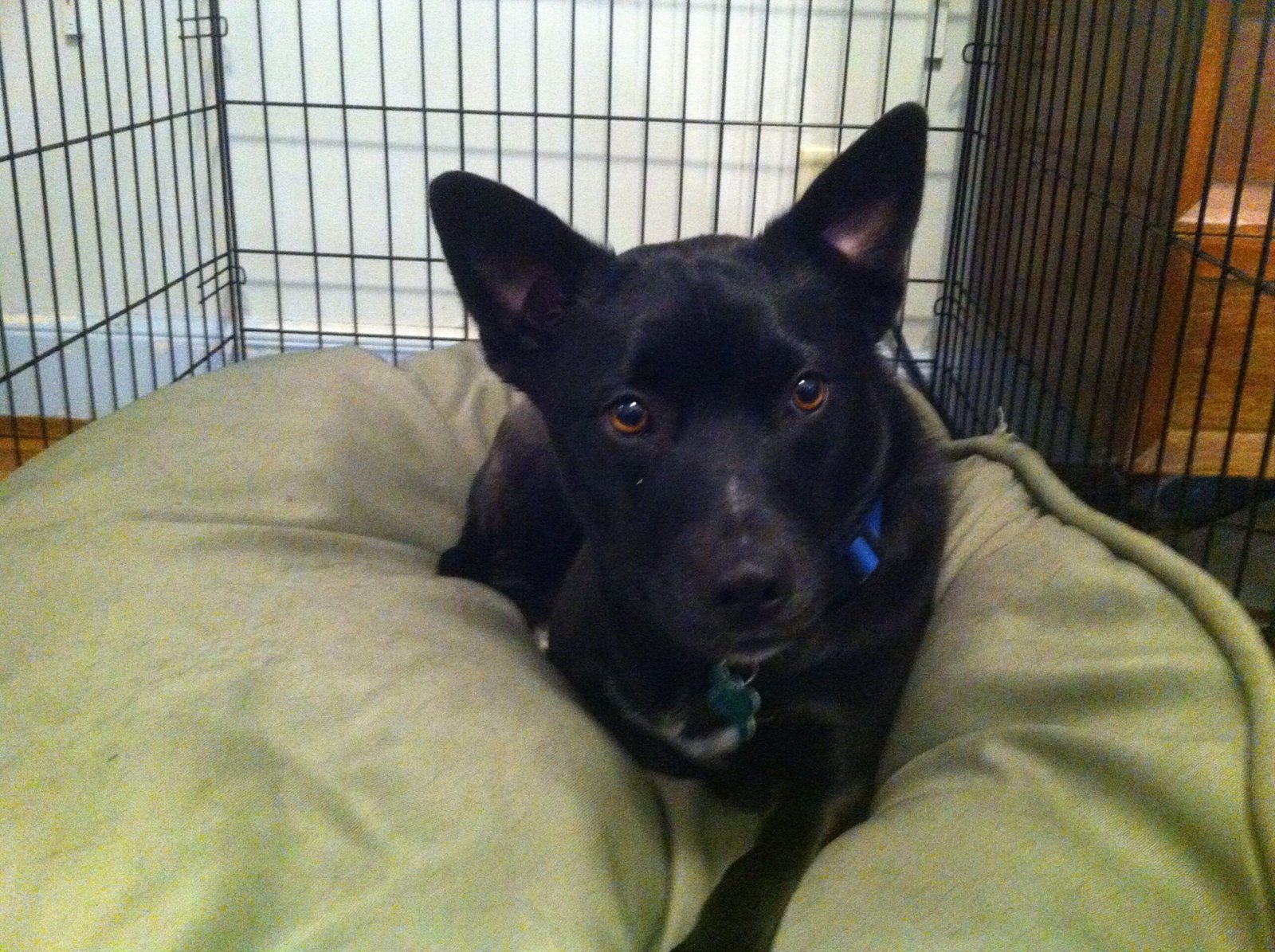
Crates aren’t the only answer to keeping your dog safe. Puppy-proofed rooms, sturdy baby gates, or exercise pens can offer more space while still providing limits. For some dogs, the sight of an open window or a favorite blanket in a quiet corner can be just as comforting.
Consider asking a trusted friend or hiring a pet sitter to break up your dog’s day. Even a simple puzzle toy or treat-dispensing gadget can help keep your pup entertained and less focused on your absence.
Health Signs to Watch For

A dog who’s crated too long might show subtle changes—loss of appetite, heavy panting, or reluctance to enter the crate. Watch for sore paws, stiff movements, or increased thirst after being let out, as these may hint at discomfort or stress.
Keep an eye on their bathroom habits. Holding pee for too long can cause urinary tract infections or accidents in the crate, which can make your pup anxious about crating in the future. Healthy dogs should always have a chance to relieve themselves regularly.
When Guilt Is Actually a Good Thing
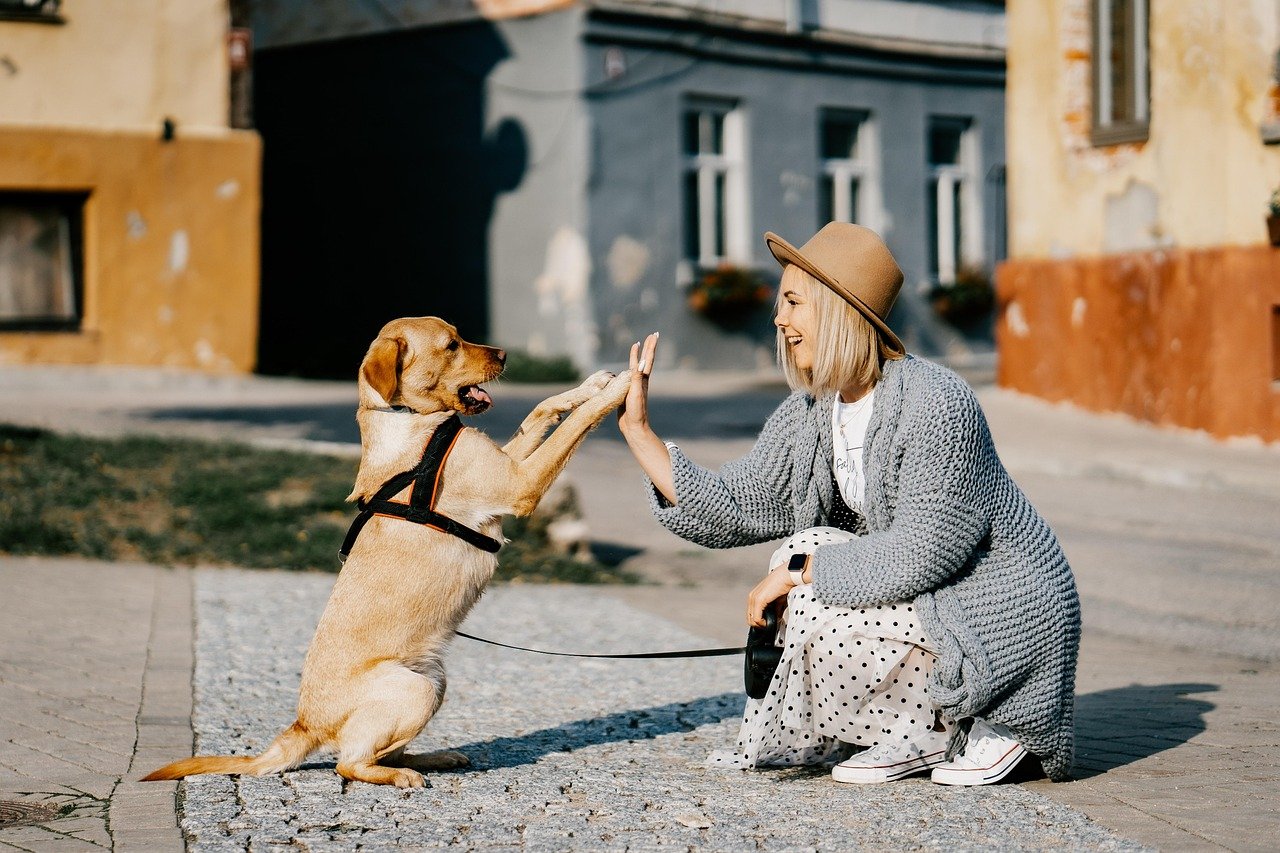
Feeling a twinge of guilt can be a sign you care deeply. It pushes you to check in, learn more, and do better for your dog. Instead of letting guilt eat away at you, use it as a nudge to make small improvements—like a shorter workday, an extra walk, or a new enrichment toy.
Your dog doesn’t need perfection; they just need your love, attention, and a safe space to call their own. With a little thought and compassion, you can find a balance that works for both of you.