
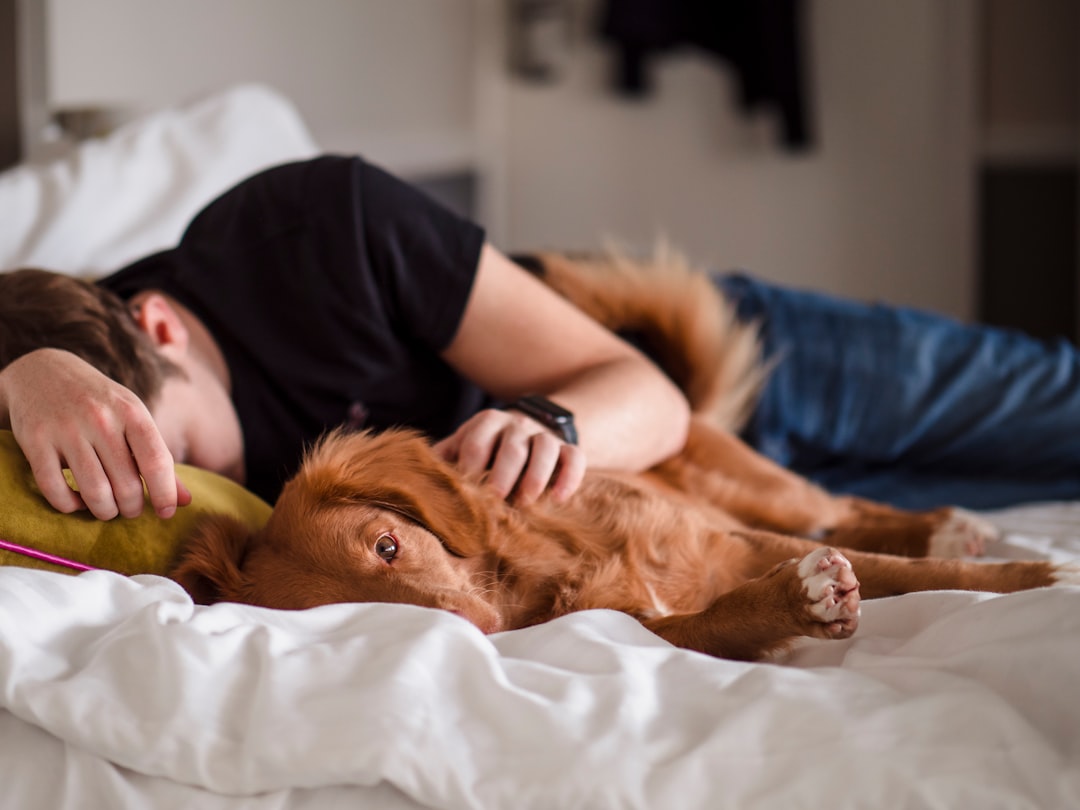
Letting your dog sleep in your bed can be comforting, cozy, and a great way to bond—it’s no wonder so many pet parents do it! It can help ease anxiety, provide emotional support, and make both of you feel safer. On the flip side, it may lead to disrupted sleep, hygiene issues, or reinforce certain behavioral challenges. It really comes down to your lifestyle, your dog’s temperament, and how well it works for your routine. Whether your pup snuggles beside you or sleeps soundly in their own space, the goal is restful sleep and a happy human-dog relationship.
The Emotional Bond: Why We Love Sharing Our Beds

Dogs have a way of making us feel less alone. The gentle weight of a dog curled up next to you can calm racing thoughts and bring a sense of peace at bedtime. Many people say their dog is their best friend, and letting them sleep in the bed deepens that special bond. The act of sharing a sleeping space is rooted in history—dogs lived alongside humans for warmth and safety. Today, it’s an act of trust and affection. It’s no wonder people cherish waking up to a wagging tail and loyal eyes. For some, it’s not just about comfort; it’s about love and connection.
Health Benefits: Can Sleeping With Your Dog Improve Well-Being?
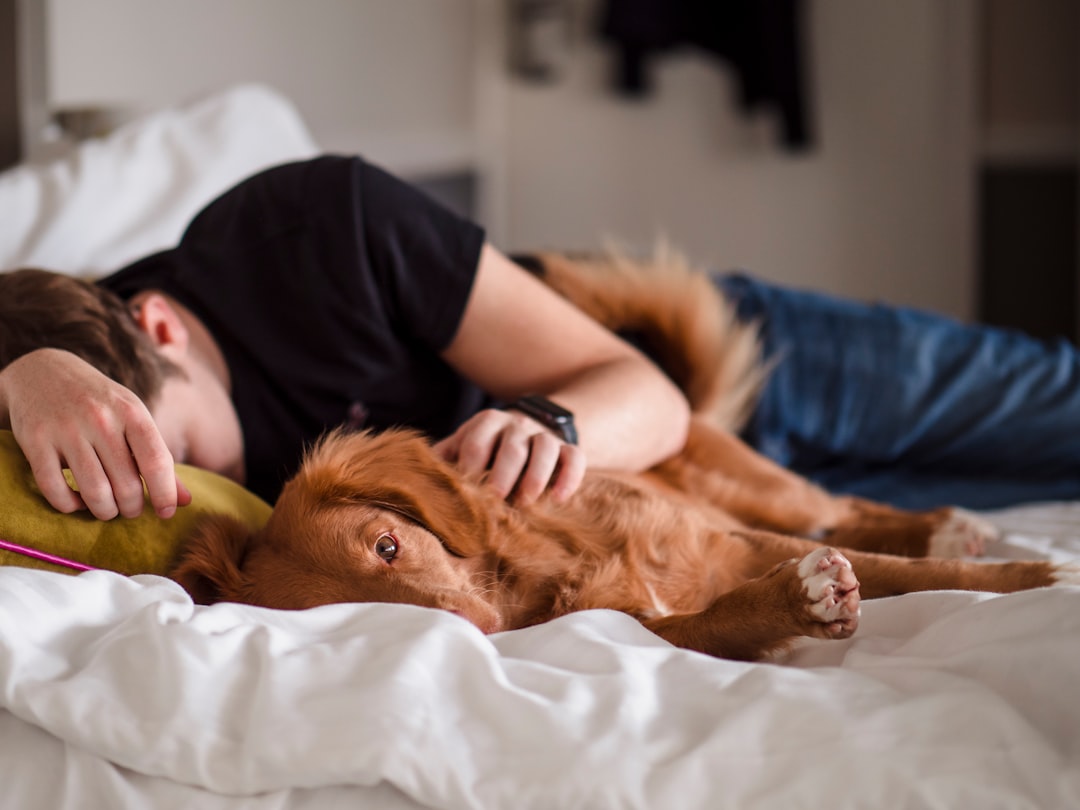
Surprisingly, there are real health perks to sleeping with your dog. Studies have shown that having a dog nearby can reduce stress and lower blood pressure. The steady rhythm of a dog’s breathing can even help people fall asleep faster. For those who feel anxious or struggle with nightmares, a dog in the bed may offer a sense of security. Some experts say dogs can help regulate your sleep cycle and boost your mood. Of course, every person and pup is different, but many dog lovers swear by the positive effects.
Potential Health Risks: What Should You Watch Out For?

While there are benefits, it’s important to consider the risks, too. Dogs can carry dirt, pollen, and even parasites indoors, which may end up in your bed. Allergies can get worse if your pup is a heavy shedder or likes to play outside. There’s also the chance of catching certain illnesses, although this is rare with healthy, vaccinated pets. If you have asthma or a weak immune system, your doctor might suggest keeping the bed pet-free. Simple precautions, like regular baths and check-ups, can help minimize these concerns.
Sleep Quality: Do Dogs Help or Hinder Your Rest?
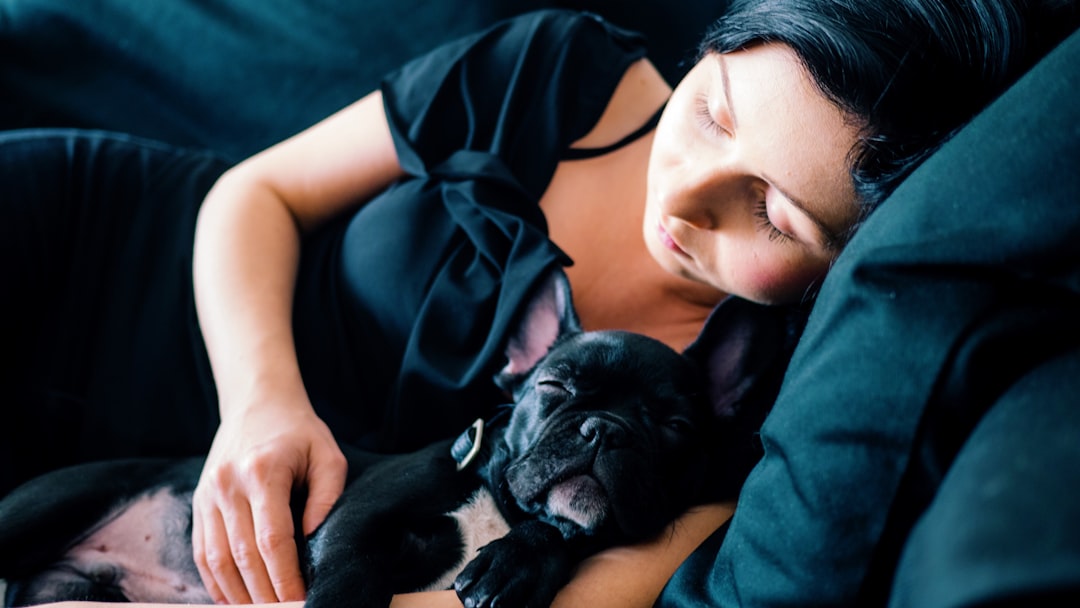
It’s not all snuggles and sweet dreams—some dogs can be restless sleepers. If your dog snores, kicks, or hogs the covers, you might find yourself tossing and turning. Research shows that even small movements from a pet can disrupt your sleep. On the other hand, some people find the gentle presence of a dog soothing, helping them sleep more soundly. It really comes down to your dog’s habits and your personal tolerance for midnight interruptions. If you’re losing sleep, it may be time to rethink the arrangement.
Behavioral Considerations: Does Sharing a Bed Affect Your Dog?
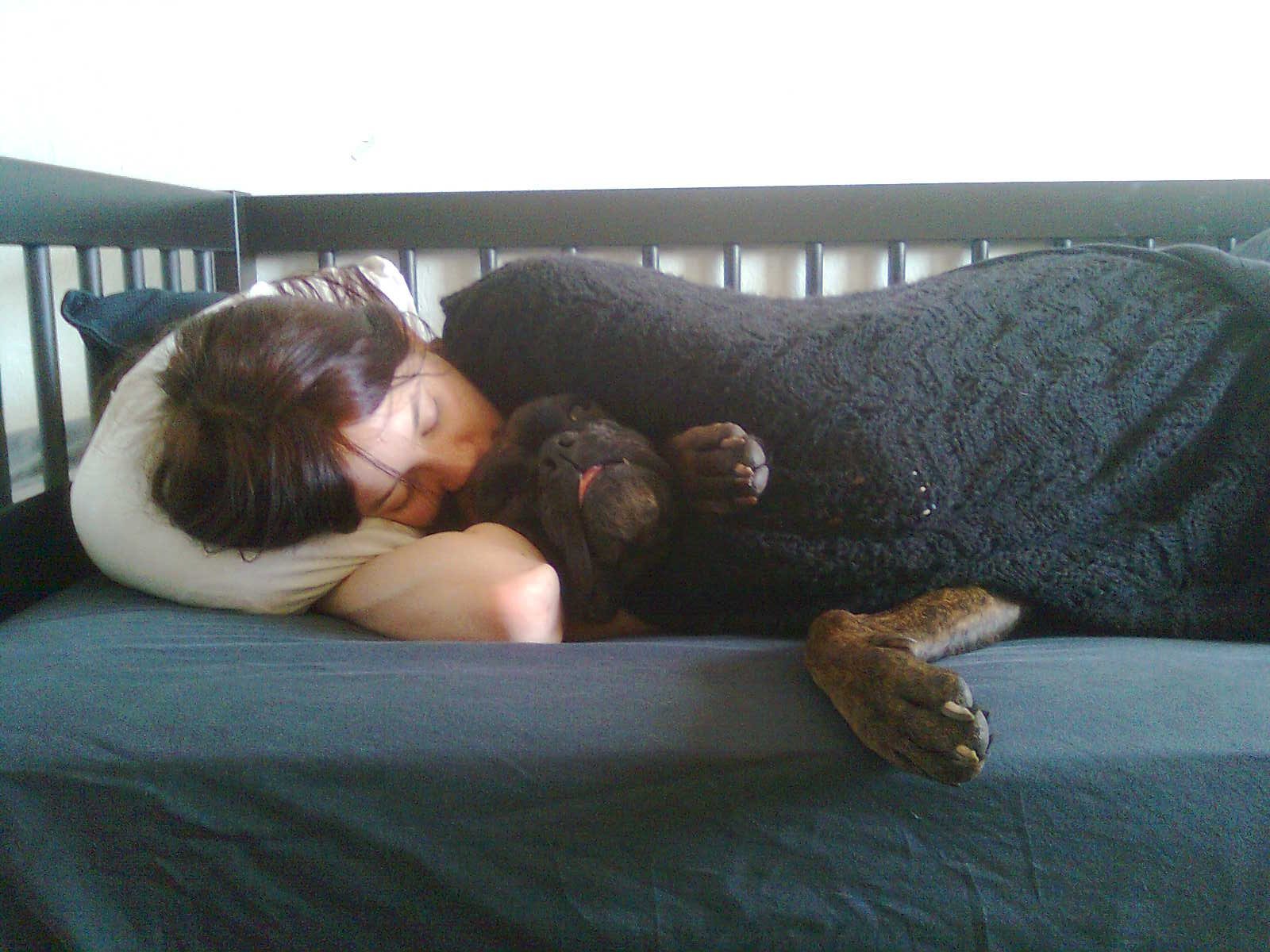
Letting your dog sleep in your bed might change their behavior. For some dogs, it can boost confidence and make them feel like a true member of the family. But for others, especially those with dominant personalities, it could encourage possessiveness or make boundaries harder to set. Puppies and rescue dogs may need clear rules to feel secure. Consistency is key—if you let your dog sleep with you sometimes but not others, it can be confusing. Setting up routines and sticking to them makes life easier for everyone.
Setting Boundaries: Tips for a Peaceful Night’s Sleep
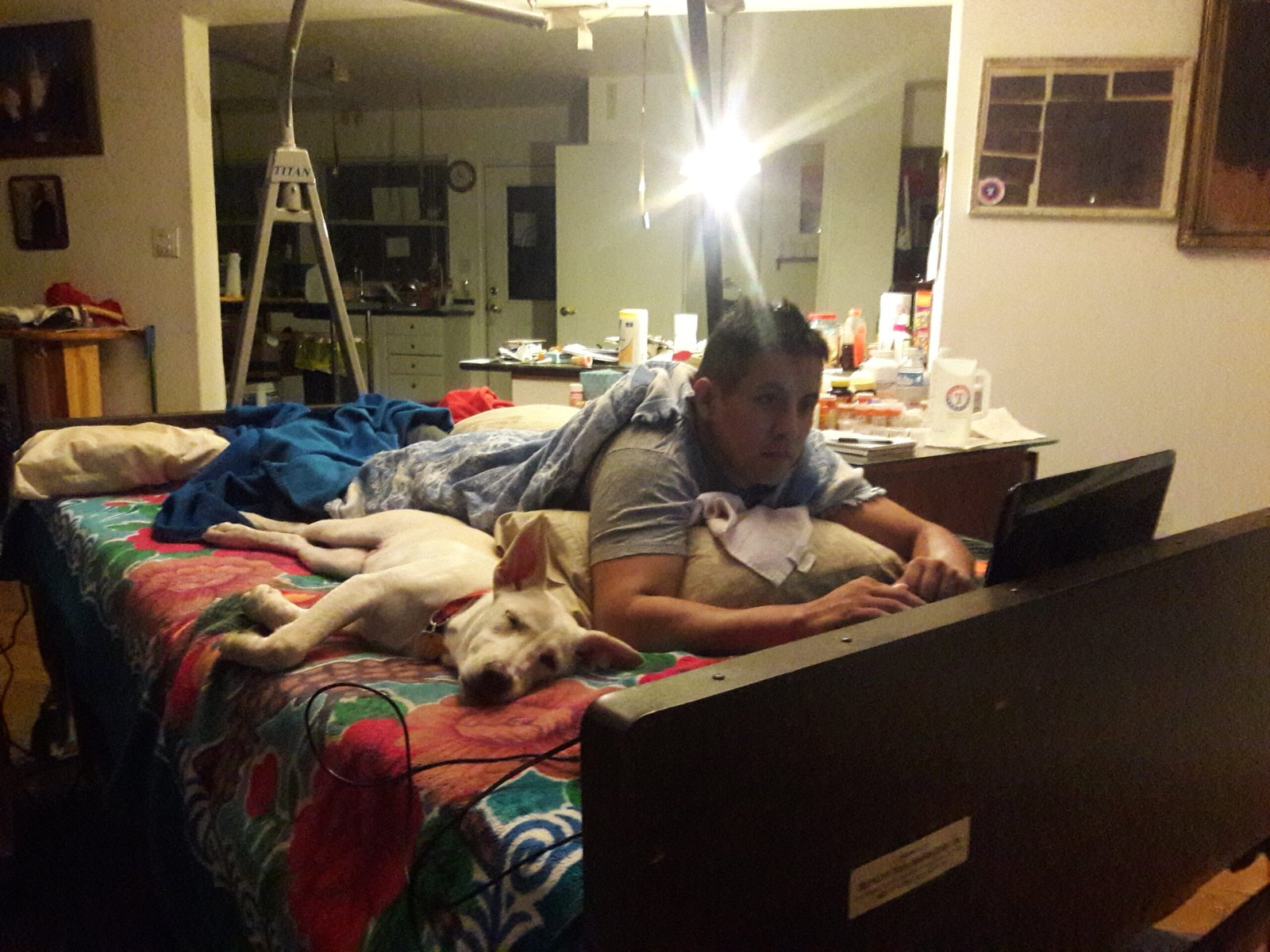
If you do decide to let your dog sleep in your bed, it pays to set some ground rules. Teach your dog to wait for an invite instead of jumping up unannounced. You might want to designate a certain spot on the bed, like at your feet, to avoid crowding. Use commands like “off” or “bed” to reinforce boundaries. A comfortable dog bed nearby can give your pup an alternative if things get too cramped. Remember, training is all about patience and positive reinforcement. With a little effort, you can find a routine that works for both of you.
When Should You Say No? Special Circumstances to Consider
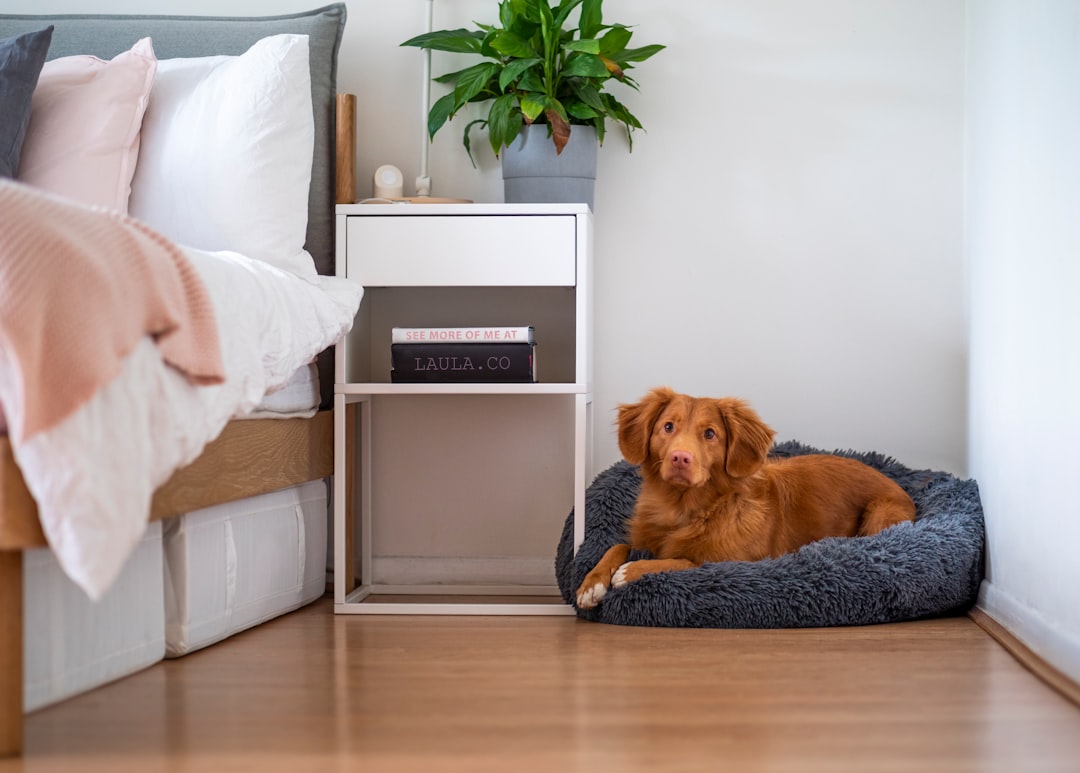
There are times when letting your dog sleep in your bed just isn’t a good idea. If your dog has separation anxiety, sleeping together might make the problem worse. Dogs recovering from surgery, with mobility issues, or those prone to accidents may be safer in their own space. Families with small children need to be extra careful, as dogs can accidentally roll over or get startled at night. And if you’re a very light sleeper, the smallest movement might keep you up. In these situations, it’s okay to say “not tonight.”
Alternatives: Creating Cozy Spaces for Your Dog

If sharing your bed doesn’t work out, there are plenty of ways to help your dog feel close. Try setting up a plush dog bed next to yours or use a crate with a soft blanket for comfort. Some dogs even love having their own “room” with toys and treats. You can still enjoy bedtime cuddles before sending your pup to their own spot. Many pet owners find that their dogs sleep better—and so do they—when everyone has their own space. The key is making your dog feel safe, loved, and never left out.
This is where the summary ends.


