
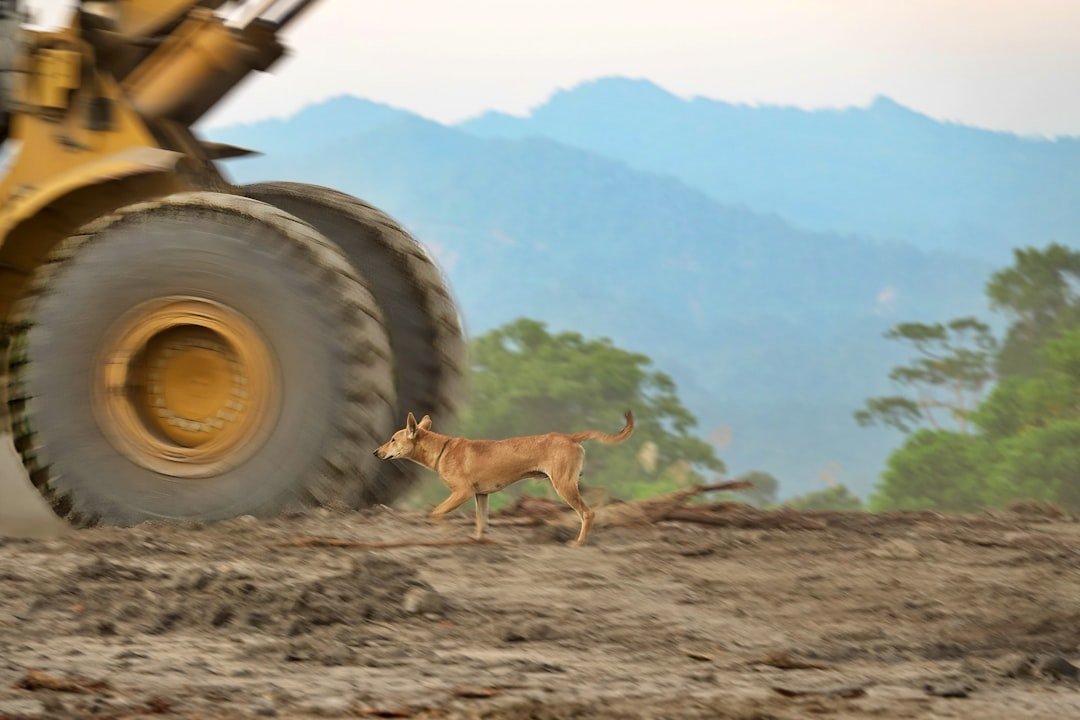
A Pioneering Voice Emerges in Conservation (Image Credits: Unsplash)
India – Experts highlight habitat destruction as the dominant force imperiling the nation’s extraordinary biodiversity, eclipsing poaching as the foremost concern.
A Pioneering Voice Emerges in Conservation
Vivek Menon recently became the first Asian elected as Chair of the International Union for Conservation of Nature’s Species Survival Commission. This milestone appointment from the eastern hemisphere brings fresh urgency to India’s wildlife challenges. Menon emphasized that the country safeguards vast shares of global populations for several flagship species.
India harbors 70 percent of the world’s tigers, 60 percent of Asian elephants, 85 percent of Asian rhinos, and all of the Asiatic lions. These animals demand expansive landscapes, yet they coexist amid 1.4 billion people. Menon noted, “The crisis facing India is not poaching, but the paucity of viable habitat.”
Human Encroachment Fuels the Fire
Subsistence farming, sprawling infrastructure, and major land conversions erode natural spaces at an alarming rate. Linear projects like roads and railways fragment ecosystems, blocking vital migration routes. Invasive weeds further degrade forage for herbivores, compounding the strain on wildlife.
Public tolerance for animals has waned, giving way to calls for capture and relocation. Such measures prove futile, as territories quickly refill with new individuals. Meanwhile, India grapples with a unique tension: widespread poverty, ambitious 8 to 9 percent GDP growth targets, and a deep-rooted cultural respect for nature that averts outright extinction.
Deadly Conflicts Underscore the Stakes
Man-animal confrontations claim over 500 human lives each year, primarily from encounters with large mammals like elephants. Animals traverse human settlements due to unsecured corridors between protected areas. This escalating hostility amplifies pressure on conservation efforts.
Menon stressed the need for comprehensive landscape management. Protected zones must link via safe passages, while human settlements stay clear of core habitats. “India loses more than 500 people a year to large mammal conflict alone,” he observed.
Beacons of Hope in a Tough Landscape
India boasts notable triumphs that demonstrate effective intervention. The mugger crocodile shifted from Endangered to Least Concern status after decades of dedicated work by scientists. Vulture numbers, which plummeted 90 percent, now rebound thanks to collaborative efforts by natural history societies and government action.
Manas National Park shed its UNESCO “In Danger” label in 2011 following restoration by local trusts and councils. These cases prove that targeted strategies yield results, even against steep odds. Globally, recoveries like the scimitar-horned oryx inspire similar resolve.
- Mugger crocodile: Upgraded IUCN status in 50 years.
- Vultures: Reversed 90 percent decline.
- Manas National Park: Delisted from UNESCO danger in 2011.
- California condor: Returned from extinction in the wild.
Key Takeaways
- Prioritize habitat corridors to curb conflicts.
- Combat invasives and secure landscapes holistically.
- Leverage India’s ethic, laws, and civil society for scale.
India stands at a crossroads where habitat preservation must trump development shortcuts to secure its wildlife legacy. Bold, landscape-wide plans offer the best defense against fragmentation and loss. What steps do you believe could turn the tide? Share your thoughts in the comments.


