

As an Animal Scientist and 3rd year veterinary student, I love all animals. Animals that I tend to focus on are dogs, cats, and horses. Growing up around these three animals in particular has instilled in me a deep curiosity and passion for exploring their breeds, habits, and quirks.
Skin care routines in humans are all the rage right now. Well, it’s not just your skin that needs to glow. Why not take the time to read a few tips and tricks for keeping your dog’s skin healthy?
Your dog’s skin health plays a vital role in their overall well-being and comfort. When your dog’s skin is healthy, it acts as a protective barrier, supports temperature regulation, and contributes to a shiny, strong coat. Unfortunately, many dogs suffer from skin issues that can lead to discomfort and infection, resulting in behavioral changes. Understanding the basics of canine skin care can help you keep your furry friend happy and itch-free.
The Skin Is The Largest Organ In The Body

Just like in humans, the skin is the largest organ in a dog’s body. It protects against environmental threats, helps regulate body temperature, and is responsible for many different secretions involved in hair health. The skin and coat also reflect the internal health of your dog; when something is off internally, skin problems are often a visible sign. Taking good care of your dog’s skin is not just a cosmetic concern but a critical aspect of their health and a visible sign of what is going on inside.
What Is Dermatitis

Dermatitis refers to inflammation of the skin, and in dogs, it’s a common condition that can result in redness, swelling, itching, and even lesions. There are several forms of dermatitis, including atopic dermatitis (linked to allergies), contact dermatitis (caused by irritants), and parasitic dermatitis (caused by parasites such as fleas or mites). A dog with dermatitis may scratch excessively, lick or bite certain areas, or show signs of discomfort and restlessness. Proper diagnosis and treatment are crucial to prevent the worsening of symptoms and secondary infections.
How To Recognize Dermatitis
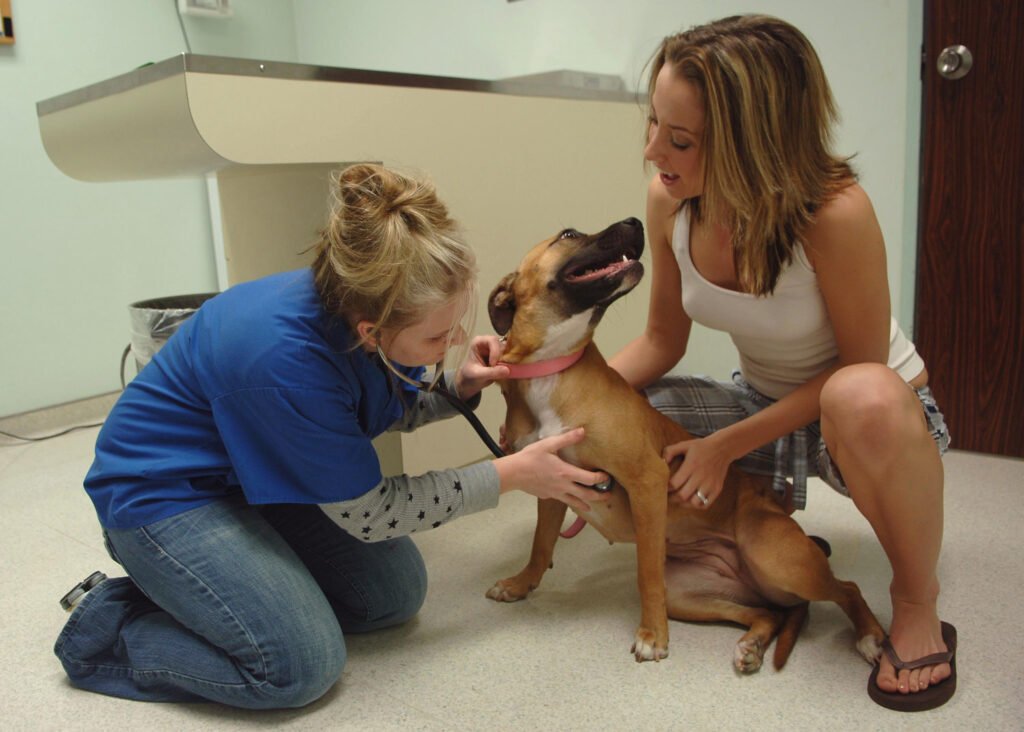
Clinical signs, including redness, swelling, and inflamed patches of skin, can be recognized as Dermatitis in dogs. Affected areas may feel warm to the touch and can become moist, scabby, or crusty over time. Dogs with dermatitis often scratch, lick, or chew the irritated skin excessively, which can lead to hair loss. Untreated dermatitis can result in secondary bacterial infections. You may also notice a foul odor or signs of discomfort, especially if the condition worsens. Skin conditions can have multiple causes and require veterinary expertise to determine the underlying cause and develop an effective treatment plan.
Causes Of Itchy Skin

Itchy skin in dogs can stem from a variety of causes. Common culprits include environmental allergies, food sensitivities, parasites, fungal or bacterial infections, and even stress. Sometimes, dryness due to weather changes or improper grooming habits can also lead to itchy skin. Identifying the specific trigger is key to providing effective relief and preventing recurring episodes. Identifying the cause is often a challenging task and should be performed by a veterinarian.
What Is A “Hot Spot”?

A Hot Spot is a common term used for pyotraumatic dermatitis. It is an acute moist dermatitis that fits the description above. These spots are usually red and inflamed; they can also be oozy and can have pus. Their name, Hot Spots, is derived from the fact that these areas can be warm to the touch. Common sites on dogs for these spots are the head, legs, and hips. They can be challenging to spot due to their fur and require veterinary intervention.
Diet And Skin Allergies

Feeding your dog a high-quality, well-balanced diet can have a significant impact on skin health. Some dogs are sensitive to certain ingredients, such as beef, chicken, grains, or dairy, which can lead to chronic skin issues. Including omega-3 fatty acids, vitamins A and E, and zinc in the diet supports healthy skin and coat. Identifying food allergies can be a challenging task and is often done in conjunction with your local veterinarian to determine the cause systematically.
Season Change

Some dogs are more sensitive to seasonal changes, just like humans. The allergens that increase during seasonal changes, such as pollen, dust, grasses, midges, and mold, can trigger allergic reactions in dogs with allergies. Keep an eye out for your dog for increased scratching and licking. If your dog falls into this category, reducing exposure to the irritant can help, along with washing your dog and their bedding.
Allergies And Itchy Skin

Allergies are a leading cause of chronic itching in dogs, and they can be triggered by food, environment, or contact allergens. Environmental allergies, like those caused by dust mites, grasses, or molds, often lead to dermatitis. Food allergies can result in similar symptoms but may also cause gastrointestinal irritation. In either case, identifying and eliminating the allergen, sometimes through an elimination diet or allergy testing, is crucial for effective management.
Role of Diet Change in Itchy Skin

Changing your dog’s diet may be necessary if food is the underlying cause of their skin irritation. Transitioning to a hypoallergenic or limited-ingredient diet can help pinpoint ingredients that may be causing allergic reactions. Some dogs respond well to diets with no grains or single protein sources, for example. It’s essential to make any dietary changes gradually and under the guidance of a vet to avoid digestive upset and ensure nutritional adequacy.
Keeping The House Tidy

Maintaining a clean home environment can significantly reduce skin problems caused by allergens, irritants, or parasites. Regular vacuuming, dusting, and air filtration help remove allergens such as pollen, pet dander, and dust mites that may irritate your dog’s skin. Carpets and soft furnishings should be cleaned regularly, especially in homes with dogs that are prone to allergies. Creating a cleaner living space benefits both pets and their humans. Remember to thoroughly rinse any bedding or blankets after washing to ensure there isn’t residual soap in the materials.
Regular Blanket And Bed Washes

Your dog’s bedding can harbor dust mites, fleas, dirt, and allergens that contribute to skin irritation. Washing blankets, beds, and soft toys regularly with a pet-safe detergent helps keep harmful irritants at bay. These items can be washed more regularly for dogs that show signs of these allergies. A clean bed provides your dog with a comfortable and safe space to rest and heal.
Routine Flea, Tick, And Worm Control
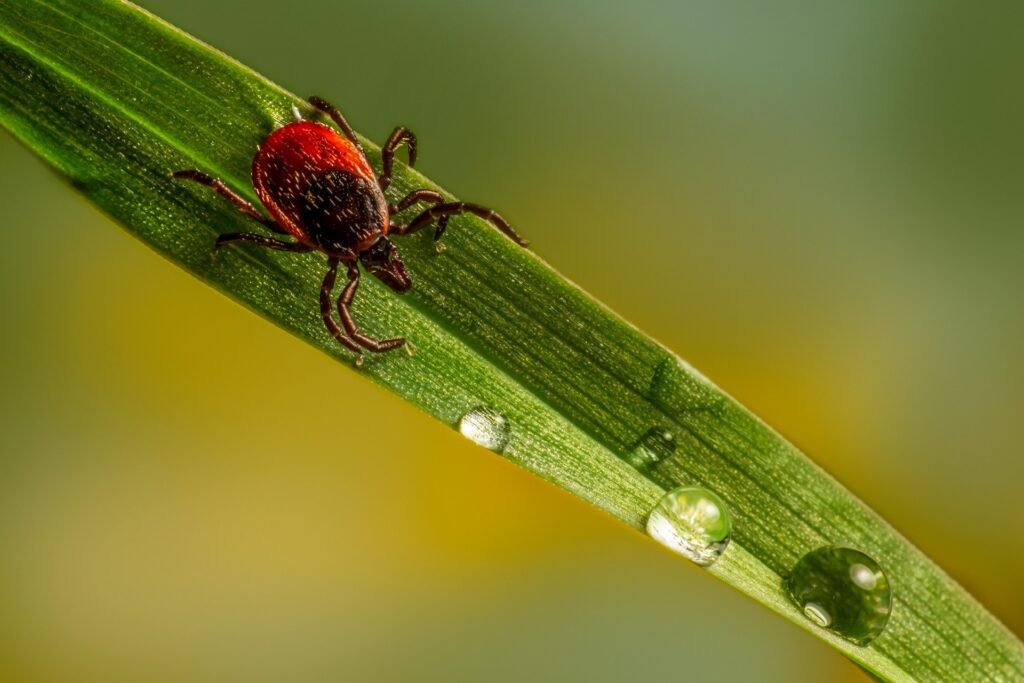
Parasites are one of the most common triggers for itchy skin in dogs. Regular flea, tick, and worm prevention not only protects your dog from parasites but also from the secondary skin infections they can cause. Even indoor dogs need routine treatment, as parasites can be brought in on shoes, clothing, or other pets. A consistent parasite prevention plan is essential to maintaining healthy skin and overall wellness.
Using Dog-Friendly Shampoo When Washing

Not all shampoos are created equal, and human shampoos can be too harsh for your dog’s skin. Use only vet-approved, dog-friendly shampoos that are pH balanced for canine skin. Some formulas include soothing ingredients like oatmeal, aloe vera, or tea tree oil that can help calm inflamed or itchy skin. For dogs with specific skin conditions, your veterinarian may prescribe medicated shampoos.
Overwashing Dogs Can Strip Healthy Skin and Hair Of Its Oils

While bathing your dog is important, over-washing can do more harm than good. Frequent baths can strip the skin of natural oils that are vital for hydration and barrier function. This can lead to dryness, flakiness, and increased vulnerability to irritants. Unless instructed by your veterinarian, it is best to only wash your dog at most every two months.
Working With Your Veterinarian

Early intervention is key when it comes to skin issues. If you notice your dog scratching more than usual, licking one area repeatedly, or developing redness or scabs, it’s best to consult your vet promptly. Identifying the underlying cause allows for quicker and more effective treatment. Timely care can prevent minor irritations from escalating into chronic conditions.
Conclusion

Keeping your dog’s skin healthy requires a proactive and holistic approach. From diet and grooming to allergy management and cleanliness, every detail matters in supporting skin wellness. By understanding the potential causes of itchy skin and implementing preventative care routines, you can help your dog live a more comfortable and happy life. Always consult your veterinarian for tailored advice, and remember healthy skin leads to a healthier, more vibrant dog.


