

You know that feeling when your dog starts trembling at the first rumble of thunder or paces nervously when you grab your car keys? It’s hard to watch, isn’t it? As someone who loves dogs, I think the most difficult part of sharing life with these amazing creatures is seeing them struggle emotionally and not being able to explain what’s happening or why. What if I told you that for some dogs, anxiety isn’t just a learned behavior or a phase – it’s actually written into their genes?
Recent scientific research has revealed something fascinating and important. Dog breeds show large differences in prevalence of all anxiety-related traits, suggesting a strong genetic contribution. Think about it: the same selective breeding that gave us Border Collies with their laser focus and Labradors with their friendly disposition might also have inadvertently passed along a tendency toward nervousness and fear. Let’s explore which breeds are most affected, what this means for your furry friend, and how you can help them live their best, calmest life.
The Science Behind Canine Anxiety: It’s in Their DNA
Here’s where things get really interesting. Scientists have been digging deep into the genetic basis of dog behavior, and what they’re finding is pretty remarkable. Noise sensitivity is the most common anxiety-related trait with a prevalence of 32% in 13,700 Finnish pet dogs. That’s nearly one in three dogs! Research has also shown that relatives of anxious dogs often share similar traits, suggesting these behaviors run in families.
The genetics aren’t simple, though. Behaviours are complex traits affected by several genes with small effects, multiple environmental factors varying in effect, and intricate interactions between them. So while genetics loads the gun, so to speak, the environment often pulls the trigger. What’s remarkable is that scientists have identified specific chromosomal regions associated with fearfulness. Generalised anxiety in dogs was associated with a region of canine chromosome 7 that corresponds with a certain region in human chromosome 18, which has been linked with several neuropsychiatric diseases, such as schizophrenia and bipolar affective disorder.
This connection between dog and human anxiety disorders isn’t just scientifically fascinating – it’s potentially groundbreaking for both veterinary and human medicine.
Herding Breeds: When Intelligence Meets Anxiety
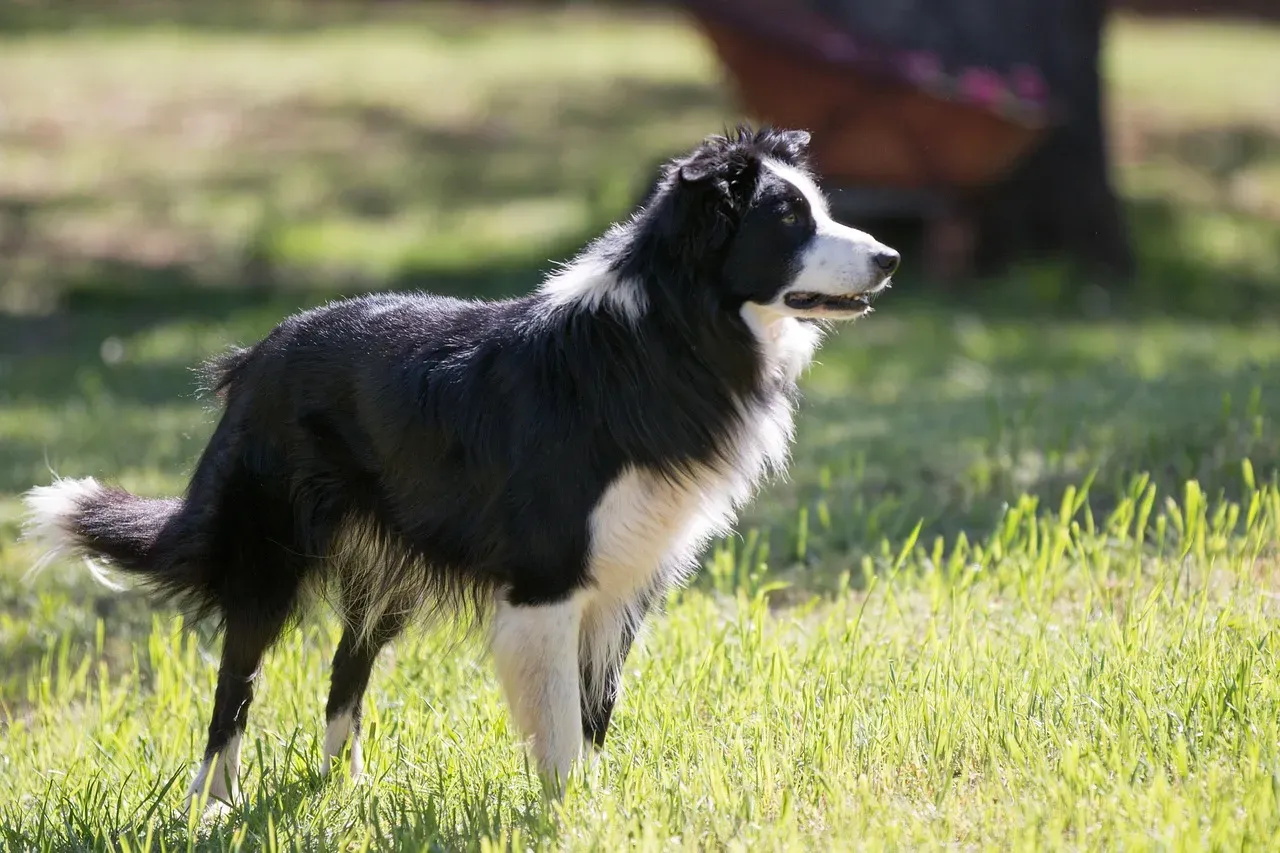
Let’s talk about Border Collies and their herding cousins. These dogs are absolutely brilliant, no question about it. They can learn commands faster than you can teach them, and they’re capable of solving problems that would stump many other breeds. The flip side? These very traits can also predispose them to severe anxiety, as their high intelligence and energy levels mean that they require constant mental and physical stimulation; without it, they can quickly become anxious.
I’ve seen this firsthand with friends who adopted Border Collies thinking they’d be great family pets, only to discover their new companion was pacing obsessively and chewing furniture. The dog wasn’t bad or broken – they were just desperately understimulated. Australian Shepherds face similar challenges. This breed’s high energy levels, sensitivity, herding instincts, and intelligence all contribute to their susceptibility to anxiety, as without sufficient physical and mental stimulation, these dogs can get anxious or restless and exhibit destructive behaviors.
Think of it this way: these dogs were bred for centuries to work alongside humans, making split-second decisions while managing livestock. Now we’re asking them to lie quietly on the couch for eight hours while we’re at work. It’s honestly kind of unfair when you think about it.
Working Dogs and the Weight of Vigilance
German Shepherds have earned their reputation as courageous protectors and tireless workers. That same protective instinct and loyalty, though, can become a double-edged sword. These same qualities can make them susceptible to anxiety, as their deep bond with their owners and a strong protective instinct can lead to separation anxiety and stress when away from their human companions.
What strikes me most about working breeds is how seriously they take their self-appointed duties. A German Shepherd doesn’t just love their family – they feel responsible for protecting them. When you leave, they might genuinely worry about your safety and their inability to do their job. Greyhounds present a different picture entirely. Greyhounds are predisposed to anxiety, often becoming shy around new people and in places, leading them to feel reluctant to engage and to withdraw in unfamiliar environments. For a breed known for their incredible speed, they can be surprisingly sensitive souls underneath that sleek exterior.
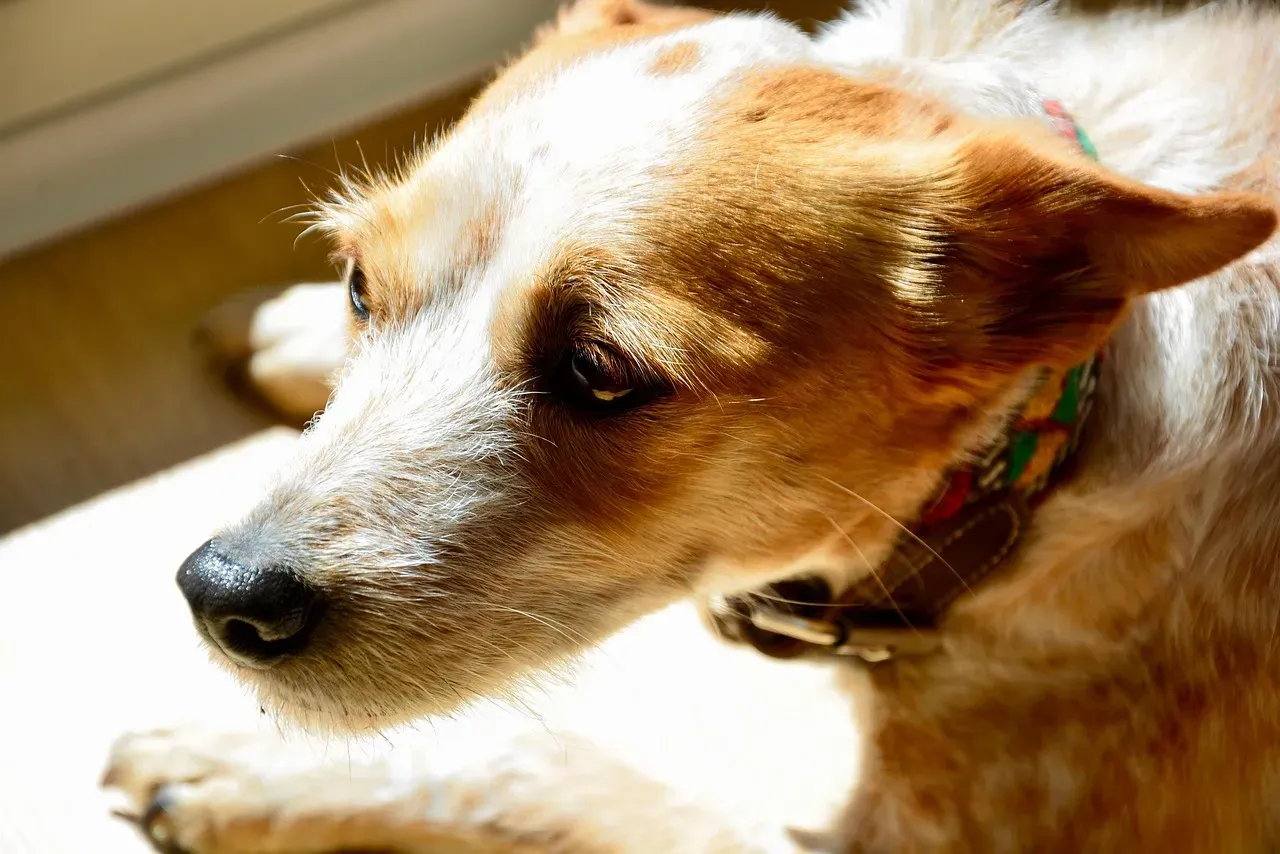
Jack Russell Terriers pack enormous personality into small bodies, but their high-energy nature means trouble when they’re not properly engaged. They need jobs, challenges, and outlets for their intensity, or anxiety creeps in.
The Companion Breeds: When Attachment Becomes Anxiety
Smaller breeds and companion dogs face their own unique challenges. Toy Poodles, despite their sometimes fluffy and frivolous appearance, are sharp as tacks. Toy Poodles have been selectively bred for specific traits, such as alertness, sensitivity, and intelligence, and this selective breeding has resulted in making Toy Poodles genetically predisposed to anxiety, as the heightened alertness that makes them excellent at responding to their environment can also make them more susceptible to stress.
Labradors might surprise you on this list. After all, the breed that is least likely to show high levels of anxiety-related behaviors turns out to be the Labrador Retriever. Still, individual Labs can develop separation anxiety, particularly when they form especially strong bonds with their families. A study showed that Miniature Schnauzers can display high levels of aggression and social fearfulness, with nearly 11% having a history of aggression toward strangers. That’s a pretty striking statistic for such a popular breed.
The Lagotto Romagnolo, those adorable Italian truffle hunters, have their own genetic burden. Their exceptional nose and keen sensitivity make them outstanding at their original job but also mean they’re acutely aware of environmental changes that might not bother other dogs.
Recognizing the Signs: What Does Anxiety Actually Look Like?
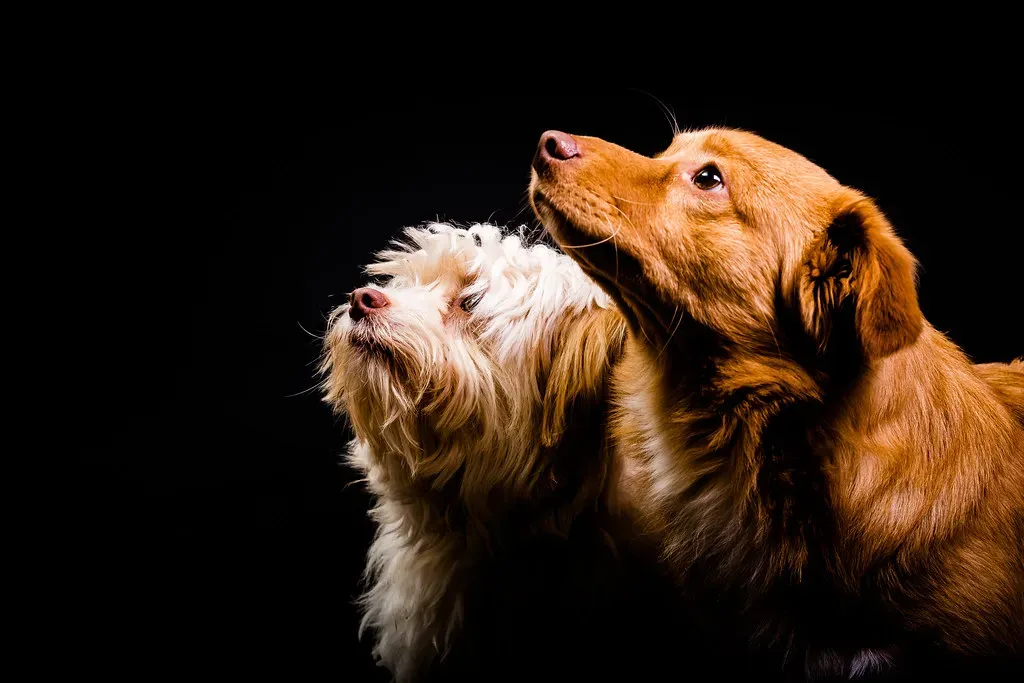
So how do you know if your dog is experiencing anxiety versus just being a bit nervous or excited? The signs can be subtle or dramatic. An anxious dog may pant, pace, tremble, drool, withdraw from its owner, or hide. Some dogs become destructive, not out of spite, but because anxiety overwhelms their ability to cope. Look for frequent yawning when they are not tired, lip-licking, avoiding eye contact, or showing the whites of their eyes – known as “whale eye.”
Physical symptoms matter too. Your dog might suddenly develop digestive issues, lose their appetite, or conversely, start stress-eating. They might become clingy, following you from room to room, or develop obsessive behaviors like excessive licking or tail chasing. An estimated 72.5% of dogs display at least one anxiety-related behavior, with separation anxiety being the most common. That’s a staggering number when you think about it.
Pay attention to context too. Does your dog only act this way during thunderstorms, or is their anxiety more generalized? Understanding triggers is the first step toward helping them.
Helping Your Anxious Dog: Practical Steps That Actually Work
Let’s be real – understanding that your dog’s anxiety has a genetic component doesn’t magically fix the problem. It does, though, shift how we think about treatment. This isn’t about your dog being poorly trained or you being a bad owner. It’s about working with their genetic predisposition rather than against it.
Providing a consistent routine so that your dog can predict when they will eat, take a walk, engage in playtime, etc., can give your dog a sense of control over their environment and therefore reduce anxiety. Predictability is incredibly powerful for anxious dogs. Mental stimulation matters enormously for intelligent, anxious breeds. Puzzle toys, scent work, training games – these aren’t just fun extras. They’re essential management tools. Desensitization and counterconditioning can help change your dog’s anxious response into something more pleasant by slowly introducing the dog to the source of anxiety, preferably in small doses and at a decreased intensity.
Physical exercise is non-negotiable, particularly for those herding and working breeds. A tired dog is generally a less anxious dog, though exercise alone won’t cure anxiety. Sometimes medication helps, and there’s absolutely no shame in that. If you think the dog is suffering, if you are suffering or if your relationship with the dog is suffering, then anti-anxiety medications are a solid option, as by the time most owners resort to seeing a behaviorist, their dogs need medication.
Creating a safe space where your dog can retreat when feeling overwhelmed makes a real difference too. Think of it as their anxiety bunker – somewhere quiet, comfortable, and predictable where the world feels manageable again.
Looking Forward: Living Well With an Anxious Dog

Here’s what I’ve learned from years of being around dogs and talking to owners of anxious breeds: perfection isn’t the goal. Progress is. Your Border Collie might never be completely chill during thunderstorms, but you can help them cope better. Your German Shepherd might always be a bit worried when you leave, but with training and patience, that worry doesn’t have to consume them.
The findings indicate that canine fearfulness is hereditary. Knowing this should inform breeding decisions moving forward. Responsible breeders are increasingly considering temperament alongside physical traits, which gives me hope for future generations of dogs. Understanding breed predispositions also helps potential owners make better-informed decisions. If you work long hours and live in a small apartment, maybe that high-energy Border Collie isn’t your best match, no matter how beautiful they are.
The silver lining? The same genetic research revealing anxiety predispositions is also pointing toward better treatments and interventions. Scientists are identifying specific neurological pathways involved in canine anxiety, which could lead to more targeted therapies down the road. Your anxious dog deserves compassion, patience, and evidence-based help. They’re not being difficult – they’re genuinely struggling with something hardwired into their biology. With the right approach, even genetically anxious dogs can live rich, happy lives.
So what do you think? Does understanding the genetic component of your dog’s anxiety change how you view their behavior? Have you found strategies that work particularly well for your anxious pup? Every dog is unique, and sometimes the best insights come from fellow dog lovers who’ve been in the trenches.


