You know that moment when a friend invites you over and their new dog retreats behind the couch instead of bounding over for hello pats? Maybe you’ve felt a pang of confusion, or worse, wondered if the dog just doesn’t like you. Here’s the thing though. Some dogs are simply wired to be more reserved. They’re not being rude or traumatized. They’re just shy.
It’s easy to picture dogs as tail-wagging extroverts who greet everyone with unbridled enthusiasm. Yet the truth is far more nuanced. Certain breeds lean naturally toward shyness, displaying wallflower tendencies in the canine world. Recognizing this trait early can save both you and your dog from unnecessary stress and open the door to a deeper, more trusting relationship.
Why Some Dogs Are Born Wallflowers
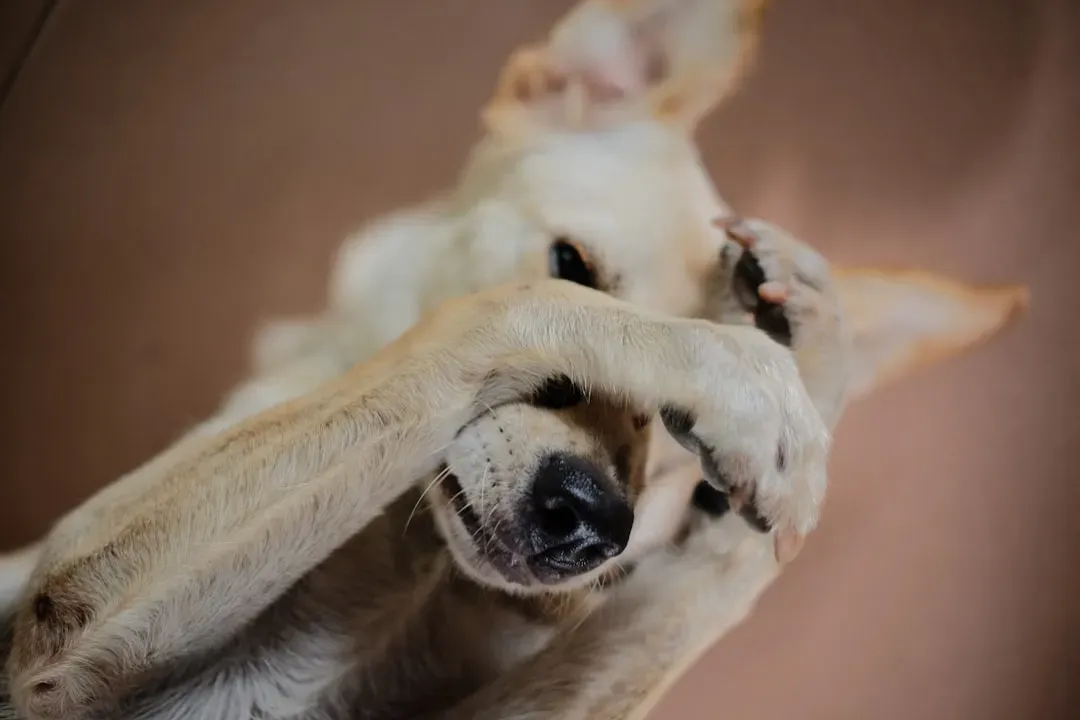
Temperament can be influenced by genetics, and some breeds are naturally more reserved or cautious. Dogs who were bred to work solo, such as livestock guarding dogs like Anatolian Shepherds and some working group dogs like Akitas, can be more introverted than other dogs. This isn’t a flaw in their character. It’s simply how they’re built.
Think of it this way: not every person is the life of the party, right? Some breeds naturally tend toward more reserved behavior, and inherited traits from parents can influence a dog’s personality and anxiety levels. Understanding this genetic backdrop helps you set realistic expectations and avoid misinterpreting shyness as disobedience or stubbornness.
Breeds You Might Not Expect to Be Shy
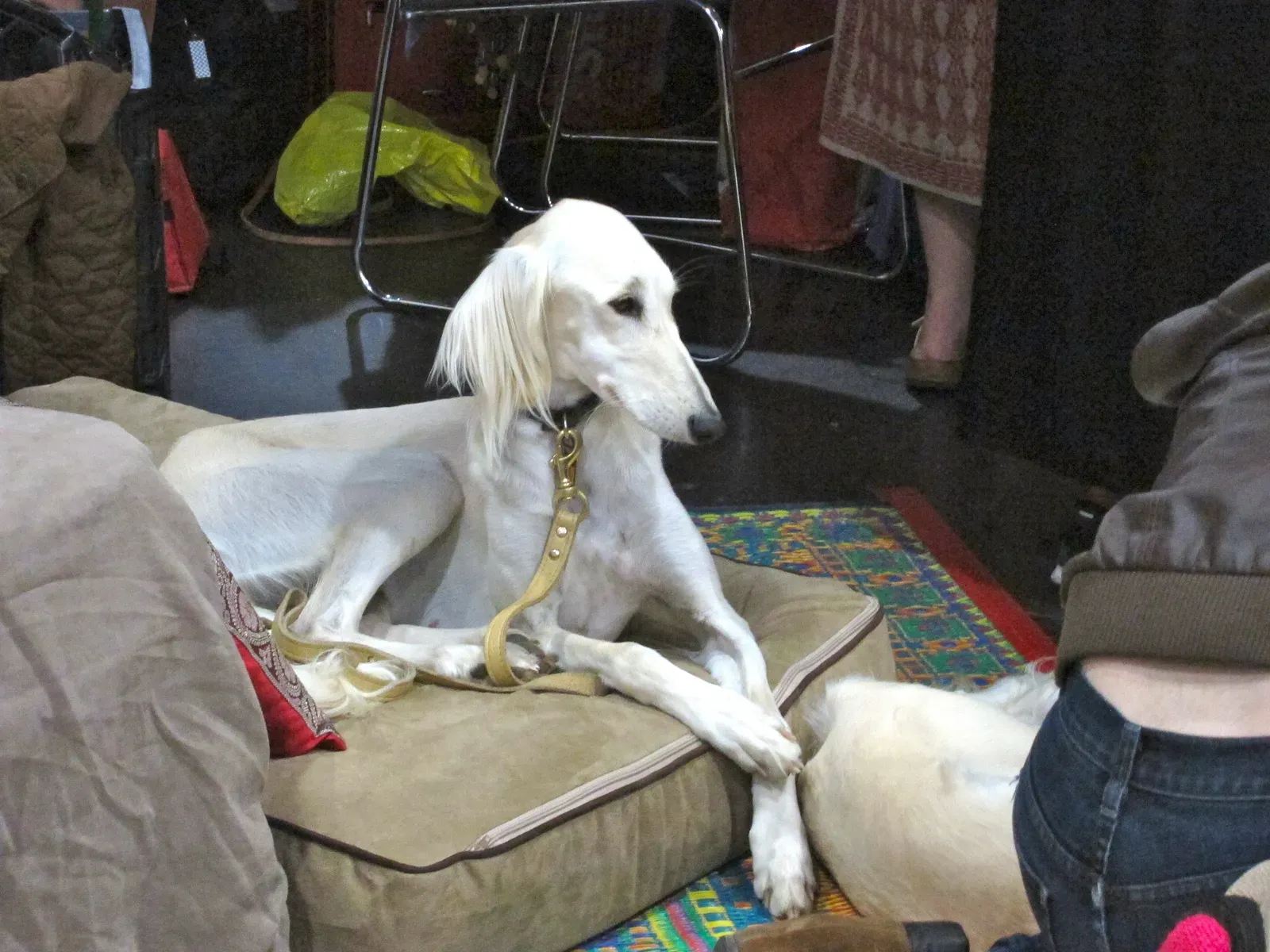
The Great Dane is a massive dog that can tip the scales at almost 200 pounds, and the juxtaposition of their size and shy behavior can be hilarious to witness! Who would guess that a dog this big could be so timid? This breed tends to be shy and quiet around strangers, especially if they’re not properly socialized, and despite their giant build, Great Danes are often gentle and quiet companions.
Vizslas are pretty bashful, not keen on meeting new people and preferring to stick around those they know, and this generally shy behavior can ease up with training and socialization, but Vizslas rarely turn into social butterflies. Cavalier King Charles Spaniels are known for being one of the most shy and timid breeds, typically reserved around strangers and may take some time to warm up to new people. Even the elegant Greyhound falls into this category. The Greyhound breed is known for its gentle and reserved nature, making it a perfect choice for individuals seeking a calm and low-maintenance companion, typically quiet, sensitive, and somewhat aloof.
Spotting the Subtle Signs of Shyness
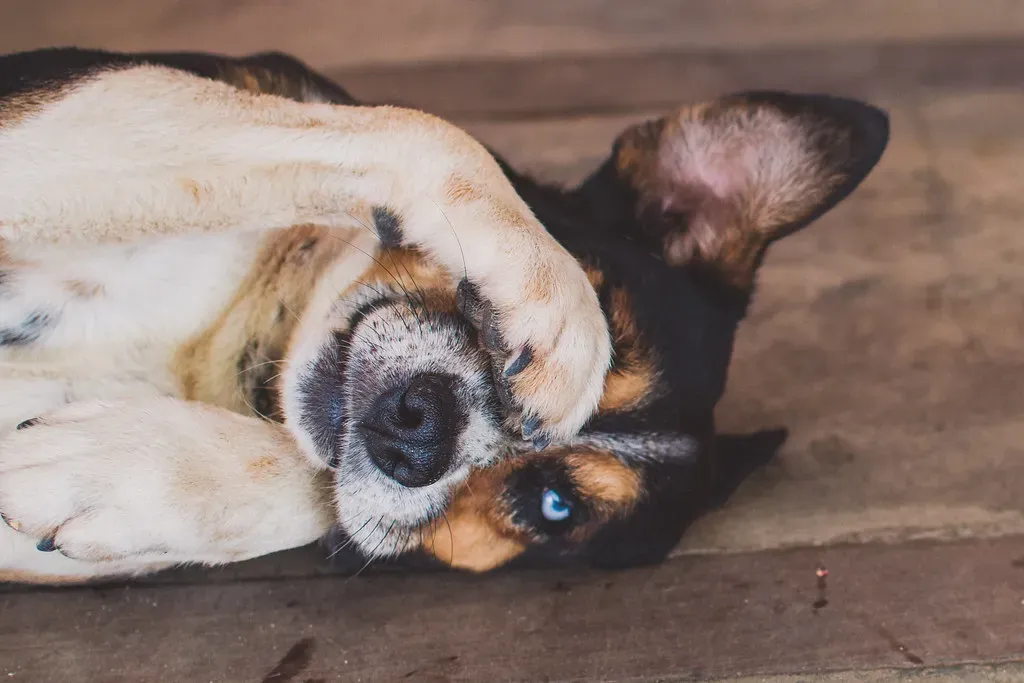
Introverted dogs may cower, hide, avoid eye contact, lick their lips, and whine. Sometimes the signs are less obvious, though. A shy dog might cower if the thing that’s frightening them is at a distance, then resort to barking and growling as the scary trigger gets closer in an attempt to keep it away.
It’s easy to assume that a quiet, low-energy dog is feeling OK, but those types of “shutdown” behaviors might be masking anxiety. Watch for dogs who turn their heads away, yawn excessively when not tired, or freeze in place. These are stress signals, not signs of calm. Learning your dog’s body language can prevent situations from escalating before your pup becomes overwhelmed.
The Real Difference Between Shyness and Anxiety
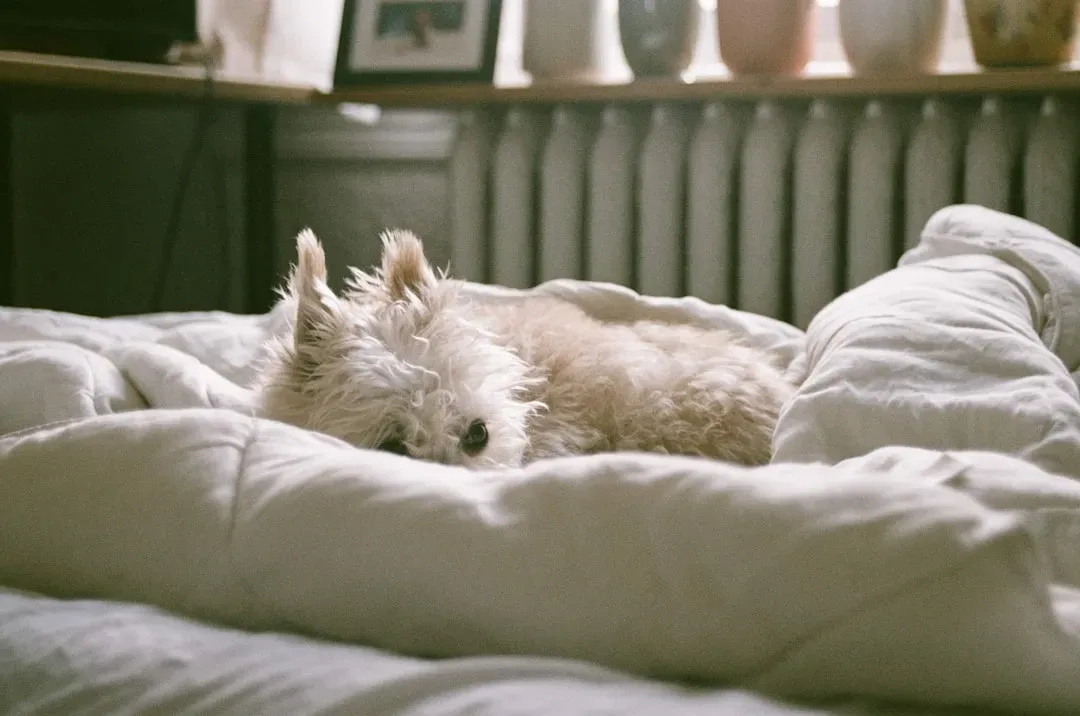
Shyness is a personality trait, up there with introversion in people. Shyness is often an innate personality trait, and it’s not always associated with fear, so if your dog is naturally shy or reserved, you don’t have to fix them – they’re likely happy just as they are. Let me be clear here: a shy dog isn’t automatically an anxious dog.
Anxiety is the anticipation of something uncomfortable or bad happening – and it could be specific or generalized. When pups are forced into uncomfortable situations, they may become nervous dogs, showing signs of anxiety as a manifestation of their discomfort. So while shyness is a personality quirk, anxiety requires intervention. Recognizing this distinction can shape how you approach your dog’s needs.
Early Socialization Matters More Than You Think
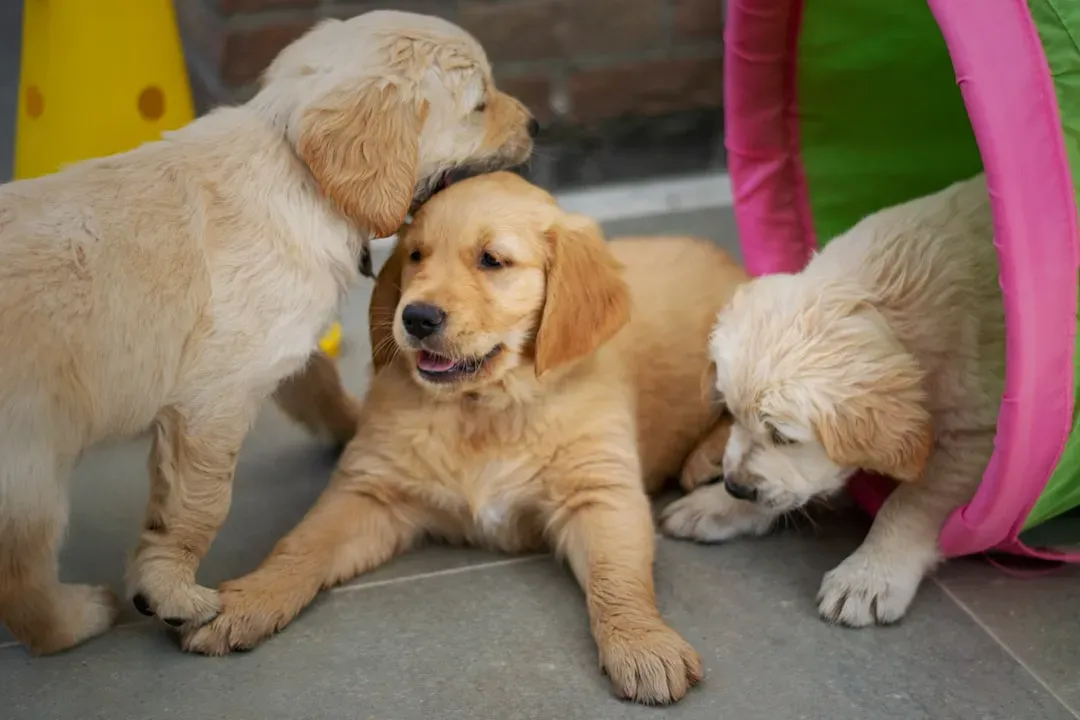
Limited socialization during crucial developmental periods, typically 3 to 16 weeks of age, can significantly impact a dog’s confidence levels later in life. This window is shockingly brief. Miss it, and your pup might struggle with shyness for years.
The best way to prevent anxiety is to ensure dogs get appropriate socialization and exposure in a non-stressful way to a variety of novel situations during the developmental stage, which is 3 to 14 weeks old. Honestly, I think this is where many well-meaning dog owners stumble. They adopt a puppy and assume socialization just happens naturally. It doesn’t. You have to be intentional about exposing your puppy to new people, sounds, places, and other animals during that critical phase.
Building Confidence Without Forcing It
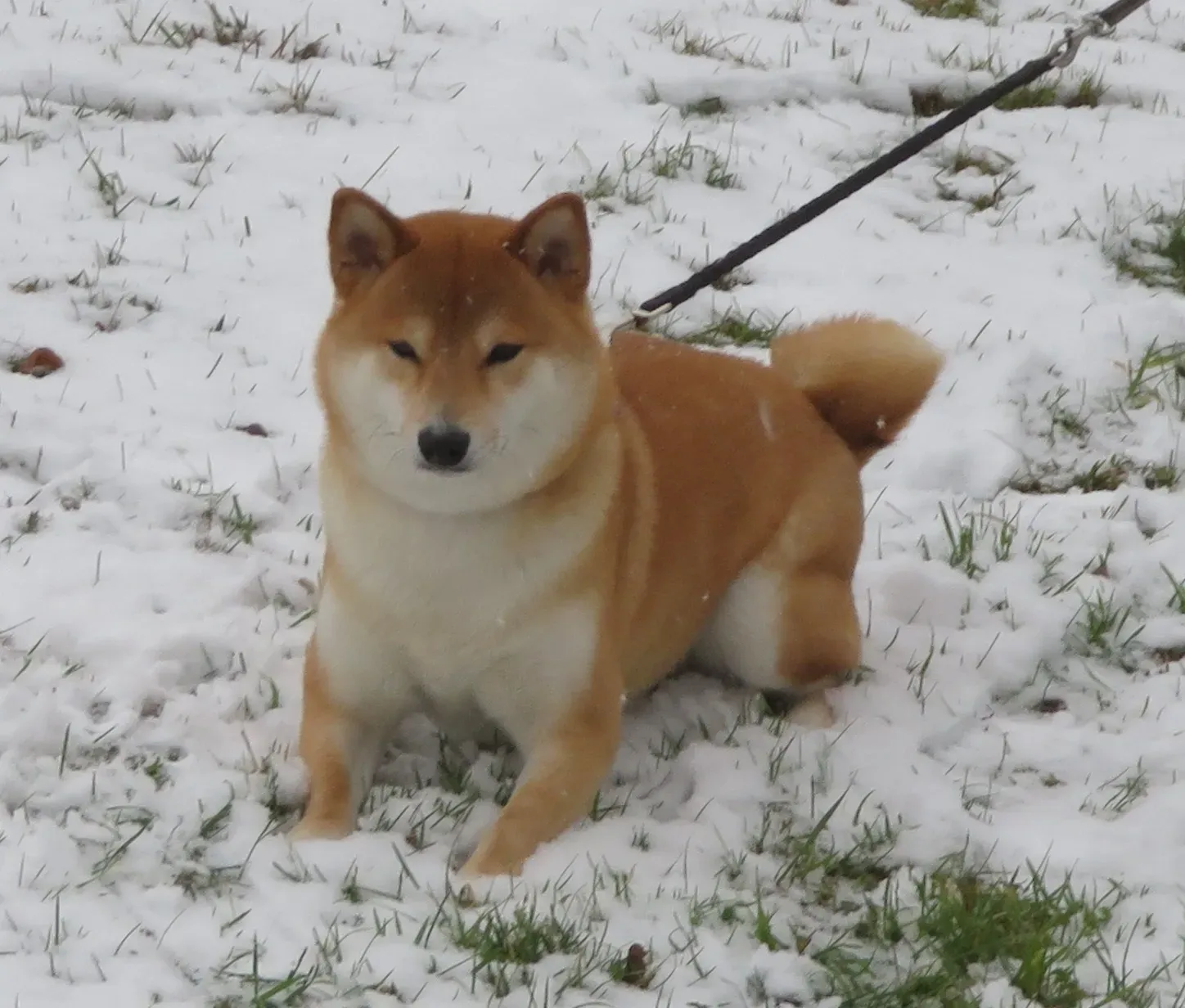
The best way to help a shy or fearful dog gain confidence is to expose them to what frightens them at a low intensity and pair this exposure with something positive, like a tasty treat. This is known as keeping your dog below threshold, and once you have your dog below threshold, you can pair that exposure with something your dog loves like delicious treats.
Provide consistency and predictability so that the dog always knows what to expect, and an easy way to do this is to implement leadership training, which simply requires that the dog sit before getting anything from their owner. Routine becomes your dog’s security blanket. Feed them at the same times. Walk the same safe routes. Create rituals they can count on. This predictability lets them relax because they know what comes next.
When to Seek Professional Help
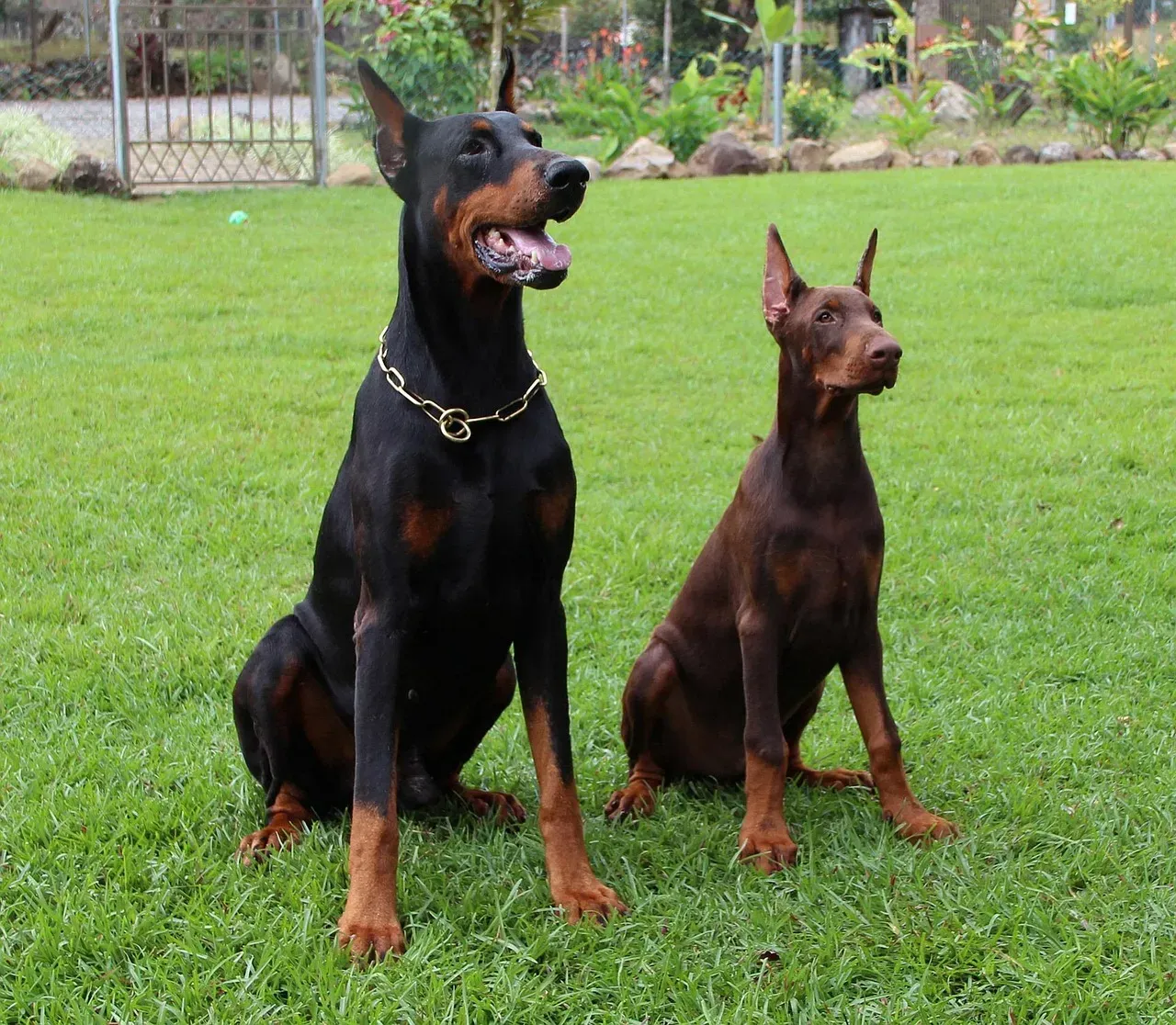
If your dog’s shyness is severe or they don’t progress or regress, you may want to consider consulting a professional dog trainer or a behaviorist who can offer more tailored advice and strategies, ideally someone who has a lot of experience with shy dog training. Sometimes love and patience aren’t enough on their own.
Pain, itching, illness, or discomfort can all lower a dog’s threshold for anxiety and should be ruled out, and if there are no medical problems that can be identified, the veterinarian may offer anti-anxiety medications, and/or a referral to a veterinary behaviorist. There’s no shame in asking for help. In fact, it shows you’re committed to giving your dog the best possible life. Behavioral issues can spiral quickly without proper guidance, so don’t wait until things feel unmanageable.
Conclusion
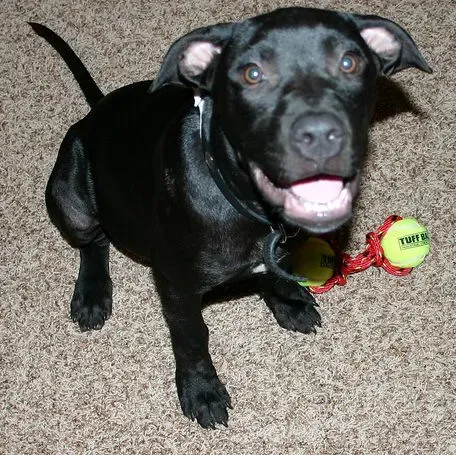
Living with a shy dog requires patience, empathy, and a willingness to see the world through their eyes. These dogs aren’t broken or damaged. They simply need a little extra time and understanding to bloom into their full selves. The reward for your efforts is a bond built on trust that runs deeper than any enthusiastic greeting ever could.
Remember, progress isn’t always linear. Some days will feel like breakthroughs. Others might feel like setbacks. That’s okay. You can make tremendous progress in helping them face their fears, but don’t expect your dog’s personality to entirely change; a nervous dog isn’t going to become the life of the party, but they can become more comfortable in the world, and that will lead to a happier, more relaxed dog. What small step could you take today to help your shy dog feel safer and more loved?