

Ever notice how some dogs just seem to know when something’s off? The way they position themselves between you and a stranger, or how their ears perk up at the slightest unusual sound? That’s not just coincidence. That’s thousands of years of evolution and selective breeding at work, creating canines with an extraordinary ability to sense danger and protect the ones they love.
Honestly, I think there’s something deeply reassuring about sharing your home with a dog that has your back. Not in an aggressive, intimidating way, but in that calm, watchful manner that says, “I’ve got this.” These protective instincts don’t make dogs dangerous or unpredictable. When nurtured correctly, they make them devoted guardians who understand the difference between a real threat and your neighbor dropping by for coffee.
The Ancient Origins of Guardian Instincts
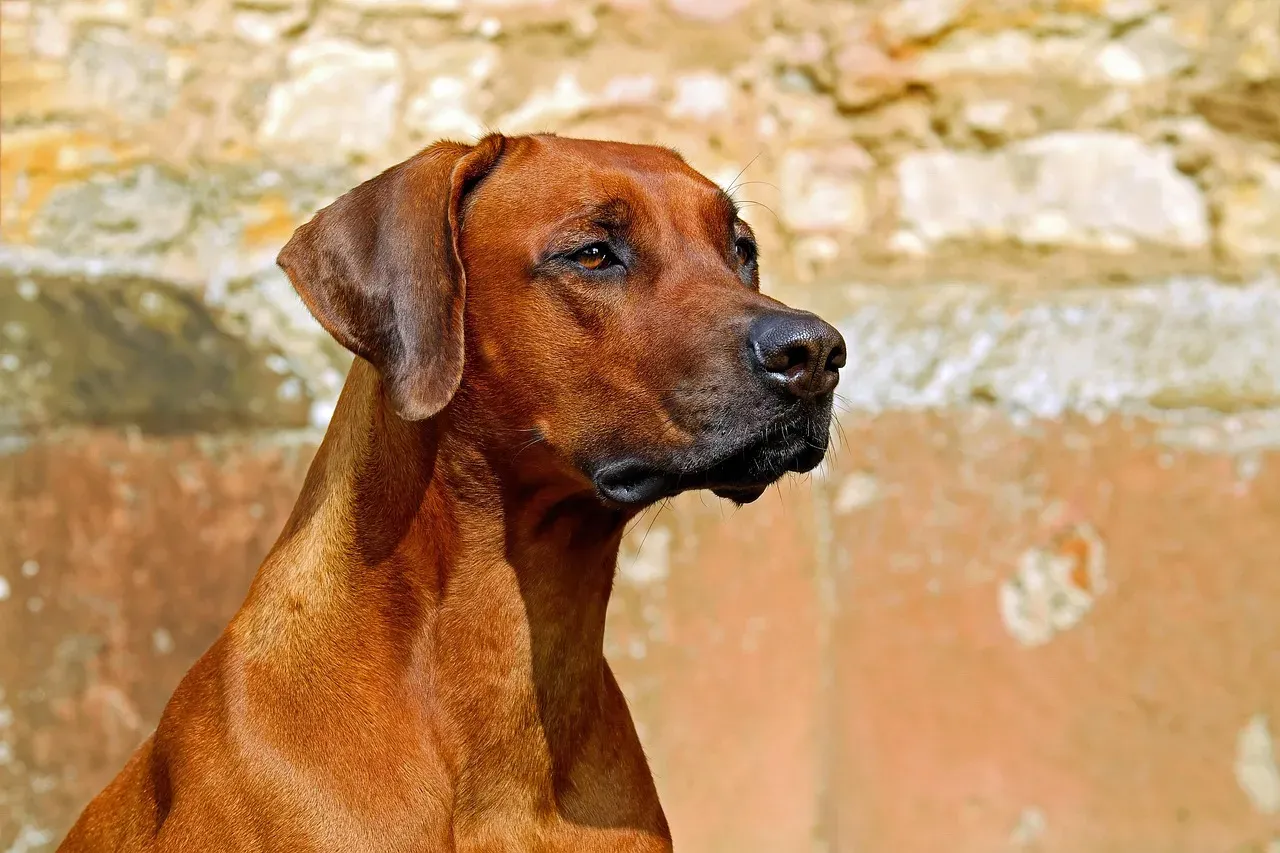
Dogs have been protecting their turf for thousands of years, back when they were wolves who needed to keep other animals away from their food and families. In the wild, they rely on their pack for safety and survival, and domesticated dogs view their human families as their pack, with their protective instincts kicking in when they perceive potential threats.
Let’s be real, this isn’t something we trained into them yesterday. Like their wild ancestors, dogs are passionate about protecting their perceived territory, and this instinct is deeply embedded in their behavior. What’s remarkable is how this primal drive has been shaped over centuries into something that fits beautifully into modern family life.
Some breeds were specifically developed to guard livestock against predators like wolves and bears. Others protected estates, royal families, or accompanied hunters into dangerous territory. These dogs didn’t just bark at threats, they assessed situations and made split-second decisions that could mean life or death for their charges.
Recognizing True Protective Behavior in Your Dog
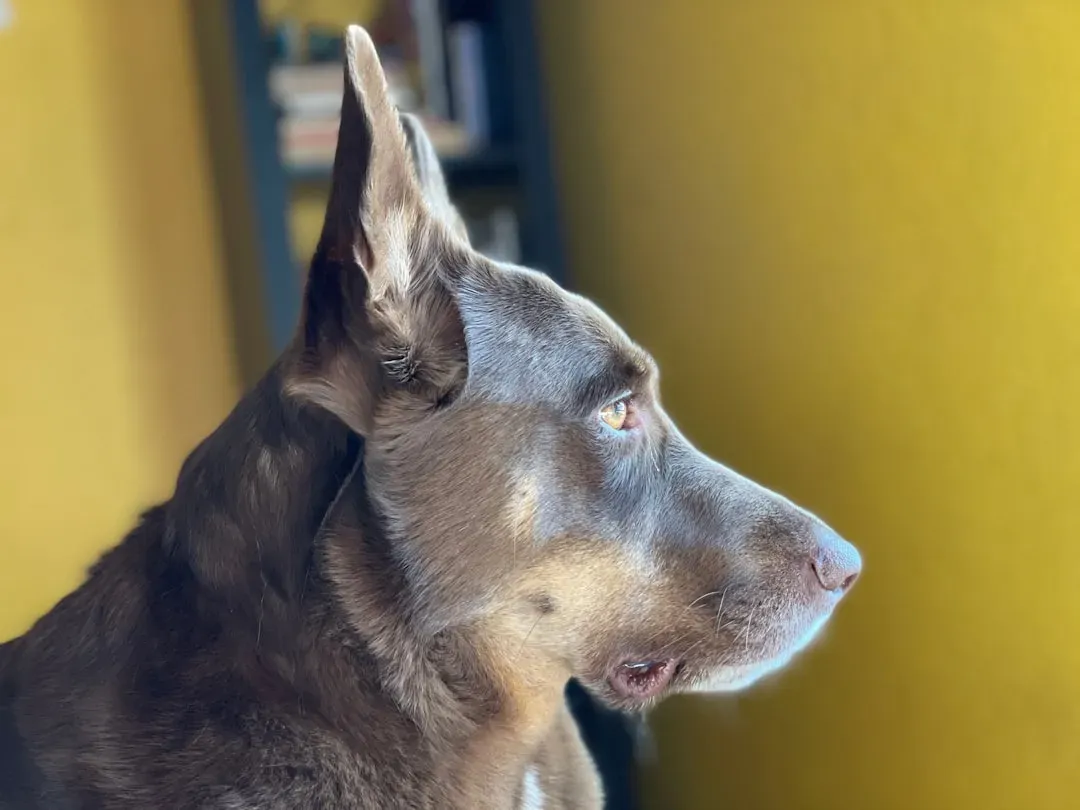
A protective dog often stays alert, positions itself between you and perceived threats, focuses intently on newcomers, and may bark or growl to warn you, with these behaviors usually subsiding once the dog no longer senses danger. There’s something almost noble about watching a dog calmly evaluate a situation before reacting.
Protective dogs often exhibit rigid posture when assessing a situation, with signs like a raised tail, perked ears, and an intense gaze. Some dogs will follow their owners closely, especially in new environments, and they’re not just being clingy – they’re making sure everything’s safe.
True protection isn’t about constant aggression or anxiety. True protective behavior is calm, controlled, and situational, with strategic positioning, focused alertness, and responsive behavior rather than constant anxiety or aggression, as protective dogs assess situations rationally, respond to commands, and maintain composure. This distinction matters enormously, because a genuinely protective dog knows when to relax and when to act.
Breeds Born to Guard and Protect
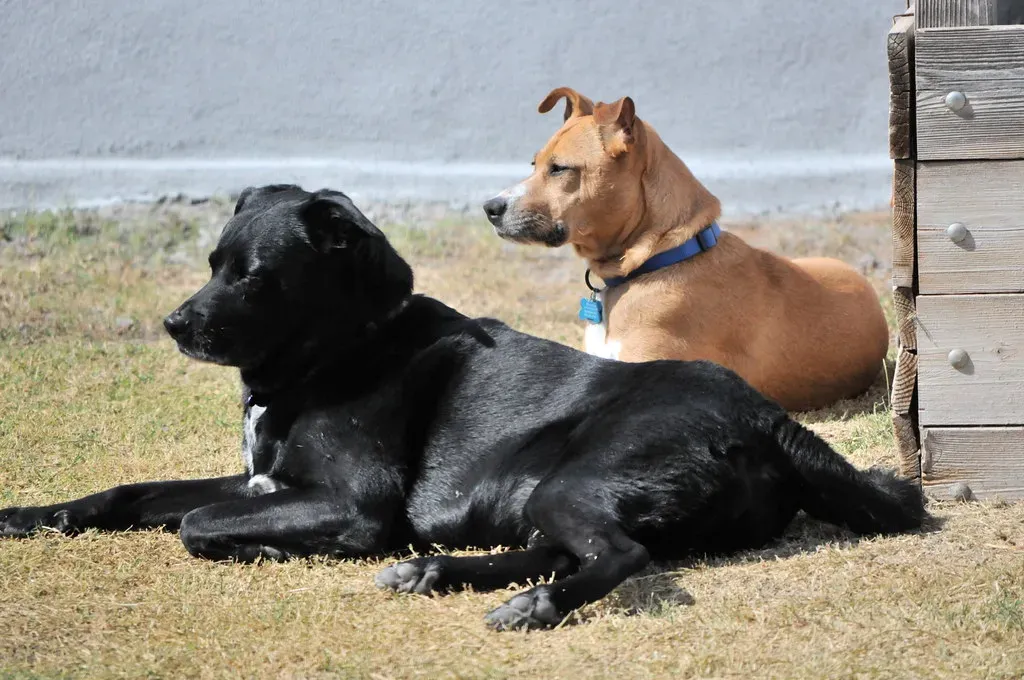
Known as one of the best guard dog breeds, the German Shepherd is a staple in police and military work, intelligent and obedient, responding well to positive reinforcement obedience training, and they’re protective dogs with strong instincts, making them great family pets and excellent guard dogs. It’s no wonder they’re one of the most popular breeds worldwide.
Originating in Japan’s northern mountains, the Akita was bred for courage, strength, and unwavering loyalty, historically hunting large game like bears and boar while guarding homes and estates. These dogs carry an almost regal bearing, combined with fierce devotion to their families.
Dobermans are sleek, powerful, and fearless, among the smartest breeds, making an active guard dog when given the right training, and their loyalty to family members is unmatched – with proper socialization from a young age, they become both a great guard dog and a loving family pet.
The Rottweiler also commands respect. Rottweilers instantly command attention with their powerful, intimidating presence, are incredibly smart and considered among the most loyal dog breeds ever, originally bred to guard livestock, traits they still carry into modern life, and they excel at protecting their human herd just as effectively.
Understanding When Protection Becomes Overprotection
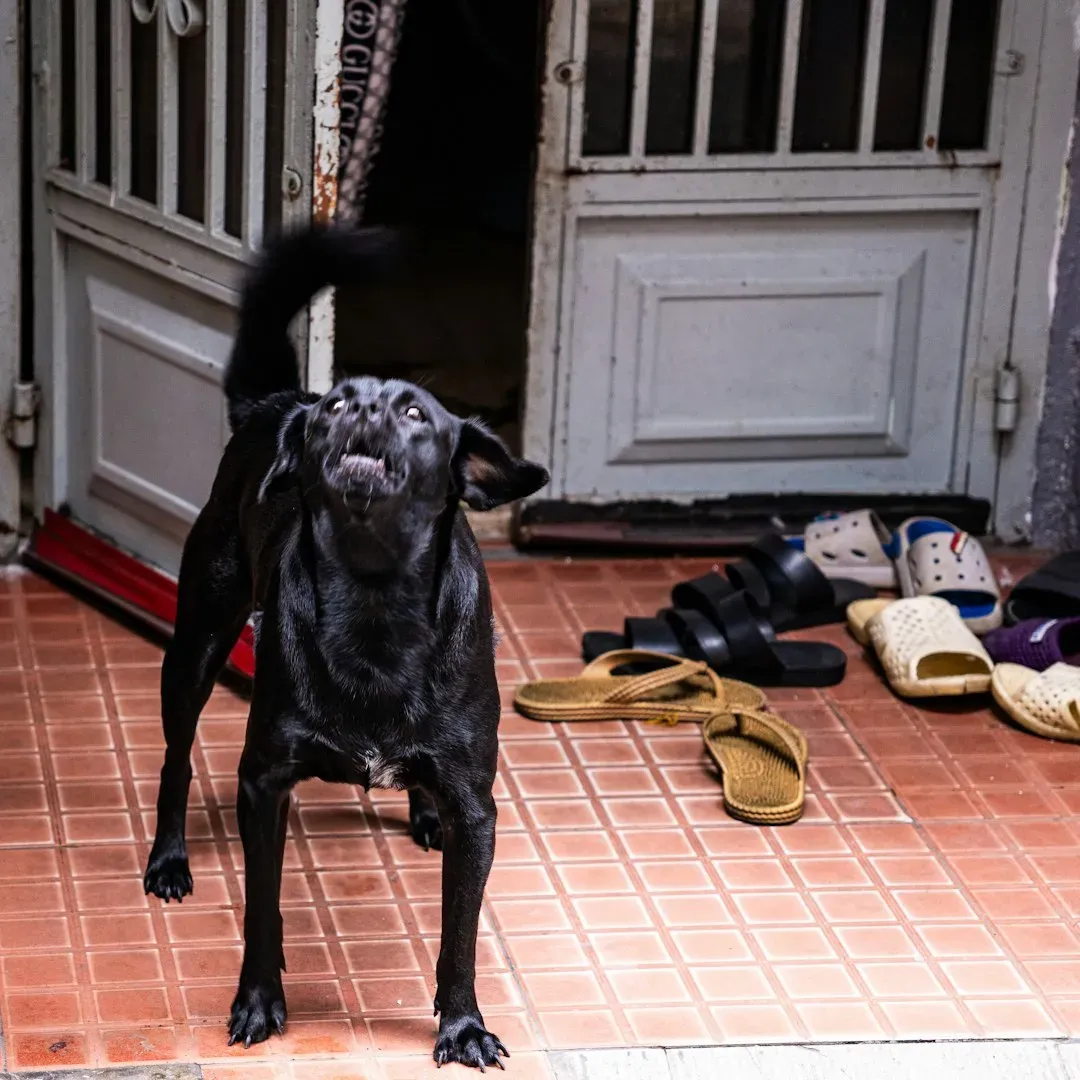
Here’s the thing – even the most devoted guardian can cross a line. Some dogs can be too overprotective and territorial over their humans, making it difficult for regular interactions to take place without the dog’s interference, and it’s important to understand the difference between protection and protective aggression in dogs to prevent negative behaviors.
Protectiveness is surveying a situation and reacting appropriately, while overprotective behavior is the immediate aggressive response to stimuli. That’s the key difference right there. One is thoughtful and measured, the other is reactive and potentially dangerous.
Anxiety, stress, and fear are major factors that can amplify territorial tendencies in dogs, as anxious pups may become more defensive and react aggressively to anything they see as a threat, with this behavior being their way of trying to defend their space and keep themselves safe under pressure. When your dog seems constantly on edge, that’s not healthy protection. That’s stress manifesting as aggression.
Watch for warning signs. If your dog becomes overly aggressive when meeting new people or animals, their protective instincts may be overactive. This isn’t about being a good guardian anymore, it’s about anxiety and poor socialization creating behavioral problems that need addressing.
Nurturing Healthy Protective Instincts Through Training
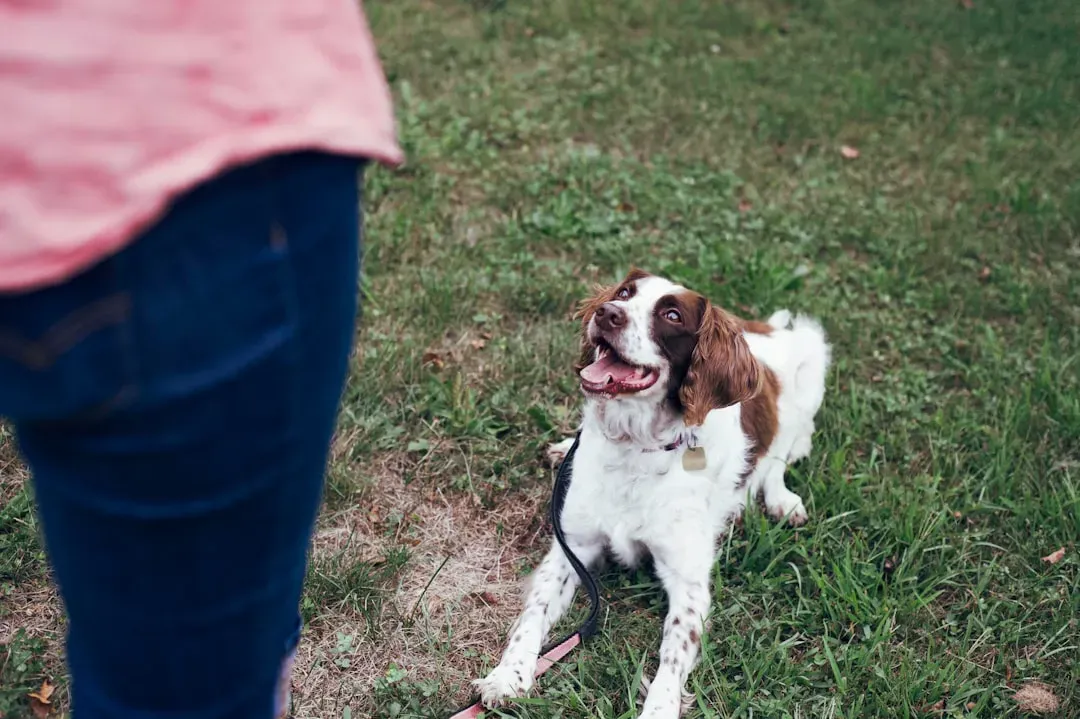
Proper socialization from an early age is crucial in developing healthy protective instincts, as exposing your dog to various people, animals, and environments teaches them to differentiate between genuine threats and normal interactions, preventing overreactive or anxious behaviors that can be mistaken for protection. This might be the single most important thing you can do.
Early socialization and consistent training are key to managing protective instincts, with a focus on positive reinforcement and impulse control exercises. I know it sounds crazy, but teaching your guardian dog to stay calm is just as important as teaching them to alert.
Puppies rarely exhibit protective aggression, with early socialization from 3 to 16 weeks crucial in preventing future protective aggression, as dogs may start showing more vigilant behaviors during adolescence (6 to 12 months), with fully developed protective behaviors observed in adulthood. Timing matters enormously when shaping these instincts.
Training isn’t about suppressing your dog’s natural abilities. Consistent training, clear boundaries, and guidance from experienced pet parents or trainers can help build a reliable guard dog and loyal companion. It’s about channeling those instincts into appropriate responses that keep everyone safe, including your dog.
Working with a professional can make all the difference. Professional trainers specialize in addressing behavioral issues like territorial aggression, helping your four-legged friend learn how to handle their reactions to perceived threats, and they can teach proper socialization techniques.
The beauty of a well-trained protective dog is their discernment. They understand that the mail carrier isn’t a threat, that children playing nearby aren’t intruders, and that your guests are welcome. They’re watchful companions, not anxious guards. That balance transforms a dog with strong protective instincts into the kind of loyal friend who enhances your life rather than complicates it.
What do you think about living with a naturally protective breed? Tell us in the comments about your experiences.


