
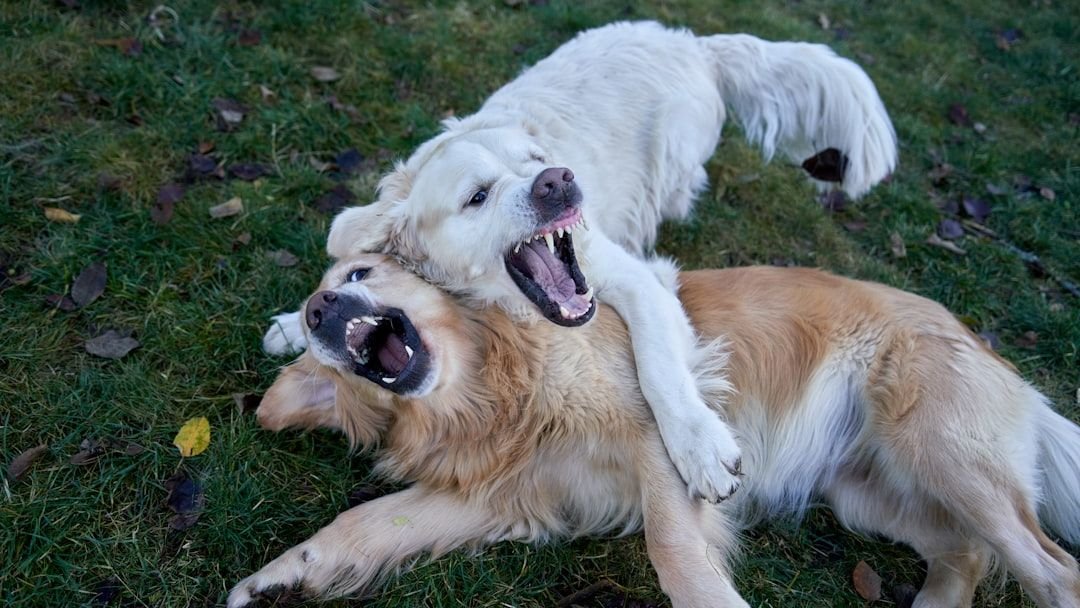
You’ve probably seen it. That look. Your older dog watching with narrowed eyes as you scratch the new puppy behind the ears. Or maybe one dog wedges himself between you and your partner during cuddle time on the couch, tail stiff, body tense. Perhaps there’s a low growl over a toy that was never important until another dog showed interest.
If you’ve caught yourself wondering whether your dog is actually jealous, you’re not imagining things. Research shows dogs display significantly more jealous behaviors like snapping, getting between their owner and another dog, or pushing at the owner when they sense a rival receiving affection. It’s real, it’s primal, and honestly, it makes total sense when you think about it. Your dogs aren’t just roommates sharing space. They’re family members competing for something they value deeply: you.
Yes, Your Dog Really Does Get Jealous
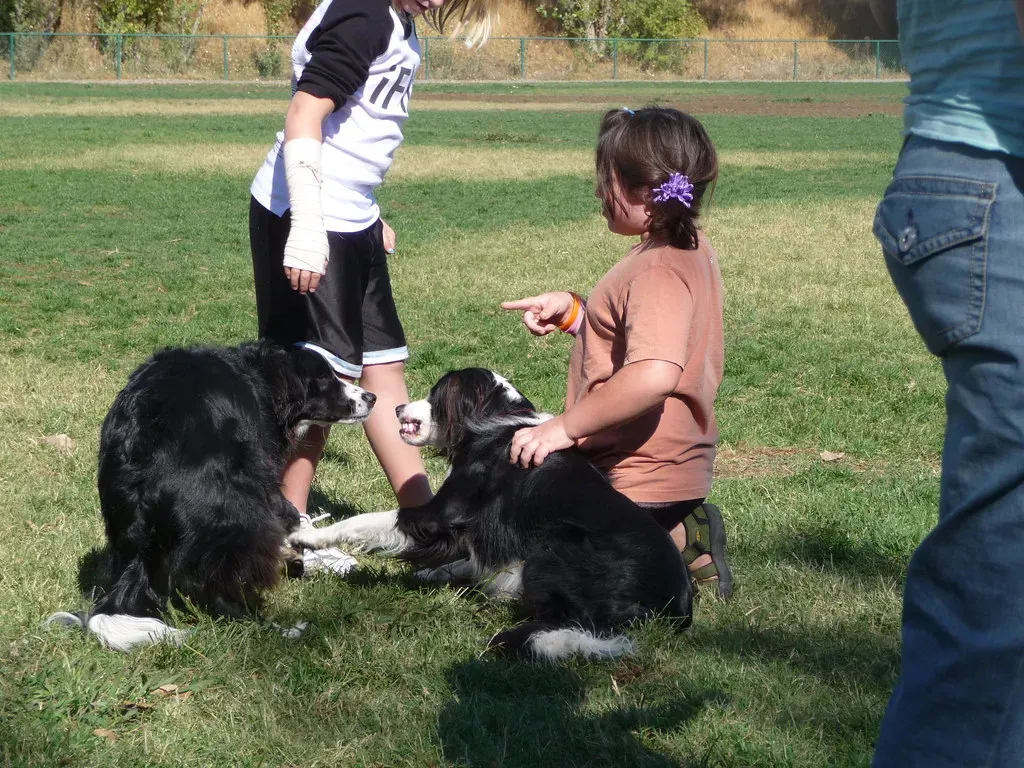
For years, people assumed jealousy was this uniquely human thing, something too complex for animal minds. Turns out, that’s not true at all. Studies using stuffed, animated dogs show that dogs exhibit more jealous behaviors, like snapping and pushing at their owner or the rival, when owners show affection to what appears to be another dog. Nearly four out of five dogs in one study pushed or tried to come between their owner and the fake dog, while far fewer reacted to non-social objects.
Here’s the thing: jealousy may have evolved with siblings competing for parental resources, suggesting we are “wired up” for it. Your dog isn’t being dramatic or spiteful. They’re responding to a deeply rooted instinct that says, “Hey, that attention and care you’re giving away? I need that to survive.” Even if survival isn’t really at stake anymore, the emotional wiring remains intact.
More than 80% of dog owners report observing jealous behaviors from their dogs, like vocalizations, agitated behavior, or pulling on a leash when they give attention to other dogs. So if your pack is showing signs of rivalry, you’re in very common company. The good news is that understanding these feelings is the first step toward managing them effectively.
What Jealousy Actually Looks Like in Dogs
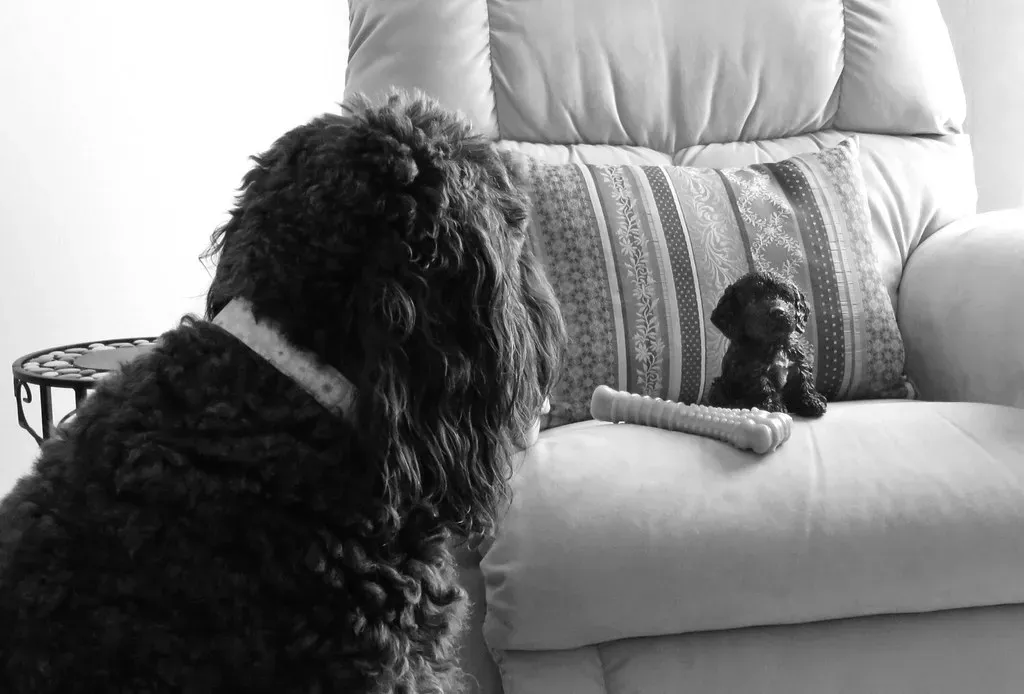
Dogs display jealous behaviors such as snapping, getting between the owner and object, pushing or touching the object or owner when their owners showed affection toward what appeared to be another dog. Sometimes it’s obvious, like a dog physically inserting themselves between you and another pet. Other times it’s more subtle.
Indications of jealousy may include whining or vocalizations when you show affection for another animal or person, pushing another animal out of the way to get attention, refusal to obey, and sometimes even signs of depression and loss of appetite. Watch for stiffened body language, ears pinned back, or a dog who suddenly starts performing tricks unprompted when you’re paying attention to someone else. That’s not just showing off. It’s a plea for your eyes to be back on them.
When your dog is jealous because you have been giving more time and attention to some other pet or human, it might growl or hiss at them. Some dogs take frustration out on furniture, scratching rugs or chewing items when they feel sidelined. Others might withdraw completely, leaving the room when the rival enters. Think of it as the canine equivalent of the silent treatment.
Jealous dogs can start urinating in the house, especially where other dogs might smell it. This territorial marking is their way of saying, “This is mine, and you’d better remember it.” Keep an eye out for these behavioral shifts, especially after bringing home a new pet, partner, or baby.
Common Triggers That Spark Sibling Rivalry
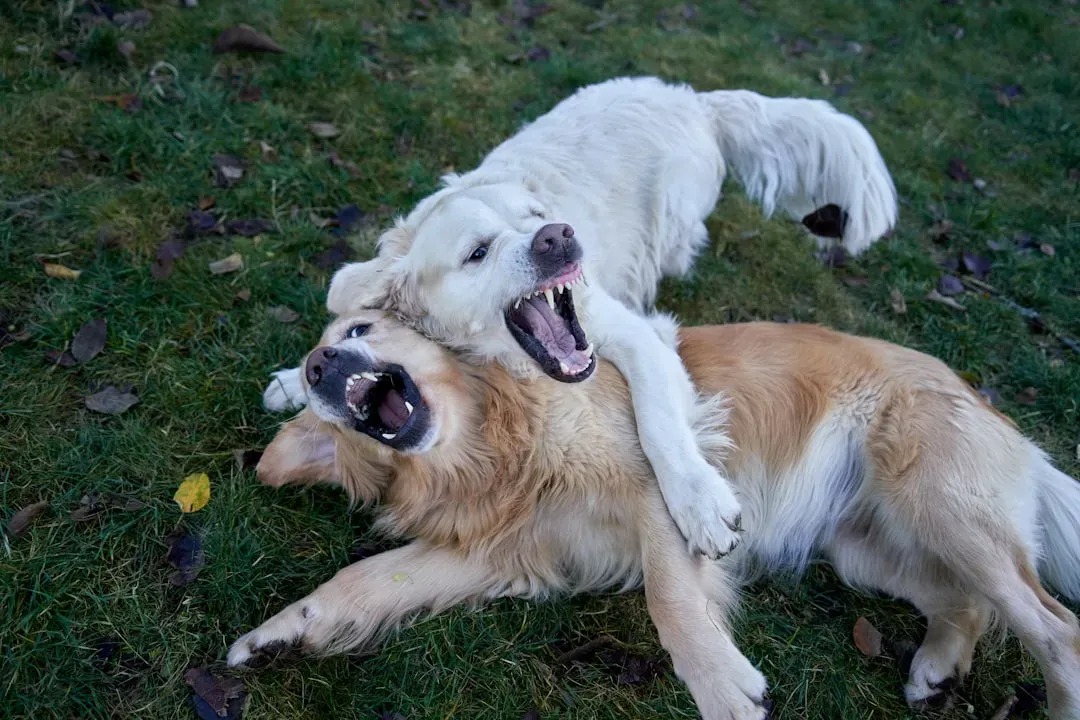
Not all jealousy looks the same because not all dogs value the same things. A lack of resources like only one toy for multiple pets, social conflict, too small of a space, stress, lack of exercise, and genetic disposition can cause jealous behavior. Food is often the biggest flashpoint. Even dogs who never guarded their bowl alone can become possessive when housemates are present.
Tight spaces are the absolute worst thing you can have in a multi-dog household, as they are a daily hazard and increase the risk of a dog fight, with dogs often fighting between furniture like the sofa and coffee table, in the hallway, or in cramped entryways. Doorways during high-excitement times like walks or potty breaks are another common hotspot. Your dogs aren’t just racing to get outside. They’re competing for the privilege of going first.
Attention from you is perhaps the most valuable resource of all. When routines change, there can be greater competition between household pets to seek interaction with you. Maybe you used to have solo evenings with your older dog, and now a rambunctious puppy demands constant supervision. Your senior pup isn’t being unreasonable for feeling displaced. They’re grieving the loss of what used to be their special time with you.
Prevention Is Your Best Friend
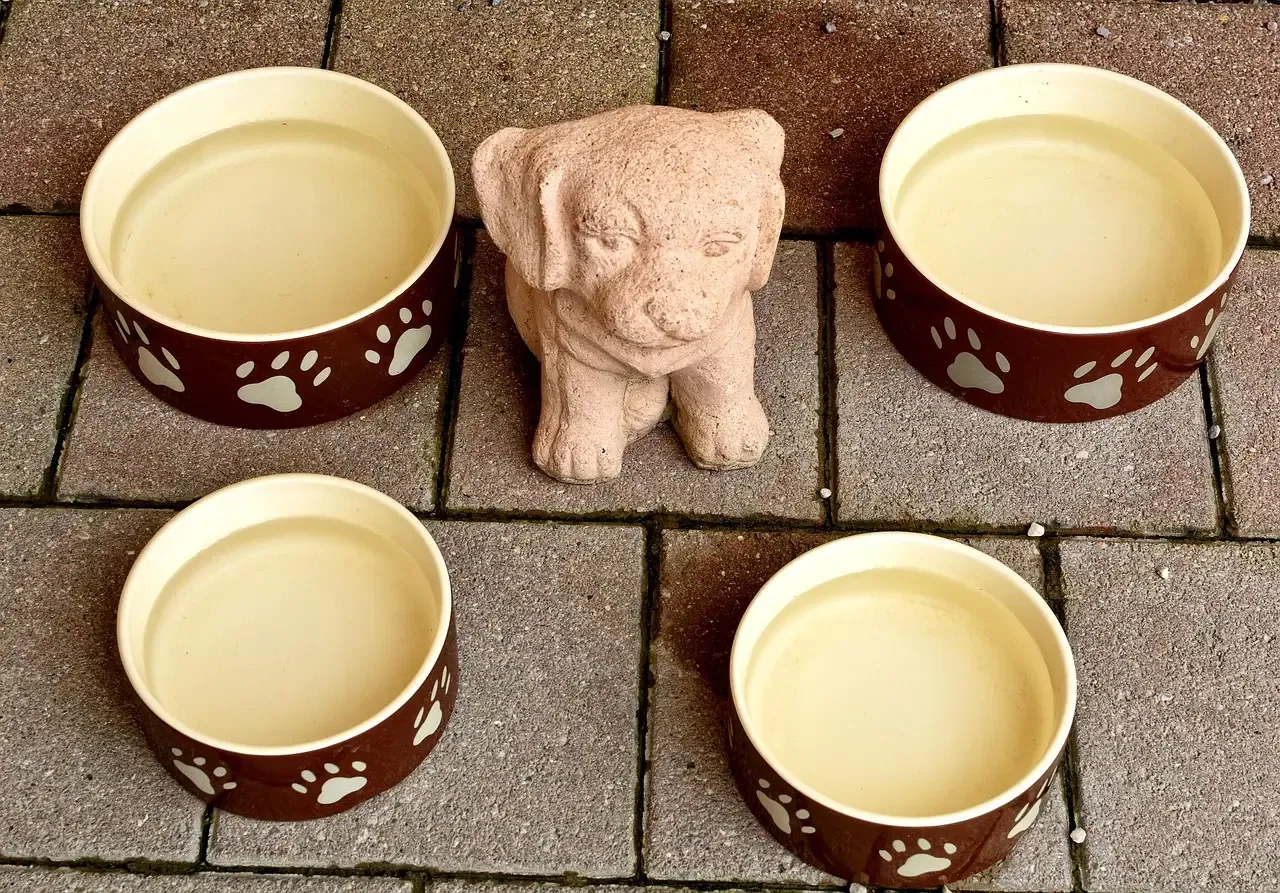
The smartest approach to sibling rivalry is stopping it before it starts. Prevent issues by feeding your pets in separate areas, including high value treats and food-stuffed toys too. This isn’t about playing favorites. It’s about removing the temptation to compete. Each dog should have their own feeding station, ideally in different rooms or at least with enough distance that they can’t see each other.
Have at least two of all toys and beds, but remove food-based toys unless supervised. Duplicate resources sound excessive until you realize they can reduce resource-based aggression dramatically. Think of it like giving each kid their own tablet instead of making them share. Suddenly, the arguments vanish.
Ensure each pet has a private place for rest or alone time, as these personal retreats will help alleviate conflict and allow each pet to get away when they aren’t in the mood to socialize. Baby gates, crates, and separate rooms aren’t punishment. They’re sanctuaries. Every dog needs a space where they know they won’t be bothered, where they can decompress without worrying about a housemate encroaching on their territory.
Especially while dogs are getting to know each other, separate before you leave the house. It’s hard enough managing multi-dog dynamics when you’re present to supervise. Leaving them unsupervised during the adjustment period is asking for trouble.
Managing Existing Jealousy and Tension
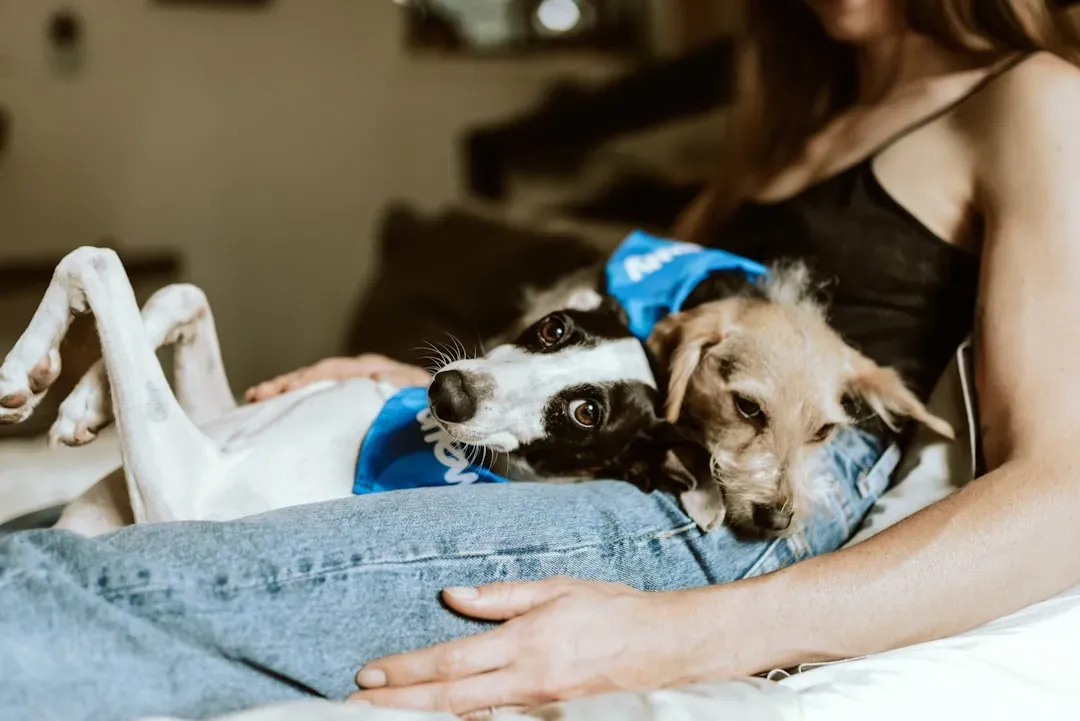
Don’t give one pet more attention than another. I know this sounds simple, but it requires genuine mindfulness. Pay attention to who gets petted first when you come home, who gets the longest belly rub, who rides shotgun in the car. Dogs notice these things, and they keep score better than you might think.
Give each dog solo time with you, and make sure each pet gets 15 minutes of alone time with you, like a walk or play in the yard. This individual attention is crucial. It reassures each dog that they haven’t been replaced, that their bond with you is secure. Even a short one-on-one session can make a world of difference in how a jealous dog feels.
Reward your dog when they act the way you want them to; if your dog comes in between you and another person, just ignore them, and if your dog keeps getting in the way, get up and move to another space. Don’t reinforce pushy behavior by giving attention, even negative attention. Calmly redirect, reward calm behavior, and be consistent.
Punishment could make your dog feel more anxious, and they may ramp up their guarding, reactive, or otherwise jealous tendencies; instead, use positive reinforcement training to teach your dog that sharing is rewarding. Yelling at a jealous dog only confirms their fear that resources are scarce and must be defended. Show them through rewards that cooperation, not competition, gets them what they want.
When to Call in Professional Help
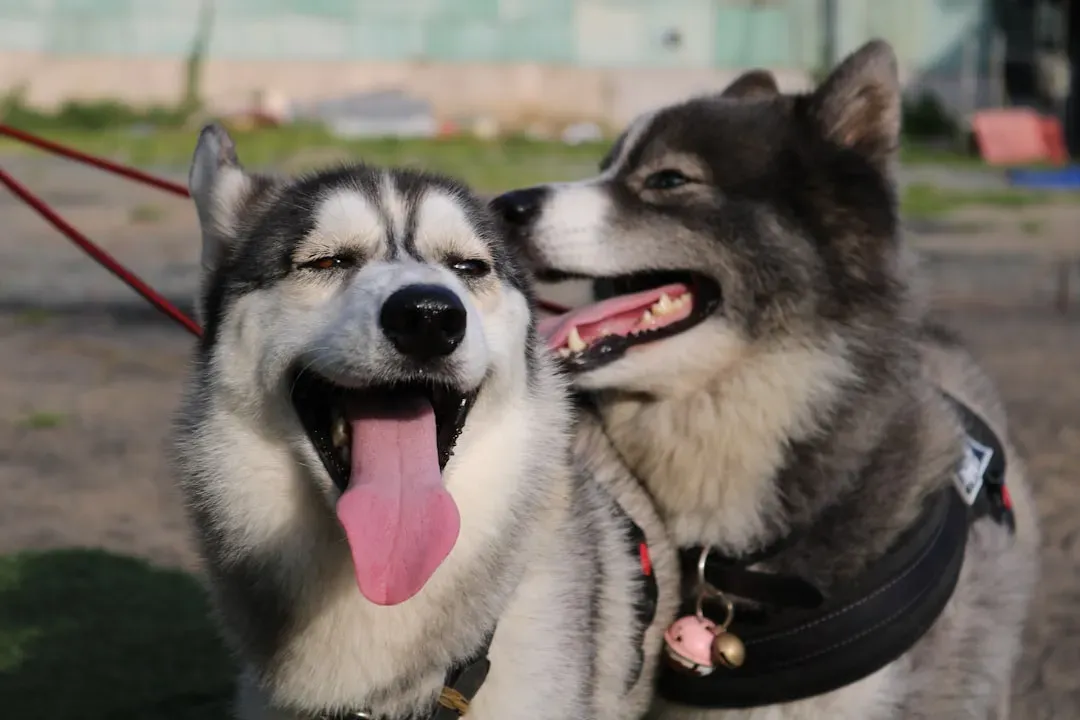
While initially it may be cute, jealousy can become a problematic behavior, as jealous dogs may bite small children when left unattended, house-soiling may become unsanitary and costly to manage, and true anxiety disorders may develop. If your dogs’ jealousy is escalating to aggression, if there have been injuries, or if you’re genuinely afraid for anyone’s safety, it’s time to seek expert guidance.
If your dog’s jealousy includes escalating aggression, such as biting or guarding behaviors, consult a professional trainer or veterinary behaviorist, as these experts can assess your dog’s emotional triggers and develop a safe customized training plan, and in some cases, underlying anxiety or medical issues may be amplifying the response. Sometimes what looks like pure jealousy is actually pain, illness, or an undiagnosed anxiety disorder. A professional can help you sort through the layers.
Concern over what may be jealousy should always be discussed with your veterinary caregiver who may suggest a wellness check, as this can rule out health conditions that could contribute to a behavior change. Don’t assume it’s all behavioral. Pain and discomfort can make even the sweetest dog irritable and possessive.
Living with multiple dogs means constantly reading the room, managing resources, and being fair. It takes work, no question about it. There will be moments when you mess up, when tensions flare despite your best efforts. That’s normal. What matters is your commitment to creating a household where every dog feels secure, valued, and loved. Because at the end of the day, that’s all they really want: to know they haven’t lost their place in your heart. Have you noticed jealousy between your dogs? What strategies have worked best in your pack?


