
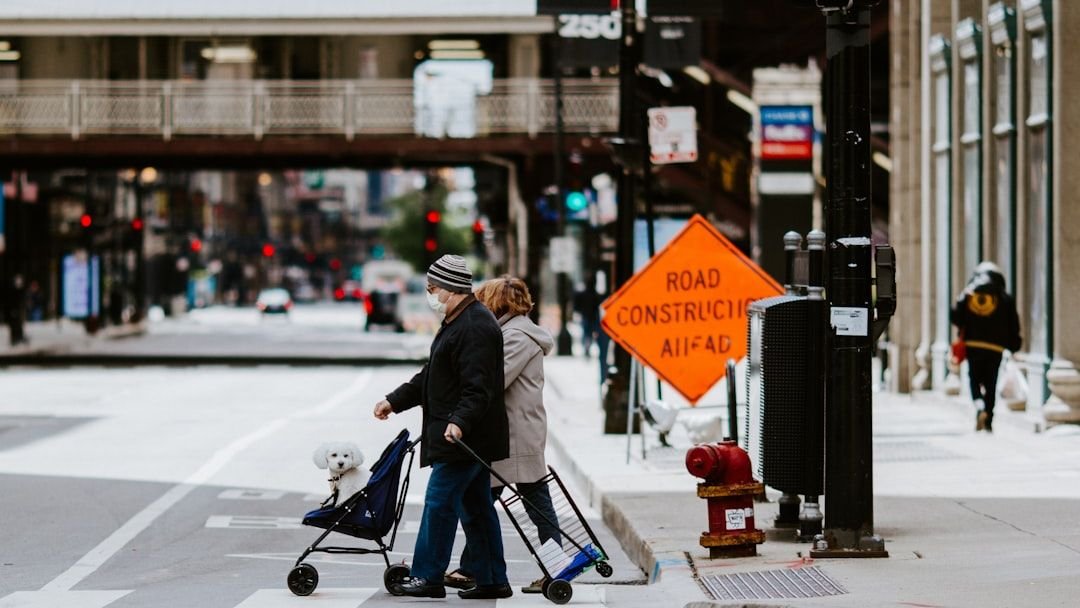
There’s something beautiful about watching a senior walk slowly down a sidewalk with a calm dog trotting peacefully beside them. It’s a scene that feels right, somehow. Like they’ve found exactly what they both needed in each other.
You might’ve noticed it too. Certain dogs just seem to gravitate toward older adults in shelters. They settle into quieter homes more easily. They thrive with routines that revolve around gentle rhythms rather than chaotic energy. This isn’t just coincidence or something we’re imagining. There’s real, fascinating science behind why some dogs genuinely prefer the company of older owners, and honestly, understanding this connection could change the way we think about matching dogs with their forever families.
The Calm Energy Match That Creates Harmony
Let’s be real here. Not every dog wants to go on five-mile runs or play fetch until they collapse from exhaustion. Some dogs are just wired differently, seeking tranquility over constant stimulation.
Research shows that the dog–owner relationship directly influences a dog’s emotional reactions, and a close emotional bond with an owner can actually decrease arousal in dogs. Think about what this means. When older adults move through their days with measured, predictable energy, certain dogs find that incredibly soothing. Their cortisol levels stay lower, their anxiety decreases.
It’s like matching dance partners who naturally move at the same tempo. Dogs that are content with minimal exercise are often perfect for apartment living or older adults. You see dogs like Cavalier King Charles Spaniels, older Labradors, or Shih Tzus absolutely flourishing in homes where the pace is slower. They’re not bored – they’re content. There’s a massive difference.
Predictable Routines Build Unshakeable Trust
Older dogs often function better with an established daily routine, and much like people, when dogs age their senses aren’t as sharp, making them more easily upset by unfamiliar changes and long periods of separation. Older owners typically excel at providing exactly this kind of consistency.
Morning walks at the same time. Meals served on schedule. Evening cuddles in familiar spots. This predictability isn’t boring to dogs – it’s reassuring. They know what’s coming next, and that knowledge creates a foundation of security that reduces anxiety and behavioral issues. I’ve watched dogs who were previously nervous wrecks in unpredictable households completely transform when placed with seniors who maintain steady, reliable patterns.
The mutual benefit here is profound. Seniors gain purpose and structure from caring for their dogs, while dogs receive the stable environment they desperately crave. It’s a symbiotic relationship that benefits both parties in ways that go beyond simple companionship.
The Science of Bonding Through Touch and Time
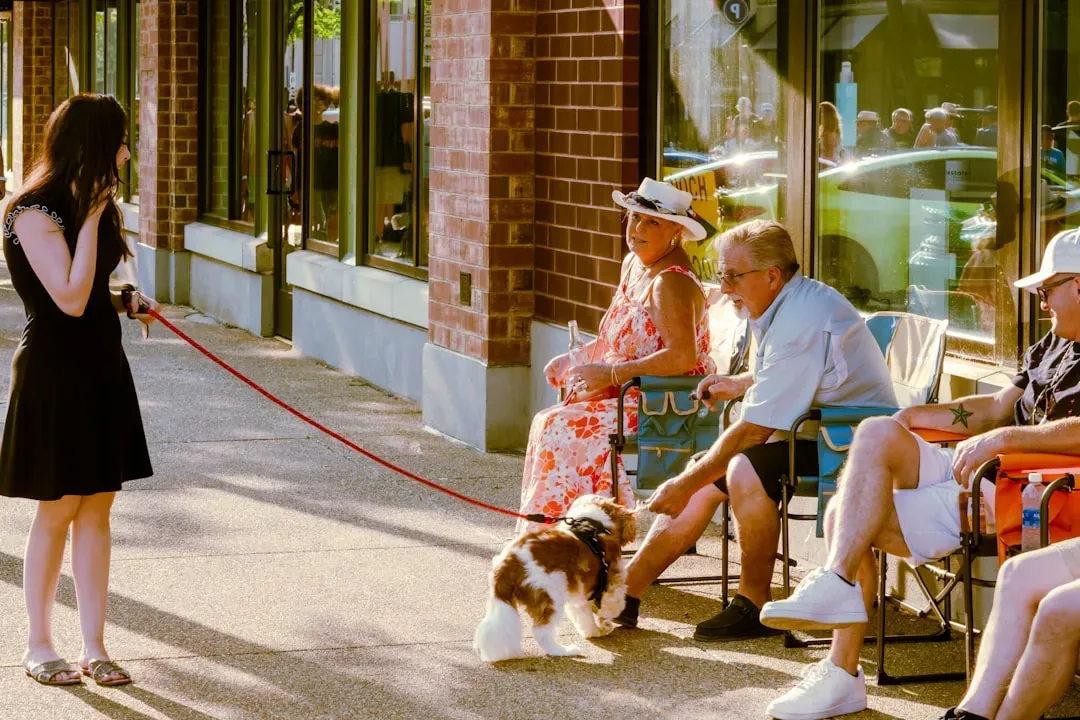
When you pet your dog, play with them, or make eye contact, both your brain and your dog’s brain release oxytocin, which helps create a sense of calm, trust, and affection similar to the bond between a human parent and child. This neurobiological connection is particularly powerful in relationships between dogs and older adults.
Seniors typically have more time to dedicate to gentle, consistent interaction. Physical touch is an extremely important way owners can show their love and bond with their senior dog, and petting and grooming are great ways to help strengthen that bond. Unlike younger owners rushing between work and social obligations, older adults often have hours to simply sit with their dogs, stroking their fur, talking softly.
This isn’t just pleasant – it’s physiologically transformative for both species. Oxytocin can facilitate friendly social interactions, induce anti-stress and anxiolytic effects, increase trust, and relates to the level of interaction between dog owners and dogs. The more time spent together in calm, affectionate interaction, the stronger this bond becomes. It’s chemistry, plain and simple.
Health Benefits That Flow Both Ways
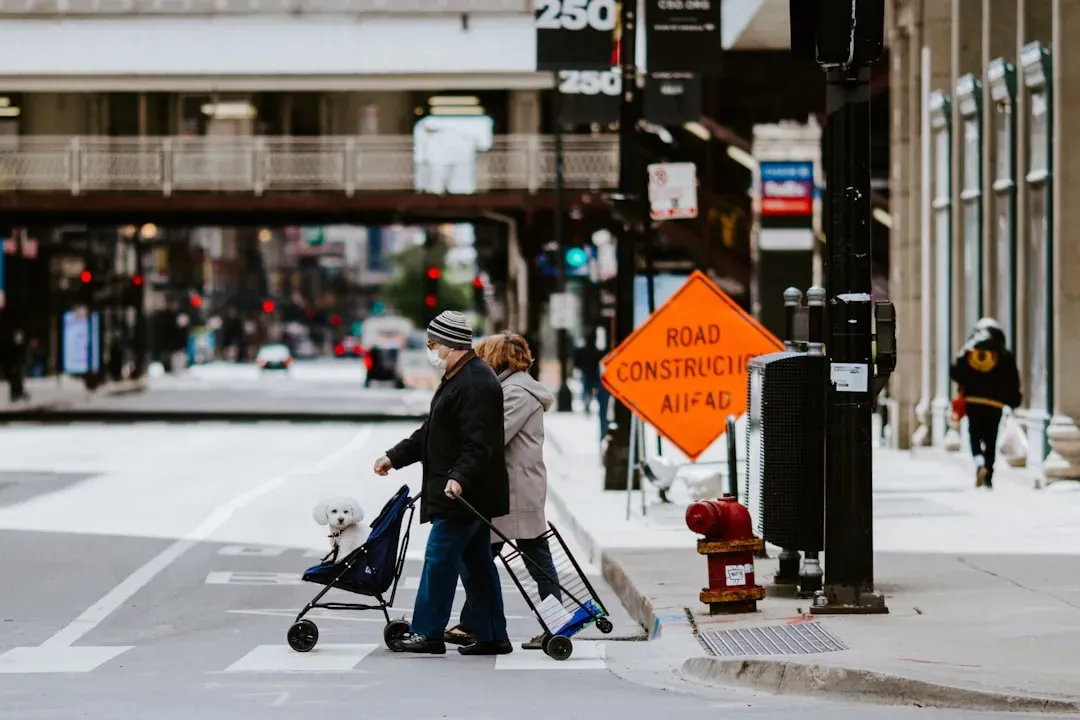
Here’s something that might surprise you. Physical function and leisure time physical activity decline with aging, but the decline is slower among pet owners in overall physical performance, gait speed, cardiorespiratory fitness, and physical well-being. Dogs don’t just benefit from older owners – they actively improve their owners’ health outcomes.
Dog owners have lower blood pressure and healthier cholesterol levels, and dog walking was associated with lower body mass index, fewer activities of daily living limitations, and fewer doctor visits. Think about the perfect feedback loop this creates. Seniors stay more active because their dogs need walks, which improves their cardiovascular health. Their improved health allows them to provide better care for their dogs.
Meanwhile, dogs in these relationships receive consistent attention to their physical and emotional needs. Dogs have become emotional companions and human substitutes for people living in solitude, giving new meaning to elderly people’s lives. Both parties become invested in each other’s wellbeing in deeply meaningful ways.
Reading Emotions and Responding With Patience
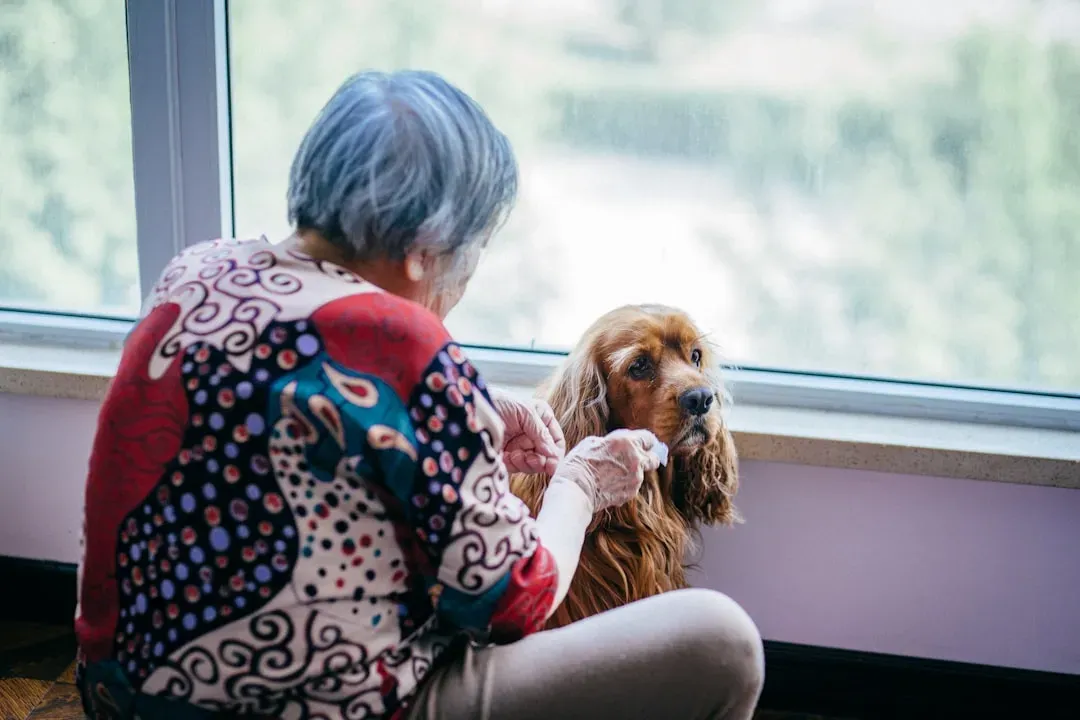
Older adults often possess something that can’t be taught from a manual: patience built from decades of life experience. They’ve learned to read subtle cues, to wait rather than react, to understand that not everything needs to happen immediately.
Dogs and owners can mutually sense the other’s emotional state based on an increased ability to read the other’s behavioral cues, with calmer behaviors displayed by the dog enhancing the calming effect in the owners. This creates a remarkable emotional feedback system. The senior’s calm demeanor helps settle an anxious dog. The dog’s peaceful presence then further reduces the owner’s stress levels.
I’ve seen this in action countless times. An older woman sits quietly with her rescue dog who came from a chaotic background. She doesn’t demand interaction or force affection. She simply exists peacefully in the same space. Gradually, the dog begins approaching her voluntarily, seeking comfort. Within months, they’re inseparable. That’s the magic of patience combined with emotional intelligence, and frankly, it’s beautiful to witness.
Conclusion: A Perfect Partnership Worth Celebrating
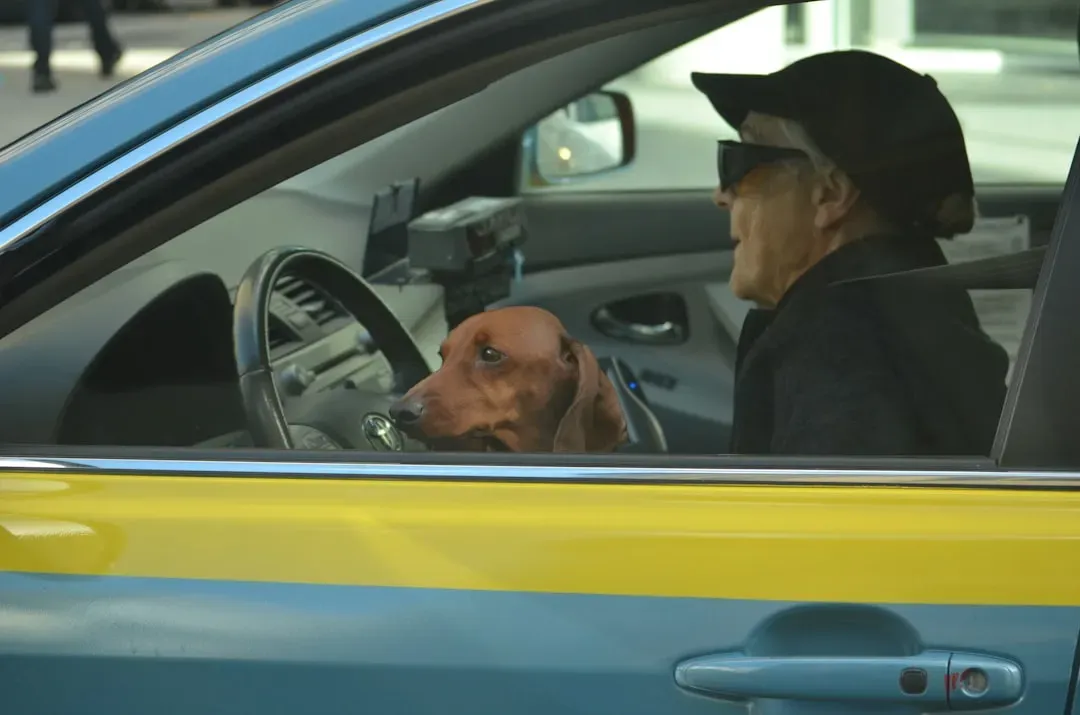
The relationship between certain dogs and older owners represents one of nature’s most elegant matches. It’s not about age being just a number – it’s about recognizing that different life stages bring different strengths to the table. Older adults offer stability, patience, consistent routines, and abundant time for gentle interaction. Dogs who thrive in these conditions aren’t “less than” their high-energy counterparts – they’re simply suited for different lives.
Elderly people living in certain contexts were more attached to their dogs and provided them with a higher level of care, with very limited concerns about the adoption of dogs late in their owners’ lives. This partnership deserves celebration and support from animal welfare organizations, family members, and communities. When we recognize and facilitate these matches, everybody wins.
Have you seen this special bond in your own life or community? The evidence is clear, but the real stories happen in living rooms and on quiet morning walks all around us.


