
You’ve probably done it before. Your dog barks at nothing, circles before lying down, or refuses to walk past that one fire hydrant. Then comes the apologetic smile to strangers, the awkward laugh, the “Sorry, he’s just weird like that.” Here’s the thing: you need to stop.
Those quirks aren’t flaws. They’re the beautiful, messy fingerprints of your dog’s individuality. In a world obsessed with perfect Instagram pups and breed stereotypes, we’ve forgotten something crucial. Every tilt of the head, every odd habit, every seemingly bizarre behavior is what makes your dog, well, your dog.
The Science Says Your Dog Is an Individual, Not a Stereotype
Let’s be real. We’ve been sold a myth about dog breeds and personality. You know the one: Golden Retrievers are always friendly, Border Collies are workaholics, Chihuahuas are yappy. Research shows that just about nine percent of personality differences between dogs were related to their breed.
On average, roughly 85 percent of the traits which influence behavior are not breed-specific. That Labrador who hates water? The German Shepherd who’s a total goofball? They’re not broken. They’re just themselves, shaped by both genetically-selected attributes, as well as individual life experiences.
Your dog’s individual temperament is a combination of genetic factors, social interactions, and environment. Think of it like this: genetics load the gun, but environment pulls the trigger. Your dog isn’t a cookie-cutter version of their breed standard. They’re a complex being with their own story written into every quirky behavior.
Those “Weird” Behaviors Are Actually Personality Signatures
Scientists have identified personality dimensions in dogs that mirror human traits. The canine equivalent of the classic human “Big Five” personality includes extroversion, agreeableness, neuroticism, openness, and conscientiousness. Your dog spinning three times before bed isn’t crazy. It might just be their version of being meticulous.
I think what fascinates me most is how these traits are stable over time. Personality describes an individual’s usual pattern of behavior, characteristics that are relatively stable over time and across situations. That dog who always greets you by bringing a shoe? That’s not random. It’s a consistent expression of who they are.
Breed and age had the strongest associations with dog personality traits, though some environmental factors, especially puppyhood socialization, were also associated with personality. Yet even with these factors, there’s tremendous variation. Your Beagle might be contemplative while your neighbor’s is chaos incarnate.
Your Dog’s Early Life Shaped Their Quirks More Than You Think

Lack of stimulation, stressful environments or situations, and cases of neglect have a damaging effect on dogs’ emotional states and can lead dogs to exhibit negative behavior not true to their actual personality. That rescue dog who hides during thunderstorms isn’t being difficult. They’re showing you their history.
Socialization matters enormously. Dogs who experienced varied, positive interactions as puppies often show more confident, adaptable personalities. The one who barks at skateboards probably never met one during that critical developmental window between seven weeks and four months.
Herding breeds require lots of mental stimulation and physical activity because of their genetic characteristics, and if they’re getting very limited time outside, they will likely exhibit anxiety, depression, or aggression. Sometimes what looks like a quirk is actually an unmet need showing itself.
Your dog’s past experiences, even ones you don’t know about, created the unique individual sitting beside you right now. That’s not something to apologize for. It’s something to understand and embrace.
Size and Body Type Influence Personality in Surprising Ways
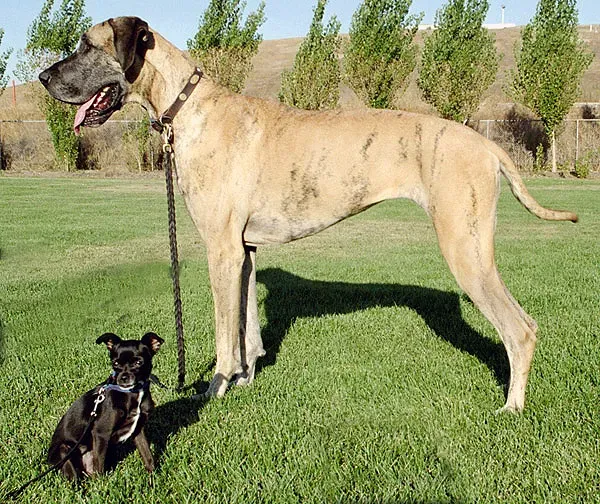
Here’s something wild: in one study, data clustered more on the body height of dogs than on breed relatedness, with size being a better predictor than breed in predicting temperament scores. Your Chihuahua’s boldness might have less to do with being a Chihuahua and more to do with being small.
Small body size is associated with many problem behaviors and large body size is associated with increased trainability. Small dogs navigate a world designed for giants. That defensive barking? It’s confidence born from necessity. They’re not mean. They’re managing their reality.
Dogs with extreme skull morphotypes have impacts on their brain anatomy that likely affects behavior, though just because certain dogs have brain makeups that suggest a certain disposition, it doesn’t lock them into those behaviors. Physical characteristics matter, though they’re not destiny.
Training and Environment Matter More Than Genetics
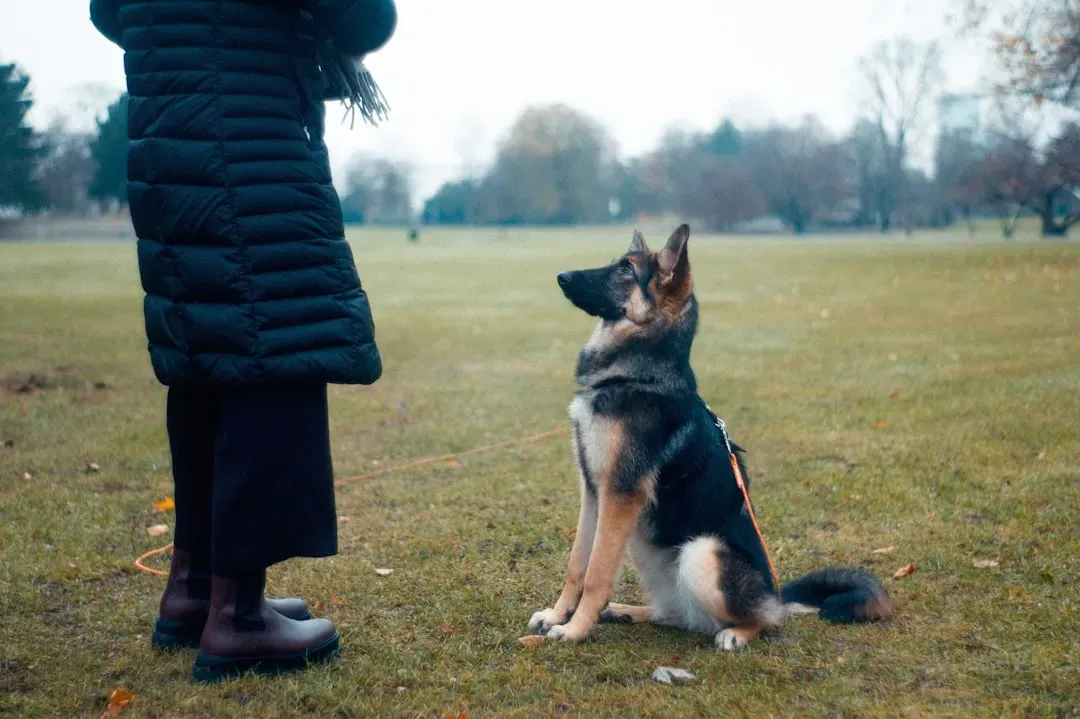
Training is almost always necessary, and no particular breed of working dog is just born knowing how to do its job. That natural herding instinct still needs nurturing. Your Border Collie might have the software, but you’re the one who uploads the program.
People who are knowledgeable about dogs realize that behavior is not just influenced by genetics, but is also influenced by environmental factors such as the socialization of puppies, training, and humans having a better understanding of the consequences of abuse and neglect. Every interaction shapes your dog’s personality.
Management and lifestyle factors profoundly affect behavior. The dog who pulls on the leash isn’t stubborn by nature. Maybe they learned that pulling gets them where they want to go faster. Quirks are often learned behaviors that became habits.
Your response to your dog’s behaviors reinforces them. When you laugh at their head tilt, you’re encouraging it. When you get anxious about their barking, they feel that energy. You’re part of their quirk-development team.
Celebrating What Makes Your Dog Different Deepens Your Bond
The diversity of pet personalities is beautiful because it offers an opportunity to connect with your pet on a deeper level, and learning more about your dog’s behavior can deepen your bond. When you stop apologizing and start appreciating, something shifts in your relationship.
Those odd behaviors are communication. The dog who brings you socks when you’re sad learned that makes you smile. The one who refuses to step on grates once had a scary experience. Sometimes uncharacteristic behavior can be a sign of pain, discomfort, or illness, making it crucial to know your dog’s normal quirks.
Every dog is different, which makes our bonds with these loving, accepting animals so unique and personal, and the more you understand your individual dog’s traits, the more you can embrace their individuality. Your dog’s weirdness is part of why you love them.
Honestly, when did we decide dogs needed to fit a mold? They’re not products off an assembly line. They’re living beings with preferences, fears, joys, and histories that shape who they are.
Conclusion: Your Dog’s Quirks Tell Their Story
Next time your dog does that thing that makes you cringe in public, take a breath. That behavior isn’t a reflection of your training failures or their defectiveness. It’s a chapter in their story, a piece of their personality mosaic.
The dog who army-crawls toward their food bowl, the one who howls at sirens, the one who insists on carrying a stick bigger than themselves. These aren’t problems to fix. They’re the details that make your dog irreplaceable.
We spend so much energy trying to mold dogs into what we think they should be based on breed stereotypes or Instagram trends. The revolution is in acceptance. In seeing your dog as the complex individual they are, shaped by genetics, experience, environment, and yes, their own unique perspective on the world.
So stop apologizing. Start celebrating. Those quirks? They’re not bugs in the system. They’re features that make your dog magnificently, perfectly, uniquely themselves. What’s your dog’s weirdest habit, and when did you realize it was actually kind of brilliant?


