
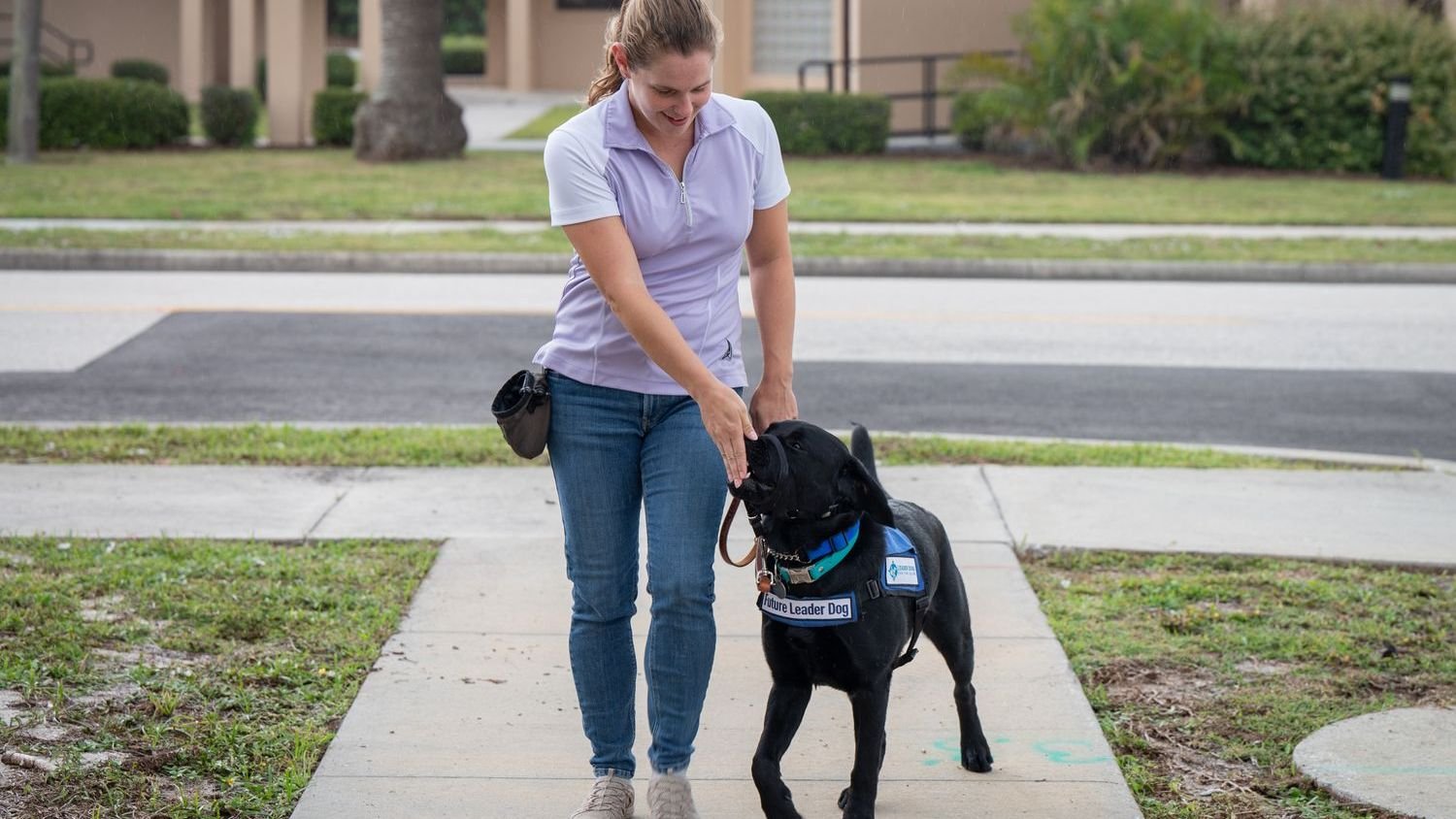
You love your dog more than most people you know. Honestly, same. You’ve read the articles, watched the videos, maybe even followed a dozen dog accounts on Instagram. Yet somehow, a handful of stubborn keep sneaking their way into everyday conversations, influencing the choices we make for our beloved companions. Some of these myths feel so natural, so obvious, that questioning them almost feels wrong.
Here’s the thing, though. Believing the wrong things about your dog’s behavior doesn’t just lead to confusion. It can actually chip away at your bond, lead to misread signals, and in some cases, even cause unnecessary stress for your pup. So let’s get into it and unpack three of the most pervasive myths that even the most devoted dog parents tend to believe.
Myth #1: A Wagging Tail Always Means a Happy Dog
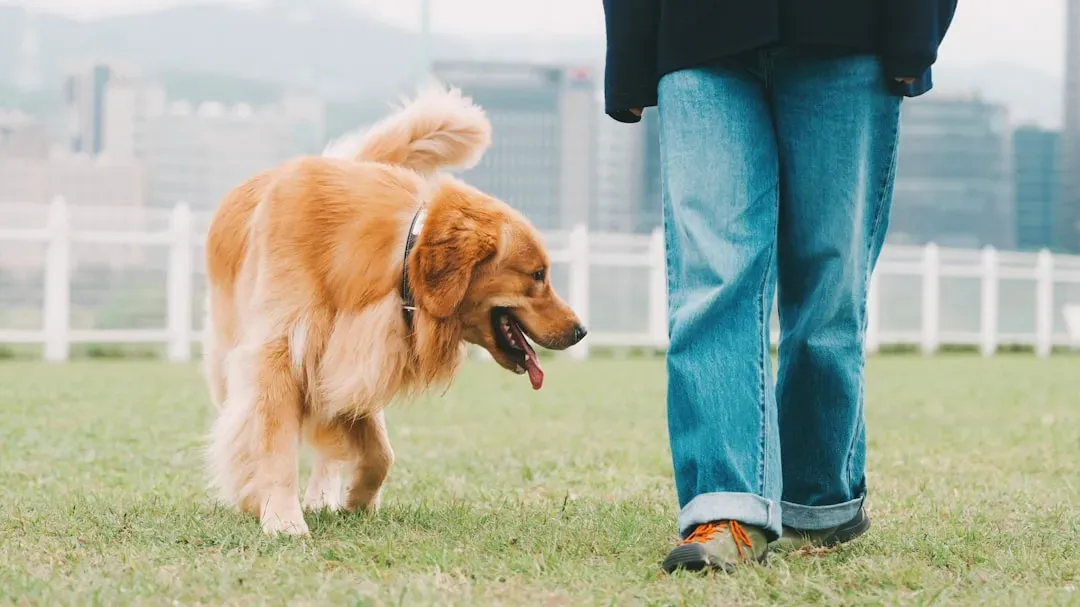
Picture this. A dog trots over to a stranger at the park, tail swinging like a helicopter rotor. The stranger reaches out to pet him, and suddenly the dog snaps. Everyone is confused. The tail was wagging! Surely that meant friendliness, right? Not quite.
Tail wagging can mean happiness, excitement, and alertness, or it can signal fear, anxiety, or even be a prelude to aggression. It’s genuinely one of the most misunderstood signals in the canine world. Tail position and speed matter enormously here.
A slow, stiff wag may indicate unease or aggression, while a fast and high wag could indicate excitement. An anxious or fearful dog may hold their tail low and wag in a small, fast arc. That’s a very different emotional state from a dog bounding joyfully toward their favorite human.
So what should you actually look for? Think of it like reading a whole sentence, not just one word. Canine body language is complex and can be misinterpreted, so always evaluate the body language of the entire dog. Are the ears pinned back? Is the body tense or low to the ground? Is there a hard stare? These are the real clues that tell the full story.
The practical takeaway here is simple. Teach your children and friends not to rush up to an unfamiliar dog just because its tail is moving. Never approach or pet a dog that you do not know without asking the owner’s permission first, and this is especially important for children who want to pet every dog they see. A little knowledge here could genuinely prevent a painful and scary situation.
Myth #2: Your Dog Looks Guilty, So He Must Know He Did Something Wrong

Oh, this one. If I had a dollar for every video caption that said “he knows exactly what he did,” I think I’d be retired by now. We’ve all seen it. You walk in the door, find the trash can overturned, and your dog is already doing the whole slouch, avoiding eye contact, ears pinned back routine. Surely that’s guilt, right?
Here’s what the science actually tells us. The “guilty” behaviors we see in dogs often have more to do with how we as people react when our dogs do something undesirable. A dog who has had an accident on the floor or destroyed something in the house hours before you get home won’t connect their behavior to how you respond.
Dogs only have a three-second window to link cause and effect. Beyond that time frame, they only know that something is wrong by reading our response, so they might engage in appeasement behaviors, such as hunching down, rolling on their back, or showing their teeth as if to say, “whatever’s wrong, please don’t hurt me.” It’s not guilt. It’s self-protection.
Owners often mistakenly believe their dog knows they have done wrong, but what you’re actually seeing is appeasement behaviour. Dogs that look guilty are simply responding to an owner’s disappointment, upset, or anger. Your dog is reading your body language like a book, not replaying what happened three hours ago.
Why does this matter so much practically? Because if you scold your dog long after the fact, you’re not teaching him anything useful. Dogs do not engage in destructive behavior out of revenge, and this behavior is often misinterpreted as spiteful when it’s typically a result of underlying issues such as anxiety, boredom, or insufficient training. Dogs lack the complex emotions necessary to formulate intent like revenge, and destructive behavior might signal that a dog needs more physical exercise, mental stimulation, or might be experiencing separation anxiety. Focus on the root cause, not the “look on their face.”
Myth #3: You Can’t Teach an Old Dog New Tricks
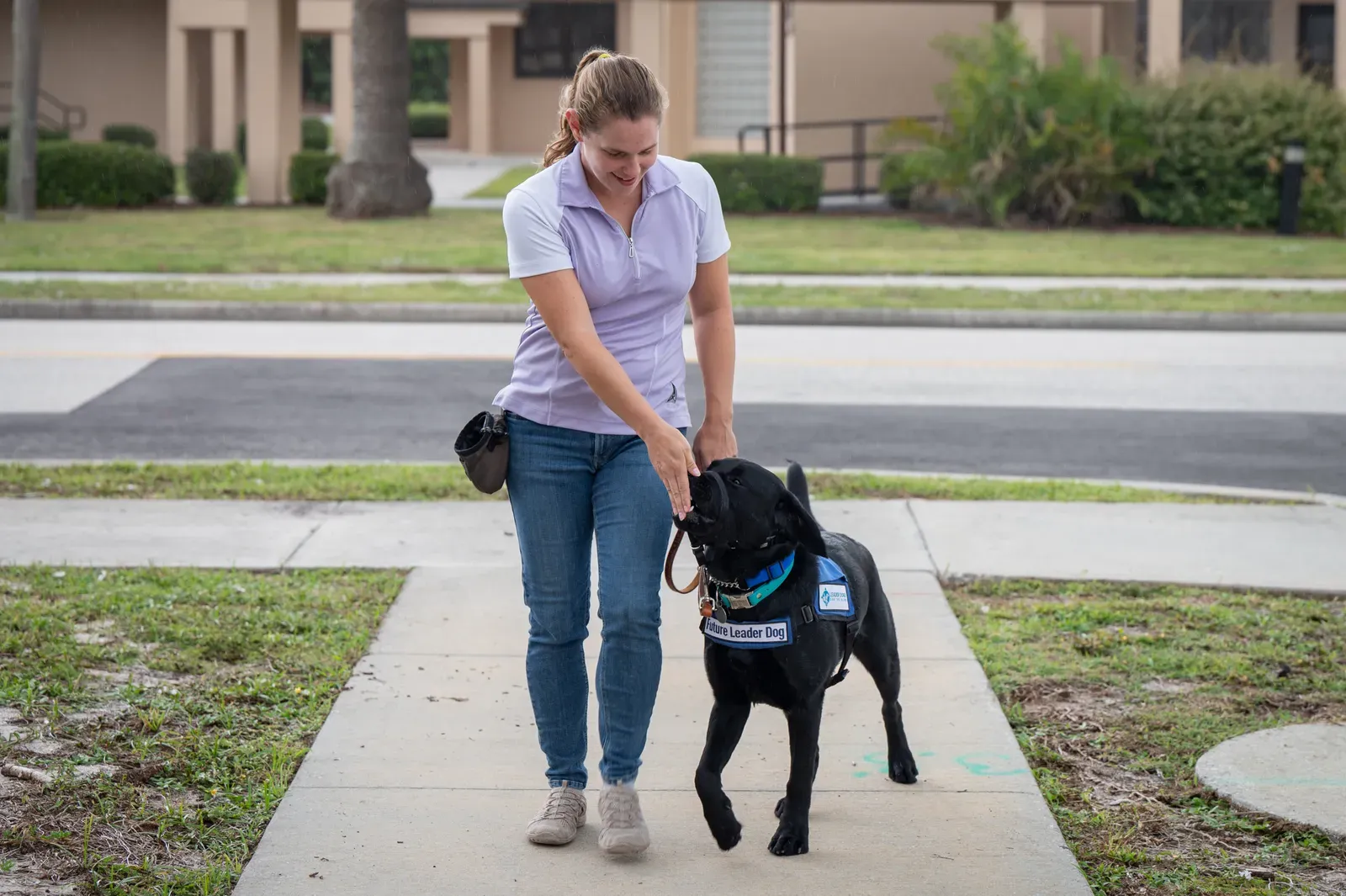
Let’s be real. This one has probably been around since the dawn of dog ownership and it is, to put it plainly, completely wrong. It’s also a myth that can lead people to give up on a senior dog’s training or enrichment entirely, which is a genuine shame.
You can absolutely teach an old dog new tricks. Done properly, trick training keeps canine minds active, and keeps dogs engaged and having fun. Think of it like keeping your own brain sharp by learning a language or picking up a new instrument. The principle is the same.
While it is true that puppies are like sponges, making it so easy to teach them new things, old dogs can learn too. Some older dogs have decreased vision, hearing, or joint issues which can make training a little more difficult. However, with time and patience, an older dog should be able to learn any trick a younger dog can, within the limitations of their physical ability.
There’s even a deeper health reason to keep training your senior pup. Studies of canine cognitive decline show that a multi-targeted approach, such as antioxidants combined with behavioral enrichment, is most effective at preventing dementia in dogs. So those little training sessions aren’t just fun, they’re genuinely protective for your older dog’s brain.
The best method? Keep it positive, keep it short, and keep it joyful. The best way to go about teaching an adult dog new tricks is to make training sessions fun, keep them positive, and do them little and often. Your senior dog may surprise you more than any puppy ever did. I genuinely believe that.
A Final Thought Worth Carrying With You

don’t stick around because people are careless. They stick around because we love our dogs so much that we interpret their world through our own human emotions and experiences. That’s actually a beautiful instinct. It just needs a little fine-tuning.
Understanding what your dog is really communicating, whether through a tail wag, a hunched posture, or a slow-to-learn new command, is one of the most powerful gifts you can give them. It builds trust. It deepens your bond. It makes you a safer, more confident, more empathetic companion for the animal who already thinks you hung the moon.
The more we know, the better we love. So the next time someone tells you that guilty look means your dog absolutely knew he ate your sandwich on purpose, you’ll know exactly what to say. What other dog “facts” have you always believed that might be worth questioning? Drop them in the comments, you might not be alone.


