
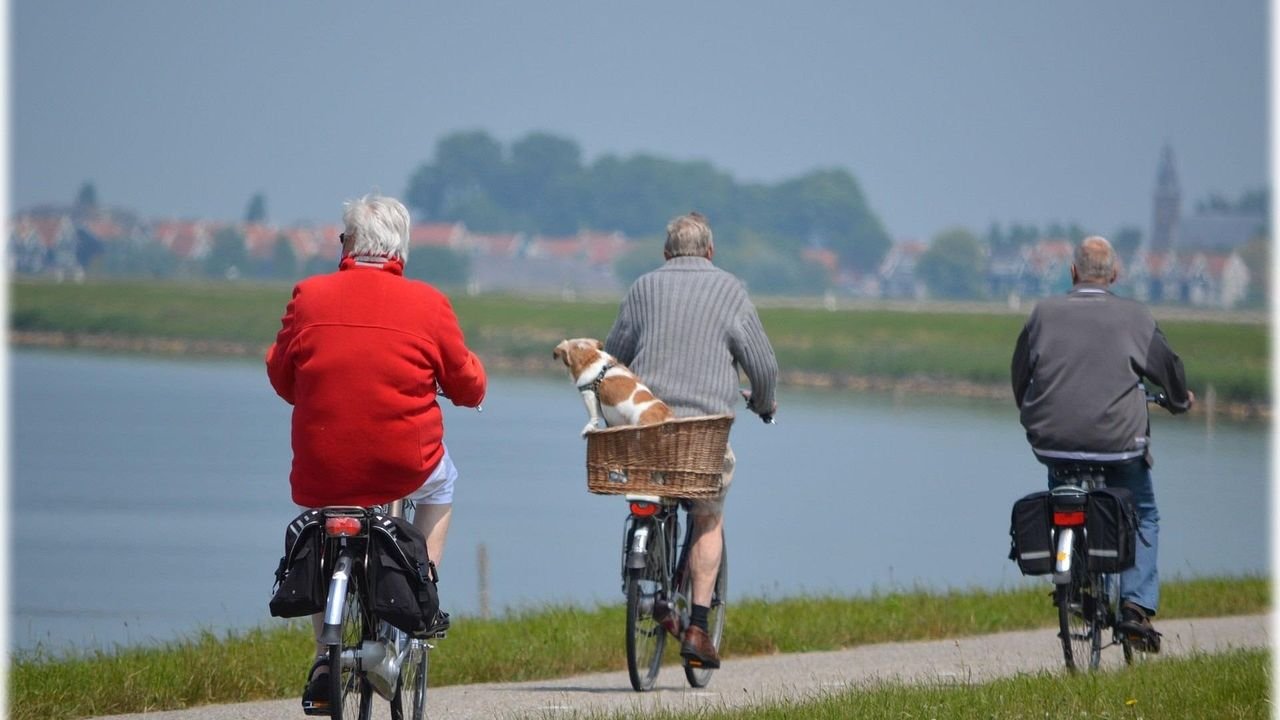
If you’ve noticed your older dog sleeping more or moving a bit slower, you might be tempted to think their playful days are behind them. Maybe you’ve heard people say that senior dogs don’t need much activity anymore or that they’re too fragile for fun. Let’s be real, that’s exactly the kind of thinking that can rob your beloved companion of joy and vitality in their golden years.
Here’s the thing. The myths surrounding senior dogs and playtime aren’t just harmless misconceptions. They can actually prevent our older pups from living their best lives. Your graying friend still has that spark inside, even if it flickers a bit differently than it did during their puppy days. Ready to discover the truth about keeping your senior dog engaged, healthy, and genuinely happy? Let’s dive in.
Myth 1: Senior Dogs Don’t Need Daily Exercise Anymore
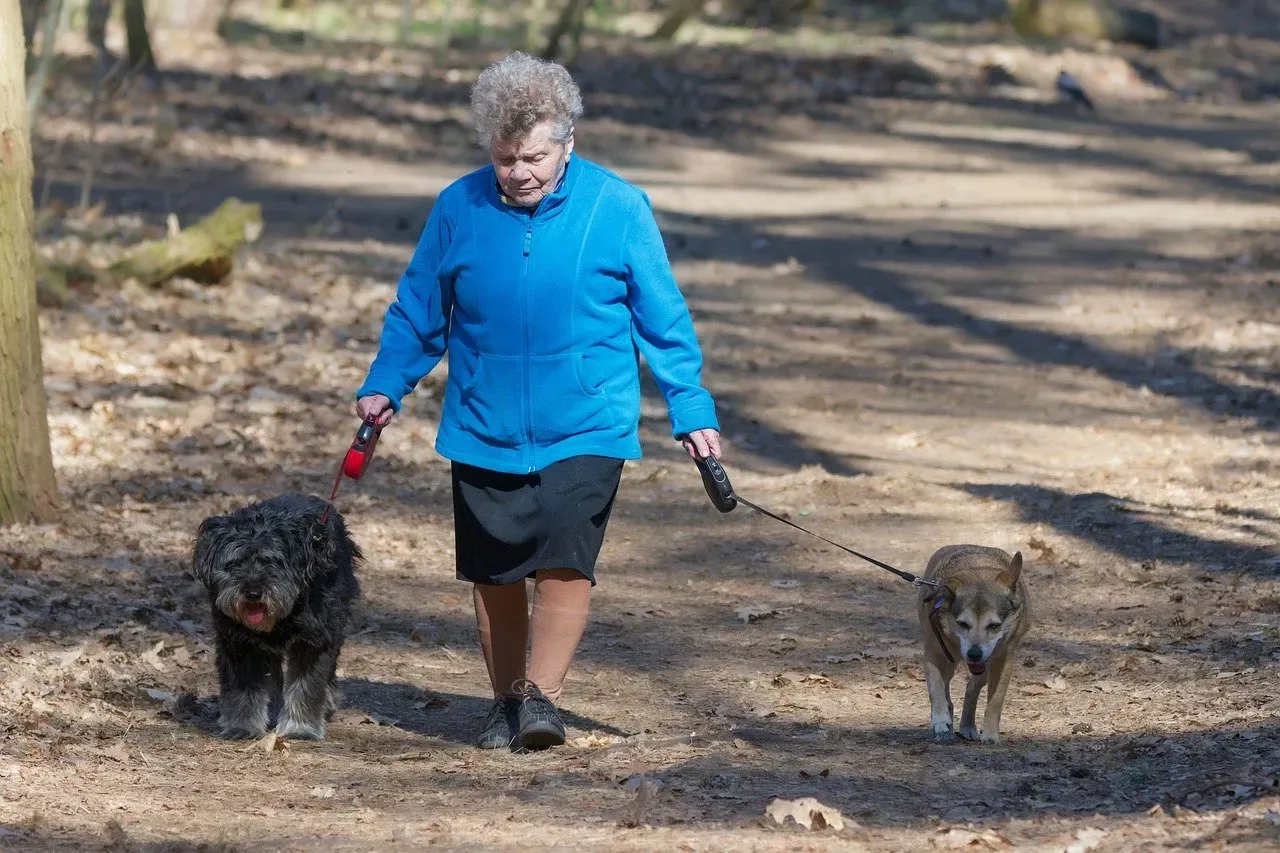
This might be the most damaging myth of all. Many people assume that once a dog hits their senior years, they should basically retire to the couch.
The reality couldn’t be more different. Even a senior dog needs daily exercise, at least 30 minutes, as the stimulation and movement are still vital to their well-being. Think about it like this: would you tell your grandmother to never leave her chair again? Of course not. While senior dogs may have lower energy levels than puppies, they still need regular physical activity to maintain health, mobility, and mental stimulation. Their bodies might not move quite as quickly, but those joints, muscles, and hearts still need to work.
Your older pup still needs to stay active to keep their body strong, their mind occupied, and maintain a healthy body weight, as exercise can also delay the onset of age-related conditions such as arthritis. Inactivity actually accelerates aging. When senior dogs stop moving, they lose muscle mass faster, their joints stiffen up, and cognitive decline can speed up. You’re not doing them any favors by letting them become couch potatoes.
The key is adapting the type and intensity of exercise, not eliminating it altogether. Swimming, gentle walks, and even modified fetch games can work wonders. Watch your dog’s cues and adjust accordingly, but never fall into the trap of thinking they don’t need activity at all.
Myth 2: Old Dogs Don’t Want to Play or Have Fun
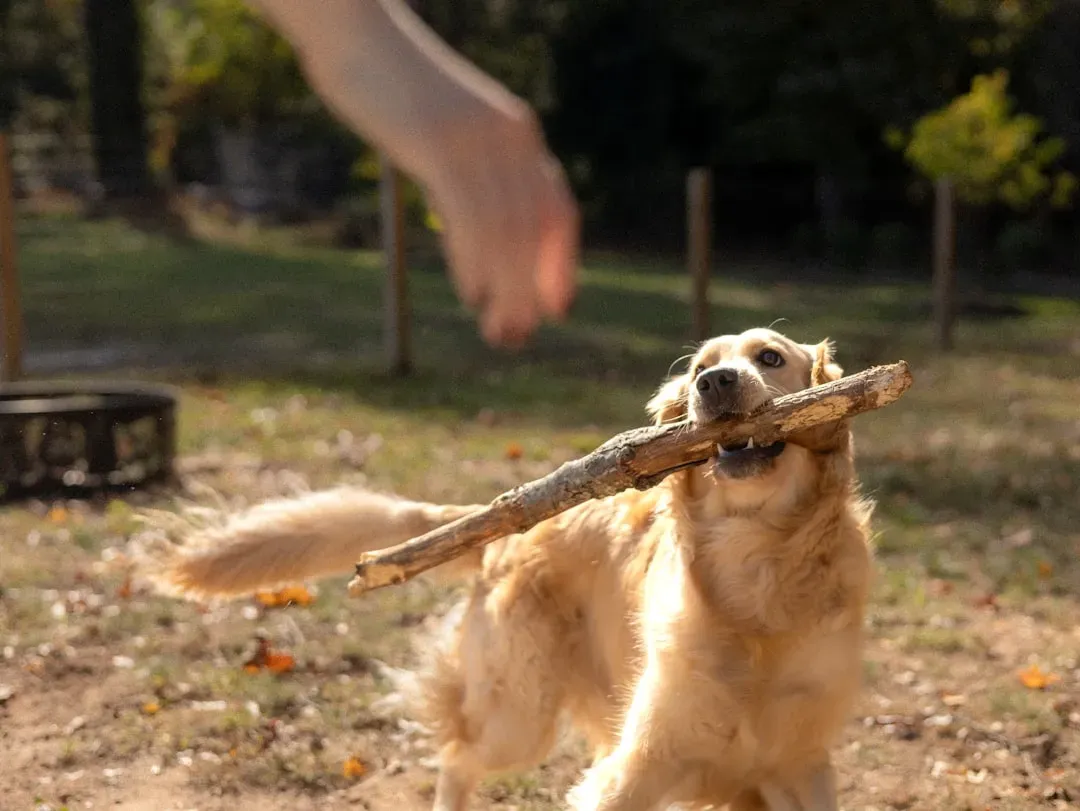
I can’t tell you how many times I’ve heard someone say their senior dog just isn’t interested in play anymore. Usually, they haven’t actually tried adapting playtime to suit their dog’s changing needs.
The misconception that senior dogs don’t enjoy playtime is misleading, as while they may prefer gentler games, they still relish the interaction and fun, with toys and activities tailored to their abilities bringing joy. Your older dog might not chase a frisbee for an hour like they used to, but that doesn’t mean they’ve lost their love of play. Even senior dogs enjoy age-appropriate fun. They’ve just developed more refined tastes, you could say.
Play is an important factor in your dog’s wellbeing, and just because they’re getting older doesn’t mean that they don’t want to play just as much as they did when they were younger, as aging just means their energy levels and what their body can handle may be lower. Think about how your preferences change as you age. You might choose a relaxing evening with friends over a wild night out, but you still want social connection and enjoyment.
The trick is offering the right kind of play. Scent games, puzzle toys, gentle tug-of-war, and hide-and-seek with treats can be absolutely thrilling for senior dogs. These activities engage their natural instincts without putting excessive strain on aging bodies. Pay attention to what makes their tail wag now, rather than clinging to what excited them five years ago.
Myth 3: Playing Will Hurt or Injure Senior Dogs
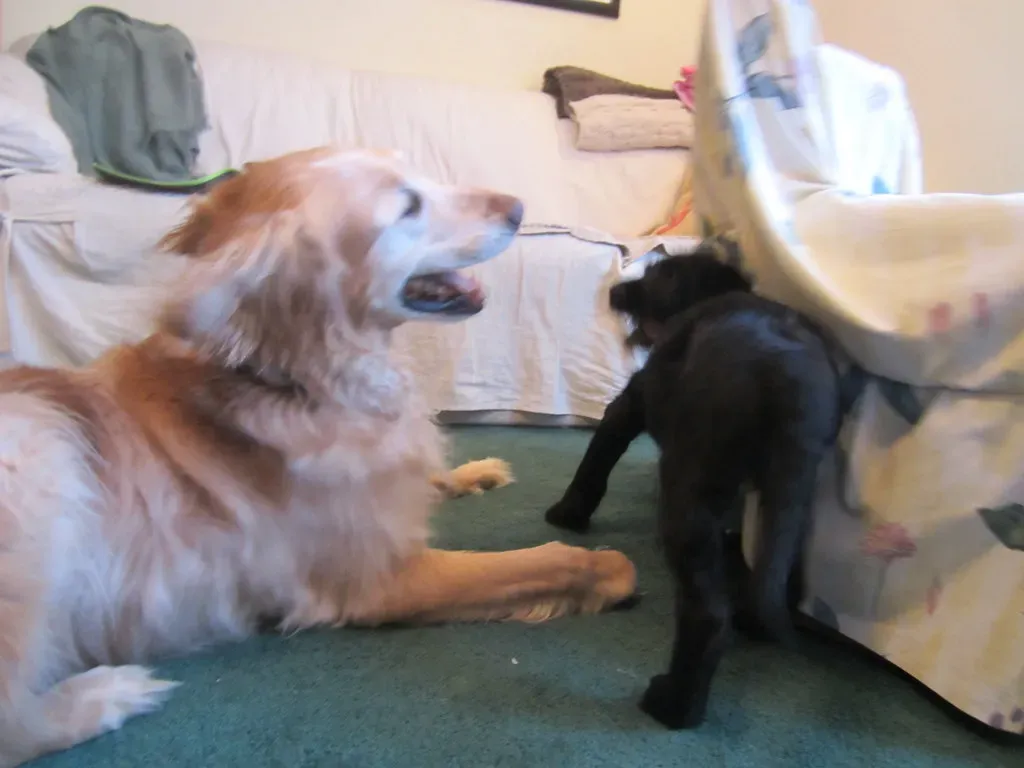
This myth comes from a place of love and protectiveness, which I completely understand. Nobody wants to see their beloved companion in pain. The fear of causing harm, though, often leads to overprotection that actually does more damage in the long run.
Play can significantly benefit older dogs experiencing cognitive decline by providing mental stimulation that helps slow the progression of symptoms. The right kind of play isn’t dangerous. In fact, appropriate physical activity helps maintain joint flexibility, muscle strength, and overall mobility. Poor mobility and low physical activity were both significantly correlated in time to death in this older canine population. Staying active within reasonable limits actually extends quality of life.
What you do need to be mindful of is how you play. Slippery floors, high-impact jumping, and rough play with younger dogs can indeed cause problems. The most important factor for you as a senior dog parent is to ensure they are getting the play that they need while making sure it’s safe for their body. Choose soft surfaces like grass or carpet, keep sessions shorter, and watch for signs of fatigue like excessive panting or lying down suddenly.
Swimming stands out as one of the safest options. The water supports their weight while providing resistance for muscle maintenance. Short walks on familiar terrain, gentle tug games, and mental stimulation through puzzle toys all qualify as safe, beneficial play. You’re not wrapping them in bubble wrap; you’re being smart about their limitations while still giving them what they need.
Myth 4: Training and Learning New Tricks Is Pointless for Older Dogs
You’ve probably heard the saying about old dogs and new tricks. Honestly, it’s complete nonsense, and it needs to be retired.
Many believe older dogs are too set in their ways to learn new tricks, but that’s far from true, as dogs, regardless of age, thrive on mental stimulation and enjoy learning. In some ways, senior dogs are actually better students than puppies. Older dogs often have better attention spans than younger pups, making them excellent students. They’re calmer, more focused, and less easily distracted by every leaf blowing past the window.
Learning new things not only promotes good behavior but also provides mental stimulation that is vital for their overall well-being, as training sessions keep minds active and engaged and prevent cognitive decline. Teaching your senior dog a new trick, a new command, or even just reinforcing old ones keeps their brain sharp. Mental exercise is just as crucial as physical exercise for aging dogs.
Think of it as cognitive fitness. Just as crossword puzzles and learning new skills help keep human brains healthy as we age, training does the same for dogs. Start simple if your dog is new to training, and keep sessions short and positive. The pride you’ll see in their eyes when they master something new is absolutely worth it. Plus, it reinforces that special bond between you two, showing them they’re still capable and valuable.
Myth 5: All Senior Dogs Have the Same Needs and Limitations
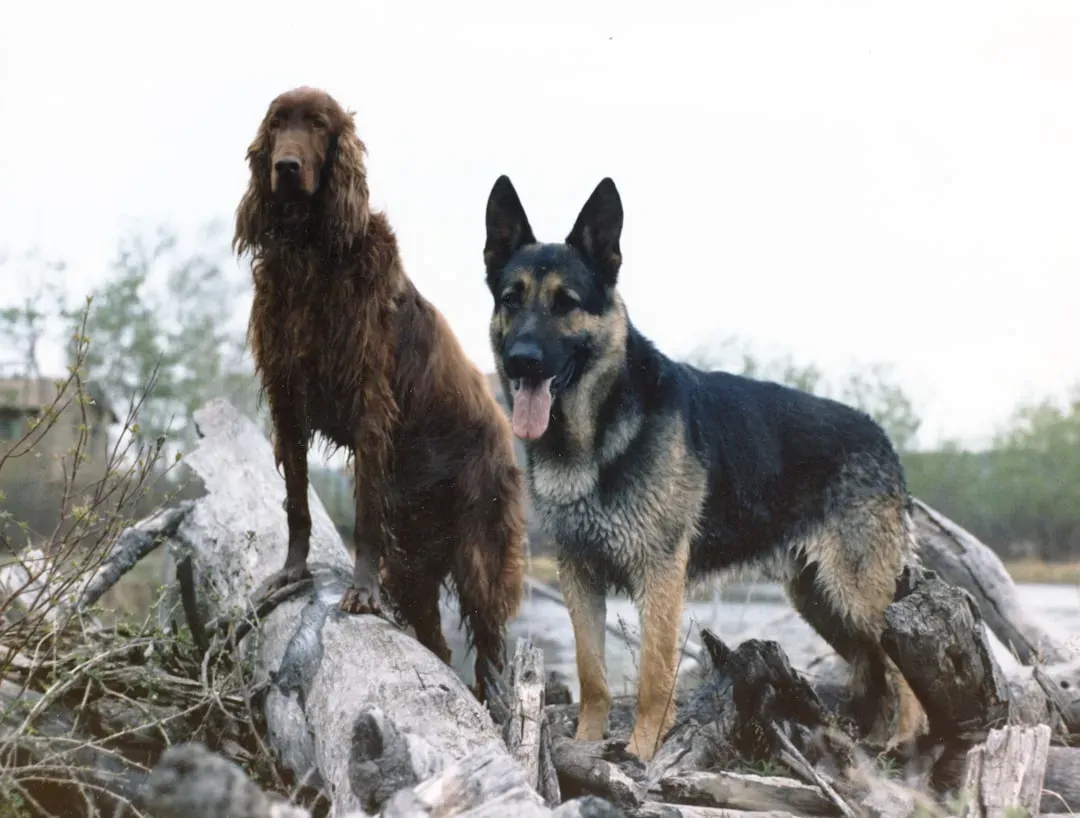
This might seem obvious when you spell it out, but so many people treat all senior dogs like they’re identical. A seven-year-old Great Dane and a twelve-year-old Chihuahua are both technically seniors, but their needs couldn’t be more different.
As dogs age, they tend to play less, although that’s a generality as some dogs will play quite a bit their whole lives. Individual variation is enormous. Some dogs remain remarkably spry well into their teens, while others show significant age-related changes much earlier. Breed, size, genetics, lifetime activity levels, and overall health all play massive roles.
Dr. Bazin recommends tailoring your play style and routine to your individual dog, being aware of your dog’s personality and needs, then adjusting the play you provide based on your dog’s response. Your dog might have arthritis but excellent cognitive function, or they might be physically sound but showing signs of mental decline. These different situations call for completely different approaches to playtime and enrichment.
The best thing you can do is observe your individual dog. What are they still excited about? What makes them uncomfortable? How long before they get tired? Regular vet checkups become even more important in the senior years, as your veterinarian can help you understand your specific dog’s capabilities and limitations. Don’t compare your old boy to someone else’s senior dog. Create a play and activity plan that fits who they are right now, and be willing to adjust it as they continue to age.
Conclusion
Your senior dog’s golden years should be filled with joy, not just rest. Shattering these five myths opens up a world of possibilities for keeping your older companion engaged, healthy, and genuinely happy. The truth is simple: senior dogs still need activity, still want to play, can do so safely with proper adjustments, are absolutely capable of learning, and deserve individualized care that respects their unique needs.
Those slower walks, gentler games, and puzzle toys aren’t just about passing time. They’re about maintaining your dog’s physical health, mental sharpness, and emotional well-being. They’re about showing your faithful friend that their value doesn’t diminish with age.
Every tail wag, every successful hunt for a hidden treat, every new trick mastered is a reminder that life isn’t over just because the muzzle has gone gray. So what are you waiting for? Go grab a puzzle toy or plan a short adventure to somewhere new. Your senior dog is ready for the next chapter, and with the right approach, it can be one of the most rewarding times you’ll share together. What does your senior pup love most these days? I’d love to hear about it in the comments.


