

Think your senior dog is destined to become a couch potato? Think aging means the end of tail wags and playful moments? Here’s the thing: much of what people accept as gospel truth about older dogs and their energy is actually rooted in outdated assumptions and misguided beliefs. I’ve spent years working with dogs of all ages, and I can tell you that senior pups are far more resilient, dynamic, and capable than most people give them credit for.
Let’s be real, watching our beloved companions age can be tough. We see that gray muzzle appearing, notice a slightly slower pace on walks, and immediately assume their golden years mean endless naps and little else. The reality is more nuanced, more hopeful, and honestly, more interesting than that simplistic narrative suggests. So let’s dig into the most persistent myths about senior dogs and their energy levels. Be surprised by what you’ll discover about your aging friend.
Myth 1: Senior Dogs Don’t Need Much Exercise Anymore
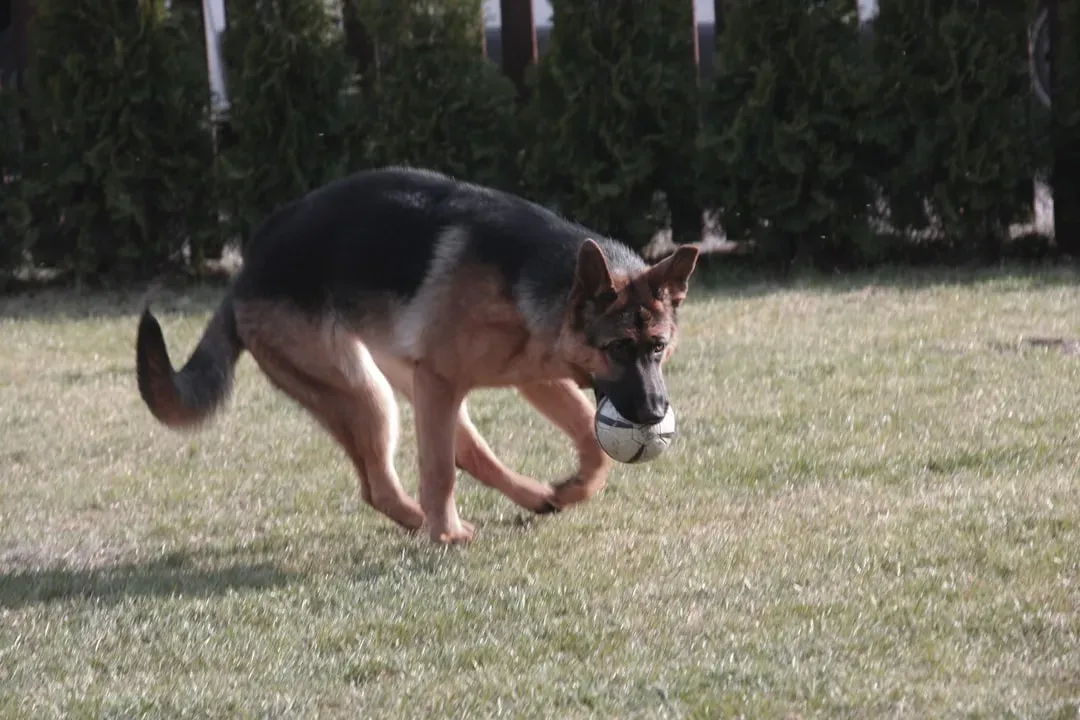
This is probably the most damaging myth out there, and it’s one that well-meaning dog owners repeat constantly. Senior dogs actually still need at least 30 minutes of daily exercise, and in many cases, they benefit from 30 to 60 minutes of activity. The difference isn’t the amount so much as the intensity and type of exercise they require.
Senior dogs absolutely require exercise, and in fact, maintaining an active lifestyle can help decrease the onset of conditions such as arthritis and muscle loss. Without regular movement, their joints stiffen, muscles deteriorate faster, and weight gain becomes inevitable. That sedentary lifestyle you think you’re gifting them? It’s actually accelerating their decline.
What does change is the intensity required to maintain optimal health. Your fourteen-year-old Lab might not be ready for a five-mile trail run, but she absolutely needs those daily walks, gentle games, and movement. Even a 14-year-old dog will still benefit from a walk, though the frequency and duration may need to be adjusted based on health and mobility. Think shorter bursts, softer surfaces, and more frequent breaks.
Myth 2: Lower Energy Equals Lazy or Sick

Let’s clear something up right now. While a senior dog’s energy level is usually dramatically lower than their adult counterparts, and their tolerance for playtime is less, they may also sleep longer hours. This is completely normal aging, not necessarily illness.
The confusion happens because people can’t distinguish between natural aging and genuine health problems. Lethargy, meaning significant energy and activity drops, can indicate various health concerns, but moderate slowing down is expected. Your ten-year-old Beagle isn’t broken because he’d rather snooze than chase squirrels for hours.
Here’s where observation becomes critical. Natural aging means your dog still engages with life, just more selectively. They’re interested in dinner, happy to see you, responsive to walks. Yes, senior dogs tend to rest more, but excessive sleeping or lethargy may indicate an underlying issue and should be discussed with your vet. If your dog suddenly won’t get up, shows zero interest in anything, or seems disconnected, that’s your cue to call the vet immediately.
Myth 3: All Senior Dogs Slow Down at the Same Rate

If you’re expecting your Border Collie to age exactly like your neighbor’s Pug, prepare for disappointment. A dog is considered a senior based primarily on their size, with small dogs usually becoming seniors around 10 to 12 years old, while large and giant breeds may be seniors as early as 6 to 8 years old. Size dramatically impacts aging speed.
Senior dogs have diverse nutritional needs that vary based on breed, size, health status, and activity level, and there is no one-size-fits-all approach. The same principle applies to energy levels. A twelve-year-old Jack Russell Terrier might still have more pep than a six-year-old Great Dane entering his senior years.
Previous lifestyle matters enormously too. Dogs that were once very active may still need more exercise than those who have led a sedentary lifestyle. Your lifelong hiking companion doesn’t suddenly become content lounging around just because they hit a certain birthday. Their bodies and minds crave activity, even if the form needs adjusting. Honestly, it’s fascinating how individual each dog’s aging journey truly is.
Myth 4: You Can’t Do Anything About Declining Energy
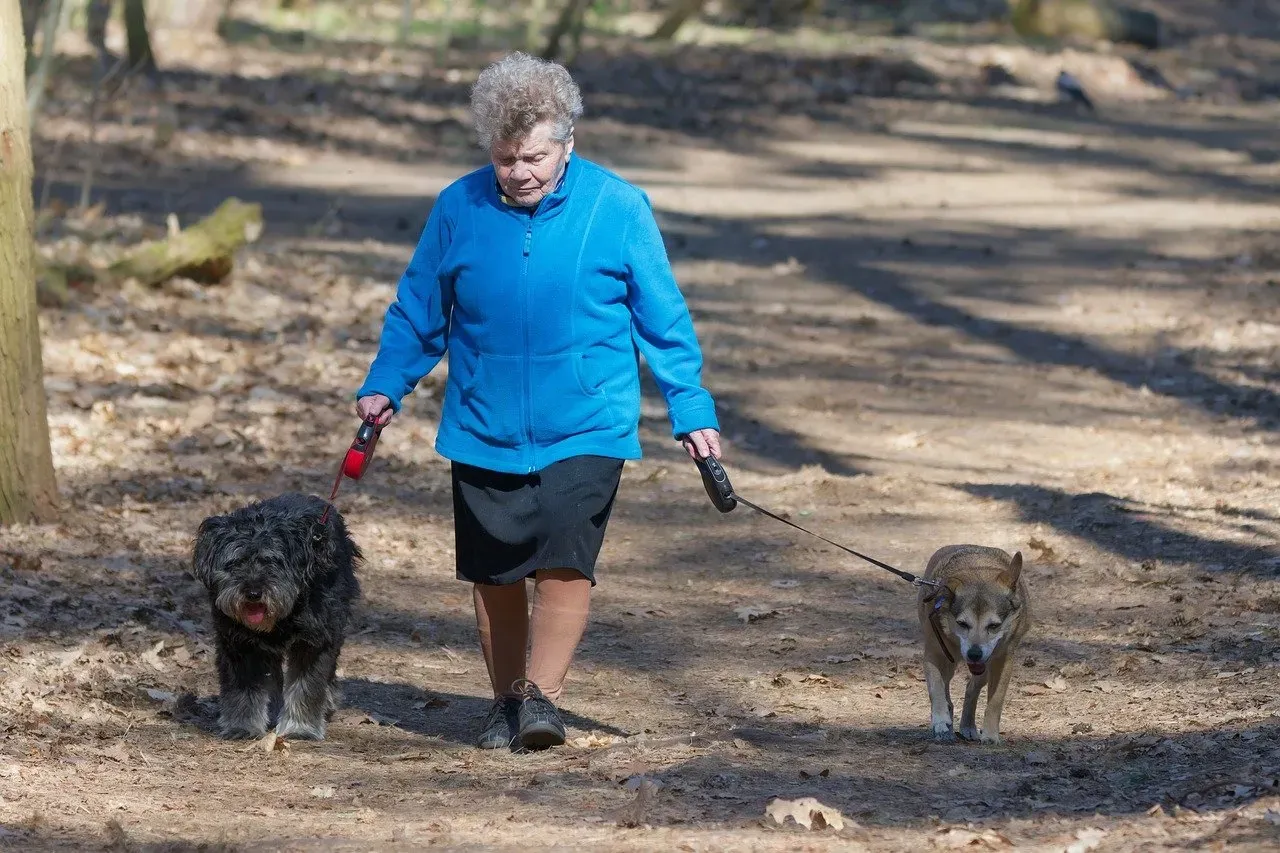
This defeatist attitude drives me absolutely crazy. Age alone isn’t a reason to stop exercising, and in fact, keeping your senior dog moving can be key to happier, healthier golden years. There’s so much within your control.
Exercise helps keep their minds occupied, their weight healthy, and their bodies strong, in addition to proper nutrition. Swimming offers low-impact conditioning. Puzzle toys provide mental stimulation without physical strain. Obedience and recall training aren’t only for younger pets, they can help keep your senior dog moving, stimulate their mind, and keep their sight and smell senses active using positive reinforcement methods.
Sometimes dogs ignore pain and want to keep playing beyond what’s safe for them. Some dogs tend to ignore pain and opt to play instead of rest, which can lead to permanent injury, such as irreversible joint damage. That’s where you step in as their advocate. Modify activities, choose softer walking surfaces, break exercise into shorter sessions. Small adjustments yield massive quality-of-life improvements.
Myth 5: Lethargy in Senior Dogs Is Always Normal Aging
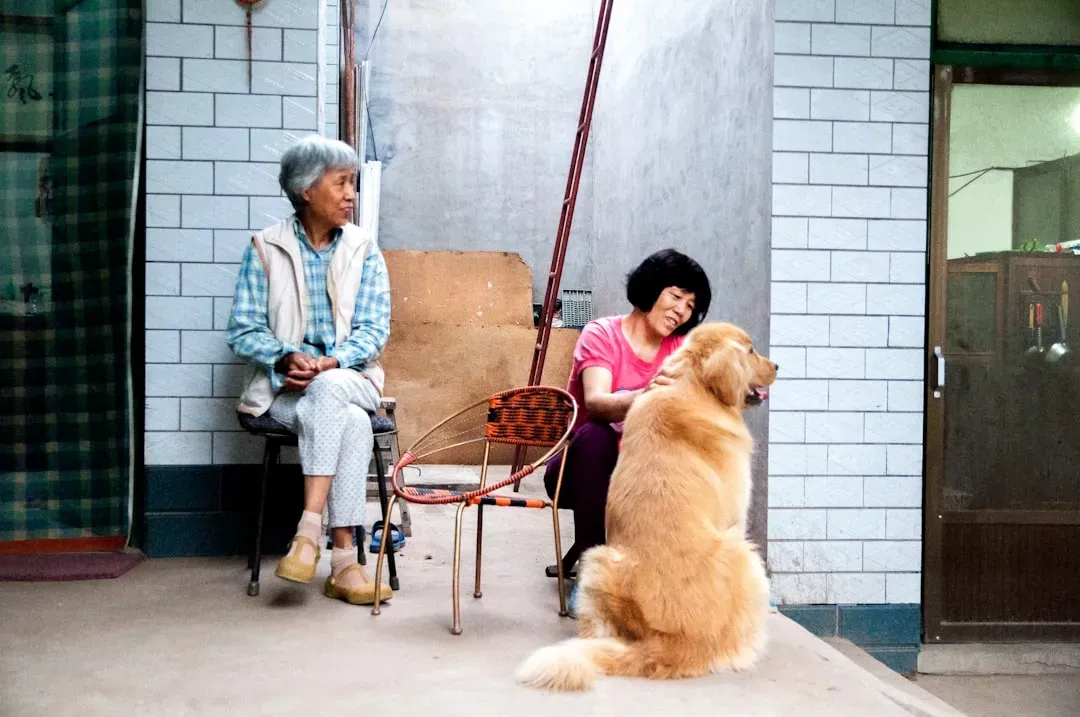
Here’s where things get tricky, and where potentially dangerous assumptions happen. Some behavioral changes like becoming more lethargic are a common part of the aging process, but that doesn’t mean every drop in energy should be dismissed as inevitable.
Subtle shifts in behavior, appetite, or mobility are often the first signs of underlying disease. Arthritis, hypothyroidism, kidney disease, heart problems, cognitive dysfunction – all of these present with reduced energy. It’s important to have a veterinary consultation for any behavior change to rule out medical problems, rather than assuming it’s just old age.
The key is knowing your dog’s baseline. Gradual slowing over months or years is one thing. A sudden nosedive in energy over days or weeks demands immediate veterinary attention. Monitoring your senior dog closely for signs and symptoms of health issues is crucial. Weight loss, appetite changes, drinking more water, house accidents alongside lethargy – these combinations point toward medical issues, not simple aging. I know it sounds crazy, but being slightly paranoid about changes actually serves your senior dog’s best interests.
Conclusion
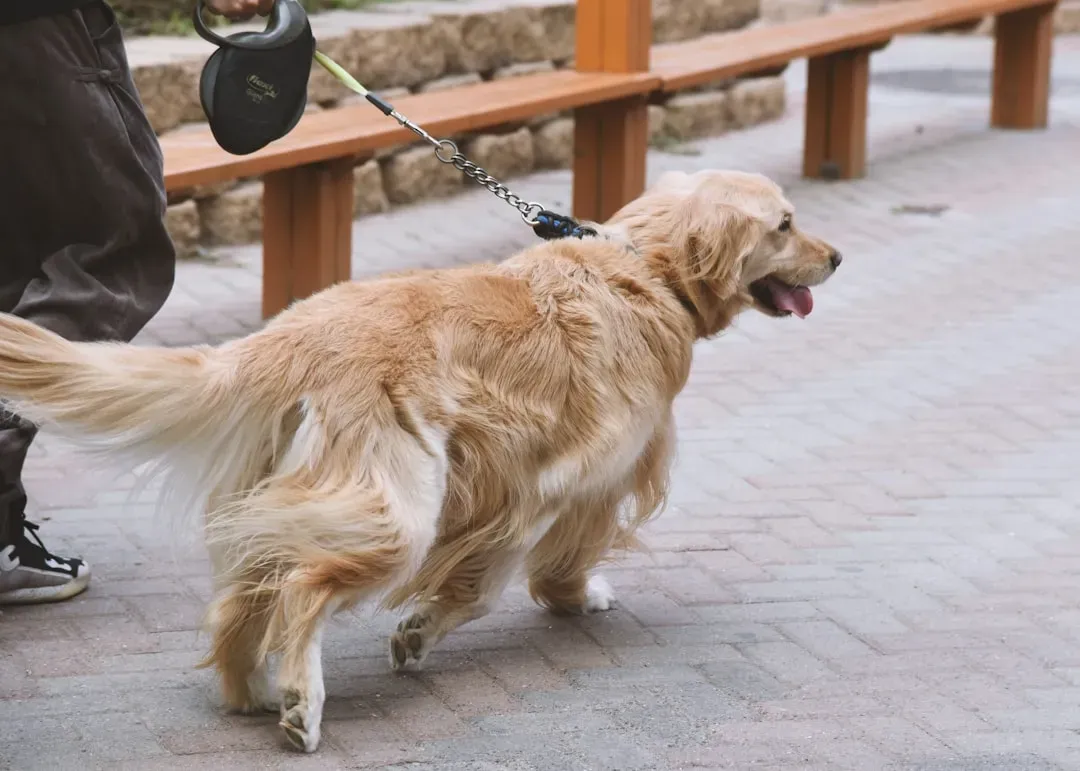
Your senior dog’s golden years don’t have to mean a dramatic loss of joy, engagement, or vitality. Yes, things change. Energy levels shift, exercise needs modification, and closer monitoring becomes essential. Those are facts, not failures.
The myths we’ve explored today do real harm when believed. They lead to under-exercised dogs, missed medical diagnoses, and shortened lifespans. Just like other adult dogs, seniors still require physical activity and mental stimulation to remain happy and healthy, and regular exercise helps limit the risk of obesity and maintain a healthy weight. Your older companion deserves movement, engagement, mental challenges, and proper veterinary care.
What’s your senior dog’s favorite activity these days? Have you noticed changes you weren’t expecting? The more we share real experiences and reject outdated myths, the better we can support our aging friends through their most precious years. They’ve given us everything – let’s make sure we’re giving them the understanding, activity, and care they truly need.


