
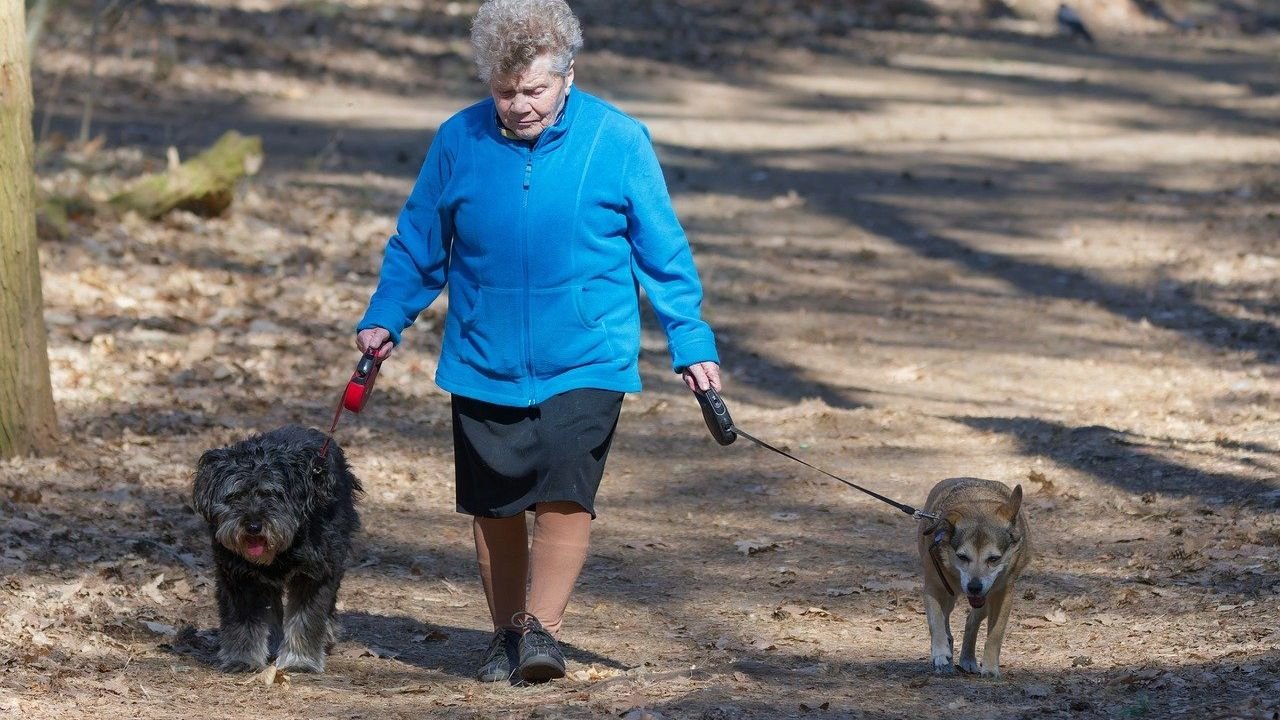
You know that moment when you look at your dog and realize their muzzle has gone a little grey? Maybe they’re sleeping more, or that old spark in their eyes has softened just a touch. It’s a bittersweet ache, isn’t it? Here’s the thing, though: getting older doesn’t mean your loyal companion is ready to be put out to pasture. There’s this whole world of misinformation floating around about senior dogs that can actually rob them of joy, proper care, and the dignity they’ve earned through years of devotion. Let’s be real – our senior dogs have given us everything. They deserve better than outdated myths steering us wrong.
Some of these misconceptions are so deeply rooted they’ve become second nature, passed down like old wives’ tales. Time to change that. We’re diving into five stubborn myths that need to be left in the dust, because your grey-muzzled friend has plenty of life left to live, and you’re going to want to be their champion through every moment.
Myth 1: Senior Dogs Don’t Need Exercise Anymore
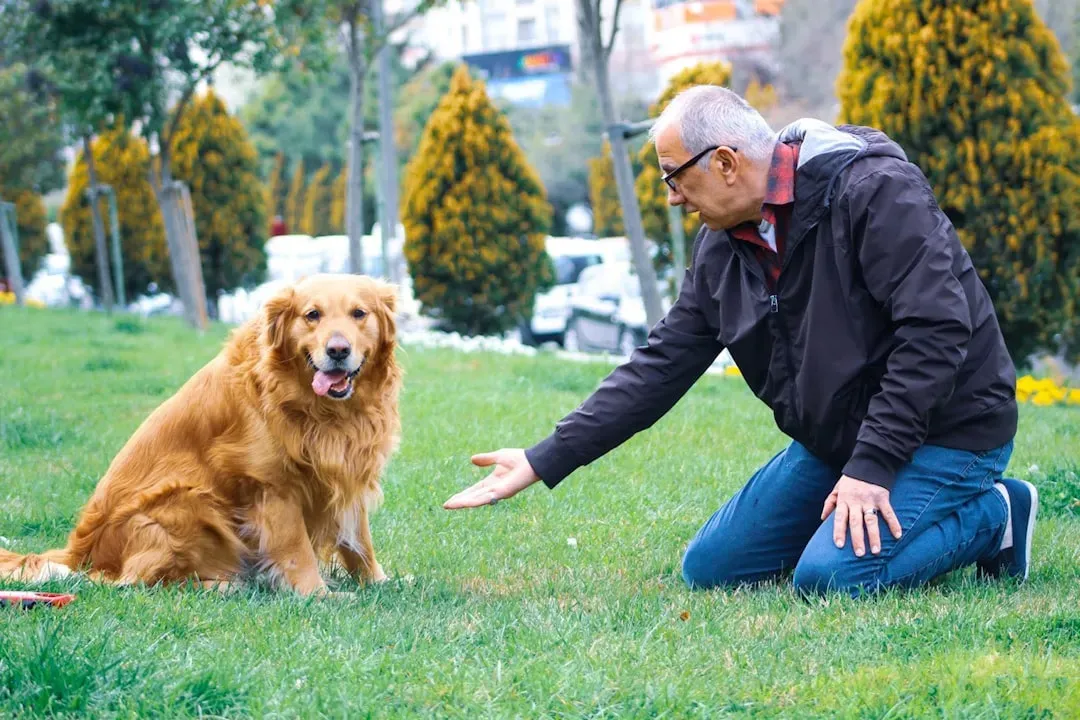
This one drives me up the wall. I get it – your older dog might not bounce off walls like they did at two years old. They nap more often, and a five-mile hike might not be on the agenda anymore.
That doesn’t mean exercise becomes optional. When pets get older, they tend to slow down and become less active, which is natural, but it’s important to make sure they still get age-appropriate exercise that can help minimize loss of muscle and strength, decrease weight gain and obesity, and help with joint pain and stiffness. Think shorter walks, gentle swimming sessions, or even light play in the yard. These activities keep joints flexible, muscles engaged, and minds sharp. Older dogs benefit from daily walks and light play, which keep joints flexible and maintain a healthy weight.
The key word here is “appropriate.” You’re not training for a marathon together anymore, but consistency matters more than intensity. The amount of exercise your pet needs depends on how active your pet has been recently and what health issues they may have, and if your pet has not been very active, start out slowly with short walks and increase them as your pet gets used to them, with consistency being the most important thing. Watch for signs like excessive panting or reluctance to move, and adjust accordingly. Your senior deserves movement that feels good, not punishing.
Myth 2: You Can’t Teach an Old Dog New Tricks
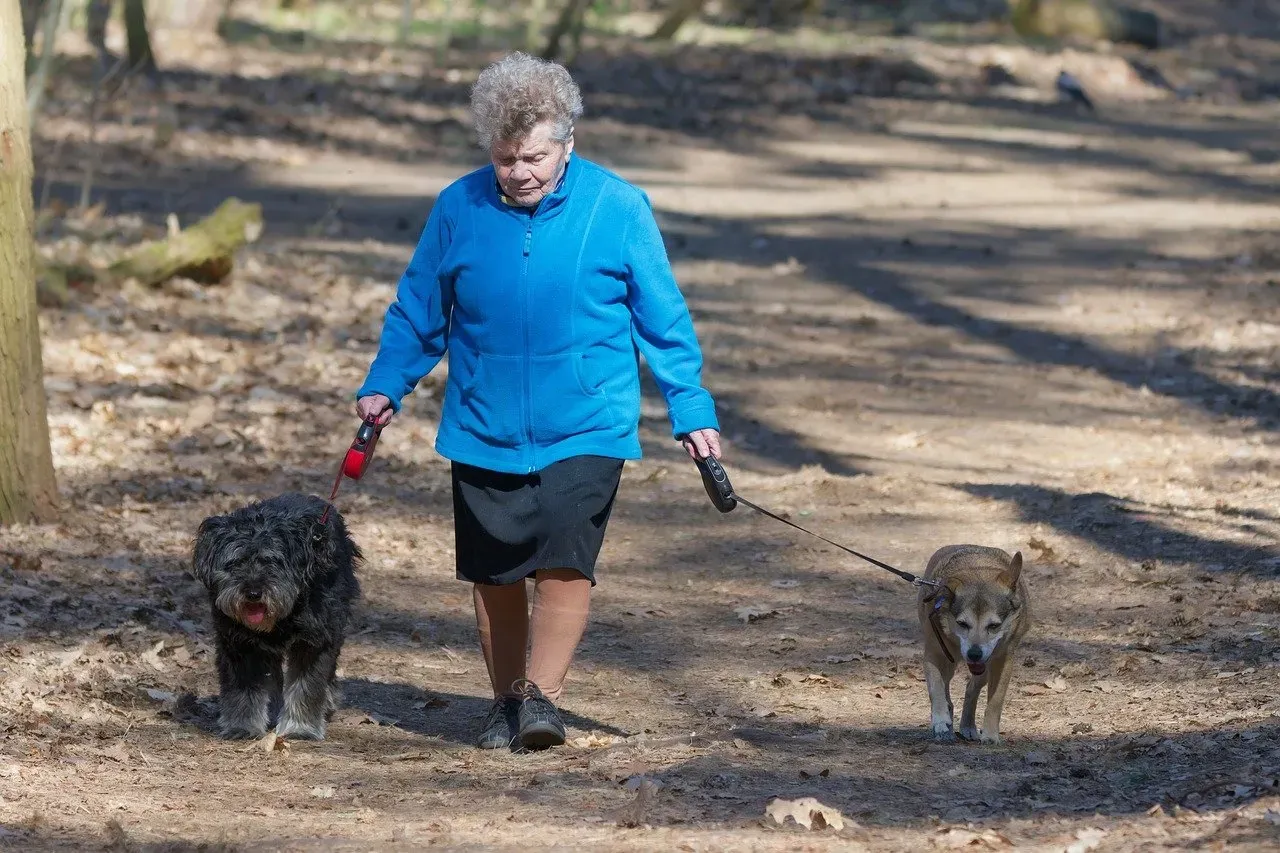
Honestly, whoever came up with this phrase did dogs everywhere a massive disservice. The old adage that you can’t teach an old dog new tricks is not true at all, as more mature pets may be even more willing to learn new tricks with more patience and focus. Think about it: puppies are adorable chaos machines, easily distracted by every leaf, shadow, and passing butterfly. Senior dogs? They’ve settled into themselves.
Adult dogs are often easier to train than their younger canine friends specifically because they aren’t as active, as older dogs aren’t as easily distracted as pups and can focus for longer periods of time, which helps them learn new routines more easily. Sure, they might take a bit longer to absorb new information. A study at the University of Vienna’s Clever Dog Lab found that dogs around 10 years of age took more than twice as many repetitions and corrections than puppies 6 months to 1 year old. Yet the same study revealed something remarkable: older dogs outperformed young pups in logic and reasoning tasks, suggesting that older dogs stubbornly refuse to unlearn what they already know, with no age difference found in dogs’ ability to retain their training.
Keep training sessions short, positive, and fun. Use high-value treats or their favorite toys as motivation. Tricks provide mental stimulation for older dogs who may be suffering from dementia, as keeping the brain active is always a good thing. Whether it’s mastering a new cue or just reinforcing old ones, your senior can absolutely keep learning.
Myth 3: Senior Dogs Are Always Sick and Need Constant Vet Care

Let’s clear something up: aging isn’t a disease. It’s important to remember that age is not a disease, and although senior pets may develop age-related problems, you can help your pet live a happy, healthy, and active life in their senior years by providing for their physical, mental, and health care needs. Yes, older dogs are more prone to certain conditions like arthritis, kidney issues, or dental disease. That’s just reality. Does that mean they’re destined for a life of misery and endless vet visits? Absolutely not.
The truth is, scheduling bi-annual veterinary check-ups for senior dogs helps catch potential issues early, as many conditions are manageable when detected in their initial stages, with proactive senior care significantly extending quality of life for older dogs. Twice-yearly wellness exams become more important, not because your dog is falling apart, but because early detection makes all the difference. Senior pets – dogs older than 7 years – should be examined by their veterinarian every six months, including visibly healthy pets.
Look, I’ve seen plenty of senior dogs living vibrant, joyful lives well into their teens. Proper nutrition, regular exercise, mental stimulation, and yes, consistent vet care create a foundation for thriving, not just surviving. Don’t write off your senior as a medical disaster waiting to happen. They’re tougher than you think.
Myth 4: Senior Dogs Should Eat Less Protein

This myth gets passed around like gospel, and it needs to stop. People assume older dogs need less protein to protect their kidneys or because their metabolism has slowed. Reducing dietary protein isn’t beneficial or necessary for apparently healthy older dogs, as adequate protein is needed to help maintain lean body mass, make important proteins like enzymes and hormones, and support immune function, with lower protein diets for senior dogs potentially having a negative effect by contributing to muscle loss.
Contrary to popular belief, healthy senior dogs tend to need higher protein levels to maintain muscle mass and support overall health. As dogs age, they naturally lose muscle mass. Cutting back on quality protein accelerates that decline, leaving them weaker and more vulnerable. What matters is the quality and digestibility of the protein, not slashing the amount.
Now, metabolism does slow down for many aging dogs. Metabolism naturally slows for many aging dogs, which reduces their energy requirements for resting and maintenance, with veterinary nutritionists estimating an 18 percent to 24 percent decline in maintenance energy requirements for older dogs compared to younger ones. That means they might need fewer calories overall, but not less protein. Talk to your vet about the right balance for your individual dog. Some seniors even need higher-calorie, nutrient-dense food if they’re losing weight or have a reduced appetite.
Myth 5: Senior Dogs End Up in Shelters Because They’re Problem Dogs

This one breaks my heart every time. Walk into any shelter and you’ll see older dogs waiting quietly in kennels, often overlooked because people assume there’s something “wrong” with them. Most senior dogs end up in shelters due to their owners’ life changes, not because of behavioral issues, yet people often assume that if a dog is in a shelter, especially an older one, there must be something wrong with them.
Life happens. Owners move, get sick, pass away, or face financial hardship. Divorce happens. Job loss happens. None of this reflects on the dog’s character or behavior. Senior dogs in shelters are often already house-trained, calmer, and less destructive than puppies. They know how to walk on a leash, they understand basic commands, and they’re desperate for a second chance at love.
Adopting a senior dog is one of the most rewarding experiences you can have. They come with their personalities fully formed. There’s no guessing about size or temperament. They’re grateful in a way that’s almost tangible. When adopting a senior dog, ask shelter staff about the dog’s history and previous living situation to better understand their background and needs. Give them that chance. They’ve already lost so much.
Conclusion

Senior dogs aren’t broken. They’re not less valuable, less trainable, or less deserving of your time and energy. They’re simply in a different season of life, one that comes with adjustments but also profound rewards. When you look past these myths, you see the truth: older dogs still have so much to give. They’ve earned their gray muzzles through years of loyalty, and they deserve our best care, not our outdated assumptions.
Your senior dog has walked beside you through so much. Now it’s your turn to walk beside them, armed with facts instead of fiction. What’s one thing you’ll change today to give your older companion the golden years they truly deserve?


