
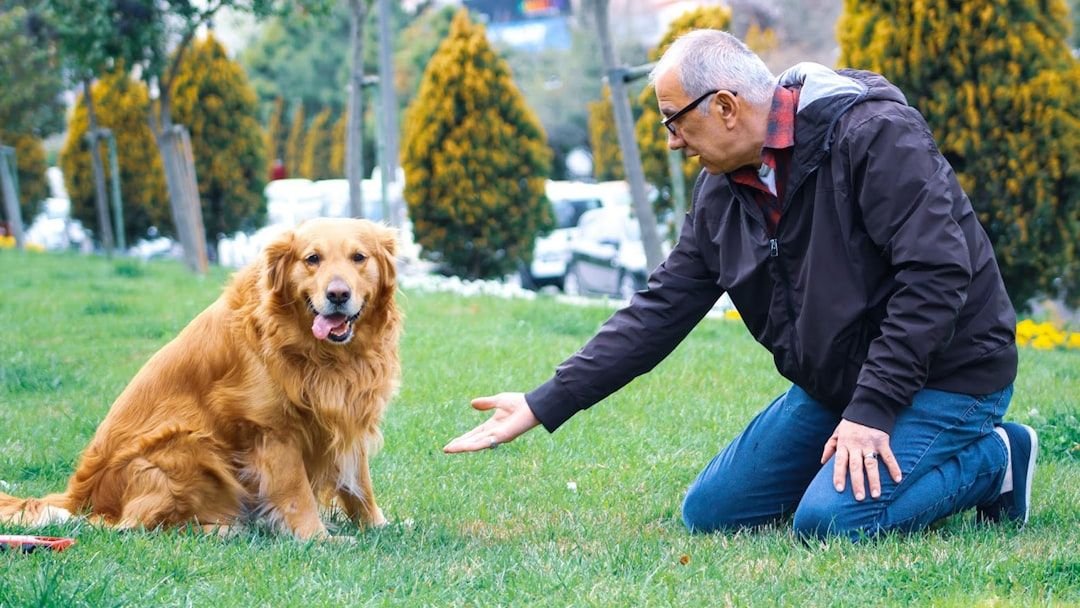
You love your dog fiercely. You’ve watched the training videos, maybe bought the books, and possibly even taken advice from that one neighbor who swears by the “firm hand” approach. Yet something still feels off. Your dog pulls on the leash, ignores the “sit” command when it counts, or destroys a cushion the moment you leave the room. Sound familiar?
Here’s the thing: it might not be your dog’s fault at all. It might be the myths you’ve been unknowingly following. Outdated ideas about dog training have been quietly sabotaging owners for decades, and honestly, it’s time to clear the air. Let’s dive in.
Myth #1: You Need to Be the “Alpha” to Control Your Dog

This is probably the most stubborn myth in the entire dog world, and I say that with full conviction. The myth of being the “alpha” is one of the most popular and arguably the most damaging myths to dog welfare, and it originated from an old theory devised from studying captive wolves in the 1930s and 1940s. The problem? Those wolves were unrelated and living in unnatural, stressful conditions. Wild wolves don’t behave that way at all.
Dogs are not wolves. They are domesticated animals who have been evolving alongside humans for at least 15,000 years, and even if they were wolves, natural wolf behavior doesn’t support the dominance narrative anyway. So when your dog jumps on you or steals your sock, they are not staging a coup. They’re just being a dog.
The training myth that dogs need to be dominated or subjected to harsh, authoritative training tactics is outdated and potentially harmful. Many still believe in the “alpha” approach, but this method can lead to fear, anxiety, and aggression, undermining the trust between you and your dog. Think about it this way: would you trust a boss who ruled through fear? Neither does your dog.
A good canine trainer focuses on building trust, communication, and a strong relationship to naturally encourage obedience. That’s the real secret. Connection, not control.
Myth #2: Using Treats Is Just Bribery and Creates a Dependent Dog

Let’s be real. How many times have you heard someone say, “If you use treats, your dog will only listen when you have food”? It’s one of those myths that sounds logical on the surface. The myth of using food being equal to bribery is a very common one, and it’s often promoted by trainers that rely on force and intimidation rather than behavioral science.
Dogs learn through association, so if they learn a certain behavior results in something pleasant, they will want to repeat it. Qualified dog trainers utilize food, toys, praise, and play to reward specific behaviors to increase the likelihood of a behavior being repeated. That’s not bribery. That’s literally how learning works for every species on earth, including us.
Desirable treats increase the level of dopamine in your dog’s brain, thereby changing their emotional state. This creates a positive association and motivates them to stay engaged. Dopamine also helps to regulate memory, cognition, attention, and behavior, making food training the most effective, kind, and fun way to train your dog. Science is pretty clear on this one.
Food is not the only way to positively reinforce your dog. Positive reinforcement could be anything the animal finds motivating: a favorite toy, a game of tug, chasing a ball, or a treat. The trick is letting the animal decide what’s rewarding for them. Every dog is different, and honestly, figuring out what makes your specific dog light up is half the fun.
Myth #3: You Can’t Teach an Old Dog New Tricks
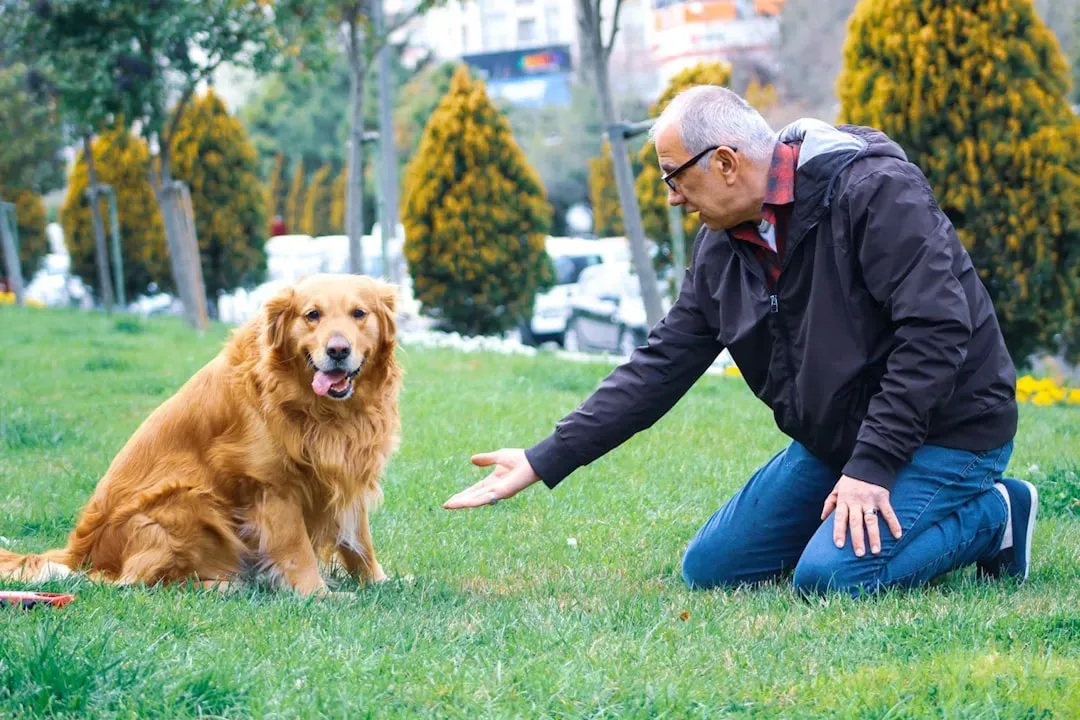
If I had a treat for every time I’ve heard this one, I could open a pet store. This myth is not only wrong, it’s actually harmful because it stops people from ever trying. It is often said that older dogs are too set in their ways to learn new behaviors, but this simply isn’t true. Age is just a number when it comes to teaching dogs, and older dogs can still learn; it might just take a bit more patience and time.
A groundbreaking 2018 study in Applied Animal Behaviour Science proved senior dogs learn just as effectively as younger ones, though sometimes slower. Their lifetime of experience can actually make them better problem-solvers. That’s honestly kind of beautiful when you think about it.
Training an older dog also strengthens your bond with them and can even improve their quality of life. For example, teaching an older dog basic commands like “sit” or “stay” can enhance their safety and allow for better communication between you and your pet. A simple “stay” command could literally save your senior dog’s life near traffic.
Keep in mind that training an older dog requires patience, brief playing sessions, and sessions that focus more on physical as well as mental fitness. Shorter sessions, higher-value rewards, and a whole lot of patience. That’s all it takes to give an older dog a brand new chapter.
Myth #4: Punishment Is the Fastest Way to Stop Bad Behavior

Okay, this one genuinely concerns me as someone who cares deeply about dog welfare. The idea that punishing a dog quickly “fixes” unwanted behavior is not just a myth. It can be genuinely damaging. When you punish your dog, they will often become nervous or stressed, which will damage your bond with them. Punishment doesn’t help your dog understand how you want them to behave, and this can even mean that your dog’s behavior becomes worse.
The trainer frightens the dog to the point where they stop reacting normally, meaning they have learned that their responses are futile (known as “learned helplessness”). The dog may also associate the owner with the scary technique being used and become afraid of them. Over time, they can actually start reacting more to things or even become aggressive because they’re frightened and don’t know what else to do.
Imagine being shouted at for a mistake you didn’t realize you made, with no explanation of what you should have done differently. That’s genuinely disorienting. Punishment often suppresses behavior without teaching alternatives, and it can create fear or anxiety. You don’t get a well-trained dog. You get a scared, confused one.
Both science and professional experience overwhelmingly support reward-based training. Dogs trained through positive reinforcement learn faster, tend to show fewer stress behaviors, and form more trusting relationships with their handlers. That’s the kind of relationship every dog deserves.
Myth #5: Training Is Only for Dogs With Behavior Problems

Here’s a perspective shift that might surprise you. There’s a common misconception that only dogs with behavioral issues need training. While it’s true that dogs exhibiting behavioral challenges like barking, jumping, or aggression benefit greatly from training, all dogs can benefit from learning. Training isn’t just for fixing problems; it’s for enhancing the relationship between you and your pet and building better communication.
Training can improve general obedience, prevent undesirable behaviors from developing, and provide your dog with much-needed mental stimulation. Even if your dog isn’t exhibiting any behavioral issues, training helps reinforce commands and can improve everyday interactions. Think of it less like a repair shop and more like a gym membership for their brain.
A focus on rewards not only influences dog behavior but teaches dogs to love training. Positive reinforcement is all about earning the good stuff. Without fear of doing the wrong thing, your dog can become an active participant in the training process. They’ll start trying new things, get plenty of mental exercise, and actively look for ways to earn rewards. That sounds like a happy, engaged dog to me.
Training can actually take less time than you think, especially if you focus on short, consistent training sessions. Dogs learn best with brief, positive training sessions of around 5 to 10 minutes repeated throughout the day. The key is consistency: short, frequent practice sessions are much more effective than long, sporadic ones. Five minutes a day. That’s genuinely all you need to start.
Conclusion: Your Dog Is Not the Problem

The most important thing I want you to take away from this is simple. Your dog is not being defiant, dominant, or deliberately difficult. Your dog isn’t trying to be the boss. They’re trying to make sense of a human world full of rules that they don’t yet understand. Focus less on control and more on communication, and you get the relationship with your dog that you really want.
Effective dog training isn’t about domination; it’s about clear communication and mutual understanding. By dismissing outdated myths and embracing science-based methods, you’ll not only have a better-behaved dog but a deeper, more meaningful relationship. That’s the whole point, isn’t it?
Every myth you let go of is a door that opens between you and your dog. So the next time someone tells you to “show your dog who’s boss,” smile, grab a treat, and show them something far more powerful: trust. What myth about dog training have you believed the longest? We’d love to hear your story in the comments!


