
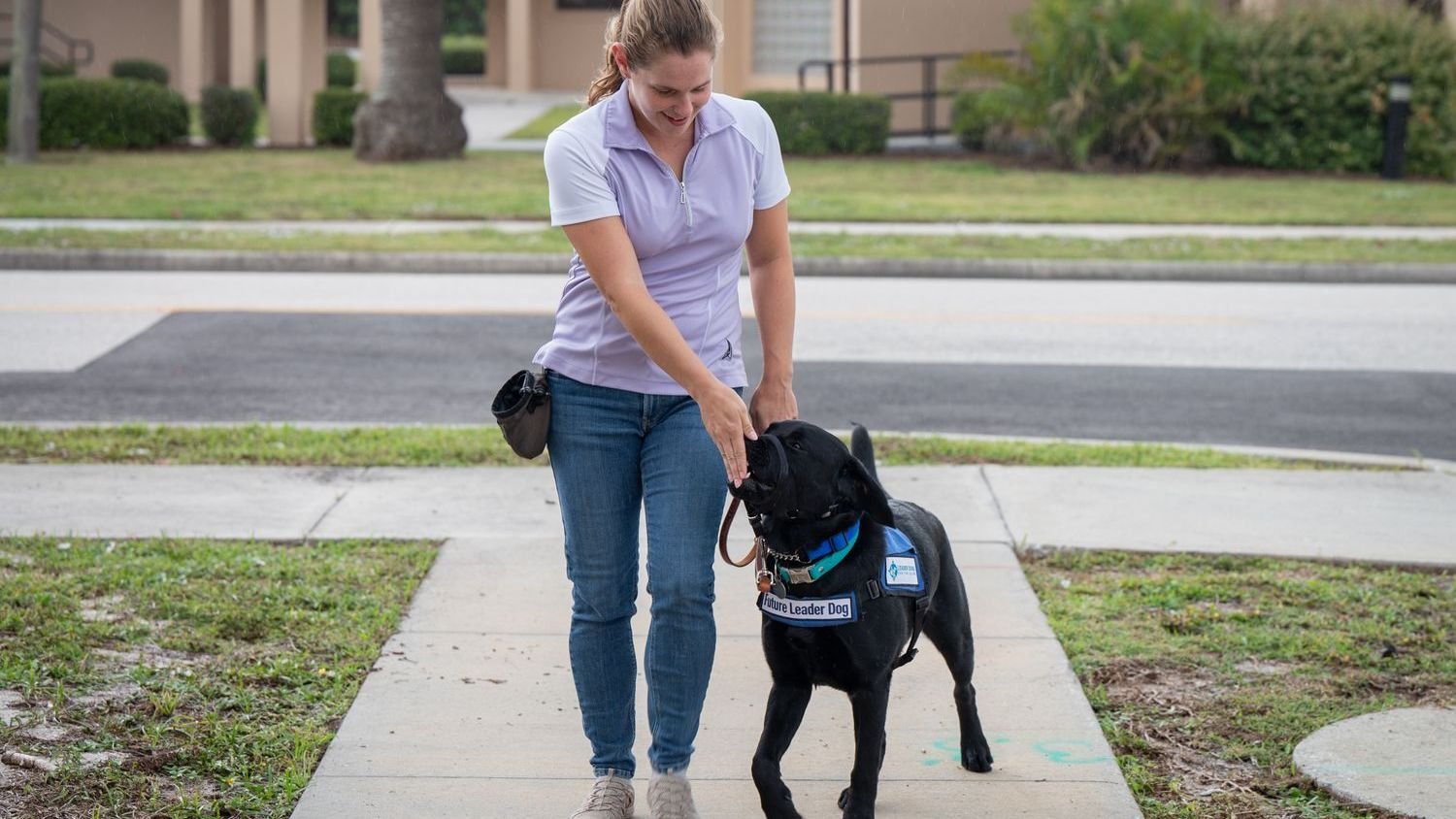
Picture this: your seven-year-old Labrador has started ignoring your commands, chewing things he shouldn’t, or simply seems less sharp than he used to be. Your first instinct might be to shrug and say, “Well, he’s old. Nothing I can do now.” Sound familiar? Honestly, you wouldn’t be alone in thinking that way. Most dog owners have been told – directly or indirectly – that a certain age marks the end of a dog’s learning window. It’s one of the most stubborn myths in pet ownership.
The truth, however, is wildly different from that tired story. Science, experienced trainers, and thousands of dog owners around the world are proving every single day that older dogs are not just willing to learn – they’re often remarkable at it. So if you have a senior pup and you’ve been holding back, this article is your invitation to think again. What follows might genuinely surprise you. Let’s dive in.
Myth #1: “You Can’t Teach an Old Dog New Tricks” – Science Says Otherwise
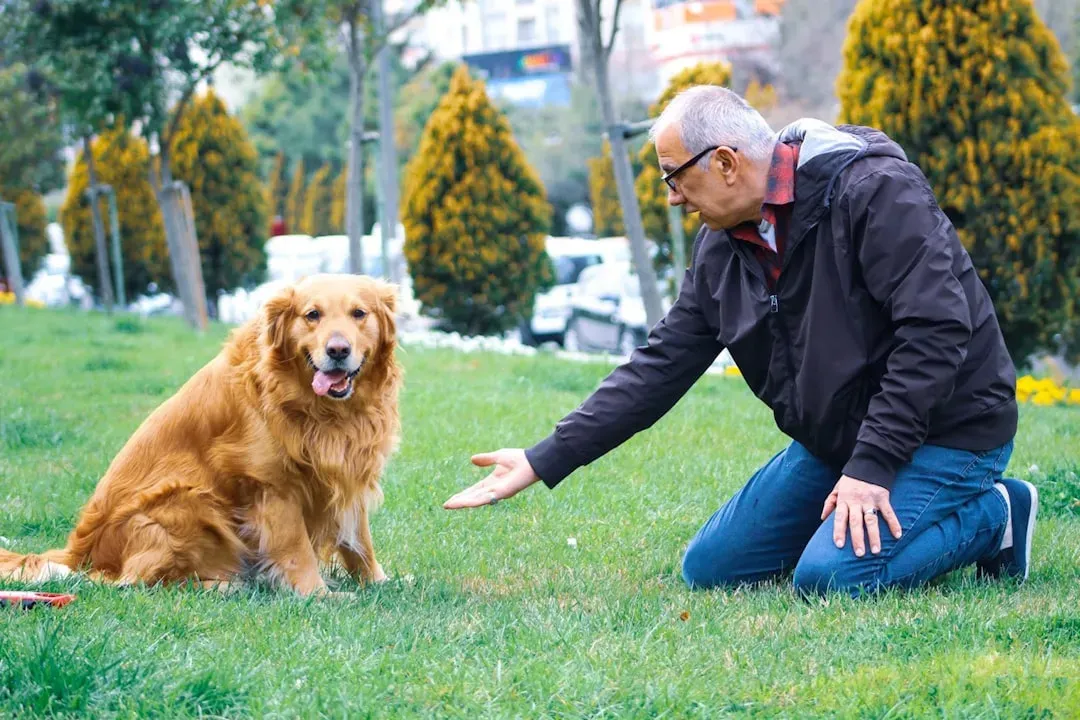
Let’s start with the most famous myth of all, because it really does deserve to be demolished once and for all. The old adage “you can’t teach an old dog new tricks” couldn’t be further from the truth. Senior dogs are not only capable of learning new commands and behaviors, but often excel at training. Let that sink in for a moment.
Aging does affect the cognitive abilities of dogs, as research shows. Scientists studied dogs of different ages and discovered that, although all dogs were capable of learning, older dogs learned more slowly than younger ones. Crucially though, no age-related differences were found regarding long-term memory. In other words, your older dog might need more repetitions, but once it sticks, it really sticks.
Here’s a fascinating twist: when it comes to logical reasoning, senior dogs might just have the upper paw. Research found that older dogs actually performed better in tasks requiring inference by exclusion – they were skilled at choosing the correct option by eliminating the wrong ones. I think that’s genuinely jaw-dropping. It’s a bit like your wise older dog outthinking the overexcited puppy next door.
Scientific research confirms that dogs can learn at any age, thanks to their brain’s continued plasticity. While the learning process might be different from puppies, older dogs often show excellent capacity for acquiring new skills. So the next time someone throws that tired phrase at you, you’ll have the science to back you up.
Myth #2: Training Is Only for Young Dogs – Senior Dogs Don’t Need It
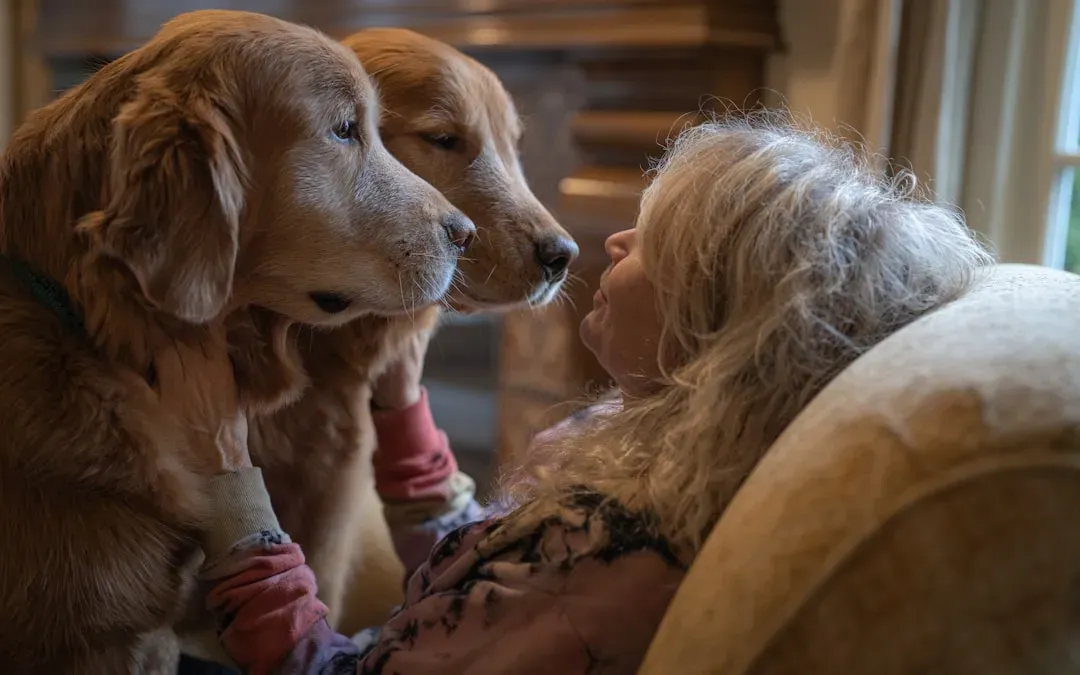
Here’s the thing – this myth doesn’t just underestimate your dog’s abilities. It actually puts their health and happiness at risk. Training is often associated with puppies, but older dogs can learn too. In fact, keeping a senior dog mentally active and physically engaged is one of the best things you can do for their health and happiness.
Experts encourage dog owners never to think of their senior dogs as retired. It’s best to keep working with them as they age because there are so many advantages. Training older dogs helps keep them in good physical shape, at a healthy weight, and mentally and socially engaged through training and outings. Think of it less like boot camp and more like an enriching hobby you both share.
Training can be highly beneficial for older dogs as it provides mental stimulation and can improve their quality of life. Cognitive decline is a concern for aging dogs, much like it is for humans, and training can help keep their minds sharp. For older dogs, training can also be an excellent way to strengthen the bond with their owners, offering both parties a chance to engage and interact positively.
Retraining isn’t just about manners – it’s about keeping your dog mentally engaged, reducing anxiety, and improving daily comfort as they age. Short, targeted training exercises give your dog puzzles to solve and keep their brain active. Activities like scent games, simple problem-solving tasks, and gentle obedience work can help maintain cognitive function and slow decline. A dog who keeps learning is a dog who keeps thriving. Full stop.
Myth #3: Older Dogs Are Too Stubborn or Set in Their Ways to Change
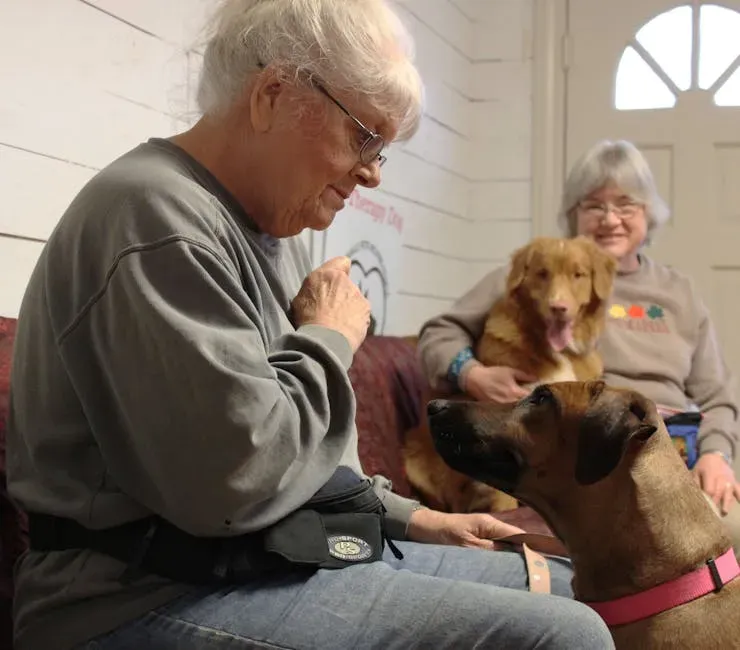
You’ve probably seen it yourself. Your older dog gives you that look – the slow blink, the slight head tilt, the barely concealed “I don’t think so” energy. And you think, “He’s just stubborn.” But is he, really?
Contrary to popular belief, older dogs typically have intact cognitive function and adaptability. They are capable of learning new things and adjusting to new situations. While it may take slightly longer for an older dog to pick up a new skill compared to a younger dog, their cognitive abilities are still intact, allowing them to learn and retain information. Slow does not mean stopped.
A major benefit of training a senior dog is their experience and maturity. Older dogs have had more time to develop and understand human cues and commands. They have likely already learned desired behaviors and may have a better understanding of what is expected of them. Older dogs also tend to have more patience, which can make the training process smoother and more enjoyable.
Older dogs might take a bit longer to pick up new skills, but with the right motivation and patience, they are absolutely capable of learning new behaviors. In fact, older dogs often have better focus than puppies! So really, “stubborn” might actually be “focused with opinions.” Honestly, I respect that. Meet your dog where he is and work with that personality, not against it.
Myth #4: Behavior Changes in Older Dogs Are Just “Part of Aging” – Nothing Can Be Done
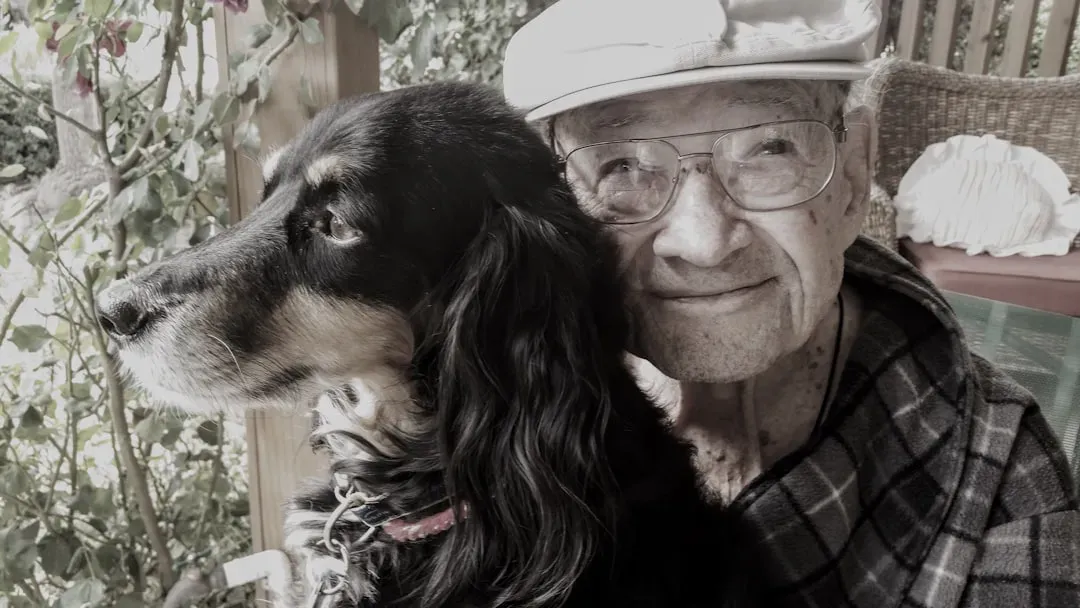
This one is genuinely heartbreaking to hear, because so many owners quietly accept changes in their senior dog’s behavior without realizing that help is very much available. Sudden changes like house-training lapses, new anxieties, or snappiness are not always just “old age.” Sometimes they are urgent signals.
Behavior changes often come from medical issues such as arthritis, dental pain, or urinary problems, cognitive decline, or changes at home like new people, pets, or routines. A vet check is the first step to rule out health problems before changing training strategies. This is so important. Don’t skip the vet visit and jump straight to behavioral solutions.
Vision and hearing can decline with age. A dog that once responded instantly to a verbal command may now need hand signals, or vice versa, depending on which senses are stronger. Some senior dogs experience Canine Cognitive Dysfunction, which is similar to dementia in humans. This may affect memory, learning, and attention span.
To prepare for any potential hearing loss, you could teach your dog hand signals to go along with spoken commands such as “come,” “sit,” and “stay,” to ensure you retain communication with them as their hearing diminishes. Small adaptations like this can make a truly enormous difference. Schedule regular check-ups that include discussions about your dog’s behavioral changes and training progress. Early intervention often prevents minor issues from becoming major behavioral challenges. Prevention is always kinder than correction.
Myth #5: Training Older Dogs Requires Harsh Discipline to Be Effective
This tag does not indicate the copyright status of the attached work. A normal copyright tag is still required. See Commons:Licensing.
العربية ∙ বাংলা ∙
Bahaso Jambi ∙
Deutsch ∙ Deutsch (Sie-Form) ∙ English ∙ español ∙ euskara ∙ فارسی ∙ français ∙ italiano ∙ 日本語 ∙ 한국어 ∙ македонски ∙ മലയാളം ∙ Plattdüütsch ∙ Nederlands ∙ polski ∙ پښتو ∙ português ∙ русский ∙ slovenščina ∙ svenska ∙ Türkçe ∙ українська ∙ 简体中文 ∙ 繁體中文 ∙ +/−, Public domain)
This myth is not just wrong – it is actively harmful. There is still a persistent belief in some circles that older dogs need a firm, dominant hand. That if they don’t respond, the answer is more pressure. More correction. More force. It’s time to bury that idea completely.
This outdated belief promotes physical intimidation or force, but modern dog behavior research debunks the dominance model entirely. Positive reinforcement training, built on trust, respect, and rewards, is far more effective. This is not opinion anymore – this is the scientific and professional consensus.
Senior dogs have earned the right to be treated with kindness and respect. Harsh corrections or punishment-based methods aren’t just ineffective – they’re downright harmful to an aging dog’s confidence and well-being. Positive reinforcement techniques work exceptionally well with older dogs because they build on established trust.
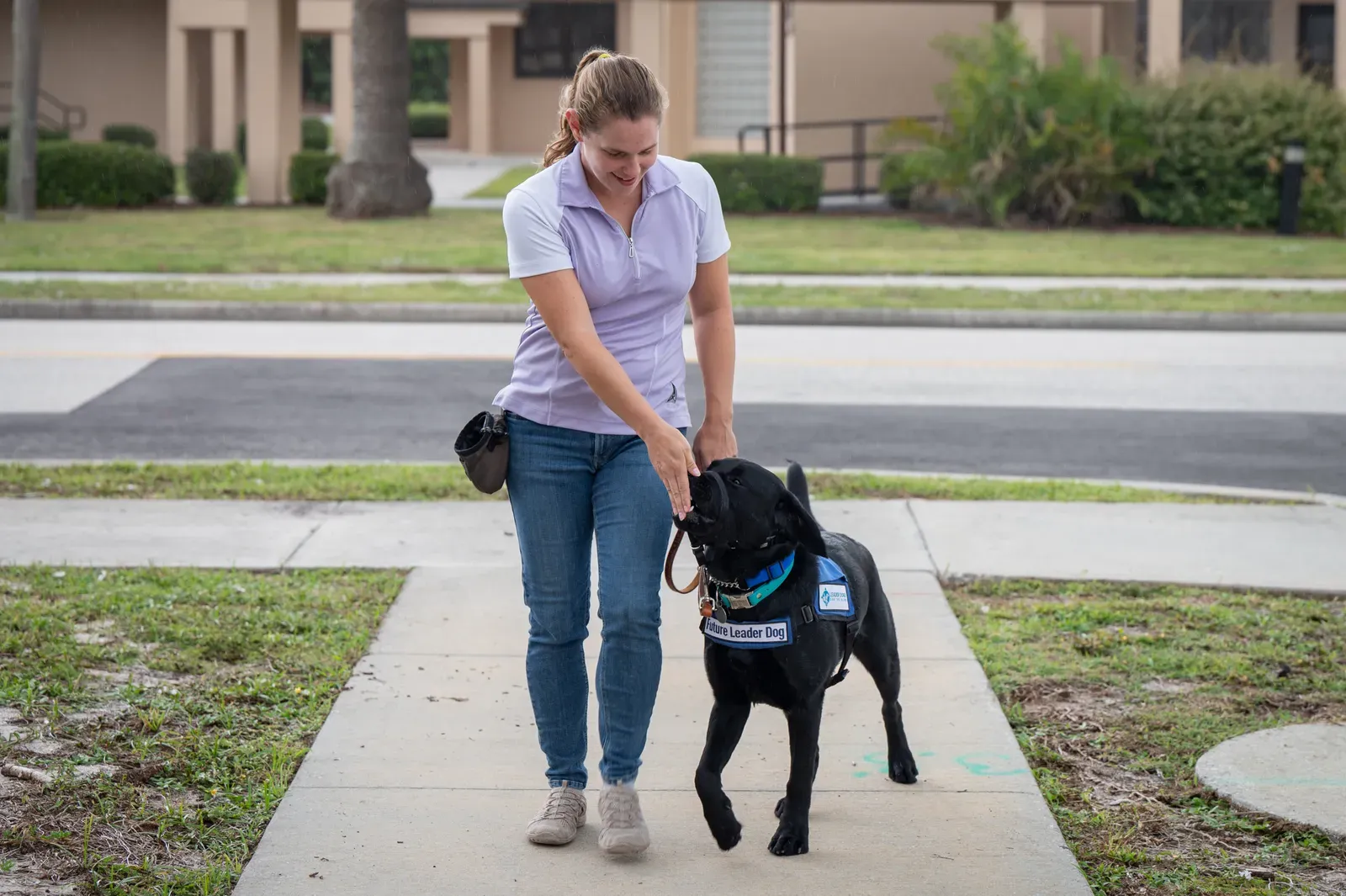
Keep training sessions short – around five to ten minutes – and positive for senior dogs. Use high-value treats and be patient with any physical limitations they might have. Think tiny pieces of chicken, a calm voice, and genuine celebration when they get it right. Older dogs tire more quickly, so short sessions are often more effective than long lessons. Always end on a success, even if it is something simple like responding to their name. Avoid confusion by using straightforward cues and sticking to the same words or gestures. Consistency and warmth – that’s the real training philosophy for senior dogs.
Conclusion: Your Senior Dog Is Ready – Are You?
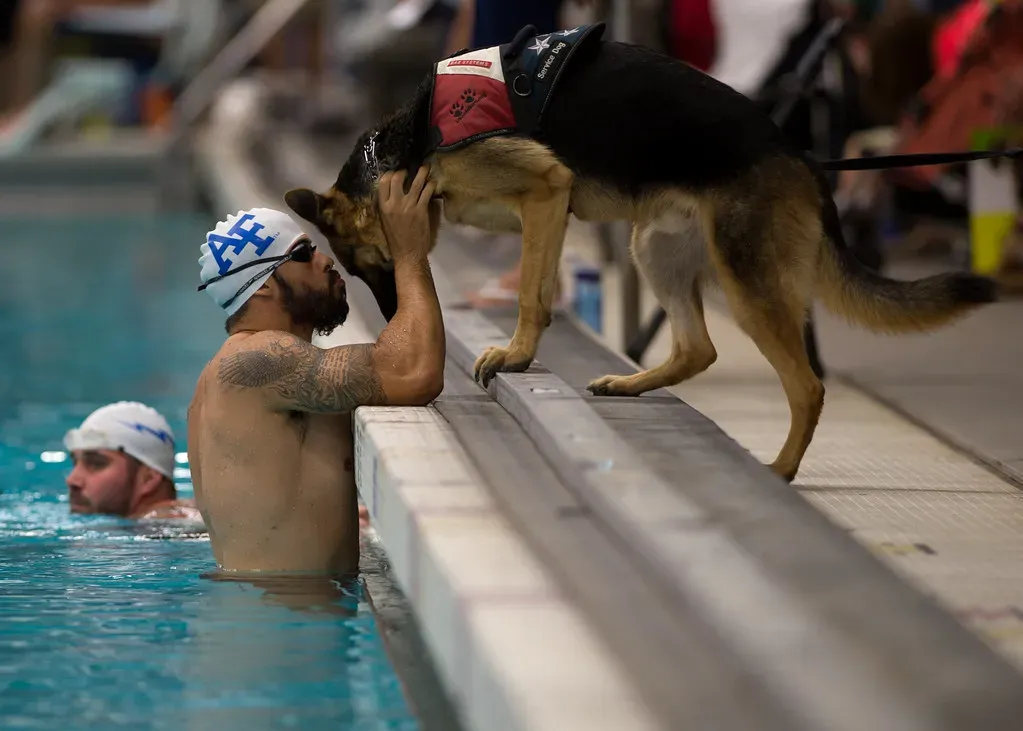
There is something quietly beautiful about an older dog who is still learning, still engaging, still looking up at you with those wise, trusting eyes and saying, “Okay, what are we doing today?” Teaching and learning new tricks can be a fun pastime for you and your dog, no matter your respective ages. Time shared while learning new tricks will deepen the bond you already have with your canine friend.
The five myths we’ve explored share one common root: they underestimate the older dog. Training an older dog is not just about learning new tricks; it’s about enhancing their quality of life. As dogs age, their cognitive and physical abilities can change. Engaging them in a structured training program can slow these changes, keeping their minds sharp and their bodies active.
Your senior dog is not a project that is past its deadline. They are a living, thinking, feeling companion who still has so much to offer – and so much to gain – from your patience and attention. Drop the myths. Pick up the treats. Older dogs may require more patience and gentle training methods, but they are fully capable of learning new behaviors and commands. Success stories abound of senior dogs mastering new skills, proving that age is just a number.
The real question is this: now that you know the truth, what will you teach your dog first?


