
You know that look. The one where your dog stares at you, you give a command, and nothing happens. Zero response. Like they’ve suddenly gone deaf or decided you’re no longer worth listening to. It’s frustrating, right? Maybe you’ve even muttered under your breath that your dog is being stubborn, willful, or just plain difficult. You’re not alone. Dog owners everywhere use these words daily, convinced their furry companion is deliberately ignoring them.
Here’s the thing though. What if I told you that stubbornness in dogs is largely a myth? That behind every ignored command, there’s actually a legitimate reason that has nothing to do with your dog trying to assert dominance or win some imaginary power struggle? It’s true. Modern canine behavior science has turned many old beliefs on their head, revealing that our dogs aren’t plotting against us at all. They’re just trying to navigate a world where communication between species can get pretty messy. Let’s dive in.
The Stubborn Dog Label Is Actually a Communication Breakdown
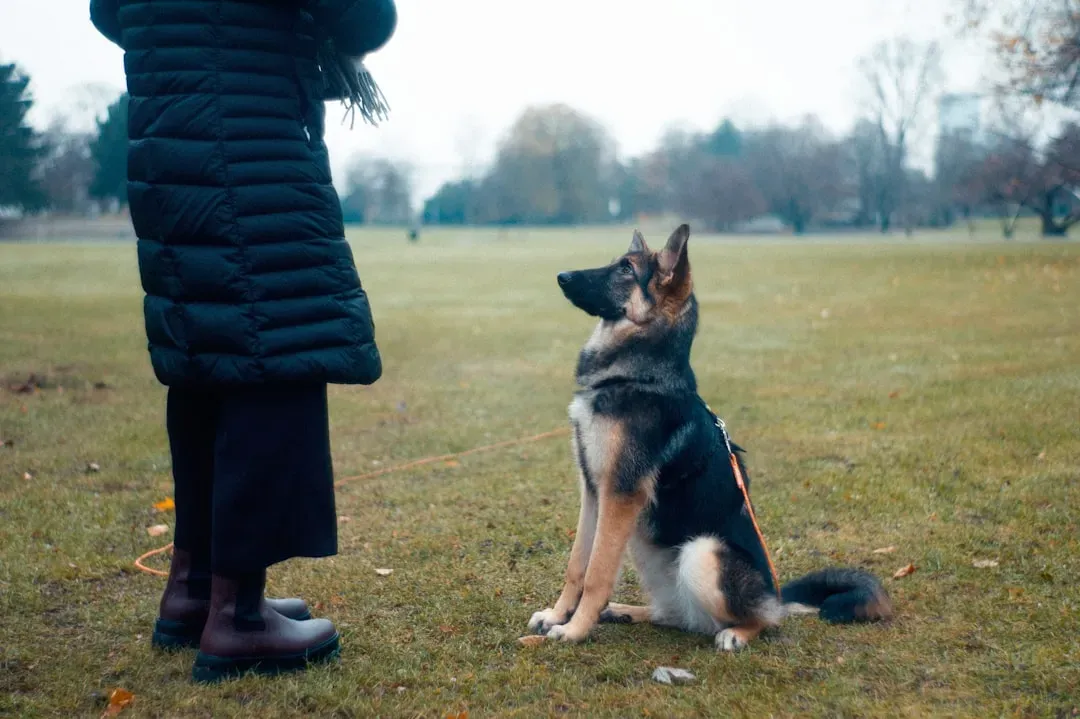
Dogs labeled as stubborn are often actually scared, distracted, or confused. Think about it from their perspective for a second. Imagine you’re in a foreign country where nobody speaks your language. Someone keeps repeating words at you, getting louder and more frustrated each time. Would you be stubborn, or would you simply be lost?
When dogs have difficulty learning a task, it’s often because they’re not being communicated to in a way they can understand. Maybe you taught the sit command in your quiet kitchen, but now you’re at the dog park expecting the same response. You’re going to lose your dog’s focus if you haven’t built up to that level of distraction. That’s not stubbornness. That’s just a dog doing their best with incomplete information.
What people label as stubborn behavior is actually a lack of motivation or our failure to communicate. I’ve seen this countless times. Owners repeat commands six, seven times, getting increasingly annoyed, while the dog just looks more and more uncertain about what’s expected.
Your Dog Isn’t Trying to Dominate You
Let’s get real about this whole dominance thing. The Alpha/Dominance Theory, which suggests dogs require a dominant leader, is discredited by modern research, and dogs do not naturally form hierarchies like wolves. Yet this myth persists like a stubborn weed in the dog training world.
The erroneous dominance theory is based on a study of captive zoo wolves from the 1940s, and these observations were erroneously extrapolated to wild wolf behavior and then to domestic dogs. Even the scientists involved in the original studies have since agreed that their conclusions were invalid. So when your dog pulls on the leash or jumps on guests, they’re not trying to be the alpha. If a dog jumps on you, it’s because he has not learned that this is an undesirable behavior.
Dogs that use aggression towards humans or other dogs are not trying to be dominant, rather the aggression is usually the result of social confusion, frustration, fear, anxiety or learning. The dominance label stops us from seeing what’s really going on.
Pain and Health Issues Masquerade as Disobedience
This one hits close to home for many owners who don’t realize their “stubborn” dog is actually hurting. If your dog ignores you, he may be feeling unwell or uncomfortable, and if your dog has always been obedient and is now slacking off, it’s best to have your veterinarian rule out any medical problems.
There are times a dog doesn’t listen because he is in pain and the owner is not aware, and this can happen at any age, but senior dogs are more likely to have pain related to unseen issues like arthritis. Picture a dog with hip dysplasia being asked to sit repeatedly. Each time they sit, it hurts. Eventually, they hesitate or refuse. That’s not stubbornness; that’s self-preservation.
Sloppy sits or a reluctance to lay down may be indicative of orthopedic problems. Even things like ear infections, dental pain, or vision problems can affect how a dog responds to cues. Hearing and vision impairments often hinder response to commands, and if a dog doesn’t see or hear well, it may fail to notice training cues.
Wrong Rewards Make Training Feel Pointless to Your Dog

Honestly, let’s talk about motivation. It’s a hard to debunk myth that dogs work for us just to please us, and in reality, as opportunistic beings, dogs are most likely thinking “what’s in it for me?”. I know it sounds less romantic, but it’s the truth. If the reward isn’t worth the effort, why would they bother?
The right use of treats can make the difference between a dog who is eager to work and one who couldn’t care less, and the use of low-value treats can be detrimental if your dog isn’t excited by them. Offering your dog a piece of kibble when there’s a squirrel nearby is like offering an employee a pizza party instead of a pay raise. It just doesn’t cut it.
Dogs are incredibly reward-motivated and tell you loud and clear what they’re motivated by all the time. Pay attention. Does your dog lose their mind for cheese? Does a favorite toy trump all treats? Use that information. Training becomes so much easier when you’re speaking your dog’s love language.
Fear and Anxiety Look Like Stubbornness

The most common reason for a dog to hesitate when asked to do something is fear, so look for fearful or submissive body language like pulled back ears, lowered bodies, tucked tails, and avoiding eye contact. I’m often surprised how many people miss these signals entirely.
It’s often surprising to hear this described as stubborn when the dog is clearly showing that he is afraid. Maybe you’re calling your dog to come inside after they did something wrong, and your tone already sounds disapproving. The client may be calling the dog to do something he finds unpleasant or scary, or they may be using a tone that is disapproving so the dog is anticipating punishment.
Dogs don’t act out of spite, and when a dog misbehaves, it’s usually due to confusion, lack of training, unmet needs, or fear. A fearful dog shutting down isn’t being difficult. They’re overwhelmed and need support, not correction. The solution isn’t to push harder; it’s to build confidence through positive experiences and patient, gradual exposure.
You’re Expecting Too Much, Too Soon

Here’s where many well-meaning owners trip up. Teaching recall to a stubborn dog is a common struggle, but if your dog doesn’t understand how to come when called in the quiet house, how can you expect them to do it outside when there are exciting temptations nearby?. We humans tend to be lumpers instead of splitters when it comes to training.
The training process for a command doesn’t end as soon as the dog knows what it means, and the key to reliability is establishing a long history of reinforcement with a wide variety of reinforcers. Your dog needs hundreds of successful repetitions in dozens of different environments before a behavior becomes truly reliable.
You need to train your dog to ignore distractions by building from the smallest to the most exciting, one baby step at a time. Start in your living room. Then the backyard. Then the front yard. Then the quiet street. Gradually layer in distractions. It’s tedious work, sure, but it pays off when your dog actually listens when it matters. Rushing this process and then blaming the dog for being stubborn is like expecting someone to run a marathon after one week of training.
Conclusion
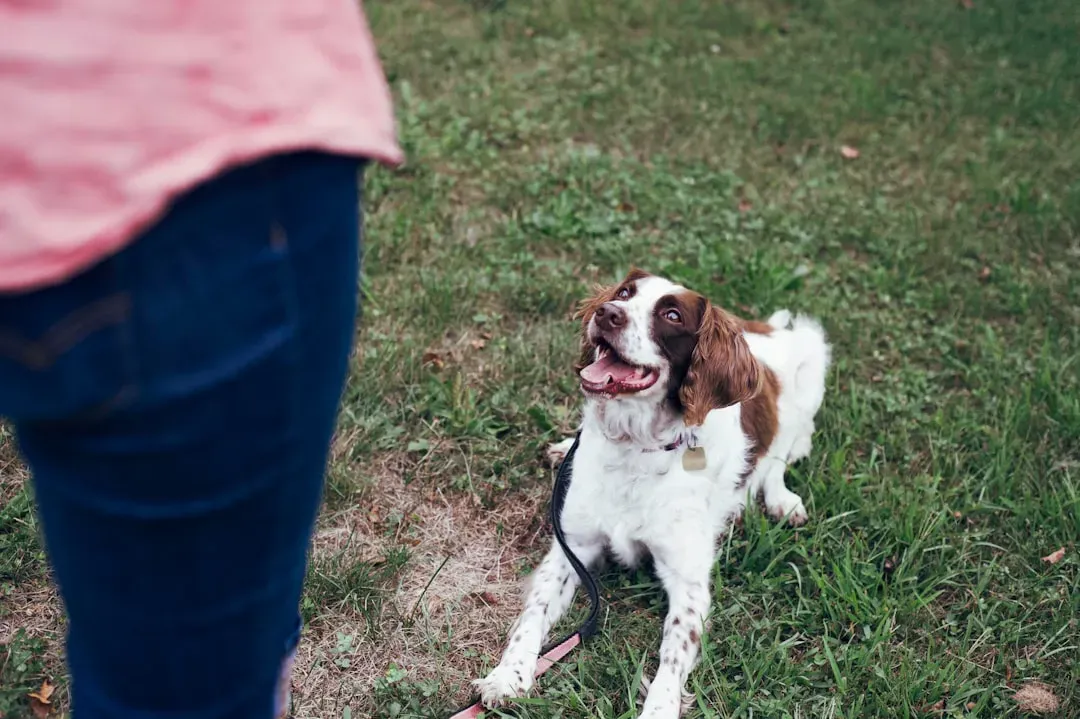
The stubborn dog myth does a disservice to both you and your canine companion. When we slap that label on our dogs, we stop looking for the real reasons behind their behavior. We miss the subtle signs of pain, the body language screaming fear, or the simple fact that we haven’t communicated clearly enough. A dog is not stubborn; either it has learnt something or it hasn’t.
Modern canine science has given us better tools than outdated dominance theories and harsh corrections. Positive reinforcement, clear communication, proper motivation, and patience create dogs who genuinely want to work with us. So next time your dog doesn’t respond to a command, pause before calling them stubborn. Ask yourself: Are they confused? Scared? Distracted? In pain? Poorly motivated? Once you identify the real issue, you can actually solve it.
What myths about dog behavior have you believed in the past? Have you discovered your “stubborn” dog was actually trying to tell you something else entirely? Share your experiences in the comments below.


