
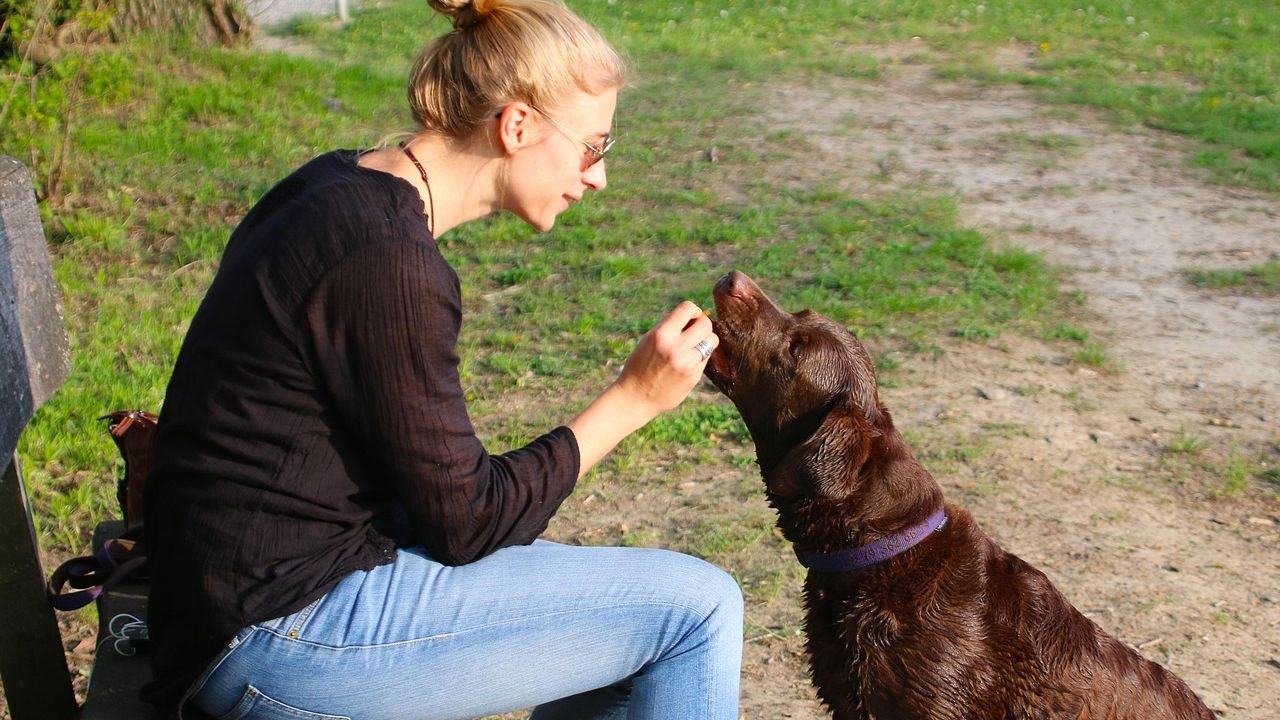
You’ve probably heard it a million times. Someone points at a beautifully behaved Pit Bull mix and says, “Well, it’s just a matter of time.” Or maybe you’ve watched a Golden Retriever knock someone over with enthusiasm and heard the excuse, “Oh, that’s just how they are!” Let’s be real: we’ve all been guilty at some point of chalking up a dog’s behavior entirely to their breed. It’s easy to do. Breed stereotypes are everywhere, from well meaning advice at the dog park to those clickbait articles about “dangerous breeds” or “perfect family dogs.”
Here’s the thing, though. Recent science is completely upending what we thought we knew about breed and behavior. The truth might surprise you, maybe even make you rethink everything you assumed about your own pup. Breed explains just about nine percent of behavioral variation in individuals. That means the vast majority of what makes your dog who they are comes from somewhere else entirely. So where does it come from? You. Your training, your consistency, your understanding of what your dog actually needs. Let’s dive in.
The Science Behind the Stereotype

Researchers have been busy turning old assumptions on their heads. Dog breed is generally a poor predictor of individual behavior and should not be used to inform decisions relating to selection of a pet dog. That’s a huge statement coming from geneticists who studied thousands of dogs. Think about it: we’ve spent decades believing that a Border Collie will naturally herd, a Beagle will howl, and a Rottweiler will guard. Sure, there are tendencies, and yes, certain behaviors like biddability, the measure of how well a dog responds to human direction, do show some genetic influence.
Although many physical traits were associated with breeds, behavior was much more variable among individual dogs. This means your dog’s floppy ears and curly tail might be locked in by genetics, but their temperament? That’s far more flexible than we ever imagined. We’re talking about research that analyzed over eighteen thousand dogs, both purebreds and mutts, pairing genetic data with owner surveys. Honestly, it’s one of the most comprehensive looks at canine behavior we’ve ever had.
Genetics Loads the Gun, Environment Pulls the Trigger
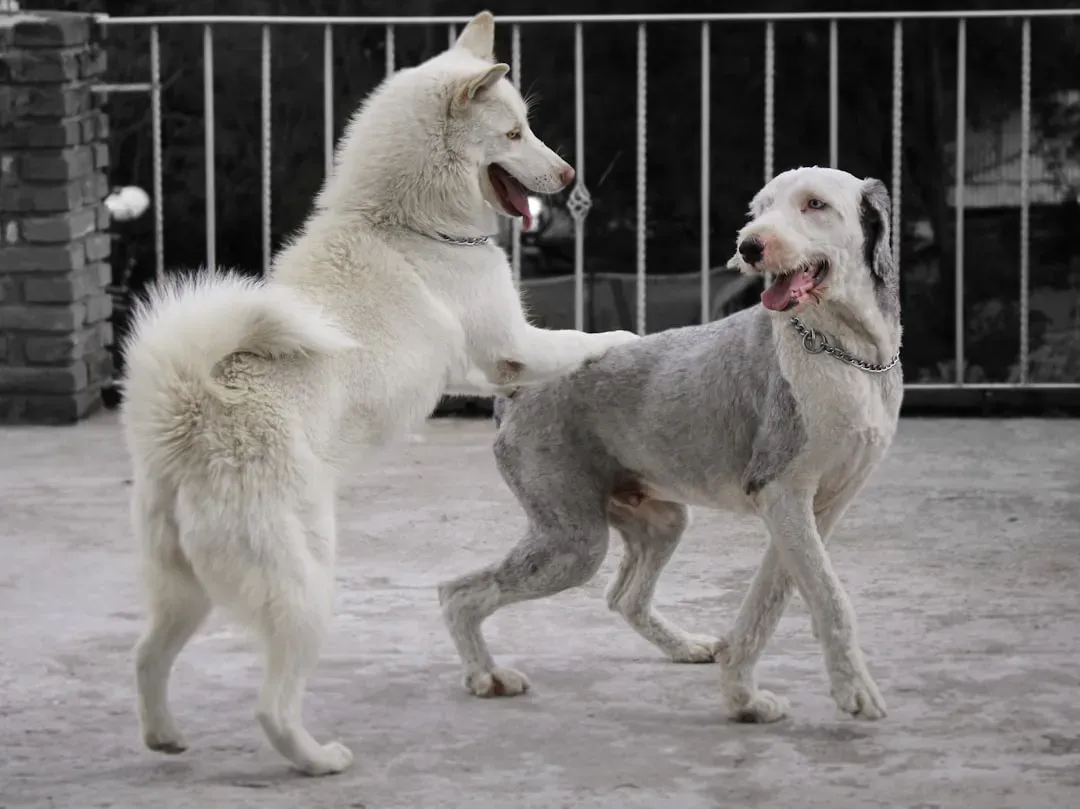
Let’s not pretend genetics mean nothing. They matter, just not in the way most people think. Genetics loads the gun, but environment pulls the trigger. Some dogs might come into this world with a slight predisposition toward reactivity or boldness. Perhaps your German Shepherd has a genetic inclination to be protective. That doesn’t mean they’re destined to become aggressive or unmanageable. What happens next is entirely up to you.
Studies suggest that a dog’s behavior takes place as a result of genetic material (instinct) and experience (learning). The two work together in ways we’re only beginning to understand. Your dog’s early experiences, the consistency of your training, even the stress levels in your household all play massive roles in shaping who they become. A dog from anxious or reactive lineage, raised with patience and positive methods, can thrive beautifully. Meanwhile, a dog from calm, friendly lines can develop serious behavioral issues if they’re mishandled or under socialized.
Early Life Experiences Matter More Than You Think

Puppies are sponges. What they experience in those first critical months leaves lasting impressions. All published studies suggest a role for major stressors during puppy development from the prenatal stage through adolescence in the development of many behavioral problems. That means your dog’s behavior isn’t just about what you’re doing today. It’s about what happened when they were tiny and vulnerable.
The behaviour of the mother towards her puppies can have a significant impact on the development of the pups responses to stress, both behaviorally and physiologically. If a puppy is raised in a chaotic, stressful environment or separated from their mother too early, that can set them up for challenges down the road. Proper socialization to different people, places, sounds, and experiences during that golden window between roughly three and fourteen weeks of age is absolutely essential. Miss that window or do it poorly, and you’re making your job as a trainer ten times harder. The good news? With dedication, even dogs with rough starts can learn to trust and thrive.
Positive Reinforcement Changes Everything
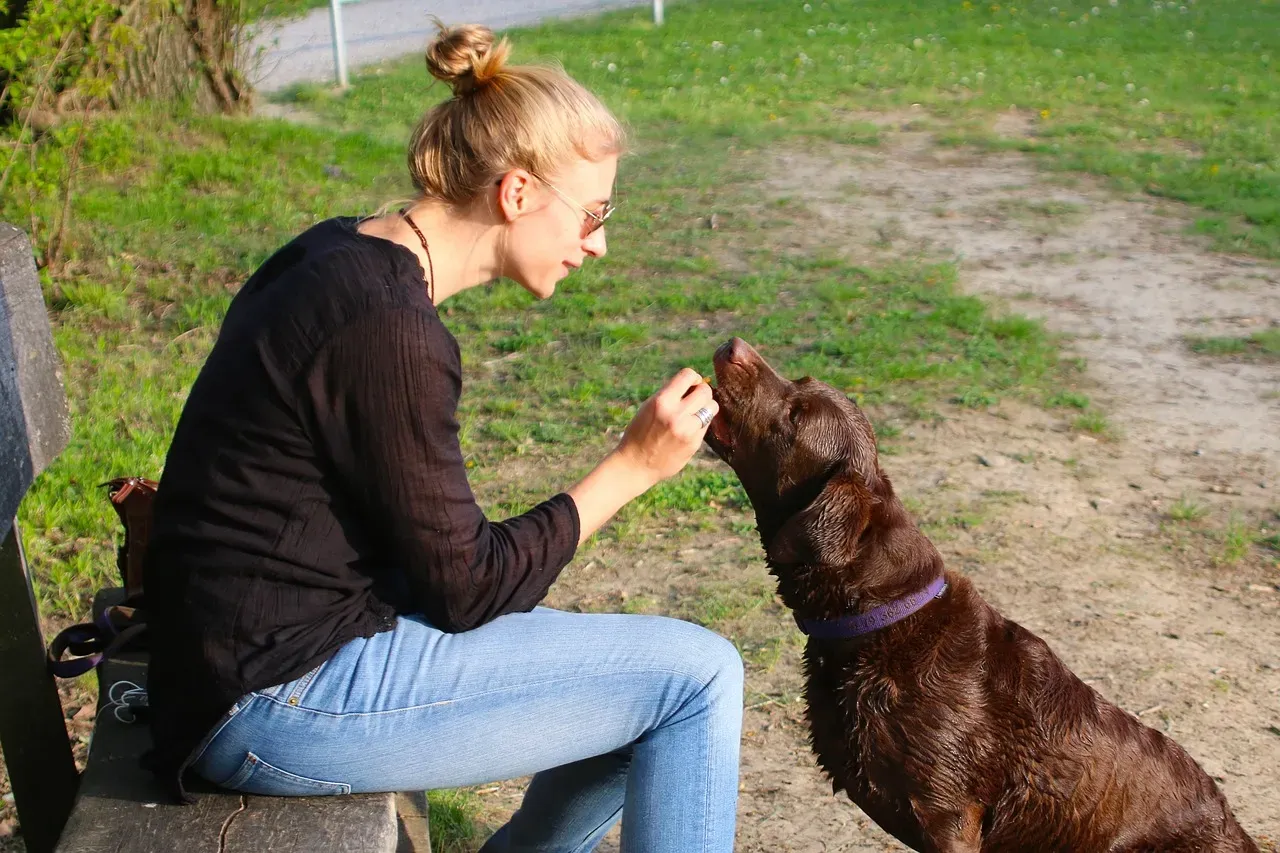
If you take nothing else from this article, take this: how you train matters enormously. Science has spoken about the effectiveness of positive reinforcement methods. Modern behavioral and cognitive science has shown that positive reinforcement is the safest and most effective way to train dogs. We’re not talking about being permissive or never saying no. We’re talking about teaching your dog what you want them to do by rewarding good choices.
Compared with other methods, positive reinforcement strengthens behavior, builds trusting relationships between pet parents and their animal companions, and protects the behavioral health of pets. When your dog sits politely instead of jumping, you reward that. When they come back to you at the park instead of chasing a squirrel, you celebrate it. Positive reinforcement is only effective if it’s constant, predictable, reproducible, and given immediately after your dog exhibits good behavior. Rewards must occur within seconds of the desired behavior or your dog may not be able to associate the two. Timing is everything. Consistency is everything.
Punishment Creates More Problems Than It Solves
Here’s where things get uncomfortable for some people. Punishment based training, the kind that relies on intimidation, fear, or physical corrections, doesn’t just fail to work well. It actively damages your dog. Punishment isn’t a very clear process for dogs, with them easily misconstruing what they’ve done wrong. Your dog has an accident inside, you yell and drag them to their crate. What did they learn? Maybe they learned not to eliminate in front of you. So now they hide their accidents in closets or under beds.
Thanks to the involuntary learning of classical conditioning, dogs trained with unpleasant actions often associate those aversives with the trainer and the training process. These dogs don’t look forward to learning, they don’t want to try new things, and their bond with their owner is eroded. That’s heartbreaking, right? Your dog should trust you completely. They should see you as their safe place, their guide, their partner. Punishment erodes that foundation. It creates anxiety, shuts down curiosity, and in many cases, escalates the very behaviors you’re trying to stop.
You Hold the Power to Shape Your Dog’s Future
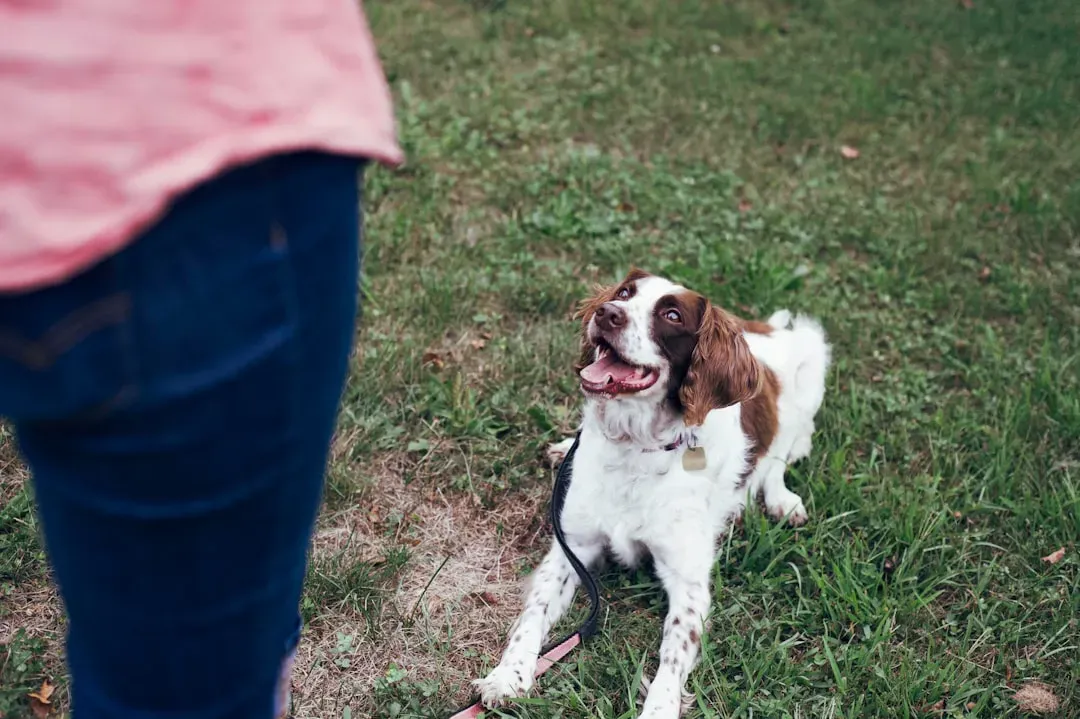
So where does that leave us? It leaves us with an incredible amount of responsibility and an equally incredible opportunity. Your dog’s breed might give them a starting point, but you determine where they go from there. Dogs are products of how they are raised. But they are also products of their genetics. Both nature and nurture play important roles in your dog’s development. It’s not one or the other. It’s both, working together, influenced every single day by the choices you make.
Take the time to learn what motivates your dog. Be consistent with your training cues and household rules. Socialize them properly when they’re young, and continue providing positive experiences throughout their lives. Manage their environment to set them up for success rather than failure. Understanding your dog’s genetic predispositions allows for more targeted, effective training approaches and realistic expectations. Rather than using genetics as an excuse or a reason to stigmatize certain breeds, we can use this knowledge to develop better breeding practices, more effective training protocols, and more compassionate public policies.
Conclusion
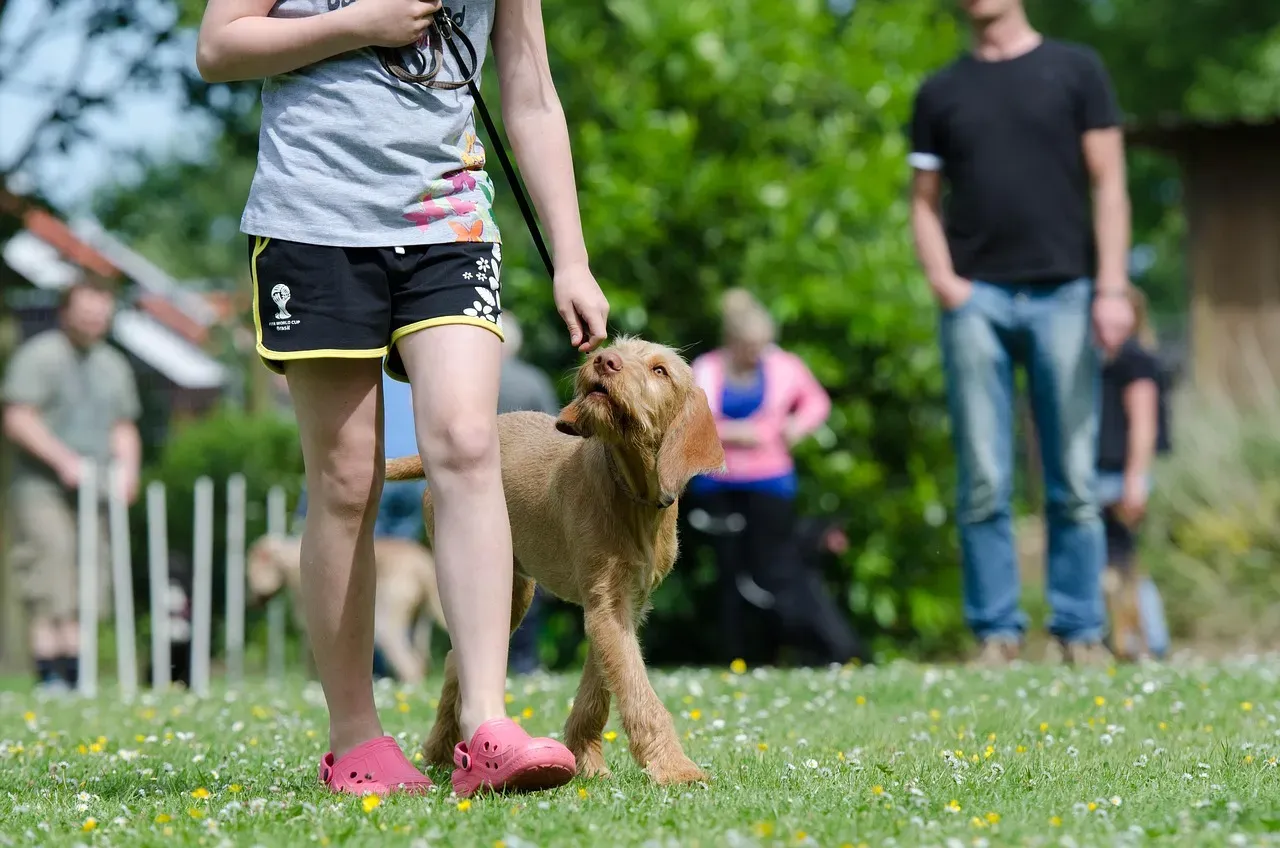
The next time someone blames a dog’s behavior entirely on their breed, you’ll know better. Science is clear: breed matters far less than we thought, and training matters far more. Your dog isn’t destined to be a certain way just because of their DNA. They’re shaped by you, by the environment you create, by the patience and consistency you bring to the table every single day.
That’s empowering, honestly. It means no dog is a lost cause, and every dog has the potential to surprise you. It means your efforts matter deeply. Your training, your compassion, your commitment to understanding your dog as an individual, that’s what creates the well adjusted, happy companion you’ve always wanted. So stop blaming the breed and start looking in the mirror. You’ve got this.
What’s your experience been with training your dog? Did breed stereotypes hold true, or did your pup surprise you? Share your story in the comments.


